Filed Under:
‘In Gaza, we are never far from fear’: Palestinians feel the impact of U.S.-Israeli war with Iran
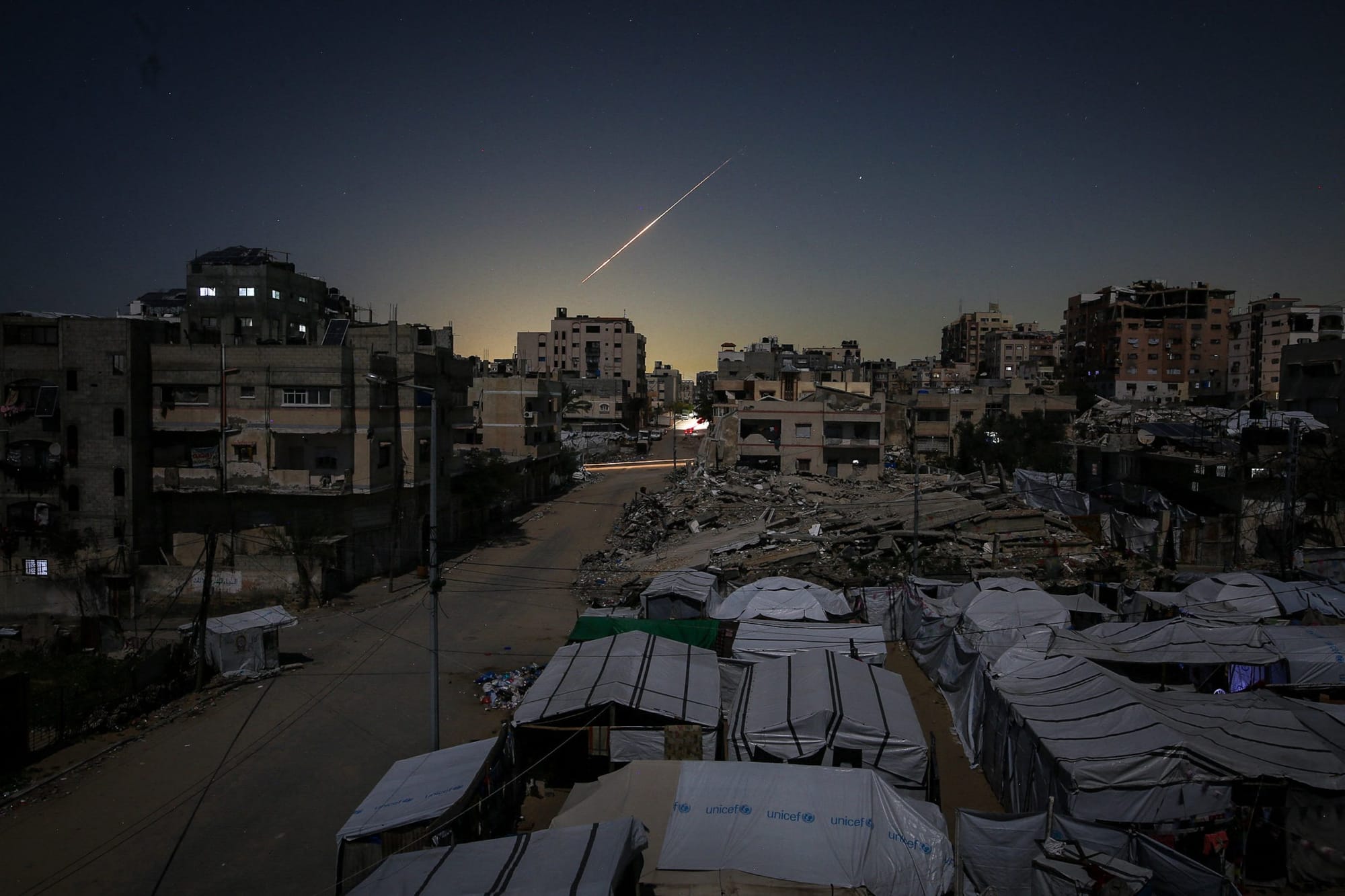
Amid its war with Iran, Israel shut down Gaza border crossings again, leaving Palestinians to face renewed fear and rising concerns about daily necessities

Malak Hijazi
Real journalists wrote and edited this (not AI). Independent, community-driven journalism survives because you back it. Donate to sustain Prism’s mission and the humans behind it.
Real journalists wrote and edited this (not AI)—independent, community-driven journalism survives because you back it. Donate to sustain Prism’s mission and the humans behind it.
After recent regional tensions and joint Israeli‑U.S. strikes in Iran, Israel has tightened its security blockade on the Gaza Strip by closing most border crossings, including the Rafah crossing with Egypt, a vital route for people and aid that had been operating at limited capacity just weeks earlier.
After several days of closure, the Kerem Abu Salem crossing was partially reopened on March 3, allowing aid to enter gradually under strict supervision, though needs on the ground remained high.
U.S.-Israeli strikes on Iran have killed at least 1,332 people since Feb. 28, including 165 children and staff killed in a strike on a school in Minab. Meanwhile, Israel intensified strikes in southern Lebanon and threatened hundreds of thousands of Beirut residents to abandon their homes before the neighborhoods “become like Khan Younis,” a city in Gaza decimated by the genocide.
Despite engagements on these other fronts, Israeli operations in Gaza continued. On March 4, Israel violated the ceasefire for the 144th consecutive day. Two civilians were killed, and multiple areas were struck, including the eastern neighborhoods of Tuffah and Shujayea in Gaza City, as well as Rafah, Khan Younis, and Bureij refugee camp. The attacks have since continued, with at least seven Palestinians killed and 17 wounded within 24 hours on March 9. Since the ceasefire began on Oct. 10, Israel’s repeated violations have killed at least 648 Palestinians and left at least 1,728 injured.
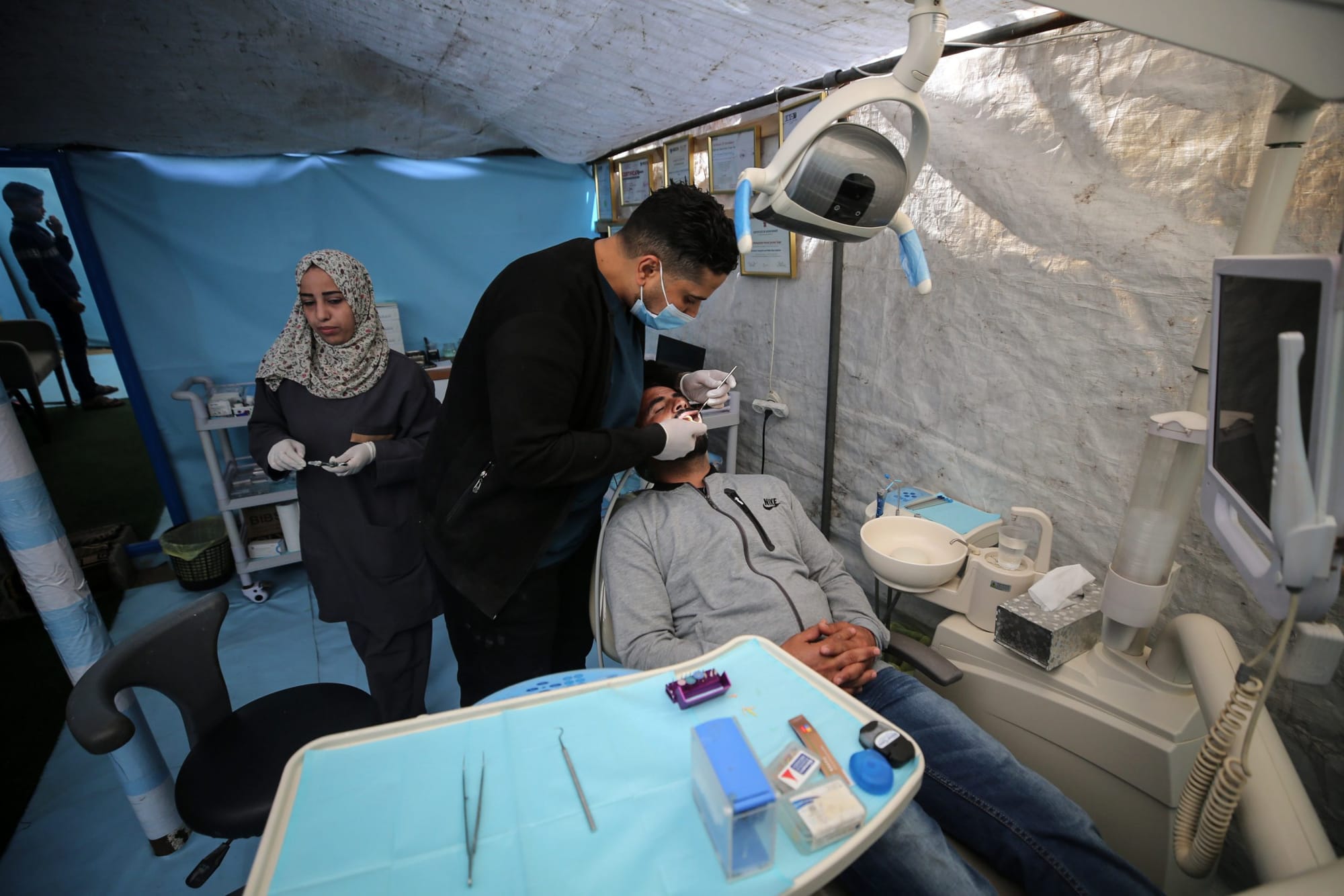
Humanitarian organizations in Gaza are struggling as border closures disrupt their work. Duaa Salim, a worker based in central Gaza, told Prism via voice message that shops have been overcrowded and prices high, affecting aid campaigns.
“We were supposed to prepare and distribute parcels this week, but I was informed that the operation has been postponed,” Salim said. “If the shutdowns continue, we won’t be able to complete the distributions.”
She added, “Having experienced famine, we constantly feel insecure, and it seems almost impossible for this war not to affect food security. There is no assurance that aid will remain or that crossings will stay open.”
World Central Kitchen highlighted the impact of the closures.
“With the conflict in Iran and the closing of the borders into Gaza, World Central Kitchen will be forced to temporarily pause meal distribution in the Strip,” the organization said in a media alert, noting that kitchens could not continue preparing food without daily deliveries of goods from outside.
Salim also highlighted that the financial situation in Gaza was already deteriorating. “Before the escalation in Iran, a large number of people could not afford daily meals at normal prices. How could they buy large quantities of food to store? Many rely on food assistance from humanitarian organizations, which they consider a lifeline.”
Chasing the news
Al‑Meqdad Jamil Meqdad, a writer and researcher from Gaza, said many residents closely follow regional developments, aware that conflicts elsewhere could affect their own situation.
“Even if the war is not directly here, its existence elsewhere is alarming and distressing. I follow updates on social media, especially X and Telegram, and check news websites and live television. Even if I sleep, I wake up to catch up on the latest news,” he told Prism via WhatsApp.
He expressed concern that tensions could reach Gaza and disrupt the fragile ceasefire, as Israel might exploit the regional climate. “Any renewed conflict could have devastating consequences, potentially giving authorities a pretext for extreme measures, including forced displacement or further confinement of residents,” he said.
The closure of crossings has already triggered a market crisis. “I did not expect Israel to close them completely, but when it happened, it was extremely challenging. Traders’ control over supplies, combined with uncertainty, pushed people to stockpile essentials, which also opened the door for price exploitation,” Meqdad explained.
To secure his family, he began preparing for the worst. “I bought oil, sugar, coffee, oats, and milk to make sure we have what we need. I grew anxious about what would happen if the closures continued, how we would remain at the mercy of the traders, and the fear of returning to a state of famine, having to hunt for certain foods like eggs for my daughter at outrageous prices,” Meqdad said.
Uncertain future
The stress of shortages and news of conflicts abroad weigh on the sense of the future. Lina Zaino, 19, a university student from Gaza, described the regional conflict as a familiar threat.
“Every news report about a new war, deaths, or displacement hits me as if the scene is unfolding again right in front of my eyes. Here in Gaza, we are never far from fear or the sounds of war. The events in Iran or elsewhere bring back an old, familiar feeling for us,” she told Prism via WhatsApp.
Having lost two years of school to the genocide, she added, “My greatest fear is not just the war itself, but having to relive the same cycle. I fear having to start over, losing more years while trying to catch up, and seeing education once again become a luxury rather than a right.”
Zaino concluded, “I hope our future is not left hanging by decisions beyond our control.”
Editorial Team:
Sahar Fatima, Lead Editor
Lara Witt, Top Editor
Stephanie Harris, Copy Editor