Filed Under:
Refaat Alareer is the invisible force behind hundreds of stories documenting genocide
The Palestinian professor, killed by an Israeli airstrike in 2023, co-founded organizations that trained hundreds of storytellers to document the realities on the ground in Gaza
Real journalists wrote and edited this (not AI). Independent, community-driven journalism survives because you back it. Donate to sustain Prism’s mission and the humans behind it.
Refaat Alareer, the Palestinian professor, writer, and activist from the Gaza Strip killed by an Israeli airstrike in December 2023, left behind a weapon mightier than any sword: an army of trained storytellers.
His legacy is not found in writing alone, but in the real-world platforms he built for bloodless, thunderous resistance—platforms that have conveyed Gaza’s suffering to the world.
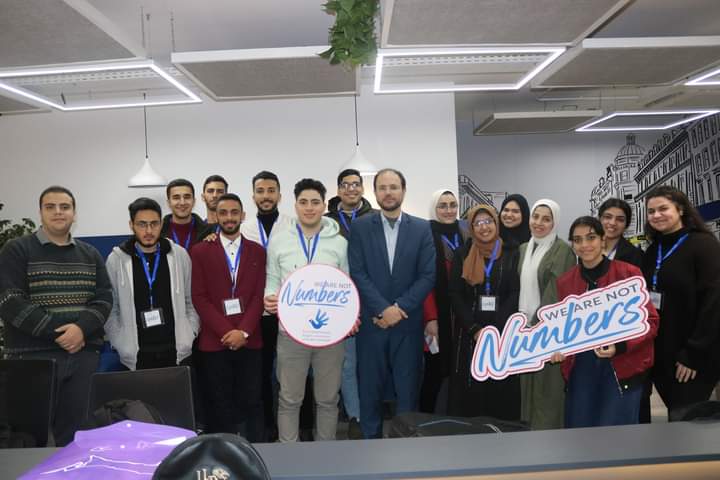
He founded We Are Not Numbers, a project that has trained hundreds of Palestinian writers to publish with international publications. He also co-founded the 16th October Group, which trained Palestinian journalists and activists to visually document life under occupation in Gaza. Together, these initiatives produced hundreds of voices now writing for publications such as The Washington Post, The New York Times, and Al Jazeera.
I know this because I was one of his students.
The first time I met Refaat was in 2018, when I was a first-year English literature student at the Islamic University of Gaza. But before I ever walked into his classroom, I knew of him, of course. In Gaza’s academic circles, Refaat’s name carried weight: a poet, a professor, a respected voice. When I became his student, I wasn’t just meeting a new professor; I was meeting a legend.
He wasn’t anything like a typical professor. Though he was a slim, unassuming man, he had a quiet intensity that filled the room. His gaze was sharp and when it landed on you, you felt fully seen. Admittedly, many of us students were in awe of him, but he had an aura, a gravity that defined his presence as a man who knew exactly what he stood for.
He also had firm boundaries with students and was unyielding when it came to grades. No amount of pleading or charm could lead to a better mark or soften his strict standards. Respect was not given freely in his classroom; it was earned.
Refaat introduced many students across Gaza to English literature. He opened our eyes to writing in ways we had never known before, expanding our minds and helping us see how people of different cultures conceive and perceive life. Over time, many of us saw Refaat as a father figure. He always gave sincere advice and guidance. We all loved him. “The more you learn about literature, the more you like it,” I can still hear him say.
Refaat even helped me find a volunteer placement with the 16th October Group before graduation. I watched students train to become TV correspondents and learn how to interview sources for the foreign press, work that was overseen by Wafa Aludaini, who co-founded the group with Refaat and taught us how to write journalistic features and produce news reports.
Not long after, I received a call from the We Are Not Numbers project manager, offering me free access to their six-month English writing courses. There were about 18 of us in the class, almost all the same age, from various specializations but united in our interest to tell our stories to a wider audience.
In Zoom meetings, English writers gave us lectures on how to write features and opinion articles. They equipped us with important writing tools and even helped get our work published. During the fourth week of courses, Refaat appeared and I was overcome with pride for knowing him. I can still vividly recall when he taught us about his poem, “If I Must Die.” It is through him that I learned writing is a powerful force for change; as he often told us, “Writing is an act of courage.”
These programs changed my life, and so did my time with Wafa, who was also killed by an Israeli airstrike, at her home in Deir Al Balah on Sept. 30, 2023. Wafa died alongside her husband and young children, likely as punishment for her work reporting on oppressed people and shouting their suffering to the world.
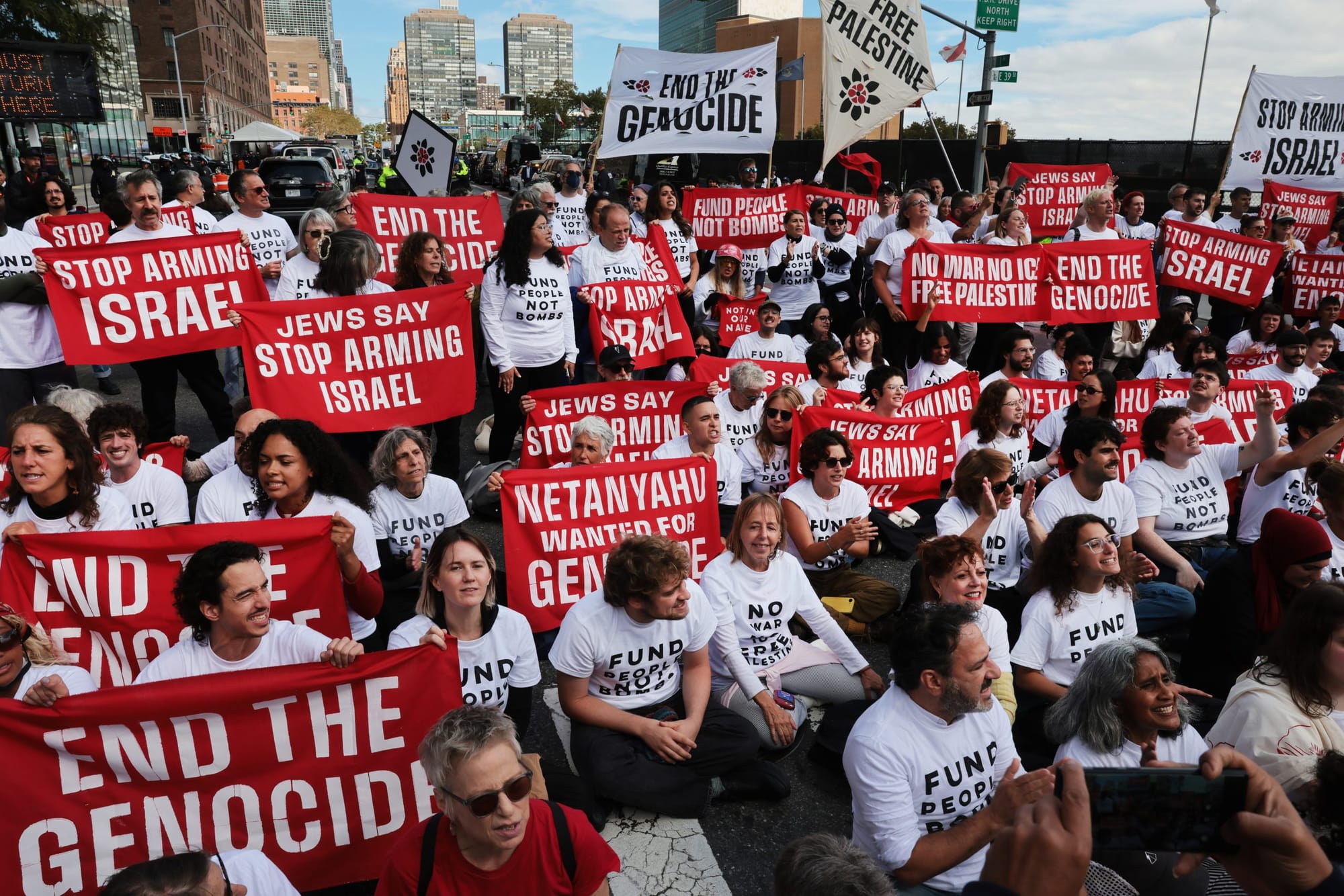
As the war began in October 2023 and the humanitarian crisis in Gaza quickly worsened, we—the students of We Are Not Numbers—turned into genocide reporters overnight. Young people associated with We Are Not Numbers went on to publish countless articles with international publications, showing the world the reality on the ground like no one else could.
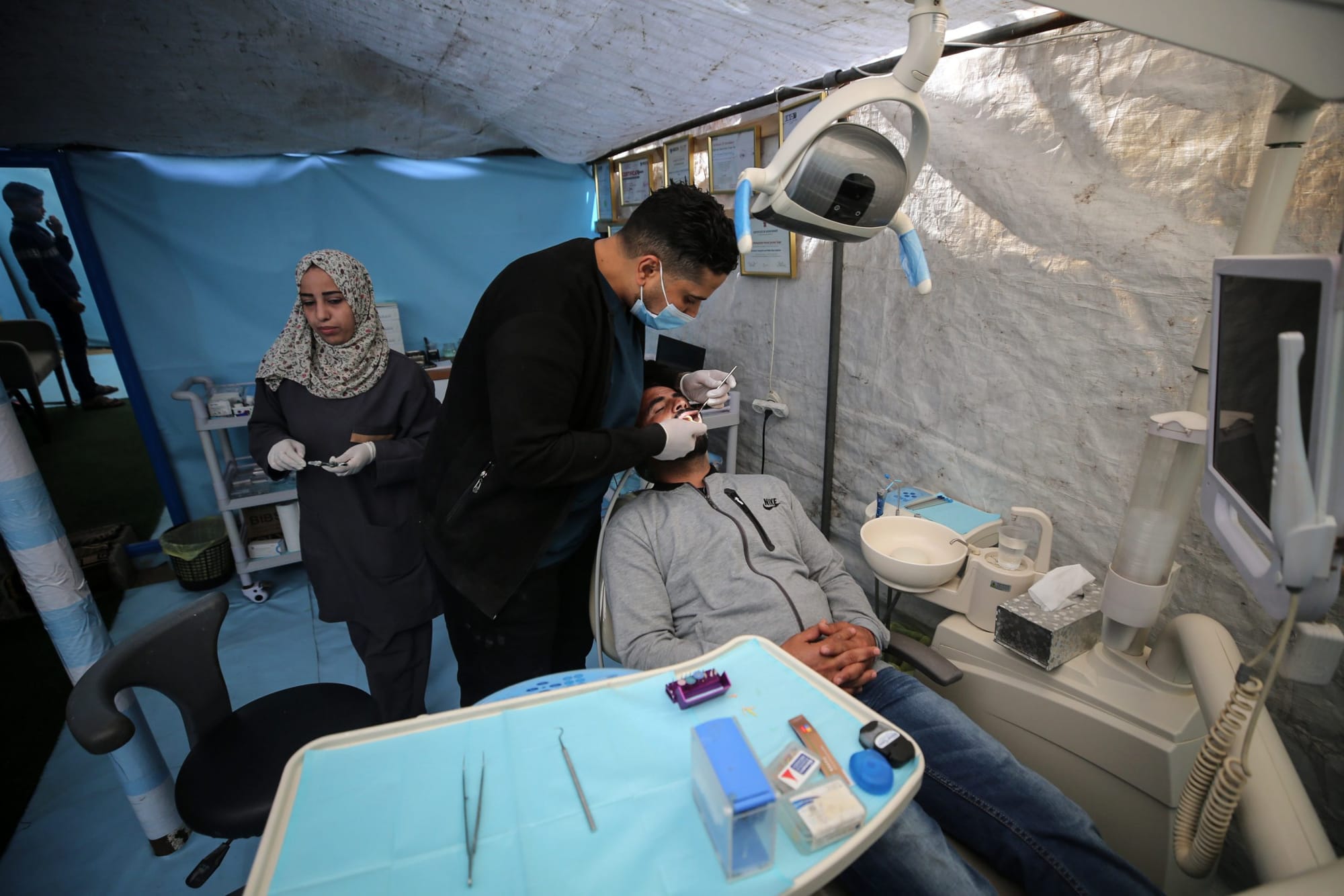
Like many others in Gaza, I lost my job during the genocide, but the skills I learned from the organizations Refaat co-founded allowed me to make a living while I documented the atrocities that became a part of everyday life. Most of my articles focused on the most fragile in society: children who died under rubble, and blind people forced to live in tents.
This work cost them their lives, but they left behind a generation of young writers who have the courage to tell the truth.
How could we choose to remain silent when every day, we saw bleeding children? If we did not tell these stories, who would? If Refaat and Wafa did not create spaces for writers to report their people’s suffering, who would speak for the dead? What horrors would remain untold? This work cost them their lives, but they left behind a generation of young writers who have the courage to tell the truth.
Last year, We Are Not Numbers published a compilation of our work that became a bestseller. It is painful to know that Refaat did not live to see this vision come to life, but it is because of him and what he taught us that we have been able to reach the world with our voices. He was the first to make us believe that our writing could change things because he first made us believe that our voices matter.
Refaat Alareer did not just teach us about resistance in university lectures; he was the force behind a movement. He equipped us with the tools to use language as a weapon against oppression and occupation. It is because of him that we learned to raise our voices. His legacy is not buried with him. Refaat’s memory lives on in every word we write and in every story we publish that tells the truth about the genocide.
Editorial Team:
Tina Vasquez, Lead Editor
Lara Witt, Top Editor
Rashmee Kumar, Copy Editor
Said Alsaloul
Filed Under: