Filed Under:
One bite at a time: the rules, regulations, and worries of parole
Each day is carefully mapped out, and each decision starts with an exhausting mental checklist
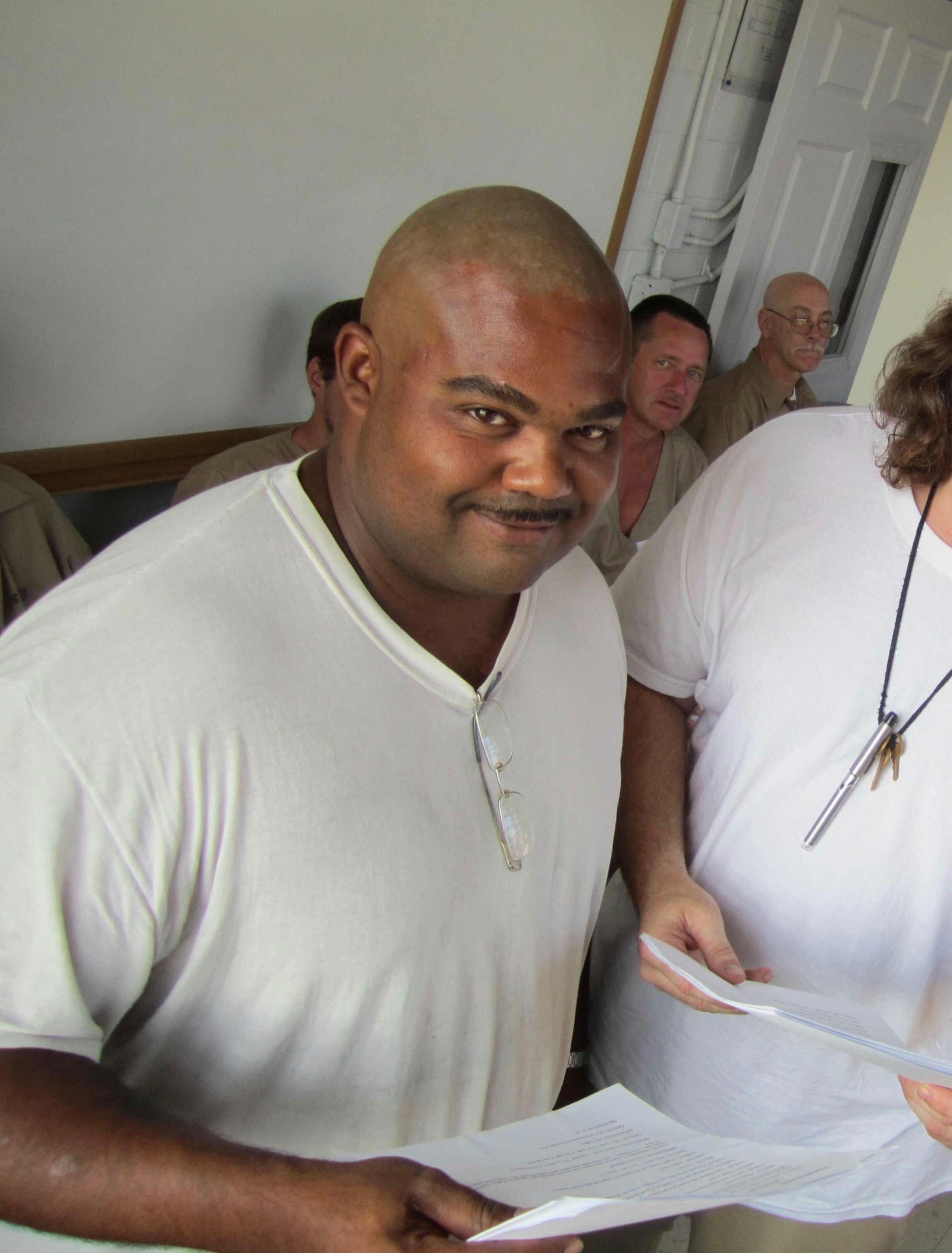
Derek R. Trumbo, Sr.
Real journalists wrote and edited this (not AI). Independent, community-driven journalism survives because you back it. Donate to sustain Prism’s mission and the humans behind it.
Real journalists wrote and edited this (not AI)—independent, community-driven journalism survives because you back it. Donate to sustain Prism’s mission and the humans behind it.
Dear Reader,
After nearly 20 years of incarceration, one of my biggest concerns after being suddenly released into a totally unfamiliar world were the massive number of new rules and restrictions that would shape my life outside.
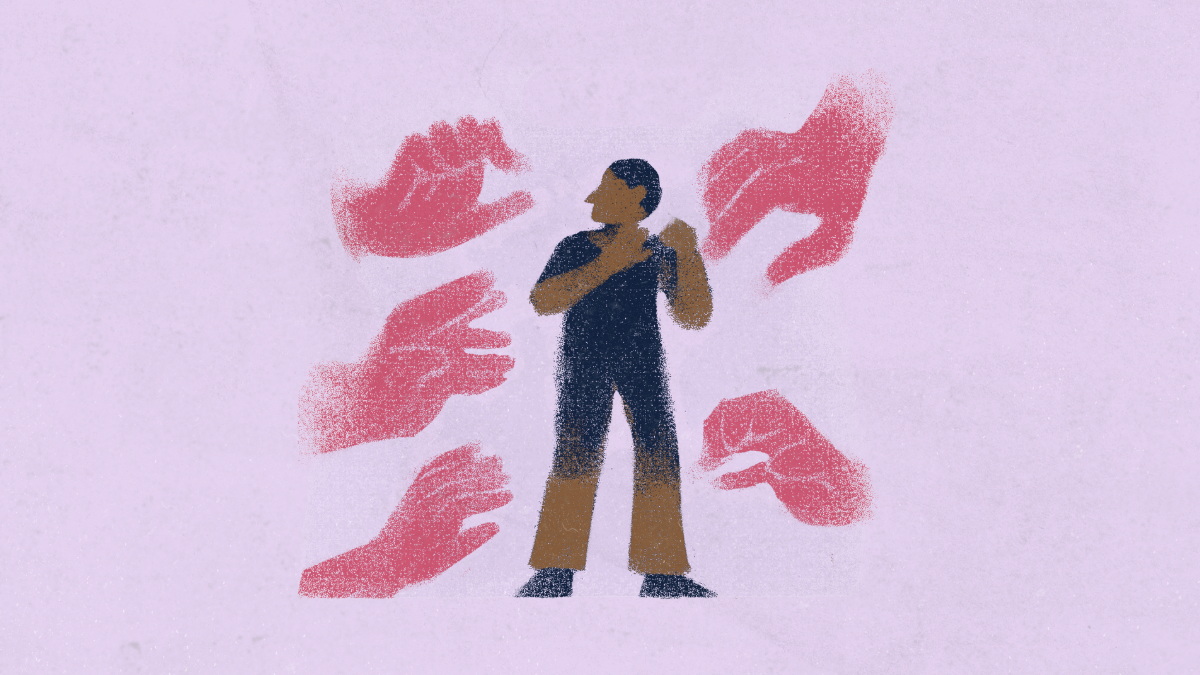
My life behind bars was wholly out of my control. I had absolutely no say in the time I woke up, the times I ate, showered, or slept. Now, outside of prison, I’m under a whole different set of regulations as conditions of my parole. If you’re unfamiliar with the day-to-day realities of parole, the best way to understand parole is to know what it isn’t: Parole is not a get-out-of-jail-free card. While parole does mean I’ve been released from prison, it’s also not exactly freedom. Much of my life feels like an adherence to a strict set of guidelines that dictate everything I can and cannot do.
The idea is that these guidelines will keep a person from “reoffending.” Personally, the parameters of parole are the reason for so many of my anxieties—not because I plan to break any laws, but because they feel like a constant threat to my freedom and safety. I recently had a conversation with one of my many mentors, the philanthropist, writer, and founder of Shakespeare Behind Bars, Curt Tofteland. He commented on the new direction of my column and advised me to tell the deepest truth possible because “personal struggles are where the gold is.” He also suggested that I share more about my errors than my successes, as we all tend to learn more on that side of the scorecard. More importantly, he wanted me to focus on “real life” and take away the illusions of gold streets that welcome the formerly incarcerated. His words resonated with me.
It humbled me that this man—who has taught Shakespeare to incarcerated people since 1995—told me not to forget that life on the street can be as hard as prison. He also reminded me that the people who remain behind bars often think that they are forgotten by those who make it out. I so clearly recall what it felt like a few years ago when one of my closest acquaintances inside walked out the prison gates. I will never forget the people I met behind bars. That’s another unfortunate truth about parole: We can’t correspond with those inside, people who not too long ago were our only support system.
So here I am committing to writing my truths, sharing my highs and lows, and telling it like it is—for those inside and for me. I can’t let myself forget that my words have the potential to reach that mother who misses their child inside, the father who feels he failed his family, the child who only sees their parent on visit day. What started as your common-sense guide to prison has shifted into something entirely different. So let me tell you what life is like on parole.
Let’s start at the beginning: Each of my days is carefully mapped out, and each decision I make starts with an exhausting mental checklist.
I begin each morning checking in with my feelings. Any signs of emotional dysregulation, such as the inability to focus, lack of energy, or zero desire to have a much-needed breakfast, must be addressed and worked out before I head out of the house and into the world. For me, this is both a coping mechanism and a tool that ensures I take the temperature of my mental health. Because as a person on parole, the normal, day-to-day interactions many of us face—an argument with a co-worker, a traffic stop, or a generally bad day—can be the cause of my downfall. Parolees don’t have the luxury of being messy or complicated. An argument can lead the person I disagree with to contact my parole officer and claim I am a threat. All traffic stops, and any interaction with law enforcement, must be reported by me to my parole officer within 24 hours. And a bad day can trigger depression, making it difficult to function as I dwell on all the negativity of my nearly 20 years of incarceration.
These are hard truths, but they are my realities, and they keep me on the straight and narrow.
In the midst of all of this, there are also parole appointments to keep, such as mandated counseling sessions, regular drug testing, and check-ins with my parole officer, which often lead to a lot of anxiety over whether they are having a good or bad day. So far, I have been extremely lucky to have a consistent parole officer who understands the struggles I face. My parole officer also clearly communicates—including what I can and cannot do—and takes the time to listen to my concerns. I have heard horror stories from others on parole. Some have officers who are totally unfeeling, denying them the ability to attend loved one’s funerals. Others have had officers who were inconsiderate of the many complicated reasons why a parolee’s “felon” status has made it impossible to find a job. Perhaps the most dangerous stories I’ve heard are about parole officers with overwhelming caseloads, who use the smallest infractions—a beer can in the yard, tardiness to appointments—to whittle down on the number of parolees they have to see by simply funneling them back into prison. Thankfully, my parole officer sticks to the motto of fair, firm, and consistent. I respect that.
Beyond the legal and scheduled obligations, there’s the very real, invisible weight of the restrictions by which I must live. I am constantly aware of where I can and cannot go, who I’m permitted to interact with, and the curfews I must abide by. These boundaries shape my every decision, from the jobs I apply for to the invitations I accept. The hardest obstacle to overcome isn’t just the rules; it’s the constant awareness that any misstep, no matter how small, could send me back to prison.
When I speak to Curt, I know that my trials and tribulations will be passed along to others in prison, as anecdotes or content for the endless stories he shares with men inside. My stories become his, to be shared with those who so desperately need motivation to keep enduring the realities of mass incarceration. This inspires me to keep going as well.
Whenever parole or life feels hard—when people judge me for my past, or as the price of gas becomes so astronomical that I wonder how I will ever save enough money to build a future—I force myself to recall just how much I’ve grown since my release. I remember how very little I had to call my own, trapped behind those fences. I take a deep breath, close my eyes, and accept that this is my new reality. Freedom, or this version of it, sometimes feels 100 times harder than incarceration, in large part because I know the conditions I will return to if something goes wrong.
Stepping into each day under the weight of these restrictions, I’ve come to realize that the most valuable lessons can be learned in the smallest moments; those that aren’t flashy or dramatic, but that quietly test my resilience. There’s a particular honesty that emerges when I’m faced with choices that others might take for granted: how to spend my limited free time, how to navigate conversations at work without accidentally crossing a line, or how to respond when someone questions my past. It’s in these instances that I see the depth of my journey, not just as someone who has survived incarceration, but as someone who must continually reshape my identity in a world that hesitates to accept me.
Connection is both a lifeline and a hurdle. While my bond with mentors such as Curt offers clarity and encouragement, there’s a real loneliness that comes from missing the men I cannot rely on because they remain behind the walls. I carry their stories, their faces, and their hopes with me. The responsibility to share my truth is not just for myself, but for all those whose stories you will likely never hear. Every word of this column is a bridge between the worlds of incarceration and freedom, and between those who have never known prison and those who are trying to find their way back into society.
My daily life is a balancing act. I navigate the expectations of parole, the uncertainty of how others see me, and my own desire for a future that feels stable and meaningful. There are moments when fear takes hold: What if I make a mistake? What if I’m judged? What if my past proves to be a constant shadow over my progress and my future? But there’s also hope. I hope that my honesty will help shift perceptions about “felons” and mass incarceration. I hope that sharing my struggles will inspire others to keep moving forward. And personally, I hope that with every small victory, I inch closer to a life that’s defined by my growth instead of my mistakes.
If I could offer advice to anyone facing reentry, it would be this: Embrace your truth, even when it’s messy or painful. Surround yourself with people who listen, who challenge you to be better, and who remind you that progress is possible, even when it feels out of reach. Recognize that the struggle is real—often unimaginably so—and it’s OK and normal to feel overwhelmed. Above all, remember that your story is valuable—for you and for everyone who needs to know that transformation, while slow and imperfect, is possible.
The Right to Write (R2W) project is an editorial initiative where Prism works with incarcerated writers to share their reporting and perspectives across our verticals and coverage areas. Learn more about R2W and how to pitch here.
Editorial Team:
Tina Vasquez, Lead Editor
Lara Witt, Top Editor
Rashmee Kumar, Copy Editor