Filed Under:
One bite at a time: My home, my sanctuary, my responsibility
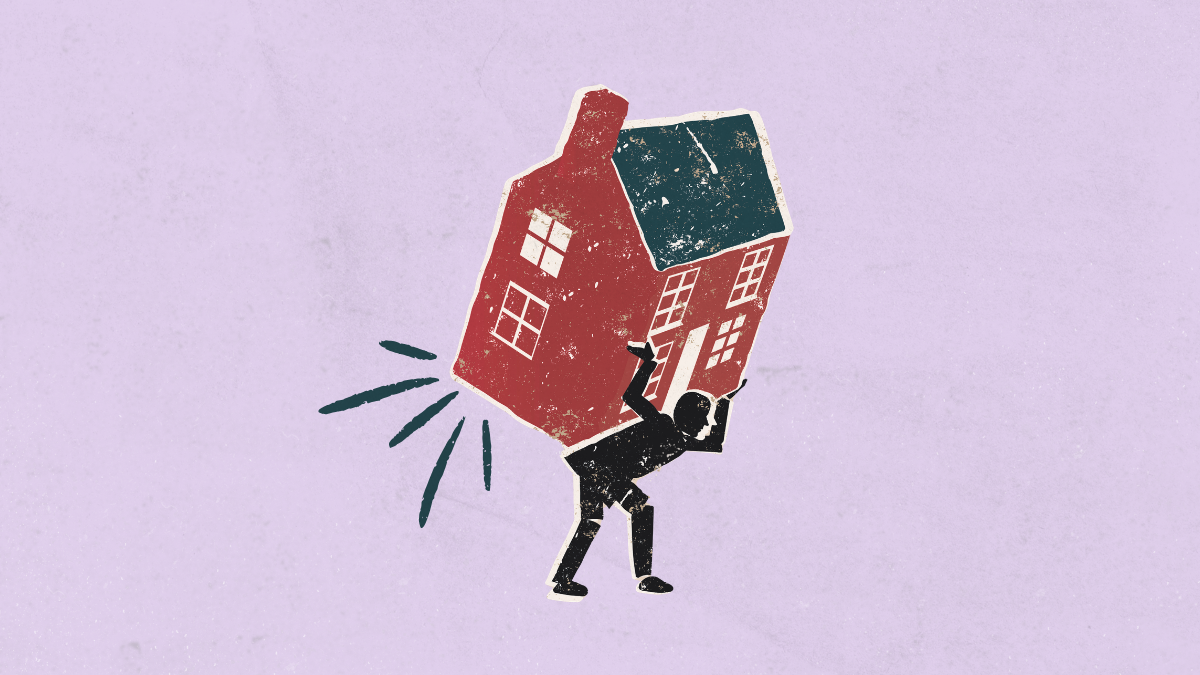
When I achieved my dream of becoming a homeowner, I expected to feel joy. Instead, fear crept in
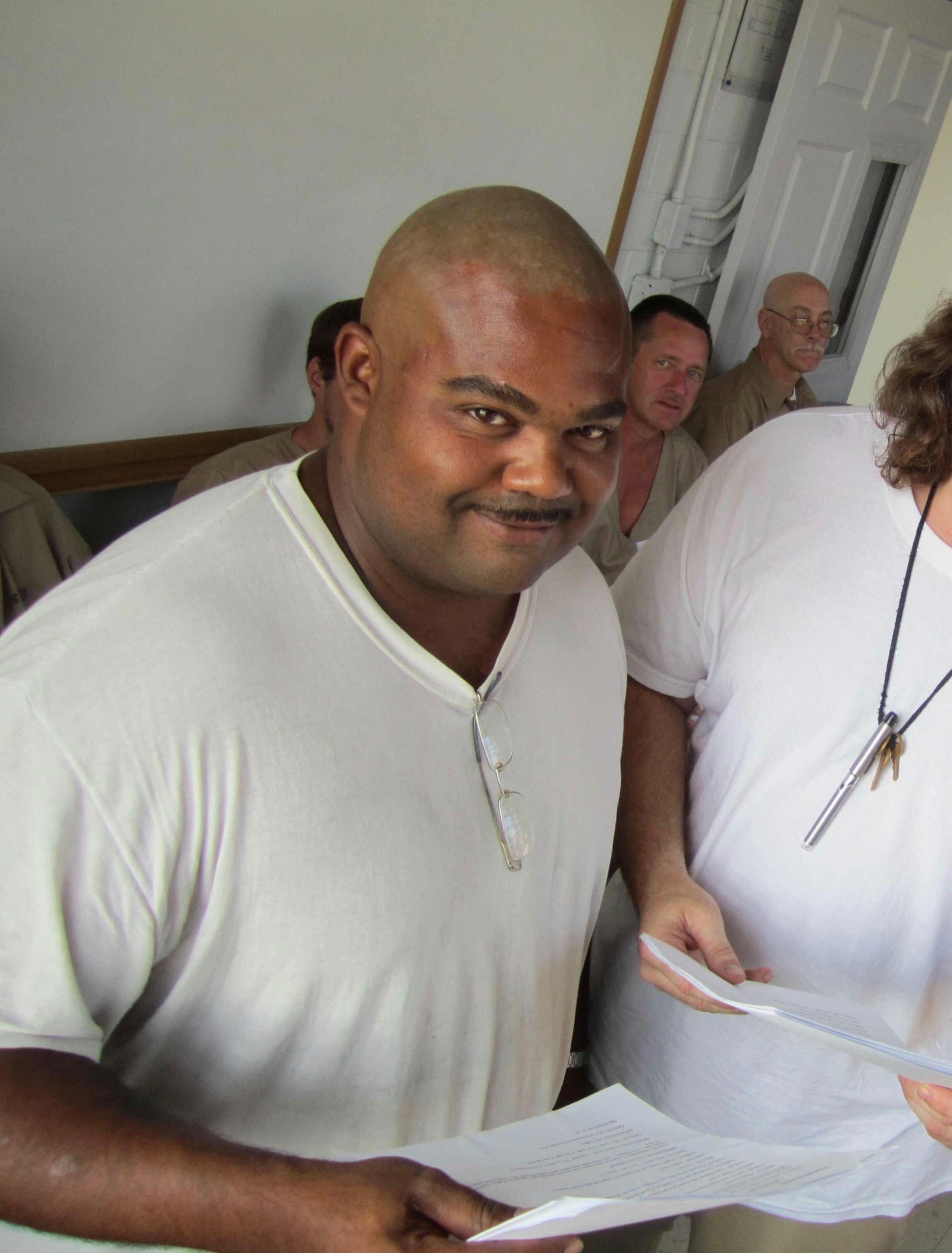
Derek R. Trumbo, Sr.
Real journalists wrote and edited this (not AI). Independent, community-driven journalism survives because you back it. Donate to sustain Prism’s mission and the humans behind it.
Real journalists wrote and edited this (not AI)—independent, community-driven journalism survives because you back it. Donate to sustain Prism’s mission and the humans behind it.
Dear Reader,
In a previous column, I detailed my sudden, all-consuming desire to become a homeowner. In my life before prison, never once did I imagine that I could own a home. Once out of prison, I wanted it more than anything, though it seemed like a long shot. The obstacles and hurdles of homeownership are many; when you add my felony record, limited employment history, and the stigma that has followed me after I paid my debt, it seemed downright impossible.
Well, I have some news: I’m now officially a homeowner in the state of Kentucky, where I was born and raised and where I spent almost 20 years of my life locked up. My fiancée and I closed on our home on May 8.
There were moments in the process when I wondered whether I was foolish to believe that owning a home was even possible for me. Every form I filled out, every question about missing details, every background check that revealed what I had already disclosed, every financial question—they all seemed to carry an extra layer of judgment. It was not just about proving that I could afford a mortgage; my bank records and employment proved that. It felt like I was being asked to prove, over and over again, that I was worthy of stability.
What surprised me the most was that reaching this major life milestone did not bring me joy. I was grateful to have been blessed with a support system that encouraged me to want something more for myself. I was blessed to have been given employment and opportunities to prove myself. I know many people returning to society would balk at my achievements after so many years of being suppressed and oppressed.
Yes, I felt grateful. Yes, I felt proud. But I also felt fear.
I know how quickly life can change. If my incarceration has taught me anything, it is just how precarious life can be. I know what it means to live with uncertainty, and because of that, it was hard to fully relax into the happiness of the achievement.
I found myself second guessing nearly everything, including my desire to purchase a home. Owning a home does not erase the years of instability that came before. I have been homeless, jobless, and destitute. I’ve eaten from trash cans, panhandled, and worried about surviving far too many cold, sleepless nights. If anything, closing on my home made me more aware of how much I had to lose. I found myself thinking not only about the keys in my hand, but about the responsibility attached to them: the bills, the upkeep, the long-term commitment, and the pressure to protect something I never imagined I would have.
What if something went wrong?
In the days after closing on our house, the gravity of the situation would randomly strike me, spiking my anxiety.
Until now, all I’d ever known were rentals, evictions, and uncertainty. My previous “homes,” if you could call them that, had dirty white walls scarred from fists and botched patch attempts, stale carpets soiled with pet stains, and broken appliances and musty refrigerators. It did not feel real that these would be things of the past.
Carrying boxes through the front door of my new home felt surreal. Standing in a quiet room that belonged to me and that wasn’t a cell, staring out the windows and seeing freedom, brought tears to my eyes. I was actually living a dream held by so many people across the country. I looked at the tan walls and realized I did not have to ask permission to paint or decorate them.
But grief also washed over me.
I thought of everyone I had lost during my incarceration—my mother, my father—and how they would never step foot in my house. They would never see my growth.
I was not just adjusting to a new address. I was adjusting to the idea that I could finally settle into a place and allow myself to stay.
I was raised in a one-bedroom house, and I can still remember watching my siblings battle over a single bed. I often settled for sleeping on the floor or on my parents’ old, sagging floral couch. Now I have two bedrooms and options. For someone who has spent nearly half of their life moving through spaces controlled by other people, this level of freedom can feel disorienting. I was not just adjusting to a new address. I was adjusting to the idea that I could finally settle into a place and allow myself to stay.
The adjustment has not been easy. Stability feels unfamiliar when you have been shaped by instability for so long. A large part of me still waits for something to go wrong, still braces for the kind of setback that can pull everything out from under you.
My therapist says I am still relying on the voices in my head that once protected me in precarious circumstances. Like many people deprived of safety and stability, I have had to learn that safety isn’t just about locks on doors or a roof overhead. It is also about allowing our minds and bodies to believe that we are no longer living in chaos and enduring constant emergencies.
Some days, that belief comes easily. Other days, it does not. But even on the hardest days, this house gives me something I did not always have: a place to return to, regroup in, and call my own.
While I’ve only been a homeowner for a few weeks, I can report that homeownership is changing the way I think about responsibility. In prison, every space carries a risk or threat because anyone can impose their will on the area, and bad things happen when angry men are crammed into close quarters.
Now, I control who comes and goes in my home. I am responsible for my sanctuary, and I can finally rest knowing that I am safe. Responsibility has a larger meaning now—not in the punishing way that so many system-involved people are taught to understand responsibility, but in a more human and grounding way. I mow the yard. I think about the repairs that still need to be done. I know I will soon have to rebuild the outer walls of my old, detached garage. There are weeds to pull and a fence to build. I anticipate the needs of my home and notice what requires immediate attention and care before it gets worse.
To you, this random list of chores—pulling weeds, building walls—might signify the drudgery of daily life. To me, these tasks carry meaning. They are daily reminders that I am capable of stewardship, consistency, and building a life that is not constantly in survival mode. The work of keeping a home is never really finished, but neither is the work of rebuilding yourself. The way I see it is, working on my home will be an extension of working on myself.
I know that stories like mine matter because they push back against the lie that people cannot change, cannot grow, and that they do not deserve anything but punishment.
I do not want to romanticize how hard it has been to get here. I know that many people who have survived incarceration may never have the same opportunity. So, I also see it as my responsibility to speak nothing but the truth. The barriers are real, and the odds are cruel. But I also know that stories like mine matter because they push back against the lie that people cannot change, cannot grow, and that they do not deserve anything but punishment. This house is not a reward for perfection. It is evidence of persistence. It is proof that dignity can be reclaimed in tangible ways.
It makes me deeply emotional to be trusted in a country and culture that tells formerly incarcerated people to only expect closed doors. A mortgage is a financial agreement, yes, but to me it is also a binding declaration that someone believed I could build, maintain, and sustain a future. I find this staggering. I have lived in places where I was treated as a risk before I even opened my mouth. I have stood in lines where my history arrived before my character did.
So, to sit at a table and sign my name again and again—not on disciplinary reports or conditions of confinement—but on documents tied to home ownership? It was almost too much to absorb. It felt like a reversal of an old script. For years, systems recorded what could be taken from me. That day, the paperwork reflected what I was finally being allowed to hold.
What makes this time in my life even more meaningful is that it was not created by a singular miracle or one lucky break. It was built the same way I have tried to rebuild my life: in increments. One honest conversation. One workday. One bill paid on time. One appointment kept. The daily decision not to give up when shame, fear, and exhaustion told me quitting would be easier. My new column name, “One Bite at a Time,” has never felt more apt. From the outside, a house can look like a giant achievement. From the inside, it is the result of countless acts of discipline and hope. People often view transformation by only noticing the headline. They do not see the quiet repetition underneath it, the daily choices that ultimately make change possible. I think about this now every time I walk across my floor.
This home was not built in a day, and neither was the man standing inside of it.
I sometimes still find myself shocked by the small freedoms of having your own home, especially after incarceration. I can leave a glass on the counter and find it there when I come back. I can sit in the silence of my home without interpreting every sound outside as a warning. I can decide when to turn off the lights, when to lock the door, when to invite someone in, and when to be alone. After incarceration, these small acts are sacred. Prison trained me to live reactively: to noise, to authority, to surveillance, to the moods and decisions of others. A home offers the possibility of living with intention. A home gives me room to choose, and in that room, I am relearning how to be fully human.
Having a home has also urged me to think about what I pass on. For most of my life, the instability I lived in felt inherited. Poverty, chaos, and confinement all have a way of presenting themselves as destiny, as if hurt is the only legacy some of us are meant to leave behind. Homeownership disrupts that narrative. It allows me to imagine a different inheritance—not only generational wealth, but also stability, safety, and memories I can pass on. I can now offer a table where family can gather. A room where no one will be afraid to sleep. An address connected not to crisis, but to care. Even if I am the first in my line to do this, I pray I will not be the last. Every repaired wall, every meal shared, every peaceful night under this roof feels like breaking a cycle.
I do not mean to imply that homeownership heals every wound. Walls do not erase trauma, and a deed does not silence the doubts cast by years of hardship. What a home does offer is something I once thought was only reserved for others: a foundation. A place where healing has room. A place where rest does not have to be earned, and where peace is carefully cultivated. For me, this is the most radical part of my homeownership journey—not simply that I bought a house, but that I now believe I am deserving of sanctuary.
We are all deserving of sanctuary. I can’t help but think of people coming home from prison or those leaving shelters or treatment centers, places where hope can feel very distant. Too many people leaving these situations are told, directly or subtly, that they will always be defined by their mistakes and by how society chooses to view them. Homeownership is not every person’s dream. But what it has taught me is that all formerly incarcerated people need a chance to build a life that is not permanently tied to punishment. We need room to imagine ourselves beyond survival. All of us—you, me, and everyone else—need the opportunity to build a future that is not dependent on our past.
When I turn the key in my door and hear the familiar click, I also hear the distance between who I was told I would always be and who I have fought to become. I can’t help but remember that for nearly 20 years, I heard the echo of steel doors closing behind me. Now there is a different sound answering back—it is a door opening, and it’s a door that belongs to me. I survived homelessness, hunger, prison, stigma, and the long shadow of shame. I am now stepping into a life I once could not even imagine.
This home will need repairs, and so will I. Moving forward, there will be seasons of ease and seasons of strain, unexpected costs and unexpected grace. But I know now that my story did not end at incarceration.
The Right to Write (R2W) project is an editorial initiative where Prism works with incarcerated writers to share their reporting and perspectives across our verticals and coverage areas. Learn more about R2W and how to pitch here.
Editorial Team:
Tina Vasquez, Lead Editor
Lara Witt, Top Editor
Rashmee Kumar, Copy Editor