Filed Under:
As colleges defund campus newspapers, student journalists fight back
At least 20 U.S. colleges have significantly cut funding to student media, according to a Prism analysis. Now, students are taking strategic business risks to sustain newsrooms
Ananya Chetia
Real journalists wrote and edited this (not AI). Independent, community-driven journalism survives because you back it. Donate to sustain Prism’s mission and the humans behind it.
Real journalists wrote and edited this (not AI)—independent, community-driven journalism survives because you back it. Donate to sustain Prism’s mission and the humans behind it.
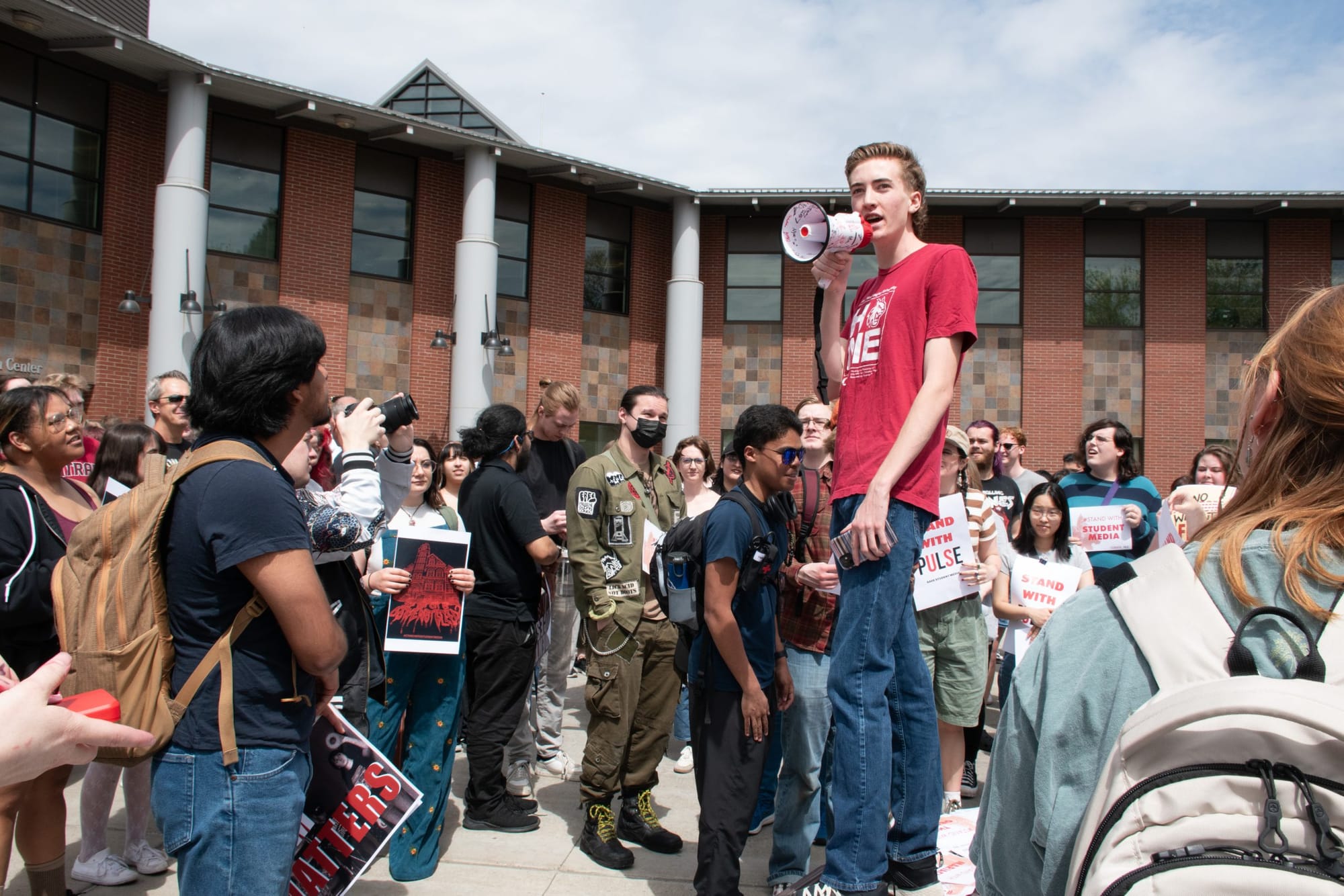
When the Services and Activities Committee (S&A) at Central Washington University (CWU) proposed to allocate just $1,100 to the student newspaper’s budget last spring, the student editors organized a protest. The Observer had originally requested between $36,000 and $56,000 in funding.
“We really need to do something. We need to kick it into high gear,” senior Brandon Mattesich, editor-in-chief of The Observer, remembered telling his colleagues. Leadership at the student paper had talked about protesting before, but considered it a “worst-case scenario situation,” Mattesich said. Now, it was time.
Over 300 students showed up to one of the largest organized protests in campus history, according to Mattesich.
CWU wrote in a statement to Prism that it was financially struggling “in recent years” after lower enrollment numbers. The university requested that the S&A reduce its budget for student organizations by more than 20%.
This led to over 90% in proposed funding cuts for The Observer and the campus’s magazine PULSE. CWU said it is actively working to identify other funding sources for student media.
The S&A’s meeting minutes from March 17, 2025, stated that because The Observer’s leadership team was required to take a specific class, which means the publication has academic ties, it violated the school’s “Killian Guidelines” and could not receive its proposed funding.
“Previous committees were able to fund more broadly in times of greater financial stability; however, in today’s tighter budget climate, the committee needed to examine those guidelines more closely for the current S&A budget,” a CWU spokesperson wrote in an email to Prism.
Mattesich felt the guidelines were “applied pretty arbitrarily to a bunch of programs to justify these massive cuts.” He does not believe the cuts happened because of The Observer’s coverage.
At least 20 four-year colleges and student governments have gutted college newspaper funding in the last five years, the latest in a trend of funding cuts to campus media, according to data compiled by Prism. In response, scrappy student journalists are taking strategic business risks to sustain their papers. From organizing protests and campaigns to recover funding, to launching an independent nonprofit newsroom, student journalists are fighting to save college journalism.
If newsrooms can show that budget cuts happened because of the content they produced, that can be a violation against the First Amendment, said Mike Hiestand, senior legal counsel at the Student Press Law Center.
But if budget cuts happen because of lower readership or, for instance, a 10% cut to all student organizations, then student journalists “really can’t argue that they shouldn’t be impacted by that,” Hiestand said.
“I think there’s some opportunism taking place,” he added. “It’s going to be much easier to run these schools without a student newspaper.”
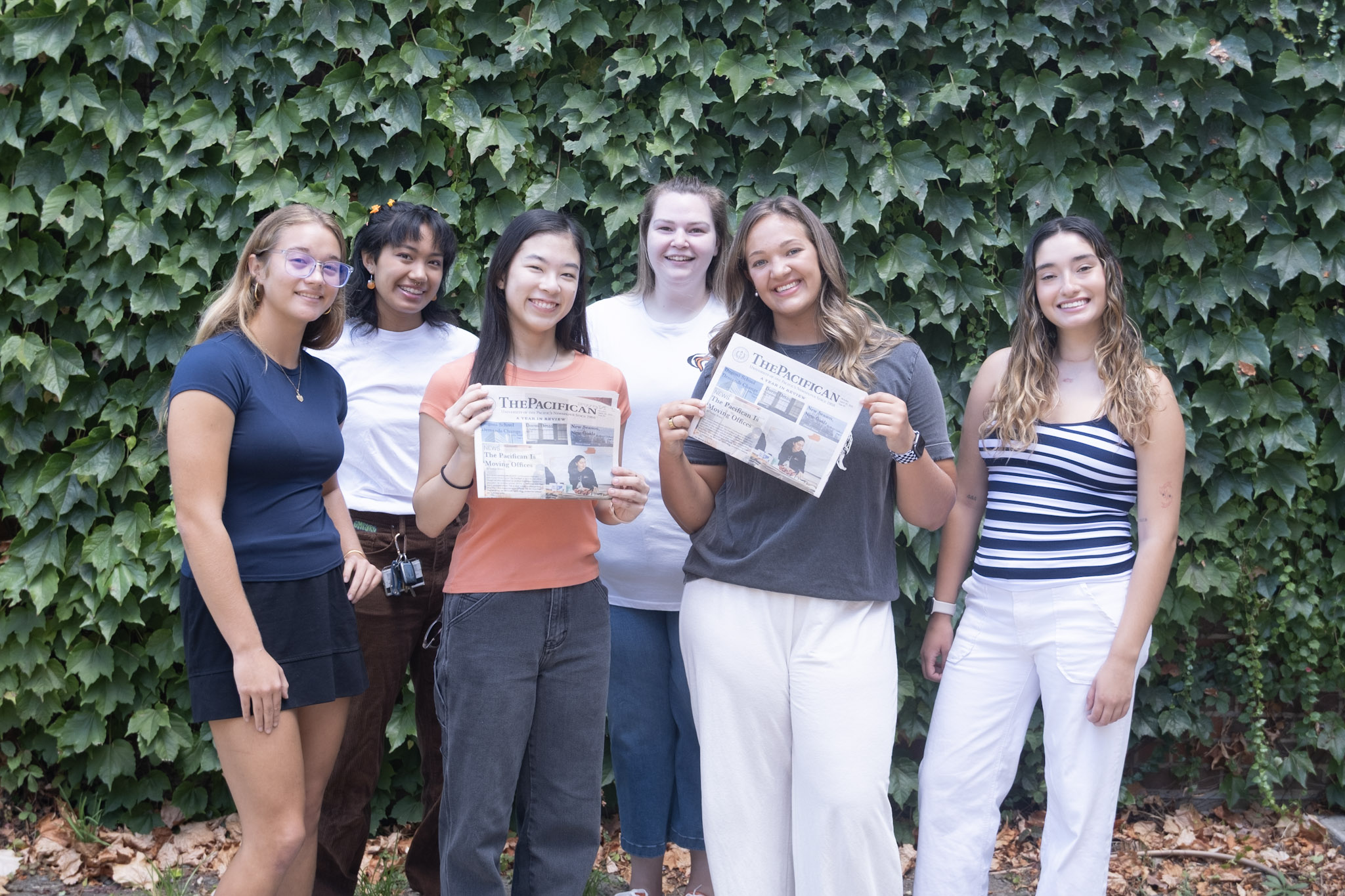
Universities have cited various reasons for budget cuts, according to the papers Prism interviewed. For example, at the University of the Pacific in California, the student newspaper received an annual award of $23,243 in 2023, but funding plummeted to $600 in the fall 2024 semester after the student government classified the newsroom as a student organization, wrote Mario Gutierrez, former business manager to The Pacifican.
The university said that the decisions related to funding cuts were not made by the institution, but by the student government. Prism emailed the university’s student government twice in September, but never received a response on why the paper faced cuts.
A decline in funding and readership
Student media nationwide are seeing a decline in average annual revenues, particularly in advertising, over the past two decades, according to a study from the Penn State Daily Collegian Alumni Interest Group. The study was done after Pennsylvania State University’s paper, The Collegian, saw a 100% funding cut from the university’s general fund by the 2024-2025 fiscal year.
After analyzing 33 nonprofit student newspapers, the study also noted how social media and smartphones are impacting readership. Only 8% of students read at least one of the five print editions of their student papers, while 18% read one out of the five digital editions in 2022, according to a biannual survey by Student Monitor LLC.
Even donations to student media have fallen from $5.2 million to $3.7 million, the study showed, after it aggregated annual contributions from the 33 student newspapers from the 2020-2021 school year to the 2021-2022 school year.
Editors and business managers for student newspapers shared common challenges after funding losses with Prism, such as cuts to editors’ salaries, having to personally finance cameras, or producing fewer stories.
The redirection
Student newspapers, especially those relying solely on university or student government funding, are modifying how to operate newsrooms. For The Observer at CWU, that means publishing ads that cater to college students, such as tutoring services at the university.
The study from Penn State Daily Collegian Alumni Interest Group also proposed publishing personalized advertisements for college students so that they don’t compete with Facebook or Google, two competitive platforms hungry for advertisements.
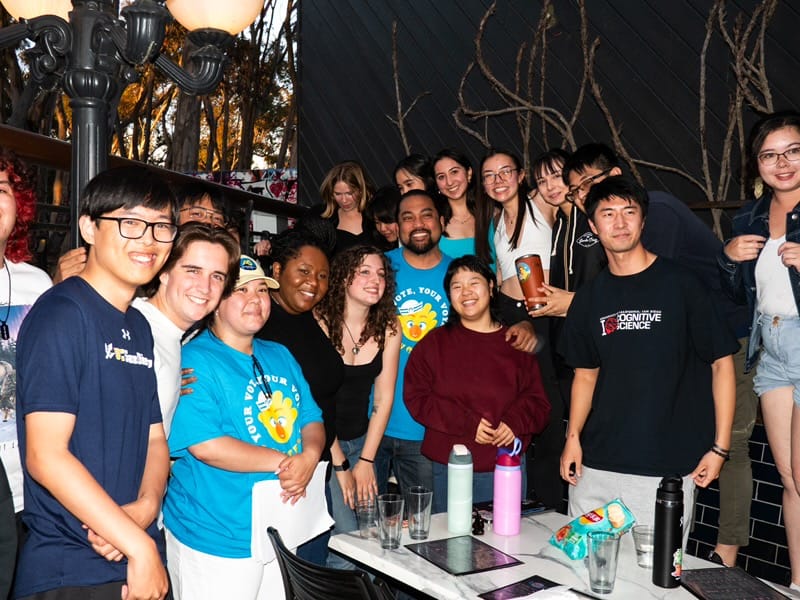
Other newsrooms are reaching out to their audience for support. After The Guardian at the University of California San Diego was warned that it was in a cumulative deficit of over $200,000 in July 2024, the newsroom proposed a referendum to take a quarterly student fee of $3.50 per student from tuition fees. Even before the proposal could be put on a ballot, it had to pass through multiple entities, including undergraduate and graduate student governments, along with getting the college chancellor’s signoff.
The proposal then required at least a 20% voter turnout in order to be approved, which Adalia Lou, the paper’s editor-in-chief, said took an “extremely intense campaign” to achieve.
When the referendum passed, The Guardian had enough to pay editors, purchase equipment, and remain sustainable. The university’s spokesperson said the paper has a net operating budget of $295,000 for the 2025-2026 school year.
“Having money has been amazing. We just went up to 16 pages in our print,” Lou said. “Everybody has been supported.”
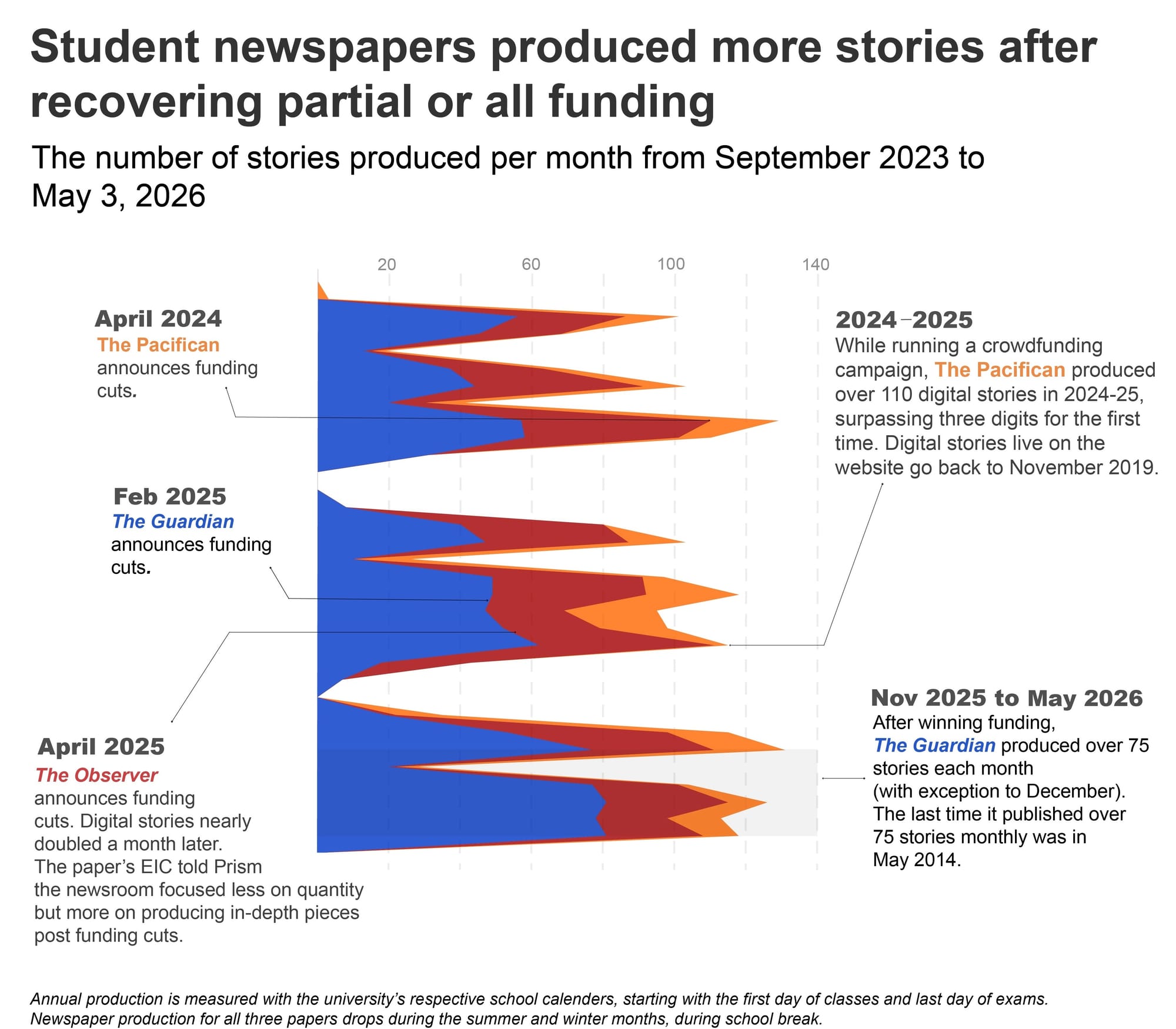
A Prism analysis found that The Guardian produced over 75 stories each month from last November to April (with the exception of December, when students were on winter break). The last time the paper produced more than 75 stories monthly was in May 2014.
Is university funding reliable?
Bob Buday, a former student reporter and lead researcher from the Penn State study, is skeptical of how reliable university funding is for student papers, especially when student journalists are meant to hold universities accountable for wrongdoing.
“We’re going to fund a [student newspaper] that makes the college a less attractive place to go,” Buday said, sarcastically. “I think a lot of universities would say, ‘I don’t think so.’”
Roughly 56% of student papers receive university funding, according to a 2024 study from the University of Florida’s Brechner Freedom of Information Project that identified funding structures for 362 newsrooms.
After the student government significantly cut funding for The Pacifican, the paper led a successful crowdfunding campaign that raised over $8,000 in spring 2024, along with over $7,000 in donations in the spring 2025 semester and over $5,800 this spring. Personalized videos on why the paper needed donations helped, but co-editor-in-chief Amaya Leiby realized that trying to raise money through donations every year was not the best strategy.
“People are just less inclined [to donate],” she told Prism.
Buday’s co-researcher, William Guthlein, suggested that newspaper revenue can be “diversified” and include a mix of donations, advertisements, or even services that help students. One example the researchers cited was Duke University’s student paper, The Duke Chronicle, which operates a housing website for college students.
Embracing the nonprofit model
Student journalist and senior Andrew Frazier was concerned about censorship after the University of Central Oklahoma (UCO) decided to stop printing services for The Vista by fall 2025, despite having enough funding from an endowment dedicated to the paper.
The university’s website states that the decision to end print was a “thoughtful process” including perspectives of those “beyond the university.”
“Ultimately, it came down to a clear choice: whether to prepare our students for the future of journalism or continue devoting limited resources—both actual printing costs and the opportunity costs of time, staff, and focus—to a medium whose influence is largely in the past,” the university wrote.
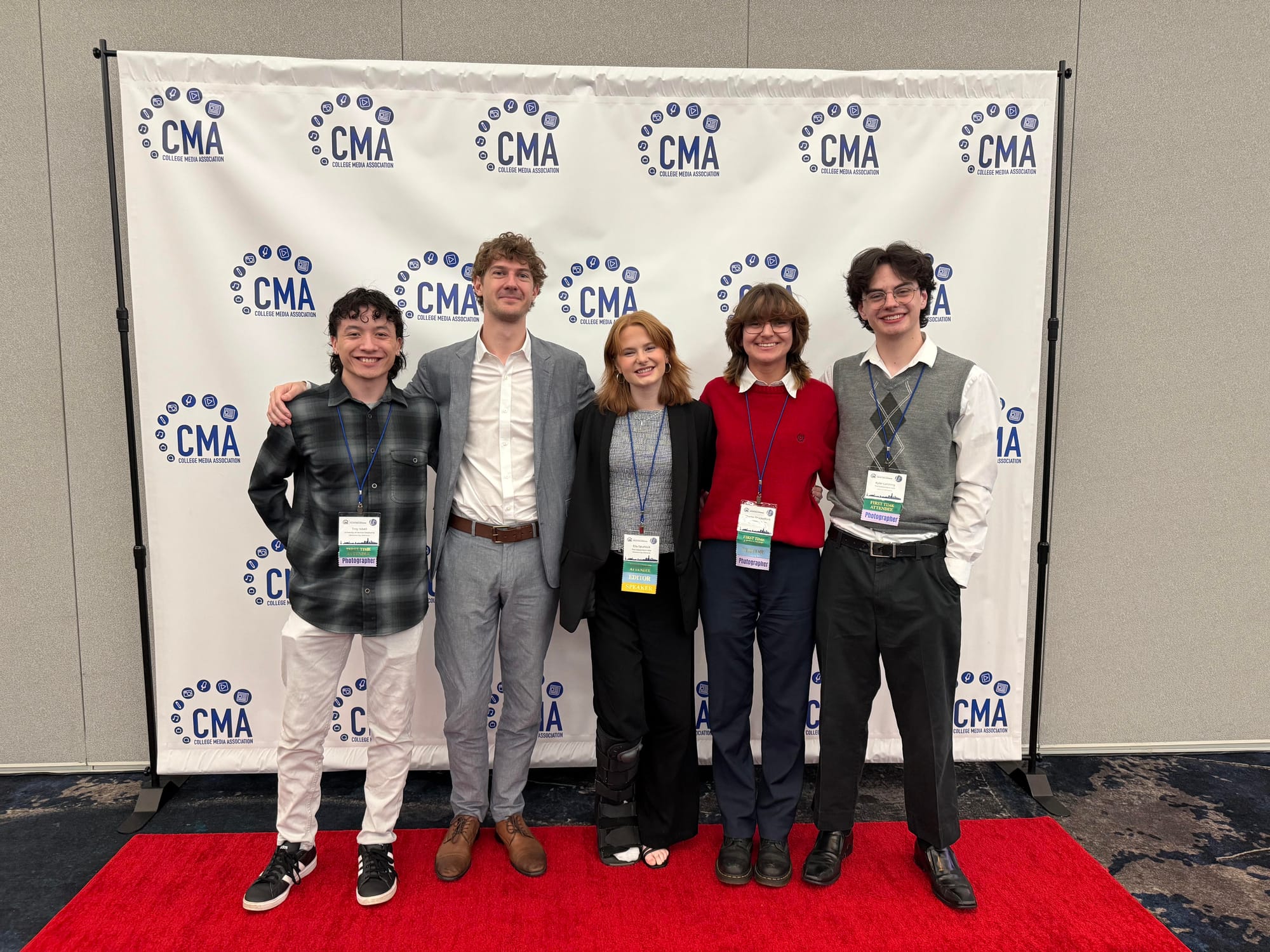
Instead of accepting the loss of print, Frazier and his colleagues built a newsroom called The Independent View last fall. The newsroom exists alongside The Vista, but it’s a young nonprofit surviving without a penny from the university.
“We’re fully independent, and we’re run just by students who attend the university,” Frazier said.
Funding for The Independent View comes from alumni passionate for student media, Frazier said, an approach that the study from Penn State’s alumni also recommended as an alternative to university funding. Donors and alumni, especially former student journalists, could be a helpful revenue source for student papers, Buday, the researcher, said.
As for The Vista, the 123-year-old newsroom continues to publish under a student media network domain and runs editorially independent of the university, UCO’s spokesperson told Prism.
Frazier, who said he was once recommended by student journalists for the sports editor role at The Vista, never expected to be running a new paper as editor-in-chief. He now sees it as an opportunity.
“We want to kind of create a space where all different types of journalism are being produced on campus,” he said.
Editorial Team:
Sahar Fatima, Lead Editor
Lara Witt, Top Editor
Stephanie Harris, Copy Editor