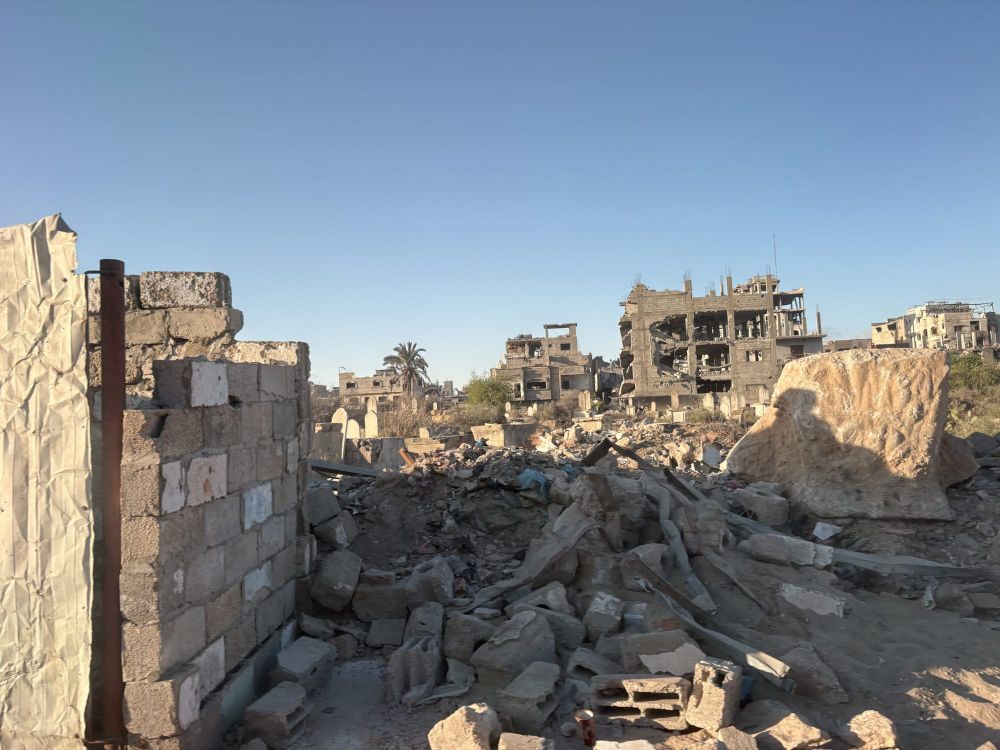
In Gaza, children eat frozen antibiotic syrups for the lie of something sweet
Though the new antibiotic “ice cream” is dangerous, few adults can deny children this small indulgence that makes life during a genocide feel worth living

In the heat of a July afternoon in Gaza, the kind that sticks to your skin like smoke, a boy stood in line for what looked like ice cream. His shirt was soaked in sweat, his face speckled with dust, and his lips were dry. When it was finally his turn, he whispered, almost reverently: “I want the strawberry one. Not grape again. Grape tastes like the hospital.”
Behind the counter, a man in his forties with tired eyes and a patched shirt, reached into a small solar-powered freezer. He pulled out a misshapen lump, barely cold, wrapped in torn plastic. He handed it to the boy like it was a treasure.
“Five shekels,” the man said.
The boy took a bite, then looked at me, eyes half-shut. “It tastes like sickness,” he said. “But if I close my eyes, I can pretend it’s mango.”
His name was Yousuf. I never asked how old he was. In Gaza, childhood is no longer measured in years. During this brutal genocide, it’s measured in ceasefires.
At the time, I didn’t know what Yousuf was eating. It looked like a popsicle.
It wasn’t.
There is no milk in Gaza. Virtually no sugar. No refrigeration, unless you are one of the lucky few who own solar panels. I later learned that Yousuf’s treat—if you can call it that—was a frozen liquid antibiotics. These expired syrups, meant for treating children’s infections, come in flavors of strawberry, lemon, grape, orange, and cherry.
Medicine, frozen and sold as dessert. Because there is nothing else.
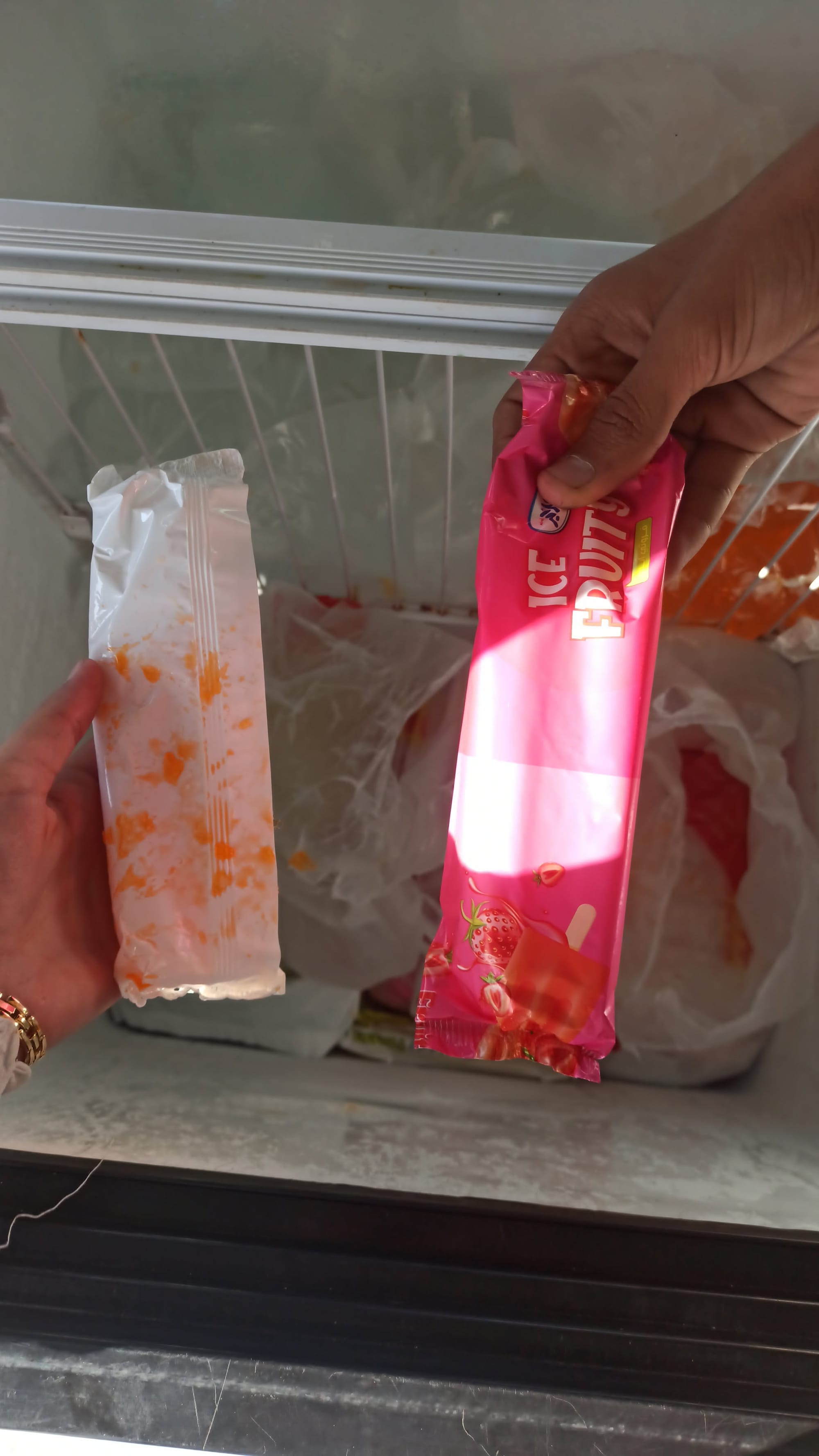
The man behind the counter didn’t call it ice cream. He called it “flavored cold,” a euphemism, like how we call rubble “reconstruction material” and pretend that starvation is “temporary shortages.” Language here has become a game of pretend, where the rules change depending on who’s listening. But the children know. They always know. When Yousuf licked his antibiotic popsicle, he didn’t ask why it tasted wrong. He only hoped tomorrow’s would taste better.
I mentioned Yousuf to my mother offhand, almost jokingly. She turned to me sharply.
“They’re eating what?”
“Someone’s freezing kids’ antibiotics,” I explained, “and selling them like ice cream.”
My mother, a pharmacist before health institutions were flattened and medicine shelves were turned to powder, didn’t laugh.
She was silent, then said quietly: “That’s not survival. That’s a slow death. A child takes two licks and walks away. That’s how bacteria learns. That’s how infections win.”
She’s right. According to Mayo Clinic, the overuse of antibiotics promotes antibiotic resistance, “one of the world’s most urgent health problems.”
Doctors warn that taking antibiotics outside of a prescribed treatment schedule doesn’t just make them useless—it makes them dangerous. When the body receives small, scattered doses of antibiotics—like what happens when children consume medication in frozen treats—it’s not enough medicine to kill any existing harmful bacteria. Instead, it gives bacteria a chance to learn, adapt, and fight back. So instead of being supported, the immune system is left confused. A stomach ache today might turn into liver damage tomorrow. A cough that once needed a simple antibiotic could grow into a lung infection that no drug can heal. Infections like pneumonia, typhoid, or skin diseases become harder to treat when the bacteria behind them learn to survive.
The children enjoying their antibiotic “ice cream” might one day develop an infection that a small dose of medicine could have fixed. Instead they will need a miracle no pharmacy in Gaza can provide.
In a place like Gaza, where Israel has bombed hospitals into oblivion and pharmacies are bare, recovery feels impossible. The children enjoying their antibiotic “ice cream” might one day develop an infection that a small dose of medicine could have fixed. Instead they will need a miracle no pharmacy in Gaza can provide.
I didn’t tell my mother about the way Yousuf smiled when he ate the frozen syrup, or how he closed his eyes like he was somewhere else. She wouldn’t understand. Or maybe she would. Like all of us, she has watched children suffer the most during the genocide. When nothing safe is left and a child still craves something sweet, you do whatever you can to ease their burden.
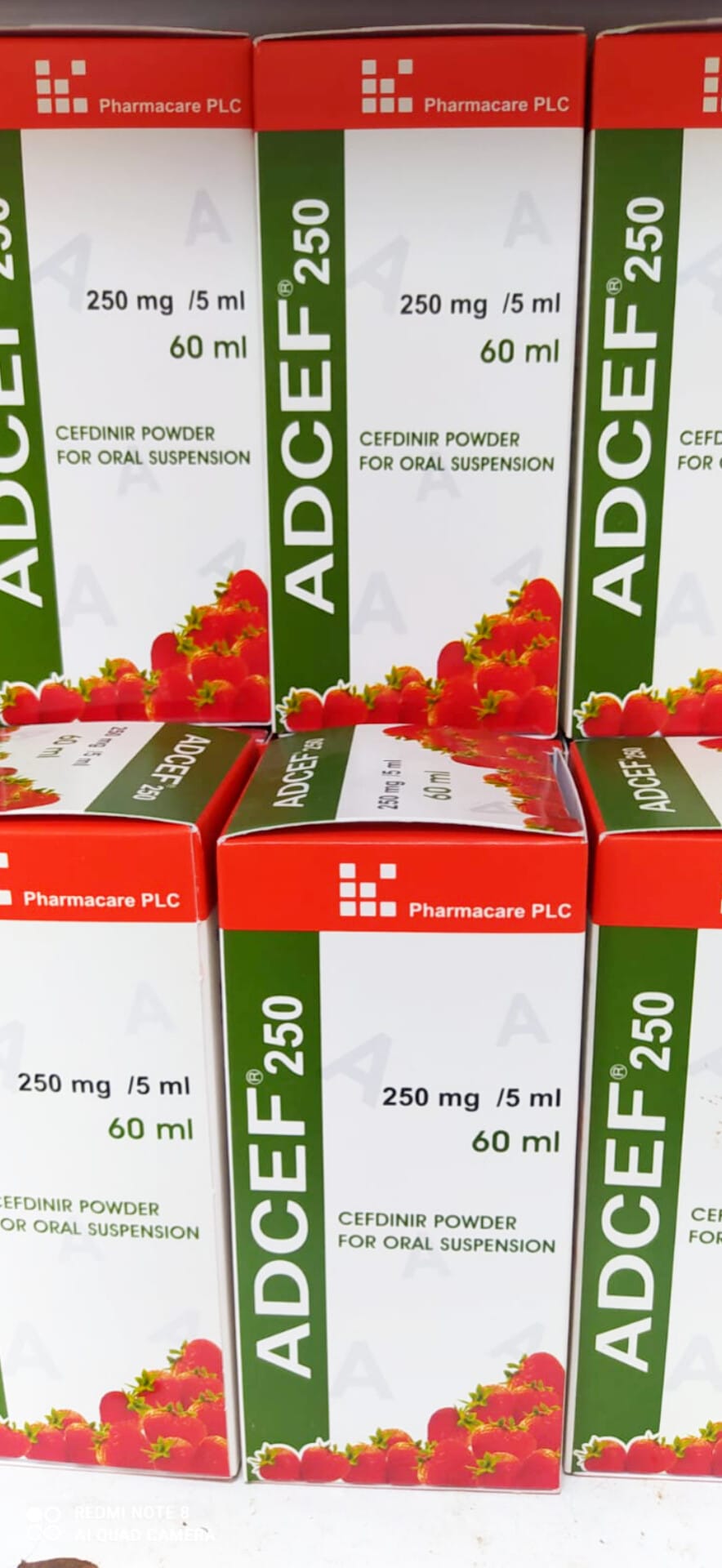
In another Gaza, those same syrups sat behind locked glass at pharmacies like my mother’s and were used sparingly, carefully, with a prescription and a spoon. Now, I’ve heard rumors they are smuggled in and traded at exorbitant prices. They are also frozen into sticky lumps by a man with a broken freezer and a dream of normalcy. Meanwhile, humanitarian aid rots at the Rafah crossing between Egypt and Gaza. The Israeli army barely allows what’s left of the medicine to pass after months of waiting, let alone food needed for basic survival. None of it enters. Nothing reaches us.
The man who sells the antibiotic “ice cream” told me it wasn’t just about profit.
“I also didn’t want the kids to forget,” he said, eyes on the street. “What ice cream tasted like. What happiness felt like.”
I thought about the popular ice cream shops once housed in Gaza City: Kazem, Glace, and Mazaj. Sweet places with neon signs that flickered like a heartbeat, until they were hit during the first weeks of the war. The freezers melted into twisted metal, the flavors pooling onto the streets like rainbow blood. Now, children pass the rubble and don’t even stop. They don’t remember what it was.
The man’s words haunted me. Because children here aren’t forgetting; they are re-learning. The artificial flavors of grape, lemon, strawberry, and orange—flavors that once signified illness—are now repackaged as a rare indulgence. Mint, however, is still a hard sell; it mocks children with memories of mornings when toothpaste was the worst taste they knew.
The truth is, antibiotic pops aren’t the only ghastly culinary invention made out of survival during the genocide.
One boy I met ate tahini mixed with sucralose, an artificial sweetener and harmful alternative to sugar. He told me that it “tasted like white chocolate.” A little girl collected dried chickpeas and made her mother roast them—for Eid nuts, she said. A father ground animal feed and lentils into flour and baked it into gray, hard cakes for his family.
Behind these stories is a harsh reality: Gaza is experiencing a full-blown famine, and widespread hunger and severe malnutrition are devastating families across the region.
It’s frightening to think of how familiar these horrific conditions have become. But we’re not just running out of food; we’re running out of memories.
Gaza is being starved of our recipes, our rituals, the way a woman’s hands once shaped dough into something sacred.
Before the war, at night during Ramadan, my grandmother made qatayef, a pancake stuffed with clotted cream and soaked in sugar syrup, the kind that drips between your fingers. She died last winter—not from bombs, but from breast cancer that couldn’t be cured. Now, when I dream of her, I can’t hear her voice. I just hear the sound of a spoon scraping the last bit of sweetness from an empty jar. Israel isn’t only starving Gaza of food. Gaza is being starved of our recipes, our rituals, the way a woman’s hands once shaped dough into something sacred.
Now, sugar is a rumor. Milk is a myth. Real fruit is only something you can dream about. When a child bites into medicine and calls it ice cream, it’s not just due to hunger. It’s a grief too old to be soothed.
I have started to notice how many things are being pretended into existence. Antibiotic syrups are now sweets. Detergent is shampoo. Rainwater is holy. Laughter is denial.
My mother called the antibiotic “ice cream” dangerous. I call it survival by pretending.
Even she was silent when the neighbors asked her for leftover antibiotic syrups, “the good ones” that taste like cherry. She handed them over without a lecture.
This is one of the cruelest things famine does: It turns ethics into a luxury. My mother spent her life measuring doses to the milligram, warning patients about resistance and the need for precision. Now, she watches neighbors freeze medicine into treats and says nothing. Not because she doesn’t care, but because in Gaza, you pick your battles. Right now, the greater sin isn’t misuse. It’s letting a child go to bed without the lie of something sweet.
The next time I saw Yousuf, he was about to try a new flavor. “Peach,” he told me. “I think it’s peach. I’ve not had peach since the war began.”
He bit into it. His face changed.
“Nope,” he said. “Still sickness.”
We laughed. Not because it was funny, but because in Gaza, if you don’t laugh, you may never stop crying.
I wonder if one day historians will name this for what it truly is: a genocide of joy.
It’s not just the erasure of bodies; it’s a systematic dismantling of every small thing that makes life feel worth living. Ice cream. Birthday candles. The taste of a ripe peach as its juice runs down your chin. These were never just indulgences. They were symbols of safety, of a future, of normalcy. They were signs of life.
Now, in the haunting silence between airstrikes, the only promise that remains is this: Tomorrow’s grief will feel familiar. And the children? They already know its taste.
What we call sweetness today should come with its own warning label: “This will not save you, but it might let you pretend, just for a second, that you are actually alive.”
Editorial Team:
Tina Vasquez, Lead Editor
Carolyn Copeland, Top Editor
Rashmee Kumar, Copy Editor
Author

Logain Hamdan is a Flutter mobile developer, computer engineering student, English author and community leader from Gaza. She has led mobile development projects, and participated in national competit
Sign up for Prism newsletters.
Stay up to date with curated collection of our top stories.