I am a Michigan-based practicing neonatologist and mother who has dedicated the better part of 21 years to taking care of children. As a neonatologist, I work around the clock to make sure the sickest babies receive the best care and can eventually go home with their parents. To know that in 2024, babies in Gaza are being intentionally subjected to hypothermia, malnutrition, and dehydration by Israel’s blockade and bombardment and that hospitals are lacking clean water, electricity, and basic resources is a nightmare I could never imagine.
In 2015, I had the privilege to work in a Palestinian neonatal intensive care unit in the West Bank. I went with the goal of providing knowledge and training to medical staff in the neonatal intensive care unit there, but it was I who gained knowledge from the community of welcoming people I met.
Physicians work hard to provide the best care—even with lack of resources, like more updated ventilators or the ability to provide the IV fluids many preterm babies need while their immature digestive systems are vulnerable to injury. Mothers traveled far and crossed multiple checkpoints manned by Israeli soldiers to visit their babies and bring breast milk. Some could not travel, so their babies were fed formula or more simple IV fluids. Today, in Gaza, basic necessities like formula and IV fluids are nowhere to be found. I have reflected back on my time in the West Bank. After work, I would walk the city streets shopping in the market for guavas. I ate delicious cuisine in various restaurants where I was served with the utmost hospitality. Now, Israel has ramped up its attacks on Palestinians in the West Bank, killing 435, including 116 children, and injuring 4,650 since Oct. 7 2023. In Gaza, Israel has killed more than 31,900 people—and there are no markets, no restaurants, and no functioning hospitals.
Meanwhile, the U.S. recently vetoed yet another United Nations Security Council draft resolution on Israel’s war on Gaza, blocking a demand for an immediate ceasefire. The U.S. was the only country to vote against the draft. The U.S.’ support of Israel gives the Israeli government the power to create death beyond bombs with famine and a complete collapse of all health and human infrastructures. The third veto by the U.S. in February sends a clear message: Our country endorses the collective punishment of innocent lives. It is mostly women and children in Gaza who are paying the ultimate price. Health care providers in the U.S. have an “ethical imperative” to speak out—and many are. Doctors Without Borders is calling for an “immediate and sustained” ceasefire. More than 150 faculty members from public health and medical schools across the U.S. have signed on to an open letter to President Joe Biden demanding a ceasefire in Gaza and an end to attacks on hospitals. And late last year, the nation’s largest health care union called for a ceasefire.
A permanent ceasefire is necessary for the future of Gaza. According to the humanitarian aid organization UNICEF, a baby is born in the Gaza strip every 10 minutes, and as of January, an estimated 20,000 babies have been born in the region. For these newborns to survive, maintaining a normal body temperature is critical—something that is almost impossible for babies born in Gaza today.
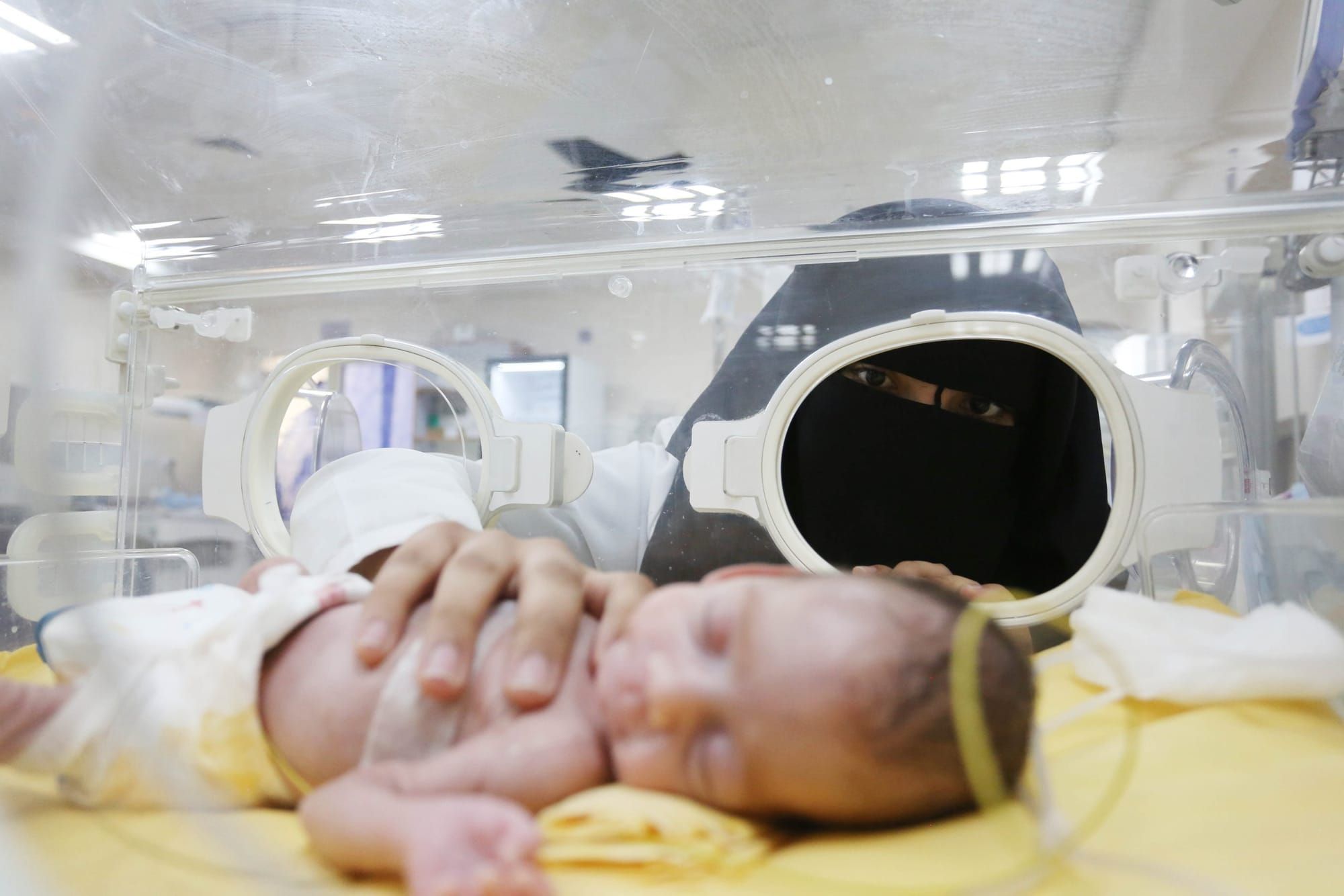
Preterm babies are at risk of becoming cold because of their limited fat stores that help contribute to maintaining a normal temperature. This is why incubators are so important. But incubators require electricity, which is yet another thing Gaza does not have right now.
Hypothermia is a leading factor in neonatal mortality because it puts newborns at serious risk for things like infection and breathing problems. This is especially concerning given that Gaza has been in the midst of its cold season. In November, when premature babies were evacuated from Al-Shifa hospital, Israeli soldiers informed medical staff in the neonatal intensive care unit that the newborns had to be removed from their incubators and transferred to another area of the hospital. The babies were then carried, wrapped in towels and diapers, and moved to the surgical department. This transfer alone put the babies at risk of becoming cold and dying.
In Gaza, medical staff leave their families every day to travel to the hospital, never knowing if they will live to see another day. I spoke with Dr. Mohammad Salama, a neonatologist at Emirati Hospital in the southern part of Gaza close to the Rafah border. He told me he often works an entire day without food and only has a few sips of water to drink. The hospital has been forced to function with major shortages of medical supplies since the start of Israel’s war on Gaza. Caring for a large number of sick babies under depleted conditions is not only risky for the patients, but physically and emotionally draining for the medical team. Dr. Salama shared stories of medical team members burying their loved ones and then coming to the hospital to work.
Israel’s war on Gaza has also been a war on health care. Hundreds of health care workers have been killed by Israel since the bombardment of Gaza began in October. Hospitals are barely functional, and mothers and their newborns are at the brink of death and starvation due to lack of humanitarian aid. The emotional agony in which medical staff are working will cause generational trauma.
I continue to hear the words Salama said to me. They play over and over in my head: “Please, please, please, stop this war,” he said. “We are doctors. We studied medicine to help people. We want peace.”
Americans have a collective responsibility to take action and call for an immediate ceasefire. It is the only way Gaza can begin to rebuild its health care system and give doctors and patients the dignity and treatment they deserve.
I will never forget the lives of my fellow physicians, nor the infants they tried to save. I hope that one day, we can all commit to caring for the innocent children of this world and never allow this to happen again.
Author
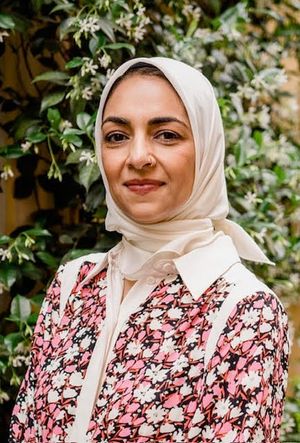
Dr. Fozia Saleem-Rasheed is a practicing neonatologist in Royal Oak Michigan. She has 15 years of experience in her field of neonatal-perinatal medicine. Dr Saleem-Rasheed has partnered with organizat
Sign up for Prism newsletters.
Stay up to date with curated collection of our top stories.