Teaching truths: Educators speak on justice and liberation in the classroom
The Zinn Education Project’s Jesse Hagopian and Prism’s editor-in-chief, Lara Witt, share why the two organizations are partnering for a new series featuring educators teaching truth
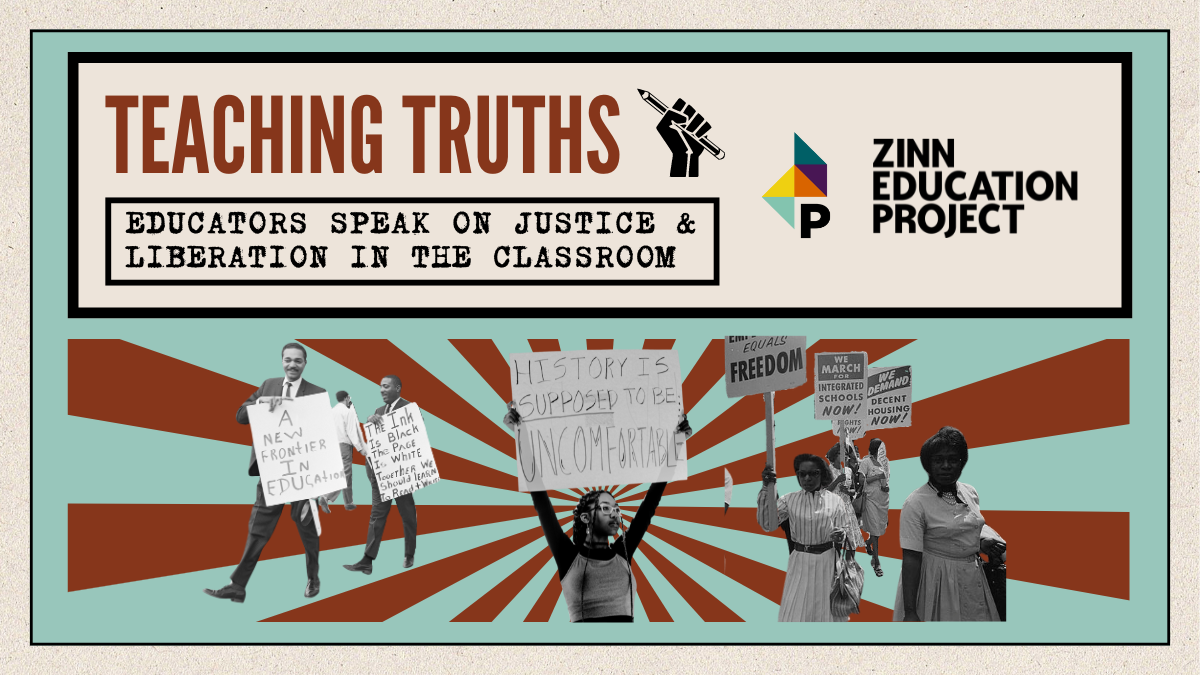
Young people have long been catalysts for change throughout U.S. history, leading movements that have reshaped the nation’s social and political landscape. The 2020 uprising for Black lives was yet another powerful demonstration of this legacy, with young activists at the forefront, demanding justice and an end to systemic racism. Their energy and determination galvanized a movement that shook the status quo, forcing the nation to confront uncomfortable truths about its past and present. Some of the most significant victories of the 2020 uprising occurred when organizers successfully advocated for implementing Black studies and ethnic studies programs in schools and removed school resource officers from some schools across the country while pushing for more counselors.
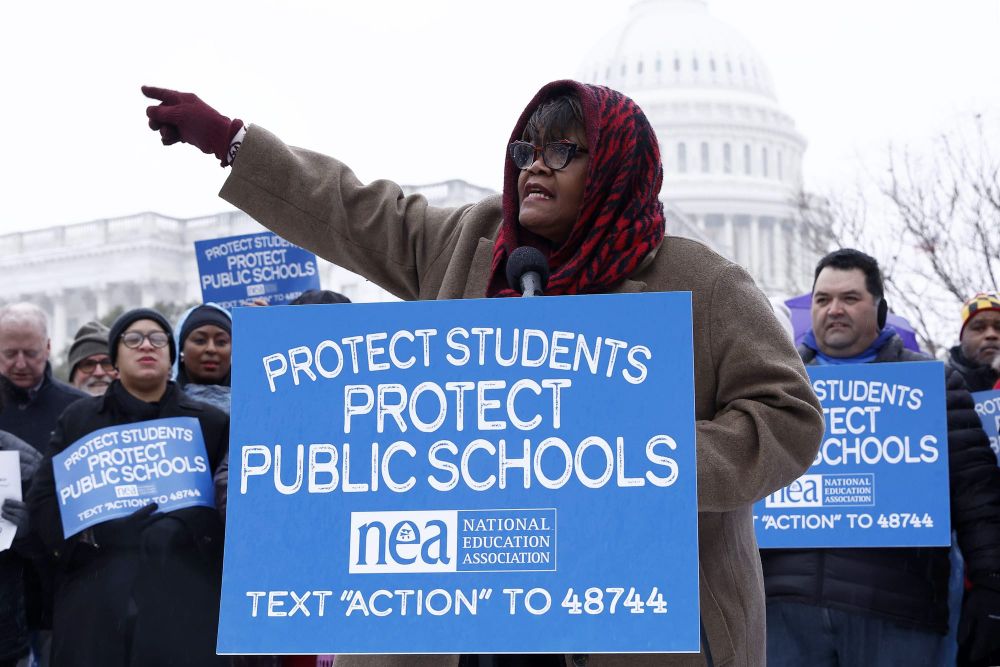
Conservative lawmakers and right-wing organizations fear the potential of youth who think critically and investigate the historical roots of racism and inequality. Out of this fear grew the backlash to antiracist education. Republican legislators began passing educational gag-order bills designed to prevent teachers from discussing systemic racism and sexism, LGBTQIA+ identity, and the history of social movements that challenge institutionalized inequality.
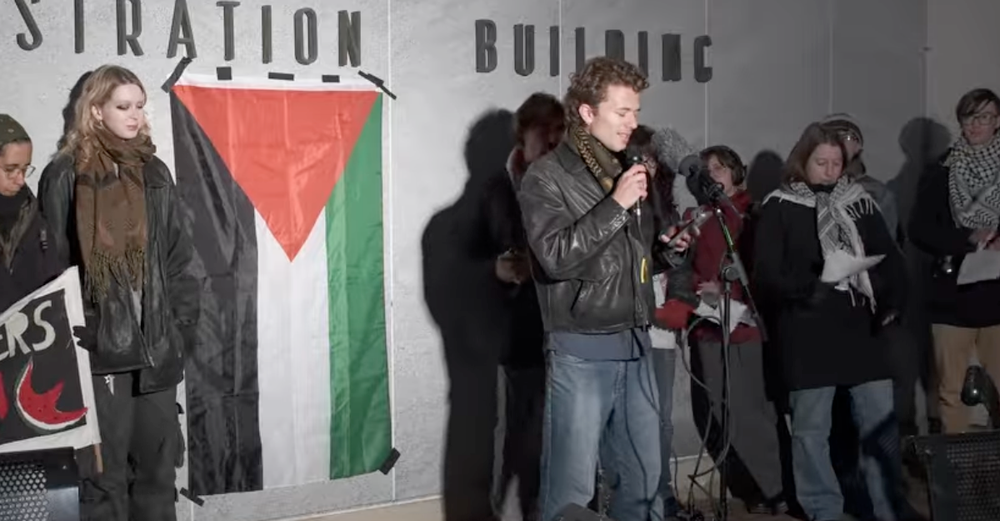
Astoundingly, these laws banning honest education on the history of oppression in the U.S. now impact nearly half of all public-school students. In addition, policymakers have banned thousands of books that deal with issues of race, gender, or sexuality. The same forces have attacked any teacher who allows students to consider criticism of U.S. foreign policy, wars, or multiple perspectives of Israel’s genocidal war on Gaza. Just as in the late 1940s and early 1950s, the Red Scare and Lavender Scare were used to purge teachers and prohibit discussion of social and racial justice in schools, today’s attacks on what history deniers have labeled “critical race theory” and “gender ideology” are wielded as tools to fire educators and exclude discussions about structural racism, sexism, transphobia, and homophobia.
At the same time these repressive measures have taken hold, a powerful resistance has emerged: the Teach Truth movement. Driven by educators, students, parents, and activists, this movement is committed to ensuring that the full spectrum of history is taught in classrooms across the country. From Black, Indigenous, and LGBTQIA+ history, to the climate crisis, the ongoing genocide in Gaza, and the history of social movements, dedicated educators are keeping these essential stories alive in classrooms around the country.
Through their stories, this series sheds light on the resilience and courage of educators who refuse to back down, offering powerful insights into the ongoing struggle for an education system that empowers students to question and transform the world around them. This aligns closely with the Zinn Education Project’s mission to promote and support the teaching of people’s history in classrooms across the country, highlighting the often-overlooked perspectives of marginalized groups throughout history. The organization does this in coordination with Rethinking Schools and Teaching for Change.
In these interviews, we hear from educators who are teaching for Black lives and organizing to defend honest education about the nation’s past and present. They share their strategies for resisting these attacks, their visions for a liberatory education, and their unwavering belief in the transformative power of young people who are informed, engaged, and ready to fight for justice.
Movement journalism, defined by Project South as “the practice of journalism in the service of … social, political, and economic transformation,” is naturally disruptive to the status quo. It confronts deep-rooted ideas of objectivity and the false equivalencies between right and wrong and justice and injustice. It is a practice that can hold power to account and uncover the hard truths of systemic inequities through community-based storytelling; this is central to Prism’s mission and vision of collective liberation and justice for people and communities who are historically oppressed. We put this into practice through rigorous reporting, elevating and platforming BIPOC voices, and honoring the core values of movement journalism.
But we don’t do this work alone. We rely on the stories of our communities, we rely on organizations and comrades doing the diligent work of accurately documenting history and stripping back the layers of censorship, disinformation, propaganda, and lies spread not only by white supremacists but by a state that relies on its citizens being misinformed and in the dark about our history. Movement journalists rely on historical sources that share the accounts of freedom fighters, enslaved peoples, and Indigenous storytellers to push back on racist, classist, heteropatriarchal, transphobic, and ableist narratives. Part of this tapestry of political education, unlearning, and learning are educators and students fighting for a just future who know that to truly understand where we came from is the foundation of building a future that is abolitionist, free from imperialism, capitalism, white supremacy, and all other oppressions.
This is why Prism wanted to partner with the Zinn Education Project and the Teach Truth movement. We wanted our readers to hear from educators who are at the forefront of narrative intervention and who spend each and every day ensuring that their students learn about Black, Indigenous, and LGBTQIA+ history, settler-colonialism, migrant justice, Palestine, climate change and its root causes of militarism, imperialism, capitalism, and more. We wanted you to hear how they are navigating censorship, school administrations, political repression, and other challenges. We wanted you to read about what students want to learn and how much they crave and need educators who value their collective futures, especially during times of increasing fascism.
There is another way forward and there are paths to a future where we are all free, and historians, educators, students, movement journalists, readers—everyone—has a role to play in collective liberation. A good place to start is through learning, and we’re thrilled to partner with the Zinn Education Project to continue playing a part in that, too.
“Teaching truths: Educators speak on justice and liberation in the classroom” will be published through mid-October, and you will be able to find each piece here. Learn more about the Zinn Education Project here.
Authors
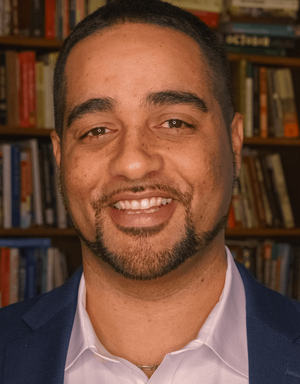
Jesse Hagopian is a Seattle educator, the director of the "Teaching for Black Lives Campaign with the Zinn Education Project, an editor for Rethinking Schools magazine, and founding steering committee
Sign up for Prism newsletters.
Stay up to date with curated collection of our top stories.