When overthinking also kills: Another mass exodus to the south
Hundreds of Gazans leave their shattered city in silence, fleeing relentless bombardment and increasing despair, only to find overcrowded, unsafe refuge in the south
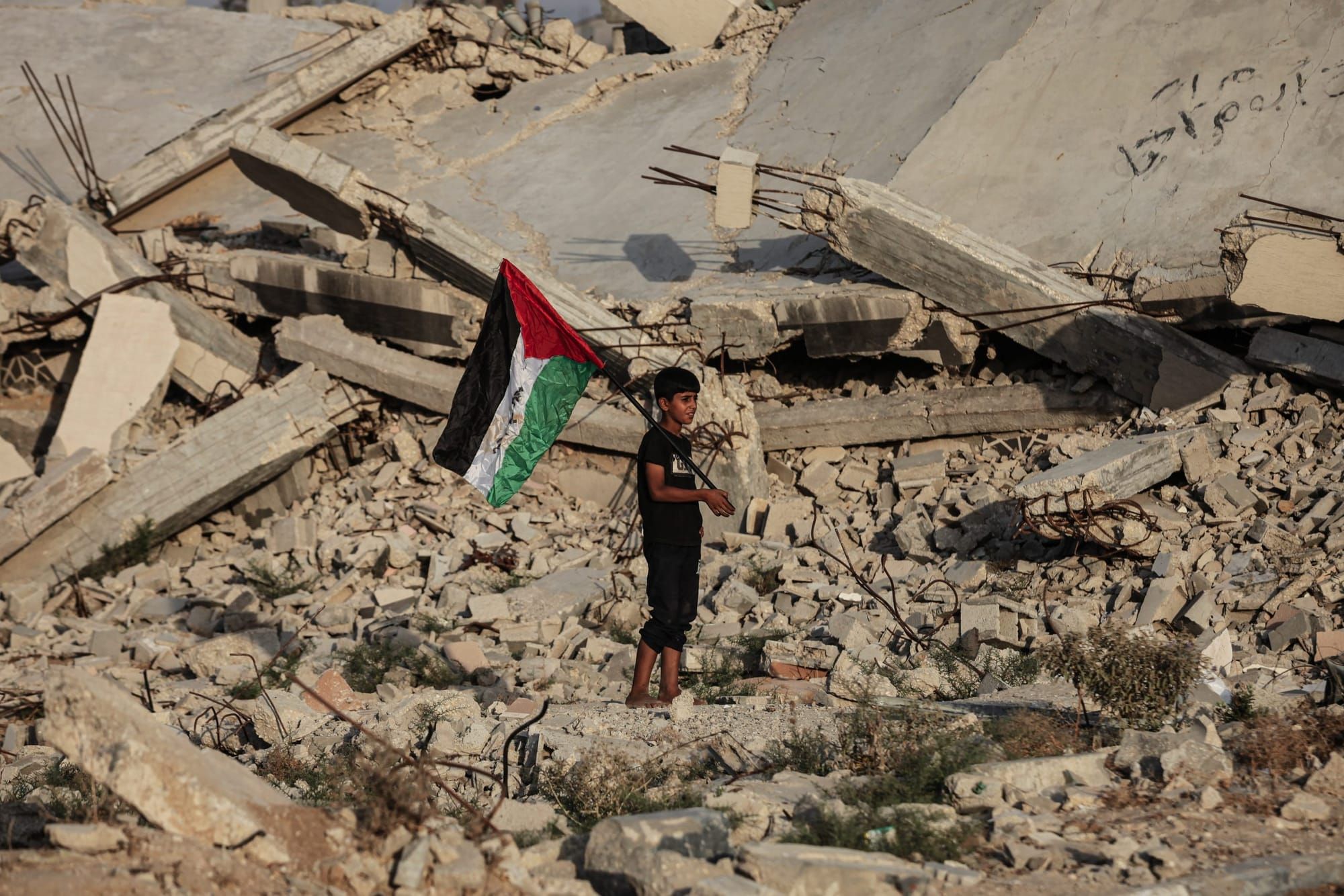
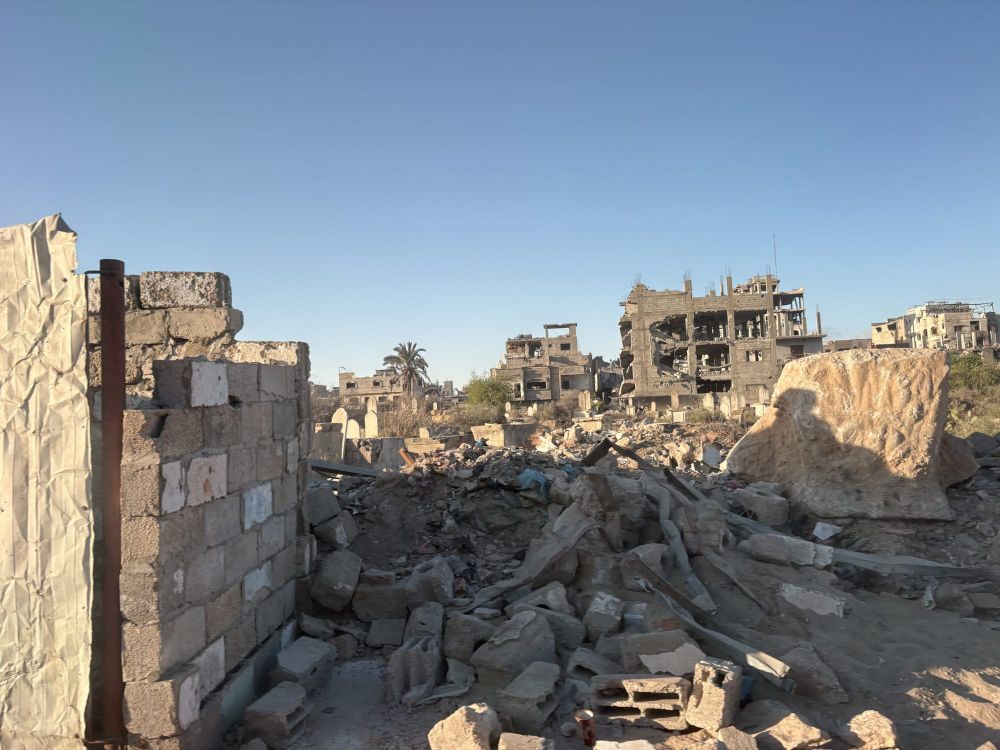
Hundreds of Gazans have left their city in a silence that intoxicates the stones. After nine months of returning to what homes and tents remained in Gaza City, they fled once more—this time driven southward by relentless bombardment, carrying with them exhaustion of every deprivation and indignity. They go, not by choice, but in a desperate hope of escaping a looming death—though in Gaza, death exists in the shadows of every road.
However, this time is different. Thousands of people lost their homes after the war resumed, and throughout this entire period, they were forced to live in tattered tents without the slightest necessities of life—kitchen utensils or clothes—after their houses had been bombed.
Now, all means of transportation move heavily and sorrowfully along Al-Rashid Street overlooking the sea, where the sea stands as a witness to yet another harsh migration toward the south.
“We’re going through the hardest days in the city right now,” said Huda Skeik, a literature student at the Islamic University of Gaza. “Buildings, towers, and apartment blocks are collapsing in front of us as if they’re saying goodbye. We live each day as if it’s the last day of our lives; everything is unknown, foggy, and incomprehensible.”
“These days remind me of the first days and nights of this massacre, but now it’s even more brutal,” she said. “We never stop thinking, will they come at night while we’re sleeping and blow up the whole city we’re in? Will they come and force us to go to the south? Or maybe they’ll cancel the whole operation?”
Everyone in Gaza is overthinking, even the youngest kids. This constant mental strain can be lethal, compounding the threat of bombs.
“I love the city, its sunset, its people, its streets and shops, and I love how all my memories are rooted here,” Skeik said. “I spent my childhood and youth in Gaza, in the Al-Rimal neighborhood that once was full of life and energy. The city is very sad, and its people are exhausted.”
From this tiredness, people find themselves unable even to think.
“Honestly, we don’t even give ourselves a chance to think about going south again after the terrible experience we had there,” Skeik said. “We’re staying here until our last breath, either we die or we survive by some miracle.”
Lately, the Israeli military has cut off the internet, and evacuations and shelling around the city these past few weeks have caused Skeik to struggle to focus on her studies.
“I don’t know how this semester will get through at all, but whenever I find a moment, I study,” she said.
Taqwa Al-Wawi, from southern Gaza, described the desperate overcrowding as families flood every available space after being displaced.
“There’s no space,” she said. “The situation is as bad as it could possibly be. People are extremely drained, even the costs of displacement are unbelievable.”
The occupation lies every time, telling people, “Go south to the humanitarian zone through the safe corridors,” yet bombs fall there without mercy.
“There is no safe place in all of Gaza since October 7,” Al-Wawi said. “We said this before and keep repeating it: The occupation is the most disgraceful in the world. It tells the people of Al-Mawasi that it is a safe zone, but in reality, it bombs the tents there—literally. There is no safe area, and the bombings in the south are severe. Yes, the situation in Gaza City is catastrophic, but that doesn’t mean we in the south are not being exterminated too, with the bombings, the helicopters, and the drones hovering 24/7.”
Meanwhile, 15-year-old Fatima Eliwa painfully recalled the heartbreak of leaving her home and facing the unknown ahead, describing it as an unbearable loss that words cannot capture.
“The moment of leaving was a pain that words can’t hold, as if a hand was ripping your heart out by force. We took just a few necessary items, but how can we take the memories? They stayed hanging on the walls, in the toys we didn’t have time to collect, in the photos of lives that never had the chance to continue.”
She then spoke of the journey, marked by fear and exhaustion.
“The road was a crowd of sadness—people walking in silence, eyes full of fear, children exhausted, and mothers unable to comfort their children or themselves. The sun was burning, the street unsafe, and every time we heard the sound of a plane, our hearts jumped to our throats.”
Eliwa’s words reflect a deeper truth about Gaza today: Displacement tears not only at homes but at the very soul. Exhaustion, fear, and uncertainty shadow every step, making even survival a heavy burden. In Gaza, the toll of forced departure is as heavy as the bombs themselves.
Editorial Team:
Carolyn Copeland, Lead Editor
Lara Witt, Top Editor
Stephanie Harris, Copy Editor
Author
Nadera Mushtha is a writer and a poet from Gaza.
Sign up for Prism newsletters.
Stay up to date with curated collection of our top stories.