First Israel killed her son. Then it demolished her home.
Israel’s ethnic cleansing of West Bank refugee camps is escalating rapidly, displacing thousands of Palestinians
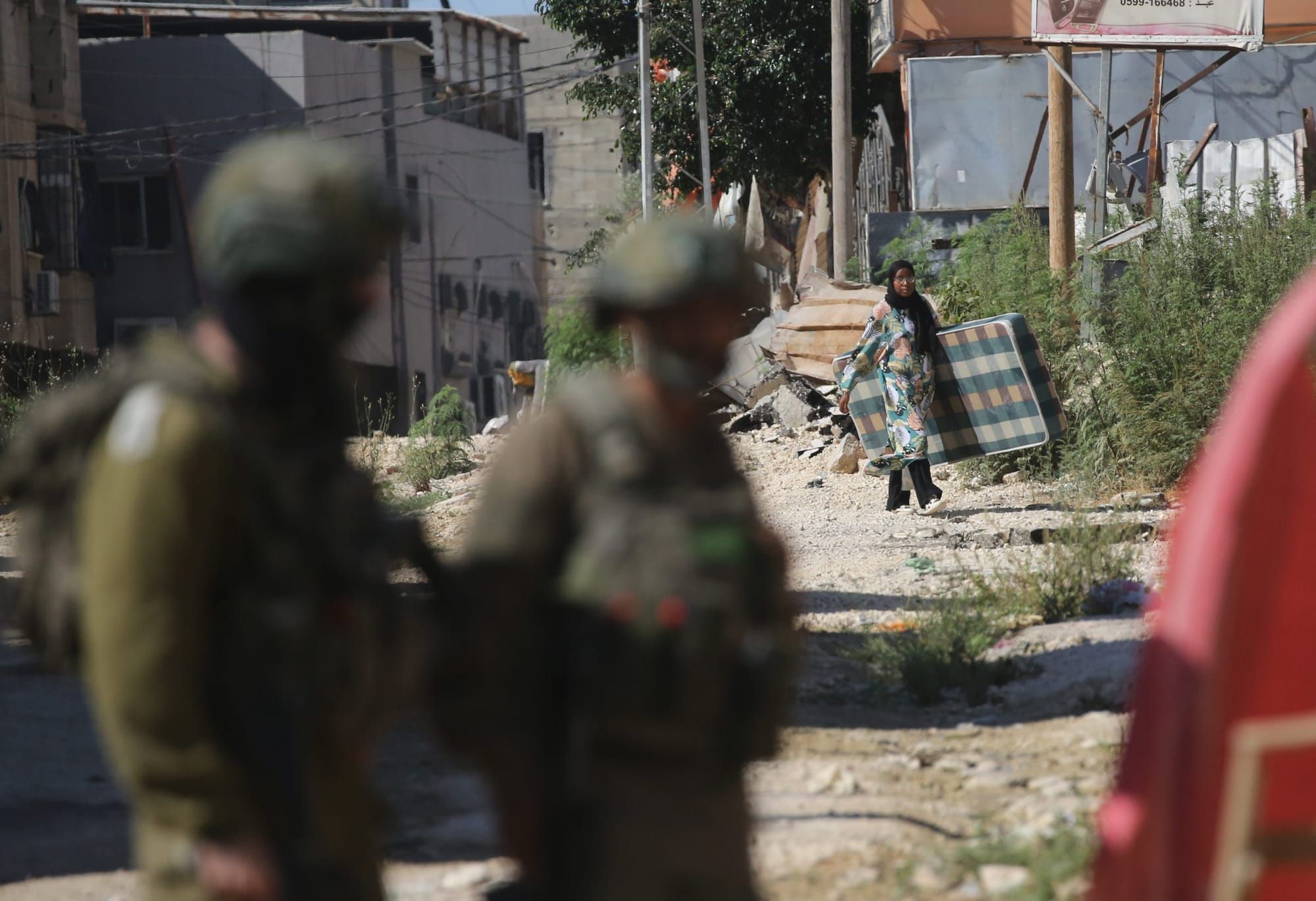
In late January, Samah Shehadeh became one of thousands of Palestinians who have been thrown out of their homes by Israel’s escalating expansion into the West Bank. Israeli occupation forces demolished her home on Jan. 27, a little more than a year after soldiers killed her 24-year-old son, Jihad.
Shehadeh, 36, and her two other children were left with two choices: leave their destroyed home in the Tulkarem refugee camp or stay and risk being killed.
“The military entered [the camp] and told us to leave,” Shehadeh recalled in an interview. “They started throwing out the people, and because I have two small children, I was very worried about them. I took them with me and we left. Later, I was surprised that they had entered homes, and there was destruction from all sides.”
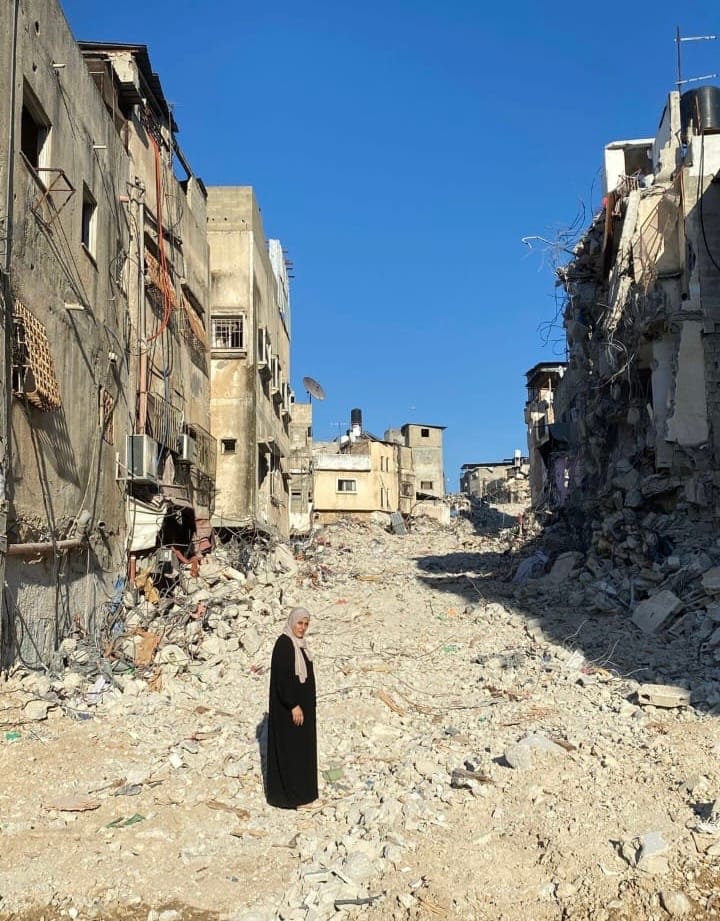
Shehadeh took her 5- and 7-year-old sons and left. One month later, the military allowed her to enter the camp to see the remnants of her home. But she said there was nothing but rubble.
Seven months have passed since Israel expanded the military assault, ethnic cleansing, and occupation of refugee camps in Jenin and Tulkarem in the northern West Bank. Over 42,000 forcibly displaced Palestinian refugees are now staying with relatives and in schools or mosques, left without any form of security.
Israel named the operation “Iron Wall”, which started in Jenin on Jan. 21 and later moved on to Tulkarem. According to the United Nations, this is the largest forced displacement of Palestinians in the West Bank since 1967, with Israelis systematically throwing out the residents of entire refugee camps.
“It was chaotic, a tragedy”
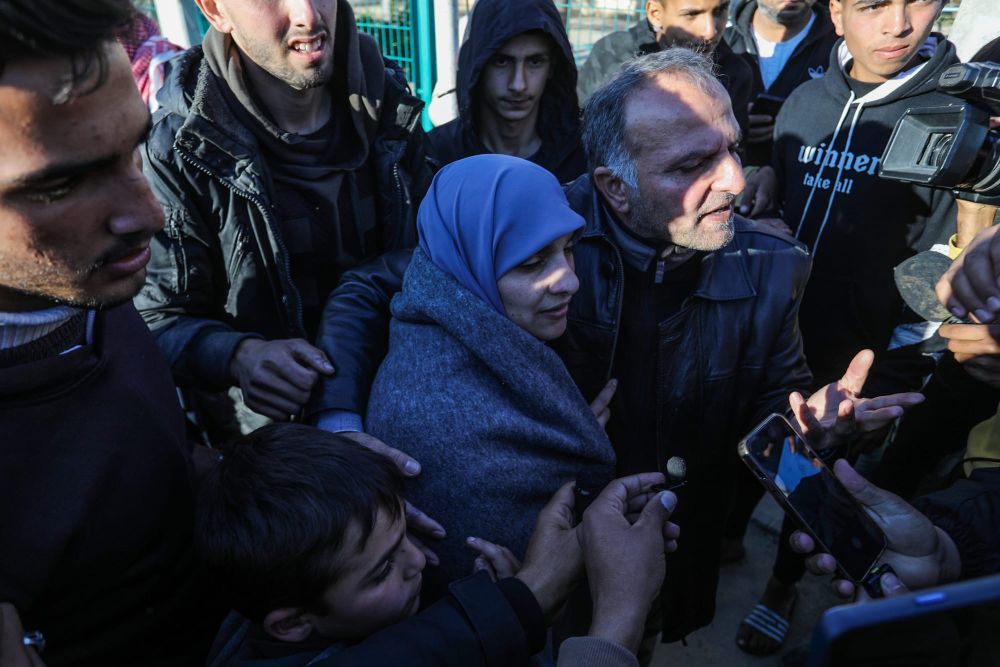
Prism met Shehadeh in the city of Tulkarem, just outside the camp, in June, as she and others who had been forcibly displaced were collecting small amounts of cash from the Palestinian Farmers’ Union. The Tulkarem refugee camp was closed, and it was dangerous to enter because the Israeli military was occupying the camp.
This was the first time the displaced Palestinians had been offered aid since being thrown out of their homes, according to Shehadeh, except for 300 shekels ($88) from the Palestinian Authority, which she said covers three months of electricity.
Shehadeh described her family’s escape from the camp.
“We left by foot. It was chaotic, a tragedy,” she said, adding that it wasn’t the first time the Israeli military had entered her home. “Every once in a while, they would come. They burned everything down. And I fixed it again, I painted and everything.”
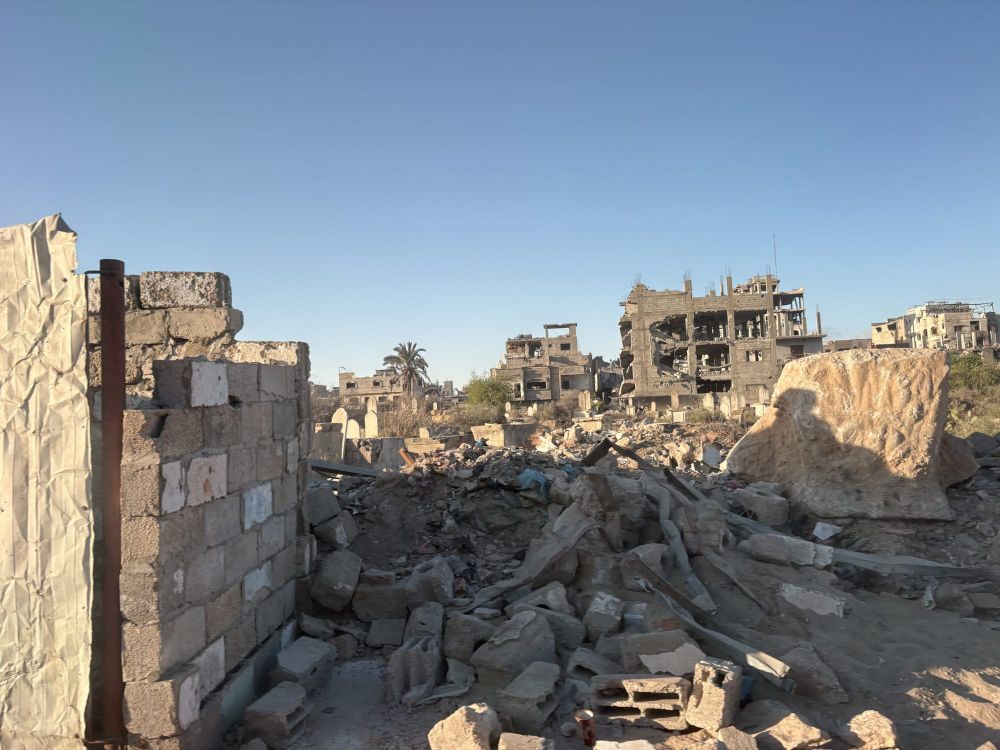
But this time was different. Shehadeh said she was surprised when she learned that the soldiers had completely demolished her home, leaving only rubble.
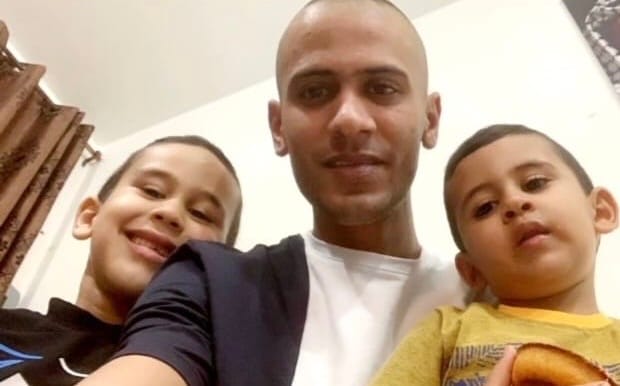
She had renovated her apartment herself when her husband was abducted by Israeli forces in 2004. He was held in Israeli prisons for 15 years, forced to leave Jihad, who was then a small child. Shehadeh initially stayed with her in-laws, but later moved into another apartment.
“I fixed it and built it up from zero. This is the apartment that they’ve now demolished, all of it. Furniture, everything,” Shehadeh said.
Jihad Shehadeh was assassinated by the Israeli military on Nov. 26, 2023, in Tulkarem. After he was killed, soldiers came and set fire to Samah Shehadeh’s apartment.
Jihad was a leader in the West Bank-based Palestinian armed resistance group al-Aqsa Martyrs Brigade, and the Israeli military had been pressuring the family for years to reveal his whereabouts.
“They were calling us a lot, the Israelis. They would call me and his father, telling us to give him to them. They said, if you do not give us your son, we will assassinate him,” Shehadeh said. “How can a mother give away her son?”
Amina, 54, also lost her home on Jan. 27. She told Prism that the Israeli military had been occupying the entrances of the Tulkarem camp for a week when, at last, she saw no other option but to leave.
“I was thinking they would leave after one, two, or three days, like every invasion,” said Amina, who is using a pseudonym to avoid being targeted and arrested by Israel.
Before she left, Israeli soldiers entered the home where she lived with her sister and forcibly confined them in one room for days.
“They entered our house and ate by the dining table and drank water while we were all in one room,” Amina said. “They took 35,000 shekels ($10,525) and gold worth 1,500 shekels ($450). They did not let us drink water for three days.”
Israel’s looting and demolition of Palestinian homes
The Israeli military frequently loots Palestinian homes while raiding them, stealing from the families living there. Amina said that they were not allowed to use electricity or go into the kitchen while being locked in the room.
“We left when the bulldozer entered. We got scared, so we left,” Amina said. “We told them that we wanted to leave, and they gave us a piece of paper, and then we left.” Palestinians must get a permission slip in order to leave the camp.
Her home was completely demolished and turned into a street, she said. She had moved her furniture to her neighbors’ house before she left, but occupation forces also demolished their home. Everything Amina once owned is gone. She is now living outside the Tulkarem camp in the home of her nephew, who postponed his wedding for her to stay there. She said her friends live close to her now so they are able to help each other.
Thousands of Palestinians in Israeli prisons
Back in Tulkarem, Shehadeh said she did not accept giving her son up to the military, and Jihad did not want to end up in prison. According to the Palestinian prisoners’ rights group Addameer, there are 10,800 Palestinian political detainees in Israeli prisons, including 450 children. The number of Palestinians in Israeli prisons has doubled since Oct. 7, 2023.
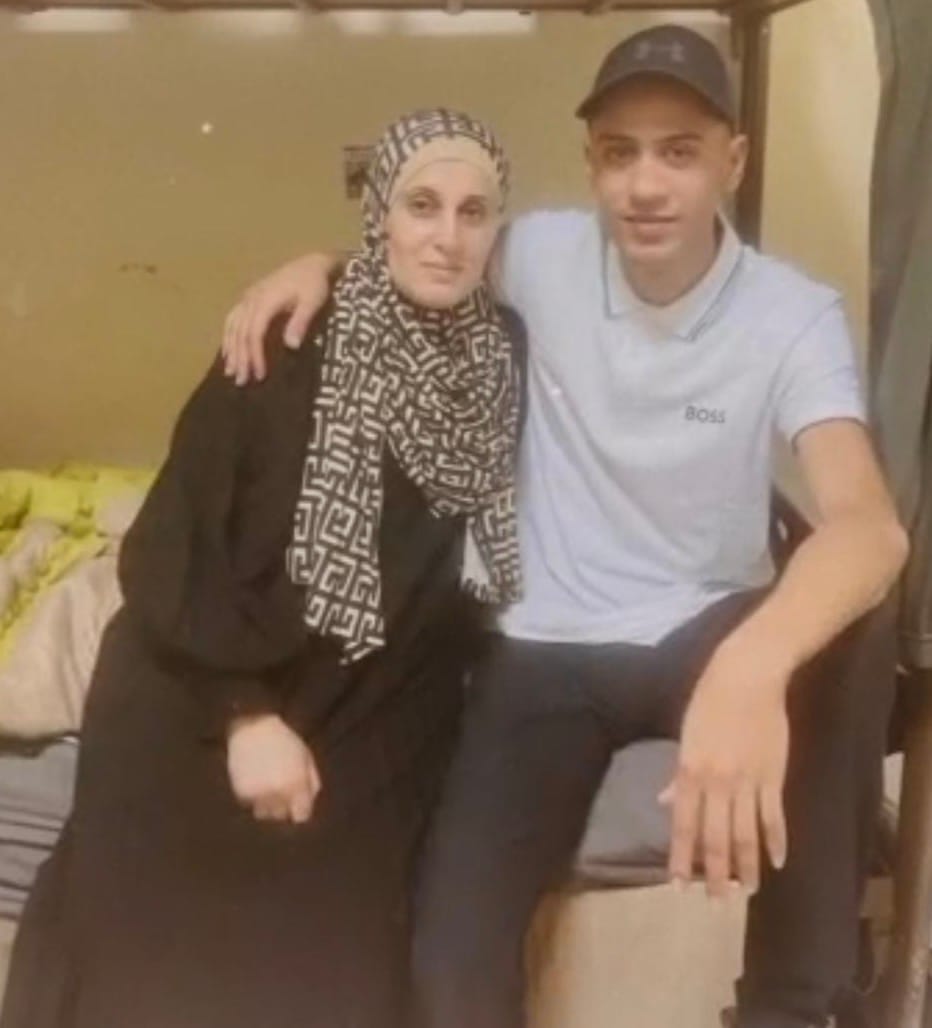
The prisons are notorious for reports of torture. As of May, Israel had killed 77 Palestinian detainees since the start of the genocide in Gaza.
Shehadeh said that Jihad did not want to turn himself in, knowing what kind of future that would entail.
“My son did not accept this, and the officer said that at any moment he would be assassinated. And they assassinated him,” Shehadeh said.
Israeli special forces shot her son while he was driving his car in Tulkarem.
“My son would say that as long as he lived, it was impossible that the military would enter the camp,” Shehadeh said. “After he was martyred, they entered.”
Editorial Team:
Sahar Fatima, Lead Editor
Carolyn Copeland, Top Editor
Rashmee Kumar, Copy Editor
Author
Synne Furnes Bjerkestrand is an independent journalist based in Amman, Jordan. She holds a bachelor's degree in Arabic and SWANA studies, and a master's degree in journalism. Her work has appeared in
Sign up for Prism newsletters.
Stay up to date with curated collection of our top stories.