Vermont immigration leaders were violently detained by border patrol, prompting emergency rally
The arrests came as federal agents stormed a warehouse and arrested dozens of workers in LA, fueling continued calls for freedom and accountability
Immigrant communities across the U.S. are reeling from a wave of aggressive immigration enforcement actions that advocates say reflect an escalating pattern of racial profiling, unconstitutional detentions, and state-federal collusion. From rural Vermont to the heart of Los Angeles, leaders and families are demanding accountability and freedom for their loved ones.
Two respected leaders in Vermont’s immigrant rights movement were violently detained by U.S. Border Patrol agents on June 14, sparking an emergency rally outside the Border Patrol barracks in Richford.
When José Ignacio “Nacho” De La Cruz and his 18-year-old stepdaughter Heidi Perez were pulled over, agents gave no clear reason for the stop before smashing the car window and forcibly removing both individuals, according to Migrant Justice, the advocacy group to which both belong. They were taken into custody and now face the threat of imminent deportation.
“[Border Patrol agents] did not provide any justification at the time,” said Will Lambek, an organizer and translator with Migrant Justice. “They’ve since released a statement with a mention of investigating suspicious border activity, which for us is a very clear and flimsy pretext for simply just racial profiling.”
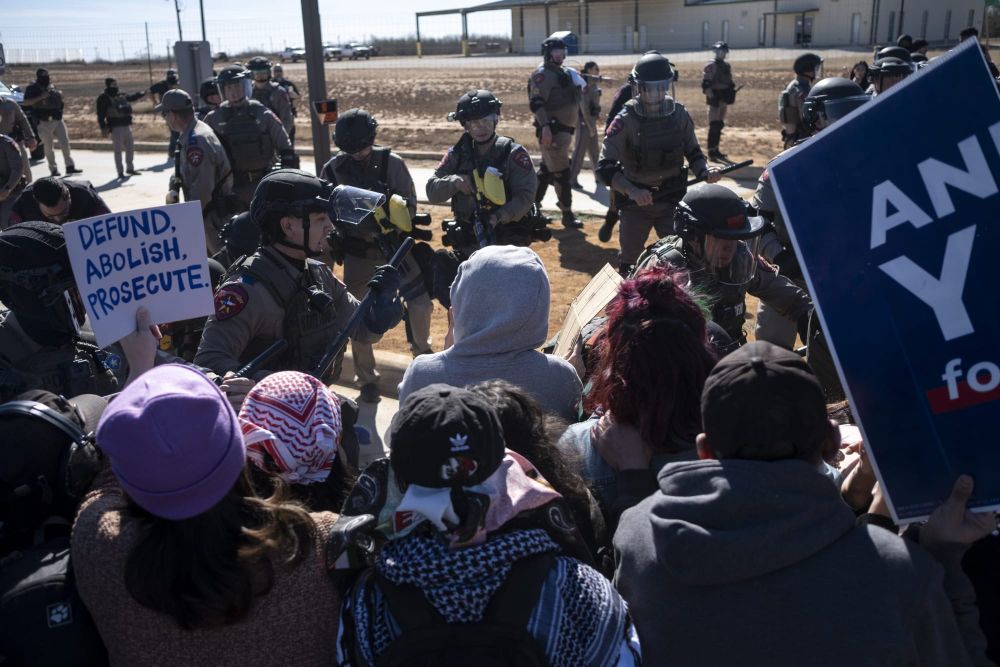
The incident comes as protests sweep the nation in opposition to the Trump administration’s increasingly aggressive immigration enforcement policies. In Vermont, many see the detentions as a direct attack on the immigrant community and its most visible advocates.
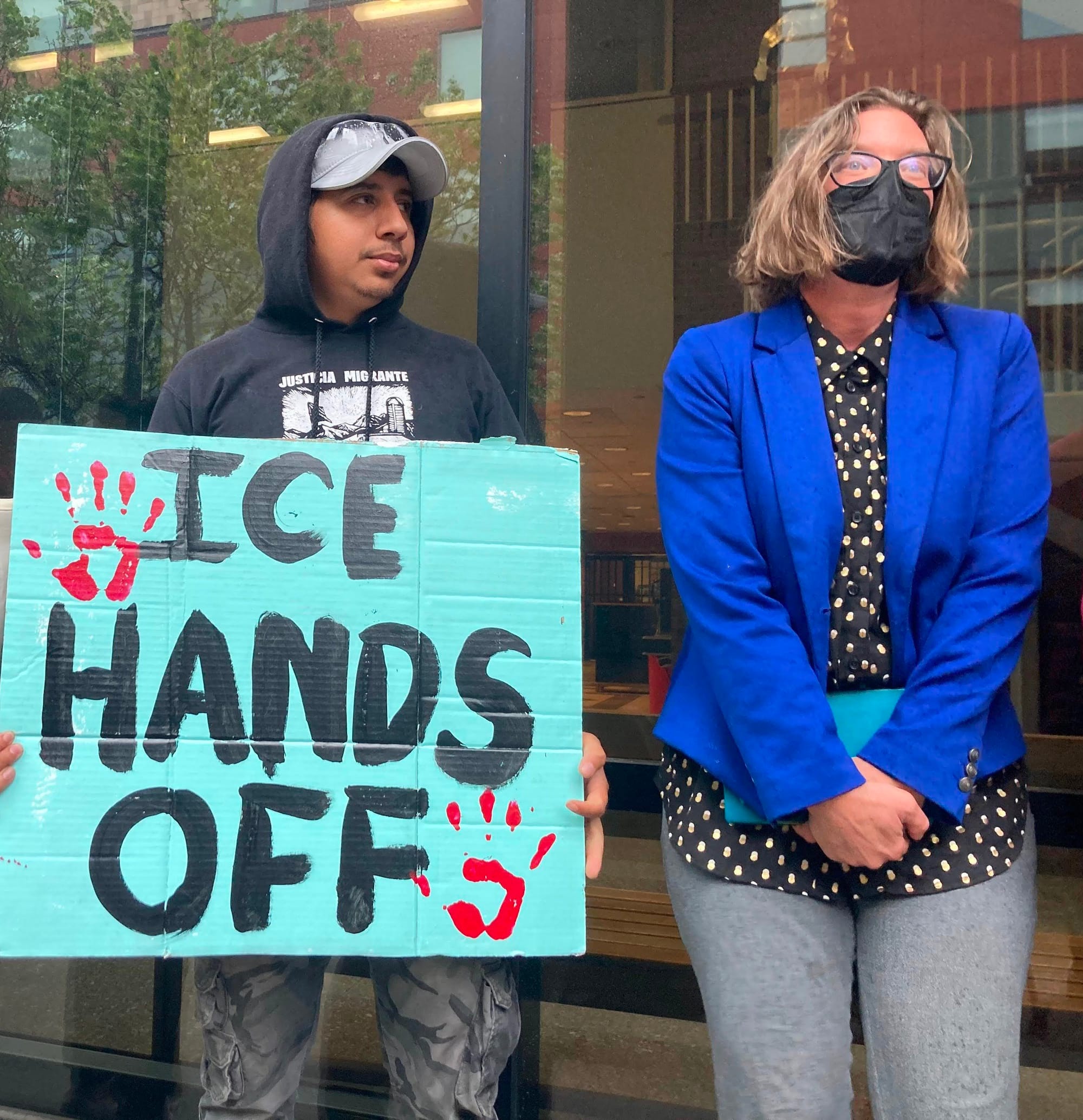
Migrant Justice has vowed to fight the detentions both in the courts and in the streets. An emergency rally quickly formed outside the Richford Border Patrol station following the arrests. Supporters and community members demanded the immediate release of De La Cruz and Perez, who they said have done nothing to justify federal detention. Thousands have also signed on to Migrant Justice’s online petition urging people to contact Immigration and Customs Enforcement (ICE) and call for the pair’s release.
De La Cruz, 29, is a widely recognized figure in Vermont’s human rights landscape. A former dairy worker, he has long been at the forefront of labor rights and immigrant advocacy. As a member of Migrant Justice’s Coordinating Committee, and a worker-owner at the socially responsible construction firm New Frameworks, De La Cruz has helped pass major legislation in Vermont, including laws ensuring housing access for immigrant families.
Just two days before his arrest, De La Cruz testified at the Vermont State House in favor of the Housing Access for Immigrant Families bill, which was signed into law by Gov. Phil Scott.
Perez, who recently graduated from high school, has also emerged as a young leader in Vermont’s immigrant community. She played a central role in the successful 2024 campaign to pass the Education Equity Act, which grants undocumented students access to higher education in Vermont. She was preparing to attend Vermont State University this fall under that very law.
“It’s been incredibly traumatizing, not only for her, but for her school community,” Lambek said.
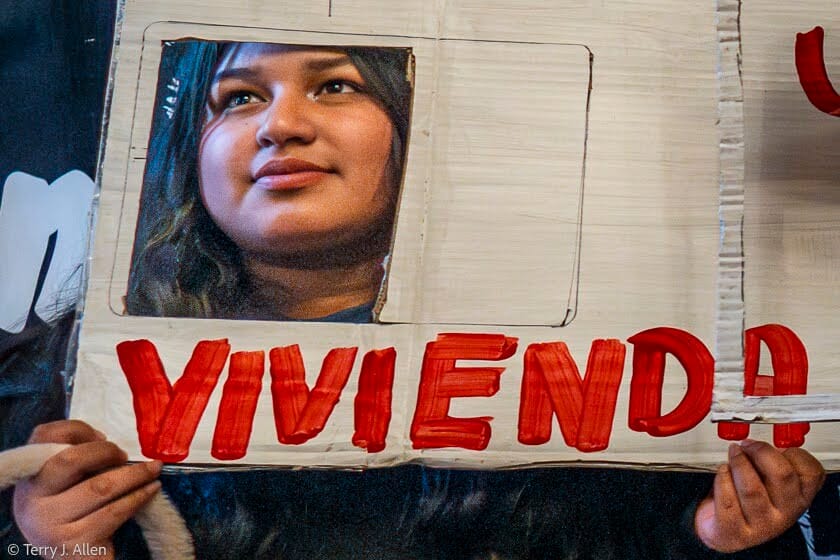
Lambek said Vermont has some of the strongest policies in the country to prevent law enforcement officials from collaborating in federal deportations. “But Vermont, or any other state, has limited authority and ability to directly limit the activities of federal immigration agencies, however abhorrent their activities may be,” Lambek said.
Farmworkers targeted across the nation
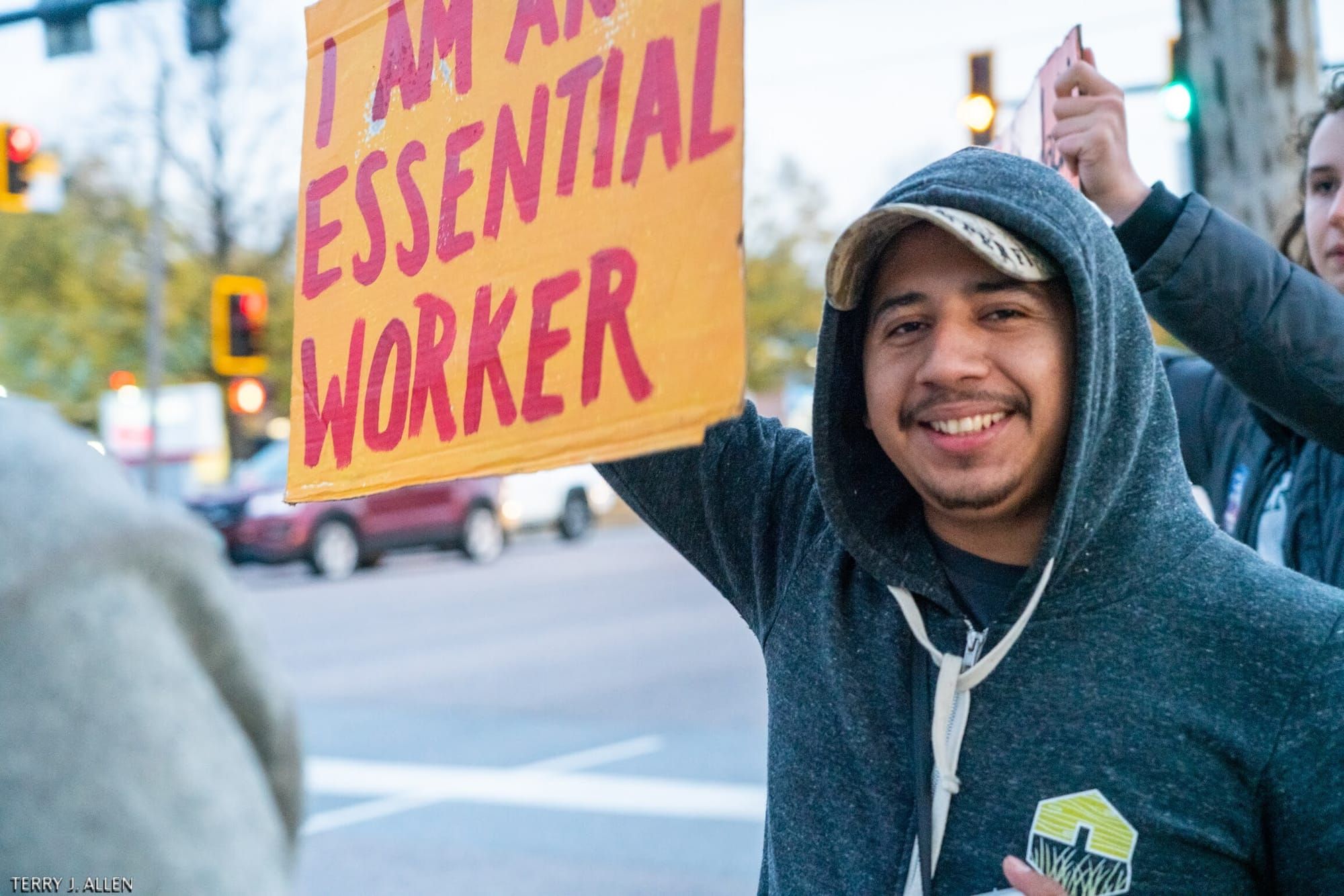
Agents are targeting farmworkers with increasing aggression, particularly in agricultural hubs like the rural areas of Vermont and California’s Central Valley, said United Farm Workers of America (UFW) President Teresa Romero, who is based in California.
“A lot of what is happening right now, it is not even constitutional,” Romero said in an interview. She said agents wear masks, sometimes without uniforms, and drive unmarked vehicles, accessing farms and private property without court order or warrants to go after people without documents. “They’re not detaining, and they’re kidnapping them. We don’t know who they are, and they don’t even have names of people they’re looking for.”
Romero said UFW has distributed placards to display around private properties, reminding immigration agents they must have judicial authorization to enter. Romero said UFW is also conducting worker education sessions, distributing legal rights materials, and working directly with employers under contract to ensure protection.
“We want to make sure that people understand private property. Unless [agents] have a document signed by the judge, they don’t have to give them access if what they’re doing is just profiling brown people,” she added.
In California, Romero said immigration agents are targeting people on their way to work, at gas stations, or even while taking their children to school.
“This is devastating their children’s lives because they don’t want to go to school, not knowing if, at the time they get home, mom and dad are going to be there,” Romero said. “These are U.S. citizen children that are growing up being completely afraid.”
Despite the dangers, many workers return to the fields out of economic necessity.
“Farm workers have a family to support, and many of them work seasonal jobs, so they cannot afford to not go to work for days or weeks at a time,” Romero said.
A major solution, Romero stressed, lies in legislation that has already garnered bipartisan support: the Farm Workforce Modernization Act. Originally introduced during the Biden administration, the bill offers a path to legalization for long-term agricultural workers and provides employers with a more stable labor force.
“When [President Donald Trump] was campaigning, he said he was going to go after criminals; he’s not going after criminals. He’s going after hard-working people,” Romero said, who often feel unseen by consumers and lawmakers. “Let’s move that bill, and let’s make sure that we’re not ruining lives in that agricultural industry.”
Workers detained in LA
While Vermont reels from the detentions, Los Angeles is facing its own crisis after federal agents stormed a warehouse in the Fashion District on June 6, taking dozens of Indigenous immigrant workers into custody.
Family members, many of whom were unable to locate or contact their loved ones, held a press conference outside the Ambiance warehouse on June 9, demanding answers.
“Los Angeles is not a sanctuary city,” said Perla Rios, a Zapotec community leader, calling out continued ICE coordination with the Los Angeles Police Department (LAPD) despite city and state sanctuary policies. “You cannot protect our immigrant communities while LAPD is still feeding our people to the deportation machine.”
According to advocates, ICE has attempted to transfer the detained workers to remote facilities, denying them access to attorneys and separating them from their families, actions attorneys argue are unconstitutional.
“These arrests reflect clear racial and ethnic profiling,” said Luis Angel Reyes Savalza, a deportation defense attorney. “Denying legal access to detainees is authoritarianism, and it should alarm everyone.”
The families and organizers, including Trabajadores Unidos Workers United and Instituto De Educación Popular Del Sur De California, are demanding the immediate release of all detainees, an end to deportation proceedings, guaranteed access to legal counsel, accountability for Ambiance warehouse owners, and full payment of all owed wages.
“We won’t stop fighting,” said Rios. “These are our families, our leaders, our future—and we will defend them.”
For Romero, the stakes are clear.
“It is going to get to the point where fruits and vegetables are going to rot in the fields,” Romero said, adding that small companies say they’re going out of business. Romero predicted that stores will soon run out of produce and prices will rise. “But I’m hoping that people are going to see the humanity, the devastation of families and communities, and they would act based on that.”
Editorial Team:
Sahar Fatima, Lead Editor
Carolyn Copeland, Top Editor
Stephanie Harris, Copy Editor
Author

Alexandra is a Cuban-American writer based in Miami, with an interest in immigration, the economy, gender justice, and the environment. Her work has appeared in CNN, Vice, and Catapult Magazine, among
Sign up for Prism newsletters.
Stay up to date with curated collection of our top stories.