Never eat the candy on your pillow: Life as an undesirable
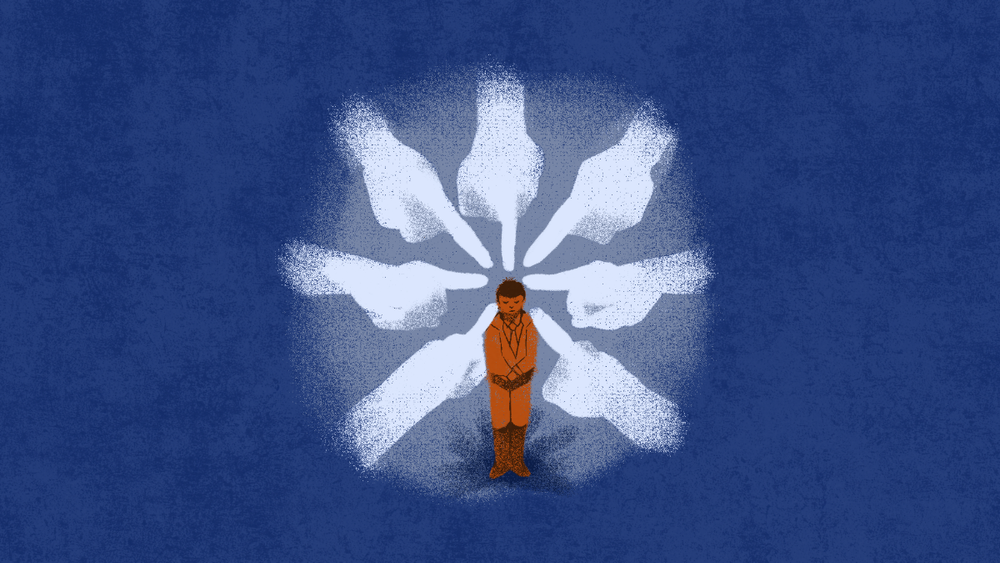
Many so-called undesirables in prison fit into social categories like nerds, geeks, and weirdos. Just like on the outside, they are bullied and unaccepted

Dear Reader,
Prisons often lack humanity and are places where hope is far from abundant, and emotions are usually restrained. Lingering like a ghost in the corner, expressions of pain are often frowned upon by officers and incarcerated people alike, so trauma spreads inward and often goes unnoticed.
This reality is even more pronounced when the person experiencing the trauma is considered one of the prison’s undesirables. You might be wondering: What is an undesirable?
I’ll let Charles explain.
“I’m Charles,” said the shy, red-headed man, unable to meet my gaze. “But you already know that.”
“Tell us your story,” I invited him—always by invitation, never under any pressure. “Let everyone know why prison amplifies grief and misery.”
Charles laughed. His teeth are rotten and corroded, and his breath smells of coffee and disease. His eyes briefly meet mine, and he looks away.
He knows what I’m thinking.
“Everyone makes fun of me,” he said. “Well, everyone but you. But that’s not what we’re talking about. You want to know why everyone here hates me.”
Charles is an outcast, a pariah, a sex offender who fits the stereotypical description of a person you don’t want to meet in a dark alley or find standing in your bedroom when the lights are out. Only Charles isn’t anyone to fear.
“I have an internet-based charge,” Charles explained. “I didn’t think I was hurting anyone. I used to watch a lot of manga, you know, anime. Then I found out about sexy anime and manga, and then I got interested in cosplay. The women who dressed up like my favorite anime characters excited me. I liked them. They were beautiful.”
Charles was a virgin who reminded everyone of Gollum, the ring-obsessed character from “The Lord of the Rings,” the epic fantasy series by J.R.R. Tolkien. “Precious, my precious,” was jokingly said by other inmates wherever Charles went.
“Then I got into furries,” Charles continued. “Furries are people who dress up in costumes and … well, you know. Do adult things.”
Basically, sex sent Charles down a rabbit hole that led to illegal videos.
Many of the so-called undesirables in prison fit into social categories used outside of prison: nerds, geeks, and weirdos. Actually, anyone who can’t defend themselves and doesn’t have a drug, murder, or violence charge usually finds themselves lumped in with the undesirables.
I once heard an inmate say to another, “You talk good. You must be one of them.” The unspoken implication was that they were an undesirable. In prison, if you’re a reader, don’t use hip slang, or can’t quickly string together a sentence of expletives as adjectives, you won’t really fit in. And if you’re not like everyone else, you aren’t accepted.
“My brother died in a car wreck,” Charles explained. “He was driving on a dirt road, it was raining, and he must’ve lost control. He was the only one who never made fun of me.”
Charles didn’t have many friends. Most guys called him a “cell slug,” someone who rarely—if ever—left the dorm to go outside or be seen on the yard.
“I know no one really likes me. That’s why I stay inside, lay in my rack, and watch TV all day. If I don’t have to put myself in situations, I won’t. It does make prison a lot harder, like the punishment is compounded. Not only am I locked up, but I’m terrorized for being different,” Charles told me.
Take something innocuous people do on the outside, like reading “Harry Potter.” Inside, that’s enough to make you an undesirable. Now, making matters worse, think of the stuff you might get picked on for at school, like having bad breath or being poor. Inside, that gets you labeled an undesirable–and it leads to a lot of torment.
“I can remember standing in line at chow; it was cold outside, and I could see my breath,” Charles recalled. “The guy behind me punched me in the back of my head and told me to stop breathing all over the place. My breath always stinks; that’s another reason people make fun of me. I can’t afford to see the dentist or buy good toothpaste.”
Charles’ family abandoned him when he came to prison, a reality that he says hurts him every day. Many people like Charles are viewed as undesirable, both inside and outside of the prisons that confine them. It’s a lonely life, and few know that better than Charles.
“I found out my brother died from a guy I went to school with,” Charles said. “He’d been dead for over a year. No one told me. I was going to the library one day, and this guy walked up out of nowhere and was like, ‘Aren’t you Ron’s brother?’ I nodded, and he told me what happened.”
When Charles called his parents to confirm his brother’s death, their numbers were no longer in service. He wrote them a letter when he couldn’t reach them by phone. About a week later, they sent his brother’s obituary in the mail. He never heard from them again.
Charles spent the next week in bed, his head covered by a blanket as he cried. His fragile state made no difference to the other guys in the prison. They still called Charles names and made fun of him. That is, until someone asked him to sign a card that was circulating for me.
In the sympathy card for my mother’s passing, Charles shared his pain with me, which later led us to talk over coffee.
“When I read the notes in your card, it was like my card too,” Charles said. “I felt comforted for a change.”
When the other men at Northpoint found out how long Charles’ parents waited to tell him about his brother’s death, they’d walk away from the conversations with their heads down. The revelation troubled them and forced them to grapple with thoughts about all of the bridges they burned in their own lives.
One of the guys who was really rough on Charles eventually apologized. He was a guy who, upon finding Charles crying in the bathroom, told him, “Kill yourself or get over it.” The man said he was sorry shortly after I told him what Charles’ parents had done.
“Maybe it’s just that death makes people realize how easily they could be the ones crying,” Charles said.
Things have changed ever so slightly for Charles. A few of the guys chipped in so he could afford the $3 copay to see the prison dentist.
“I got a few teeth pulled, but my breath still stinks,” Charles said matter-of-factly. “It’s going to take a few more visits to fix the problem. I’m still one of the undesirables. Like anything else around this damn place, there are good days and bad days, and you gotta take them both as they come.”
The Right to Write (R2W) project is an editorial initiative where Prism works with incarcerated writers to share their reporting and perspectives across our verticals and coverage areas. Learn more about R2W and how to pitch here.
Author
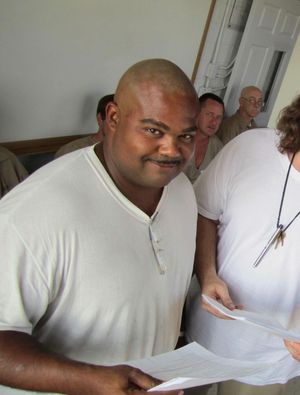
Derek R. Trumbo, Sr., a multiple-time PEN Prison Writing Award winner, is an essayist, playwright, and author whose writing has been featured in "The Sentences That Create Us: Crafting A Writer's Life
Sign up for Prism newsletters.
Stay up to date with curated collection of our top stories.