‘Trump wants to turn Gaza into a colony’: Gazans respond with skepticism to U.S. peace proposal
Gazans warn that President Donald Trump’s 20-point plan sidelines Palestinians and risks erasing Gaza’s rights and identity
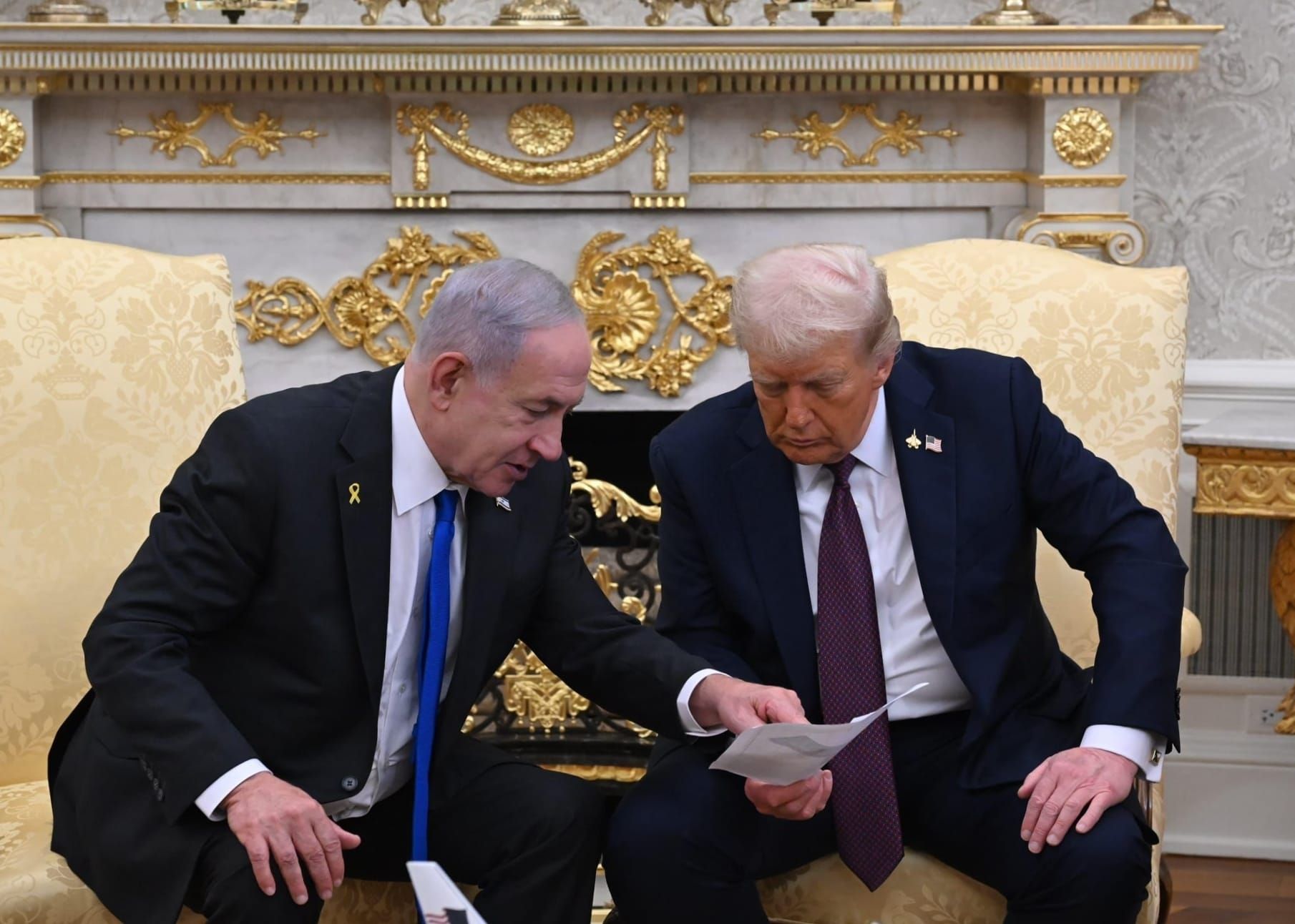
Palestinians in Gaza are closely watching U.S. President Donald Trump’s 20-point “peace” plan, unsure of how or if it will change their daily struggles. The plan promises a ceasefire after two years of devastating genocidal war, as well as urgent humanitarian aid and the release of Israeli hostages, roughly 250 Palestinian prisoners with life sentences, and 1,700 Gazans detained after Oct. 7, 2023. The plan also proposes the disarmament of Gaza under independent supervision.
It also envisions international oversight of Gaza’s administration and efforts to rebuild the battered territory. While Hamas has tentatively accepted aspects of the plan while stressing the importance of Palestinian governance, many people here in Gaza remain deeply skeptical, worried that the proposal sidelines Palestinian voices and threatens Gaza’s rights, identity, and future.
Among those following developments is Maysara Al-Saifi, a 30-year-old medical worker who scrolls through the news daily despite limited internet access. Having survived repeated bombardments, famine, and displacement, she views the promise of an end to the suffering with deep suspicion.
“Trump wants to turn Gaza into a colony, using a false promise of peace to erase our identity and rights,” she told Prism over WhatsApp. “He supports the occupier with weapons, starves us, and threatens to open the gates of hell … and he even boasts that he deserves the Nobel Peace Prize.”
They appointed themselves as our guardians, but it’s our voices that should matter.
Maysara Al-Saifi, medical worker in Gaza
Al-Saifi also condemned the exclusion of Palestinians from discussions that directly affect their lives. “The fact that Trump met with Arab and Islamic leaders without a single Palestinian representative shows that we’ve been erased from the equation. They appointed themselves as our guardians, but it’s our voices that should matter,” she added.
This feeling of marginalization is echoed across Gaza. Twenty-five-year-old Asmaa Abdu, a humanitarian worker, called the meeting between Trump and Arab leaders “a piece of political theater.”
“How can they decide the fate of a people whose representatives weren’t even present? What kind of political and humanitarian absurdity is this?” Abdu said in a WhatsApp message. She described the U.S. plan as “unjust” and “cowardly,” a public display that hides true intentions while serving Israeli Prime Minister Benjamin Netanyahu’s interests.
Shaimaa Ahmed, 36, a mother of a 9-month-old baby who has been displaced seven times, described the plan with a mix of fear and pragmatism.
“I don’t trust the proposal. [Israel] might take their hostages, and the war could return at any moment. We are forced to accept it because it seems like the only option left, and people want to survive,” she said in an interview. She added, “I don’t trust Trump. Every day he says something irrelevant—even he doesn’t know what he wants.”
Dr. Izzeddin Shaheen, 33, an intensive care unit and anesthesia specialist, pointed out the plan’s weaknesses. “The wording is vague. It could even be interpreted as a ceasefire only for the prisoner handover,” he said in a WhatsApp audio message. He stressed that power dynamics, not justice, drives the decisions: “Hamas wants the war to end, while Israel and the U.S. focus on disarmament and governance. I believe they will not agree to end the war without first securing their core objectives.”
Shaheen worried that the plan is more about control than genuine peace. “The U.S. tries to impose control over Palestinian affairs or turn the issue into an international matter,” he explained.
Nevertheless, despite Trump’s claims of an imminent ceasefire, bombardments continued, fueling fears that any temporary pause may do little to stop further genocidal attacks.
What Gazans really want
Even amid doubt and fear, Gazans cling to their priorities.
“As a Palestinian people, especially us in Gaza, we want an end to this war, a halt to forced displacement, and humanitarian aid to enter—but with full preservation of our rights and our land,” Al-Saifi said.
Some see the U.S. proposal as a fragile pause in the bloodshed. Abdu admitted that the plan could offer a temporary reprieve from violence, which she said “has broken our back.”
“We have paid everything—past, present, and future,” she said. “Nothing remains that we fear losing. Whatever the cost, it cannot exceed what has already been lost. We want a truce.”
Across Gaza, the stakes are intensely personal.
“I just want to live a normal mother’s life: Go out with my son, buy him clothes, walk the streets with him, and feel safe,” Ahmed said. “I gave birth to my child during the truce and thought the war would not return, but it did. And I fear that even after this truce, the war will come back again.”
Despite everything, one thing is clear to Gazans: They just want the genocide to end. “We are obliged to accept any proposal that includes a text to stop the war,” Shaheen said. “All other matters can be overlooked or are not of primary concern.”
For many Palestinians, hope and skepticism coexist. They are cautious of externally imposed plans, but their urgent desire to stop the bloodshed is matched by a fierce determination to protect their land, identity, and dignity. As Abdu told Prism, “A true peace requires establishing two states and rebuilding Gaza as it was before the war—without giving up a single meter of land.”
Editorial Team:
Sahar Fatima, Lead Editor
Carolyn Copeland, Top Editor
Rashmee Kumar, Copy Editor
Author
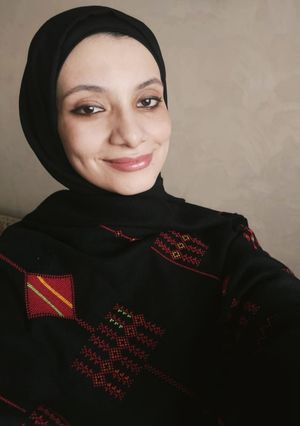
Malak Hijazi is a Palestinian writer from Gaza. Her work centers on memory, disappearance, and the destruction of place under colonial violence. She has published journalistic and nonfiction pieces on
Sign up for Prism newsletters.
Stay up to date with curated collection of our top stories.