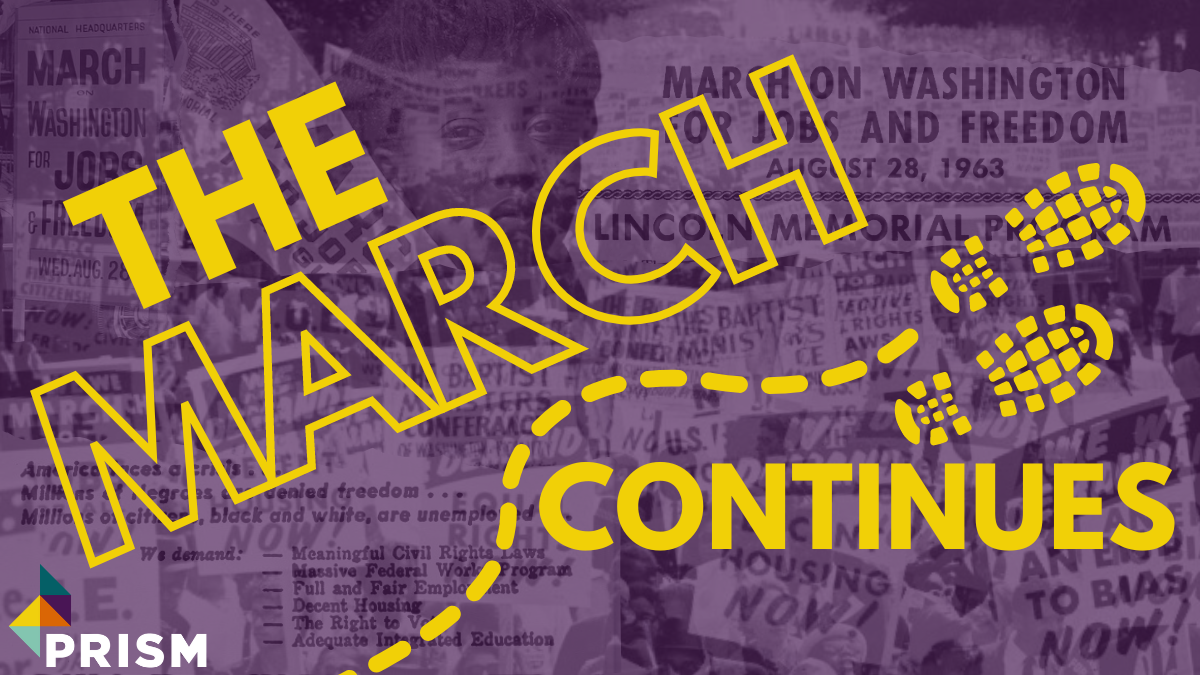
60 years since the March on Washington
To build a better future for workers, we must recognize the racist and blood-stained history of U.S. labor and the shortcomings of the labor movement’s past.
From this place of understanding and healing, we can better push our movements for racial justice and workers’ rights foward. Labor movements are inextricably linked to climate justice, abolition, reproductive rights, immigration, housing and health care, and our political future in which all people have their basic needs met. The March Continues because it must, and we’re here to report on it.
The March Continues is a Prism project highlighting the legacy of the March on Washington and the inextricable relationship between labor and racial justice in the U.S. Prism looks at everything from prison labor, to Black women and their labor organizing in the South, to chattel slavery and its pervasive legacy and replacements.
Created by labor unionist A. Philip Randolph and activist Bayard Rustin, the March on Washington mobilized 250,000 people for Black Americans’ economic and civil rights. Black labor advocates, unions like the United Automobile Workers (UAW), organizers, civil rights groups like the NAACP and Southern Christian Leadership Conference (SCLC), Black activists, and workers understood that their call to action, their fight, and their efforts were stronger together as a united front, even if there were differences in politics and strategy on a more granular level.
Hear from labor organizers about the continued legacy of the march and how we keep moving forward.
The march Continues
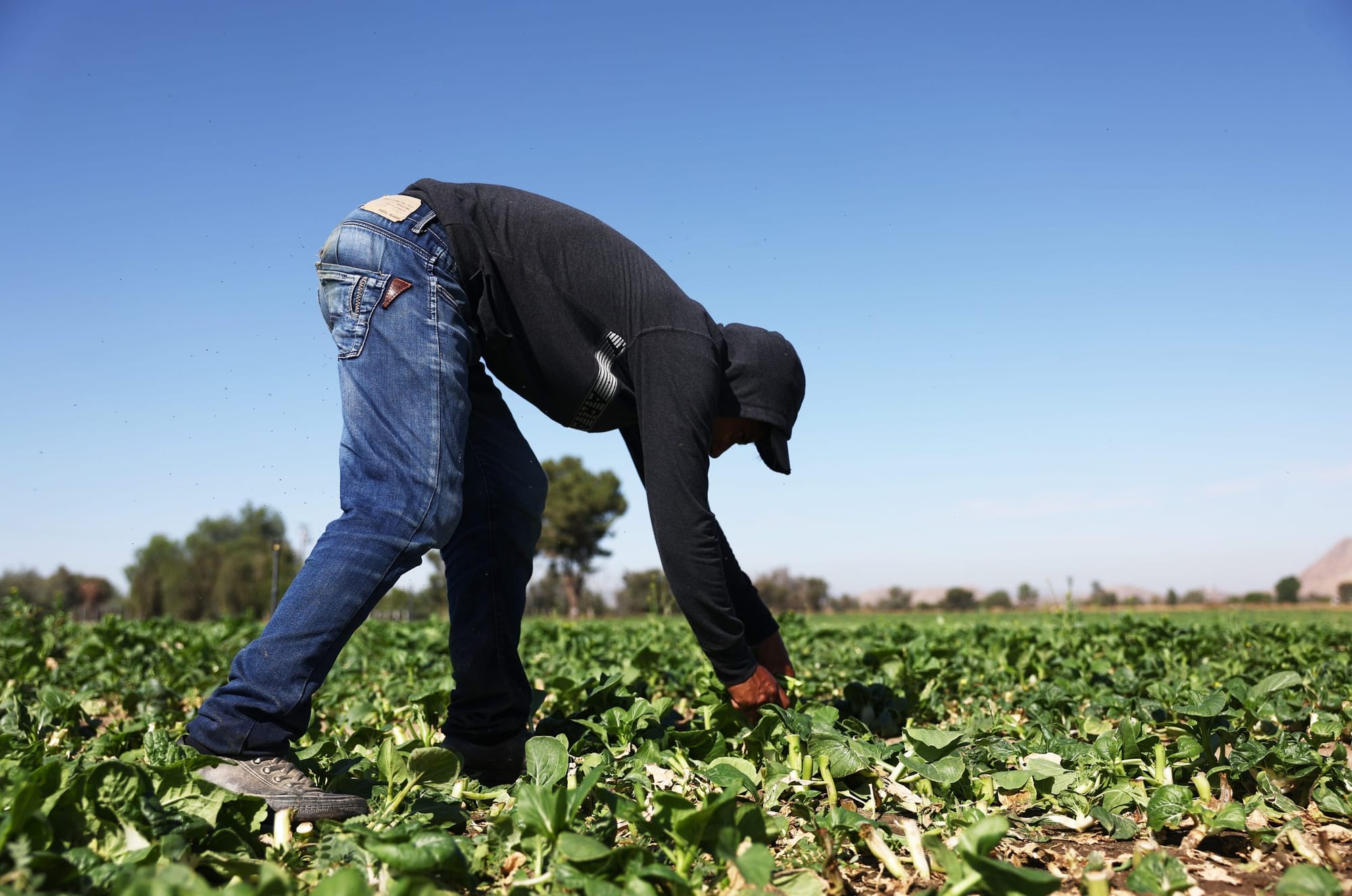
‘There is slavery in the fields of North Carolina’
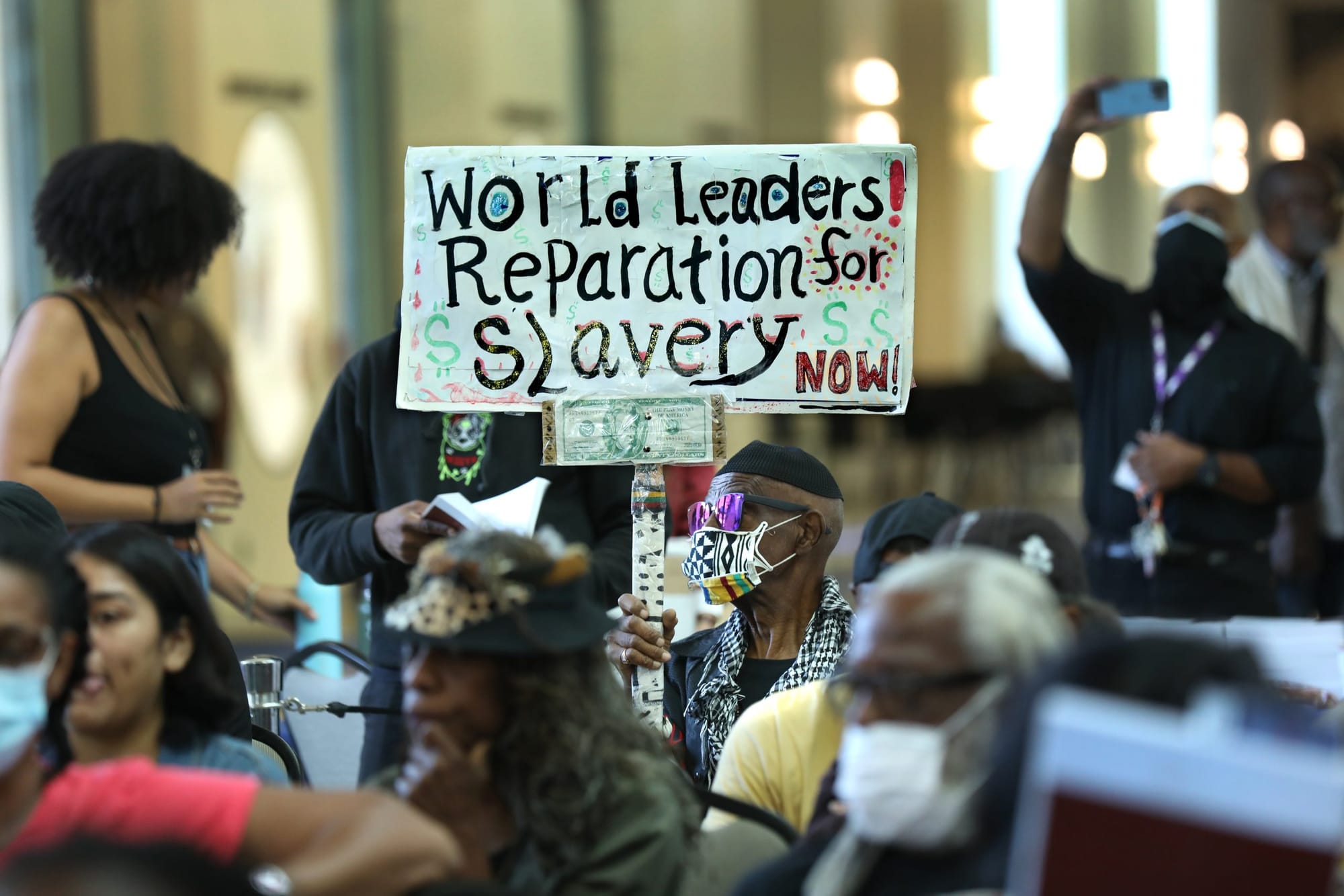
Movements of hope: Abolition and reparations in these times
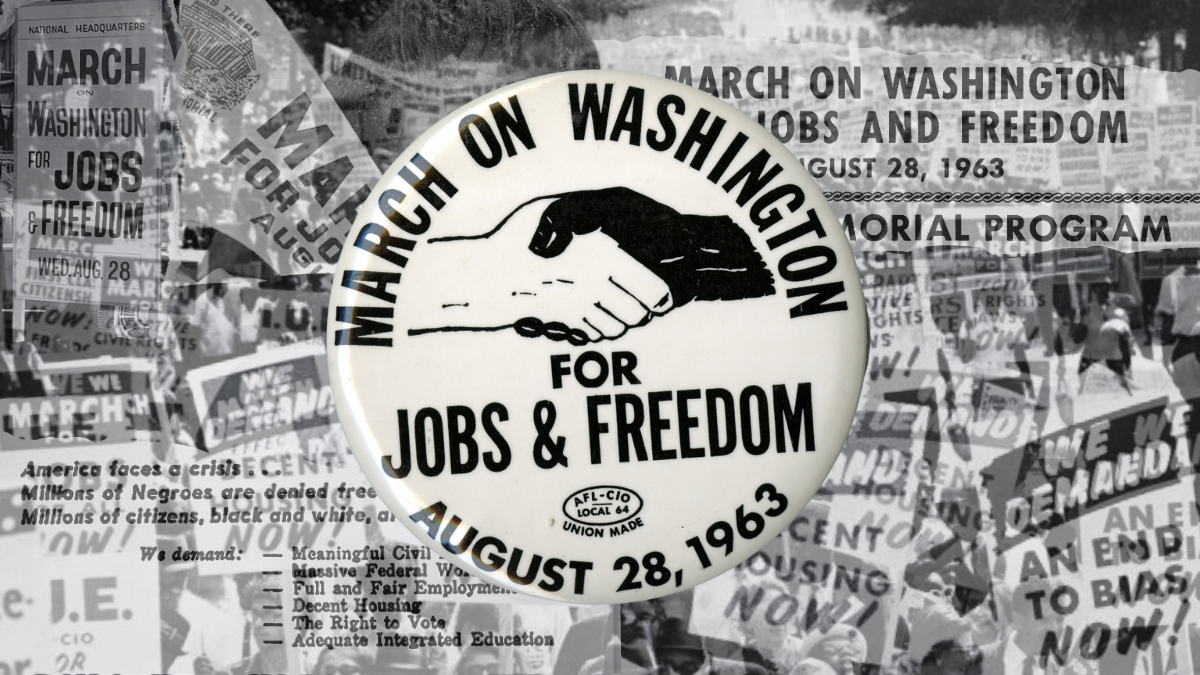
Workers continue the fight 60 years after the March on Washington
racial justice x workers’ rights

Former staff at LGBTQIA+ rights organization Lambda Legal complain of anti-Black bias
Planned Parenthood Southeast workers dispute independent review that cleared leadership of misconduct

A leading Black media organization is abandoning its workers—and its values
Something went wrong. Please refresh the page and/or try again.
abolition x workers’ rights
Vermont Department of Corrections once claimed to support abolition and is now aggressively pursuing a new prison
New York prisons are still struggling to resume normal operations nearly a year after illegal officers’ strike
Long prison sentences function as involuntary sterilization of incarcerated people
Something went wrong. Please refresh the page and/or try again.
climate x Workers’ rights
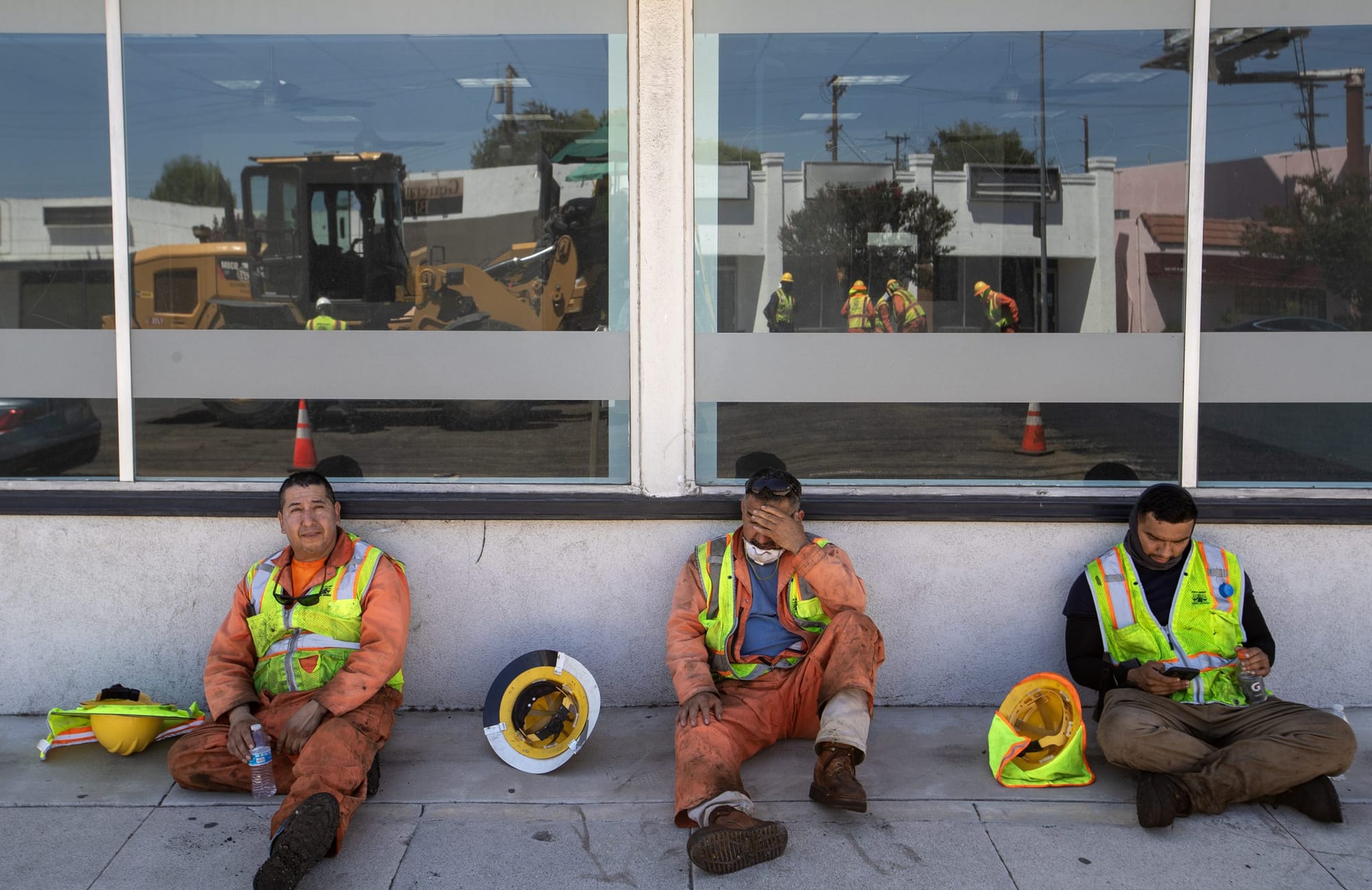
California delays vote on critical indoor workplace heat safety standard
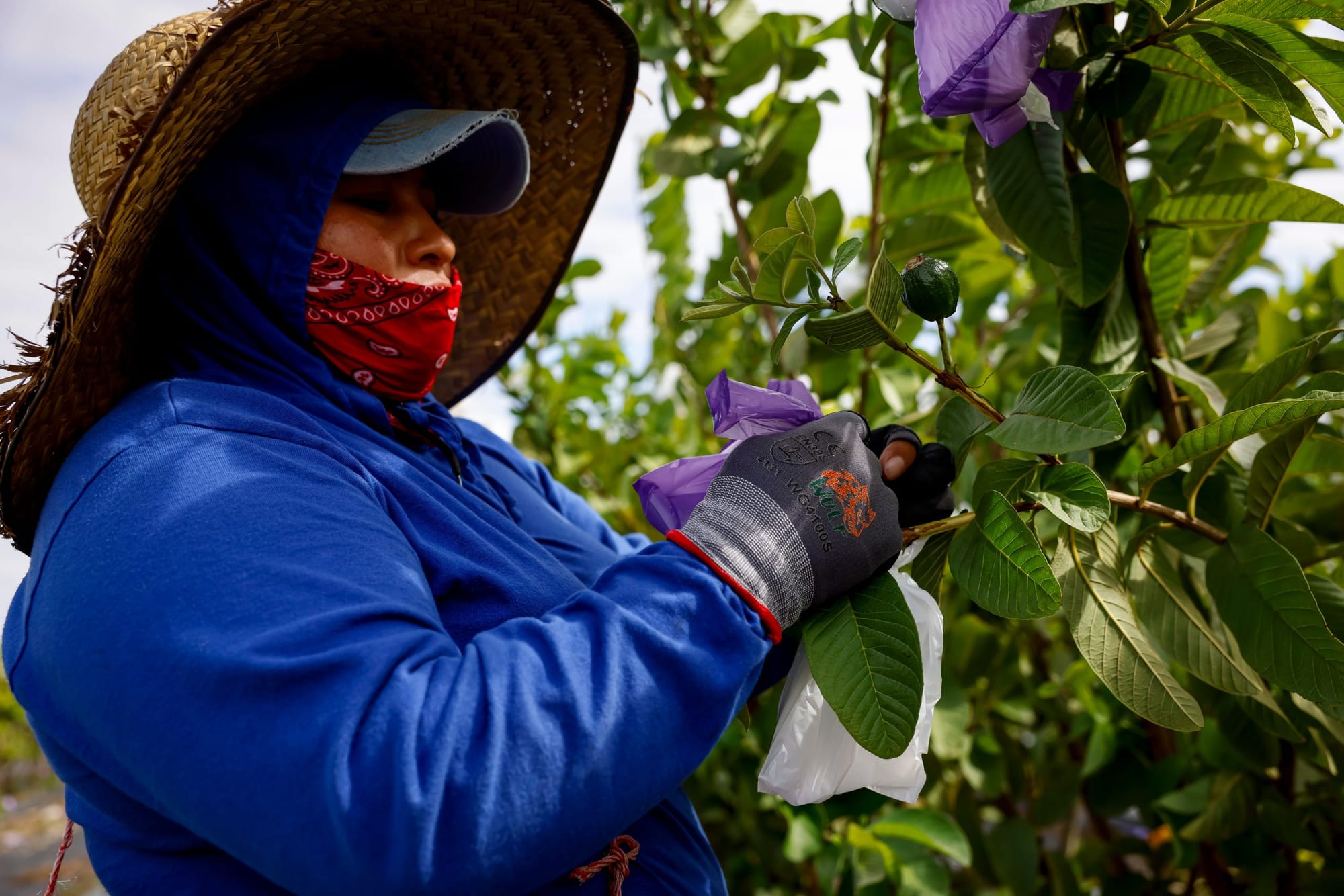
Florida blocks heat standards from being passed across the state
5 movements that mobilized you in 2023
Something went wrong. Please refresh the page and/or try again.
migrant labor movements
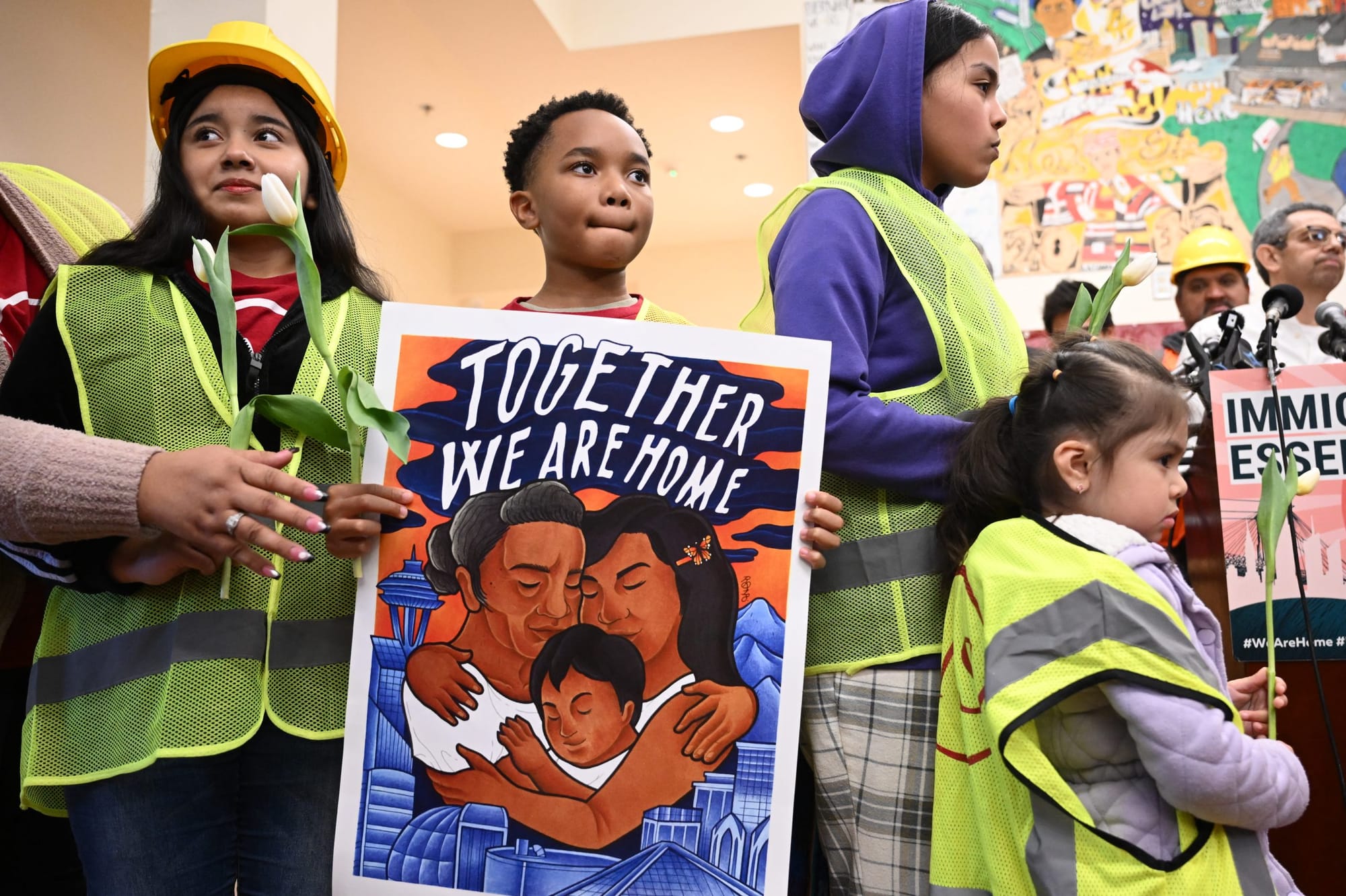
We heroicize migrant workers in their deaths and deny them dignity in life

There’s a lot we don’t know about farmworker deaths
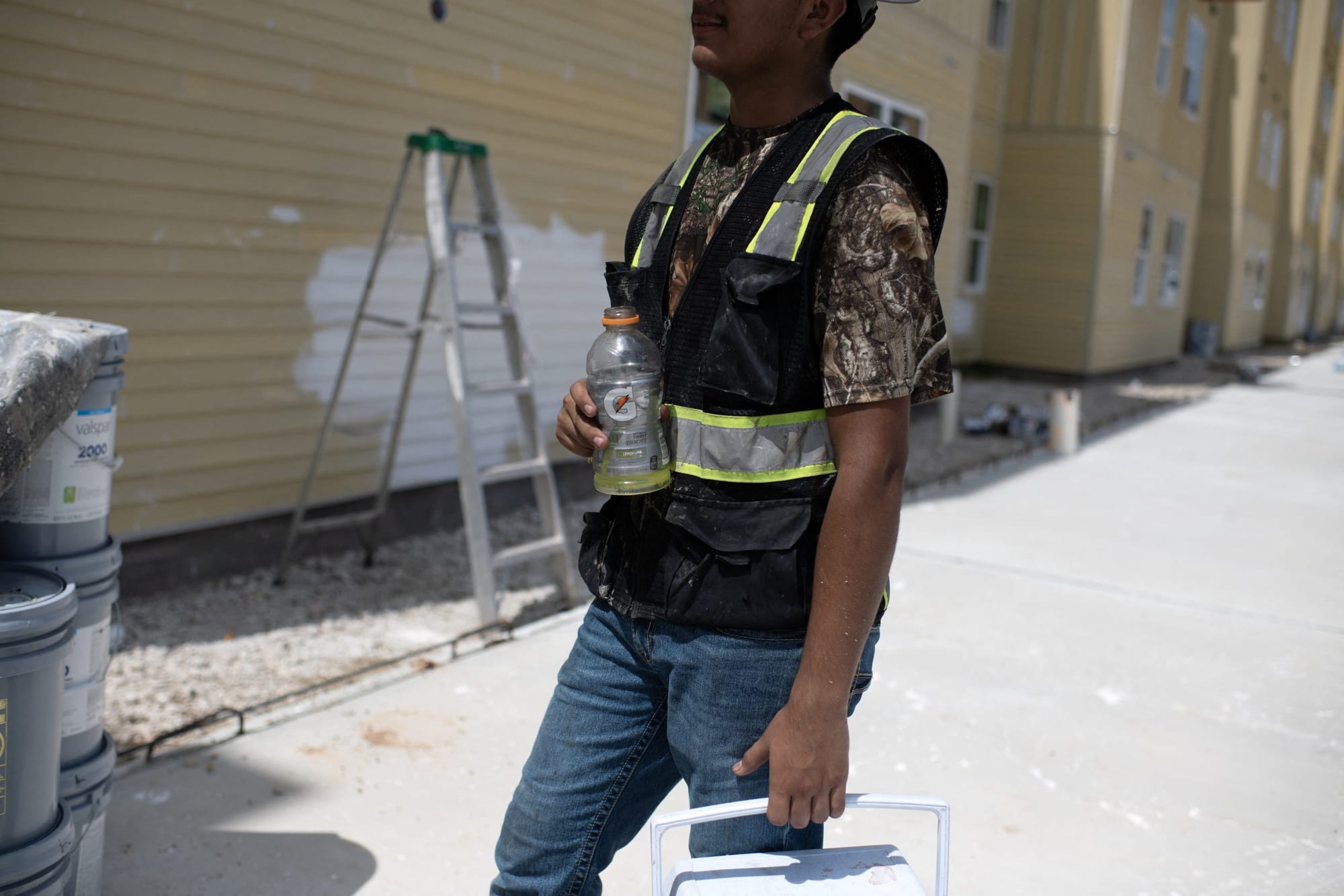
New Texas law strikes down rights for immigrant workers
Something went wrong. Please refresh the page and/or try again.