When police officer Daniel Pantaleo killed Eric Garner on July 17, 2014, by placing him in an illegal chokehold, it sparked a nationwide movement for Black lives. In the weeks following his death, Garner’s daughter, Erica, was thrust into the public eye and placed at the forefront of activism.
For years, she existed in liminal space: A daddy’s girl forced to confront a life without the comfort of her father and a Black woman who bore the mythical mantle of inexhaustible strength, advocating against police brutality without pause to grieve or heal. Her journey as an activist exacted an unbearable personal toll: Erica died of a heart attack in 2017. She was 27 years old.
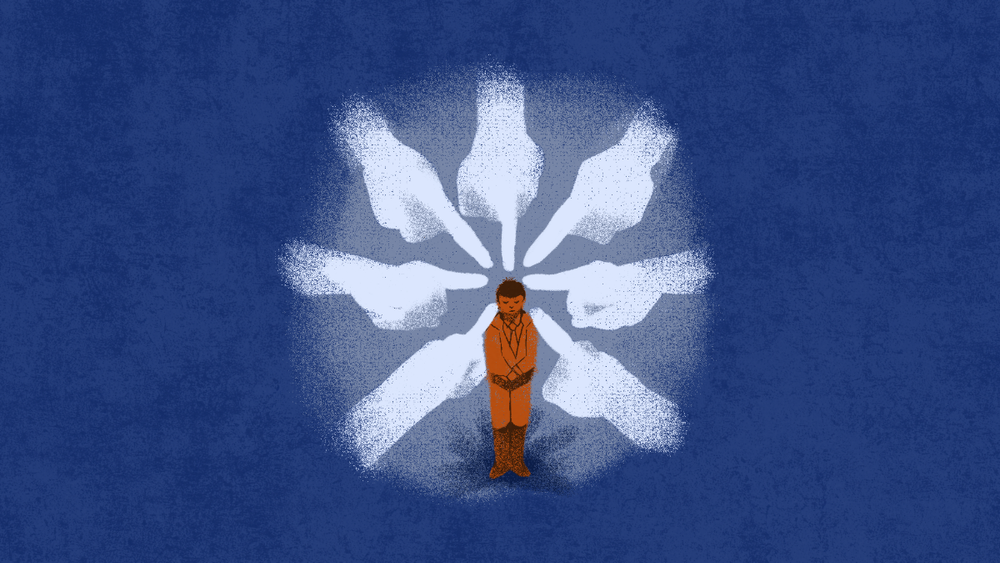
This dangerous myth of “superhuman” prowess often shadows the psycho-emotional cost of oppression on Black women and Black communities, painting us as icons of endurance. Society expects us to bear the brunt of racial stratification, state-sanctioned violence, and economic inequalities—all while devising new approaches, language, and ways of being to aid others in their inability to see our humanity. The societal expectation is that we do this labor without expressing anger, sadness, or acknowledgment of the impact of intergenerational trauma. Instead, we are presumed to navigate this dual existence as both victims and unyielding ethical beacons, silently bearing the weight of the expectation to fight for a just future while our present suffering is minimized.
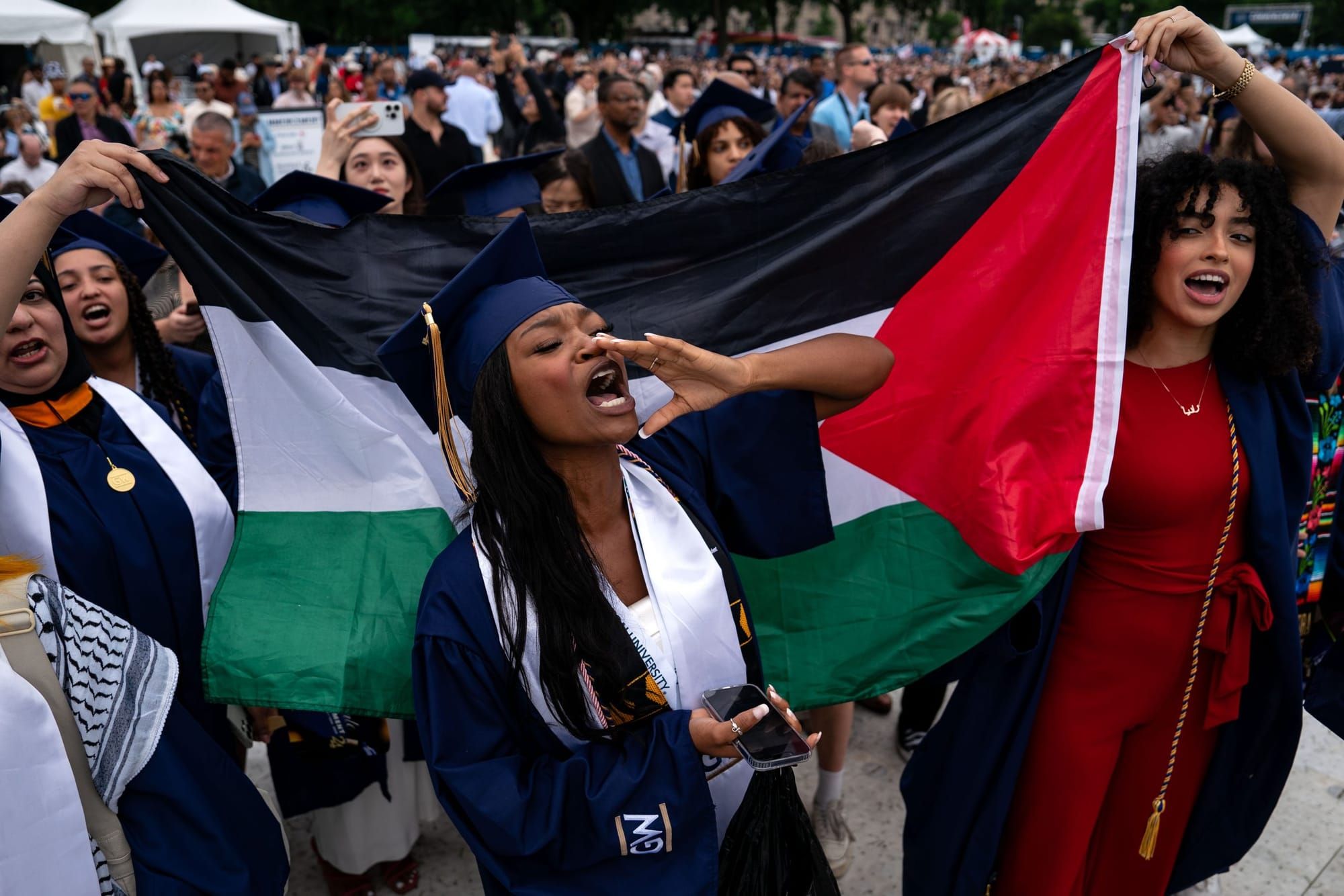
Similarly, since Israel’s genocide against Palestinians began in October, activist accounts have flooded our news feeds with haunting images from Gaza, where narratives too often depict Palestinians, including children, as otherworldly examples of mental, physical, and spiritual tenacity. While the world watches in admiration of Palestinians’ courage and unyielding determination, there’s a failure among the larger public to recognize the full implications of this resilience—or the generational inheritance that necessitates it, an inheritance not chosen or magical but rather imposed by oppression.
There is a prevailing mindset in Western society that all but demands individuals who face profound suffering demonstrate that they can overcome these challenges in extraordinary ways. However, the notion that those most deeply impacted by injustice must display near superhuman characteristics not only diverts our attention from an essential truth but also perpetuates a dehumanizing dynamic. No person should have to exhibit exceptional resilience to be considered by society as deserving of empathy or to propel collective action toward change. And this acknowledgment and action certainly should not hinge on the loss of human life. The constructed lens in which society measures resilience requires dehumanization—by framing suffering as a catalyst for remarkable endurance rather than as a reason for immediately uprooting the systems that cause such harm.
In this way, oppression and genocide are not isolated incidents but rather interconnected and relentless cycles. When Black activists advocating for a ceasefire declare, “We know occupation, we know colonization, we know police brutality,” and when murals in Palestine bear the phrase “I can’t breathe,” it signifies a history of solidarity. It also illuminates a stark reality: Our profound connection stems from shared suffering and the persistent attempt to heal wounds in a sociopolitical reality that continues to perpetuate them. Our bond lies in the aspiration and fight for life beyond turmoil, where we are not forced to conceal our pain. After all, allowing oneself to grieve or to publicly say “this hurts” is rarely deemed revolutionary.
We want to do more than merely survive. We yearn for a life where resilience is not our sole response to brutality.
There has been widespread praise across social media for the countless videos of Palestinians successfully saving loved ones by removing rubble with their hands, parenting under constant shelling and bombing, and ingeniously baking bread with makeshift ovens while displaced in tents. These viral displays of survival highlight a troubling trend. As viewers form parasocial relationships with specific people documenting and navigating the perils of genocide, support and empathy have become concentrated on those with whom viewers feel a deep personal connection, overshadowing the broader systemic injustices that underpin this crisis.
If we are to look forward to a future in which Palestine is free, we must acknowledge the harm and fallacy of expecting Palestinians to emerge unscathed from the impact of a decades-long occupation and more than nine months of constant mourning, struggling to survive, and evading death. When the echoes of bombs are no longer heard, we will have to confront the horrors we’ve witnessed. The intensity of our demands for ceasefires and humanitarian aid must now equal our commitment to supporting the healing of trauma across Gaza. More broadly, we must accept that justice remains an elusive ideal until we confront that the world is intentionally designed so that some are predestined to suffer more than live and that systemic injustices are rooted in dividing people into categories of whether or not they are seen as human.
This truth is not new. We carried it long before October.
There is an ongoing struggle for human dignity, healing, and liberation. In the face of oppression, resilience is not enough. We cannot build a just world on the backs of those who endure injustice. True liberation will only come when we confront and uproot the systems that make resilience a necessity. We must strive to create a world where safety, dignity, and equality are not ideals but the bedrock of our existence. A world where Palestinians—and all communities oppressed by the weight of injustice—can embrace their humanity unfettered.
Perhaps one day, the word “resilience” will be obsolete because it speaks to a bygone era—before the systems that demanded such endurance were uprooted. Until that day, we must remember that the fight for justice is a generational heirloom, passed down from those who have endured to those who now carry the burden forward. All of us are tired. Yet, as long as one person is living under the threat of violence and oppression, we cannot rest.
Author
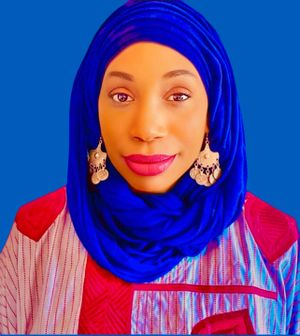
Rashida James-Saadiya serves as the Executive Director of the Muslim Power Building Project, a national leadership collective dedicated to supporting emerging Muslim organizers with the necessary tool
Sign up for Prism newsletters.
Stay up to date with curated collection of our top stories.