The famine we are experiencing in Gaza fuels depression
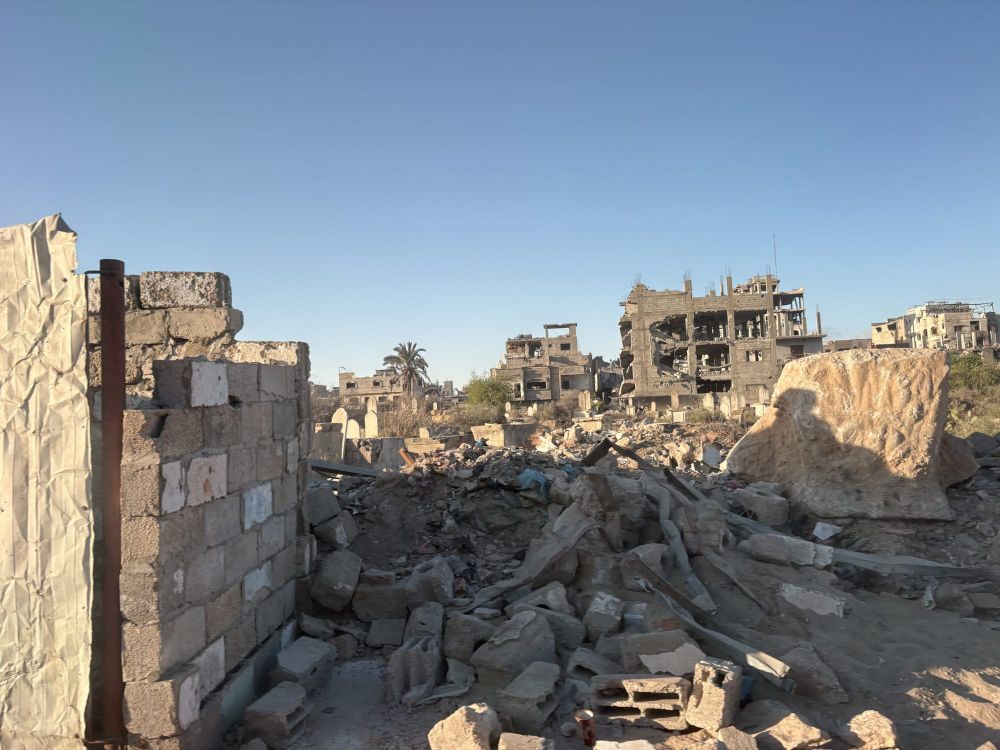
After nearly two years of genocide, displacement, and blockades, our bodies—and our minds—are weakened
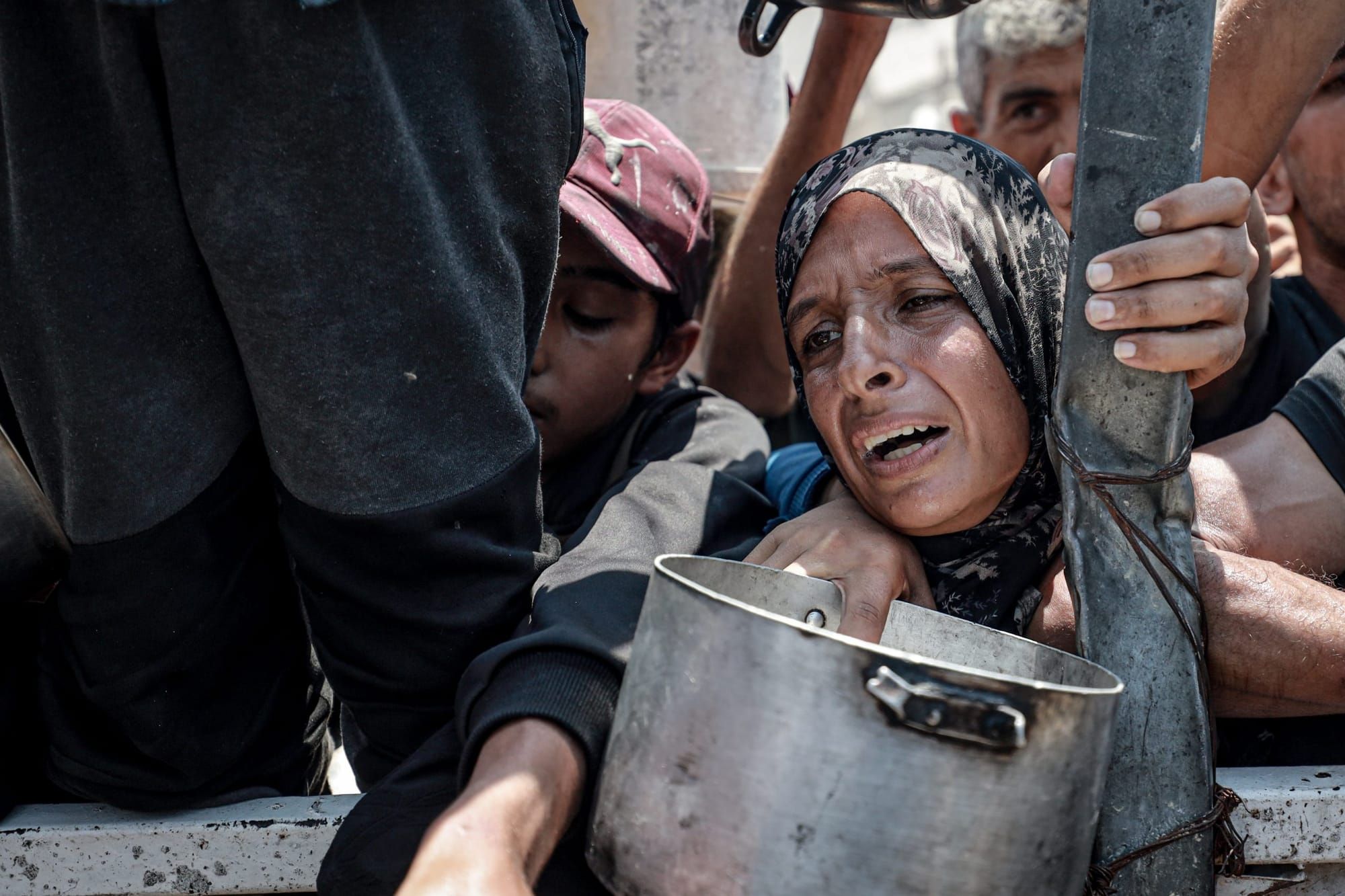
I am writing this while my stomach eats itself. My vision is blurry, and my hands tremble over the keyboard—not from fear or anxiety, but from the hunger that devours us in the Gaza Strip. Virtually no food has entered for three months, just bombs accompanied by global silence.
I think constantly about how there is no food, no potable water, no fuel. There is only my lightheadedness; it chases me around the clock as I am living what currently feels like a meaningless life. Still, I write. Not because I am strong enough for this suffering, but because I believe if I give up, our suffering will absolutely vanish into the silence.
I have witnessed starvation before. It was February 2024, just a few months into the genocide. But this time feels more unbearable.
After almost two continuous years of war, displacement, fear, tears, and so much suffering, our bodies are weakened and have become fragile because of our suffering, and now hunger preys on us when we feel most defeated. Hunger and exhaustion fill our days, along with disappointing news of stalled negotiations and lost loved ones. I worry we have lost the energy to resist more pain; we are asked to endure too much.
“I wish I could go back in time to eat more food before being starved,” said my 7-year-old little brother, Ahmed. He said these heartbreaking words while we looked at old videos and photos on my phone, full of yummy food before this war. He broke my heart into pieces. If I cannot bear this starvation, how can children? The short answer is they cannot. Earlier this month, 21 children of Gaza died of starvation in 72 hours.
I am lucky to have one meal a day, as thousands of my people go without food for days on end. However, what my family eats is not really a “meal.” Lentil soup is the only thing we can afford to eat, and the price we pay is unbelievable. Today, about two pounds of lentils cost $30. Previously, the same amount cost $1. Even the rich people in my city are struggling to afford food, now treated as a luxury during this time of widespread starvation.
“I am hungry.” I have said this many times in my life, and I never meant it the way I do now.
All of our faces are pale, our bodies thin. It is only an assumption that our bodies will be able to continue enduring and resisting. The truth is, our bodies may not keep up. “I am hungry.” I have said this many times in my life, and I never meant it the way I do now. The hunger carries a weight of humiliation I never thought I would feel. I was never hungry before. Not in this way. Being hungry today is an attack on our dignity.
My mom and dad spend each day with thin bodies and busy minds, struggling to secure us something to eat. This makes my blood boil. Seeing the helpless looks on their faces kills me. My mother has had two serious surgeries, including one on her spine. Without meat, milk, vitamins, fruits, or anything healthy, her injuries cannot heal. I worry about her, and I think about her health constantly. My frustration tugs at me because I cannot provide her body with the nutrients she desperately needs.
Every morning, we gather together, hoping to secure a meal for the day, and each day, we are shocked by the rising prices. About two pounds of flour is more than $30. And even if we could find flour, and even if we had money to purchase it, there is never enough for our large families here in Gaza. A week ago, it was a rare day when we could finally afford falafel with a sliver of bread. Each of us had two pieces. That was our one exceptional meal in recent weeks after too much lentil soup, but lentils in different forms continue to be unavoidable. Gazans now make falafel from lentils because beans are now so overpriced.
“[The United Nations Relief and Works Agency for Palestinian Refugees] has enough food for the entire population of Gaza for over three months stockpiled in warehouses,” the organization posted on X on July 19. “The supplies are available. The systems are in place. Open the gates, lift the siege, allow UNRWA to do its work and help people in need among them 1 million children.” It was painful to read these words. Over 1.9 million of us in Gaza are displaced and starving as Israel continues to enforce a blockade. There is so much aid stockpiled yet restricted by the Israeli government, which only permits limited aid trucks to enter Gaza each month.
In the Zikim area of Gaza, where the Israeli army places sacks of flour for starving Palestinians, many risk their lives just for the chance to bring a single bag of flour back to their families. In July, the Israeli military killed 94 Palestinians as they tried to get food aid. This has become a very common practice, with Israel killing more than 1,000 starving aid seekers since May. These people weren’t carrying weapons or ammunition. They carried only a desperate hope to return with food to keep their children alive. People go to food-aid sites knowing the danger, but hunger leaves them no choice.
And I have no choice but to keep going. I must write, study, memorize, and learn—all on an empty stomach. Sometimes I feel my brain is not functioning properly; I can only think of food. My brain lags. Nothing would make me more productive than food, so I just force myself to complete tasks. I encourage myself by remembering that this, too, shall pass. I am documenting my starvation, which is difficult as my brain falters. Starvation impairs concentration, problem-solving, and comprehension. If a new idea comes to mind and I don’t jot it down immediately, I will forget it completely. I have never experienced this before, and it feels devastating. I wish I could find my own solution instead of having to wait for an Israeli soldier to allow food to enter Gaza.
Starvation is also compounding our already suffering mental health. Fear, anxiety, starvation, and deep sadness—these are the feelings that rule our lives. The constant gnawing hunger with no food to eat also fuels depression. Our minds are also overwhelmed thinking of the uncertain future ahead. Survival is a daily battle, and we must keep going until there is a ceasefire.
Despite all of this chaos, I still have hope that food will enter Gaza. I dream of seeing our markets reopen, full of food and families gathered to eat beautiful meals, without fear of whether it will be their last or if they will be shot down while shopping for ingredients.
I write this to document our suffering, but also to tell the world now of the painful realities shaping our lives, the brutality that cameras cannot capture.
Editorial Team
Tina Vasquez, Lead Editor
Lara Witt, Top Editor
Stephanie Harris, Copy Editor
Author

Sara Awad is an English literature student, writer, and storyteller based in Gaza. Passionate about capturing human experiences and social issues, Sara uses her words to shed light on stories often un
Sign up for Prism newsletters.
Stay up to date with curated collection of our top stories.