Texas bill to restrict voting rights runs out of time, but organizers warn of similar state and federal bills
The SAVE Act in Texas is dead after organizers educated the public, but the bill might pass at the national level
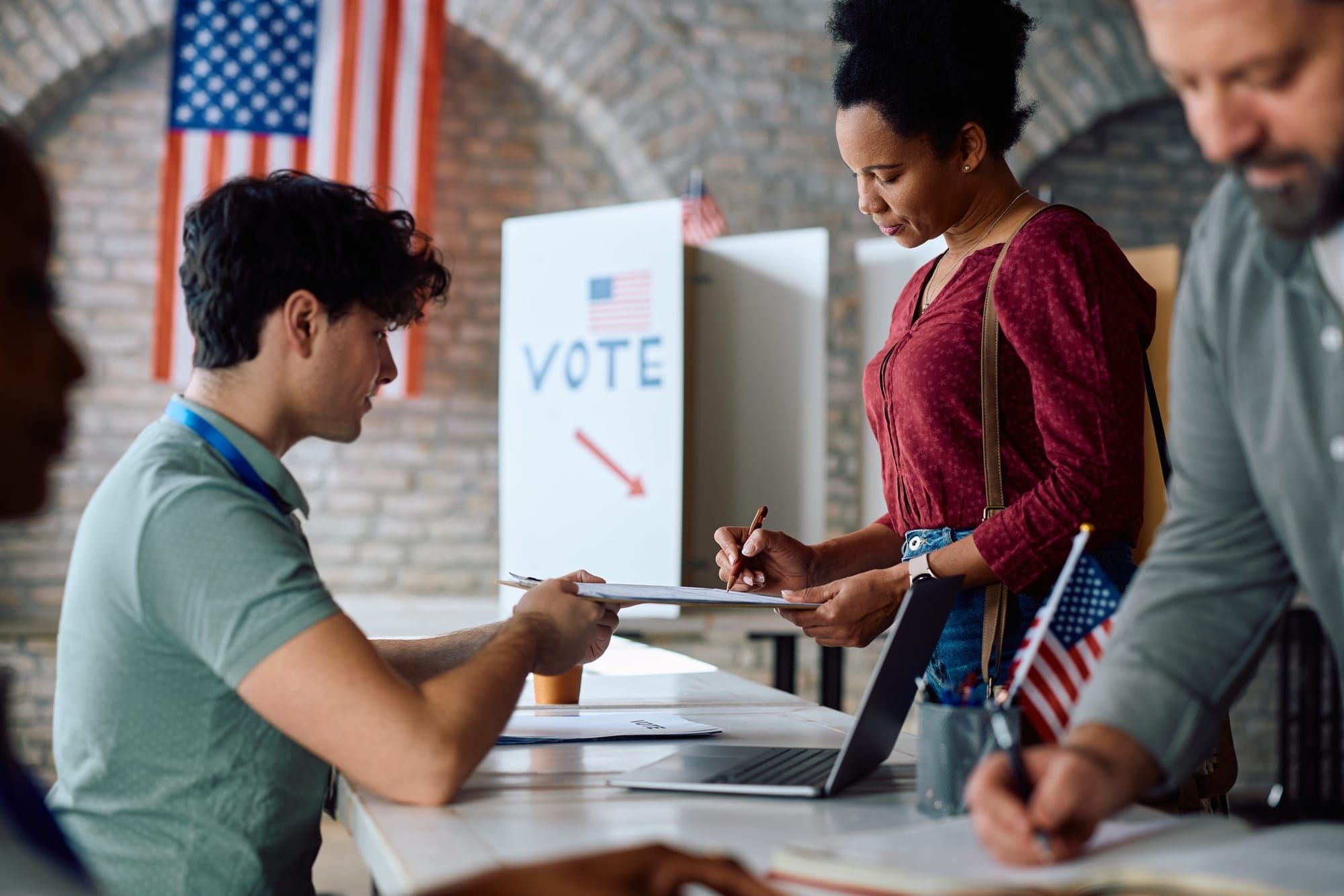
A bill that would threaten the voter eligibility of more than a million Texans has run out of time to be heard in the state’s House of Representatives as the deadline passed on May 25, after a monthslong campaign that brought over 50 organizations across the state and the country to stop it in its tracks. The Safeguard American Voter Eligibility (SAVE) Act was introduced in March by Rep. Carrie Isaac and would have required eligible voters to produce proof of their citizenship in the U.S. to confirm their voting eligibility.
Organizers told Prism that their efforts to raise awareness about the harmful impacts of the bill helped like-minded lawmakers stall it long enough through the Texas House Committee on Calendars, which pushed the reading up to the deadline.
“We had cast enough doubt about its implications that it didn’t have the political capital to be prioritized,” said Amber Mills, issue advocacy director at MOVE Texas, a grassroots organization that focuses on building political power for young people. “Ultimately, there were other bills across issues still on the table that ended up taking priority for the final calendar.”
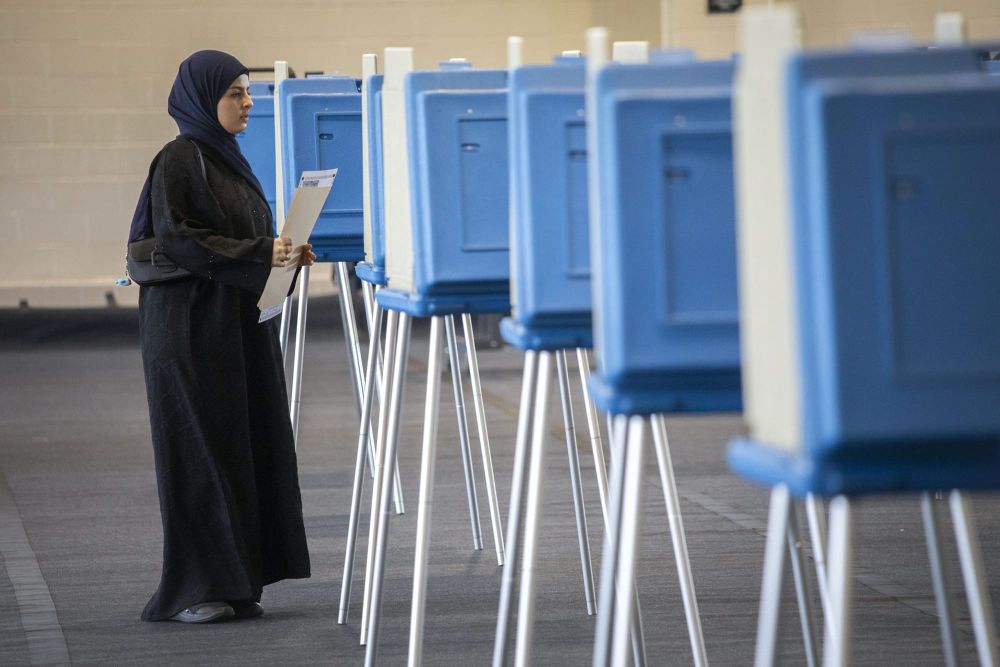
An estimated 1.3 million Texans eligible to vote do not have access to proof-of-citizenship documents and would potentially have been unable to vote if the bill passed. While organizers in Texas cautiously celebrated the victory, they also warned of similar bills being pushed in other states and at the national level. According to the Voting Rights Lab, which tracks election policy across the country, there are currently 60 proof-of-citizenship bills being considered across 27 states as of publication, in addition to the federal version of the bill, which would require all American citizens registering to vote or updating their registration to present proof of citizenship in person. Voters would only be able to prove their citizenship with a passport or a birth certificate.
In Texas, organizers succeeded in stopping the bill through multiple strategies of communication that nailed down the specific demographics who would be impacted by proof of citizenship. According to Mills, the message organizers focused on was the fact that noncitizens are already not able to vote by law, and that the impact would be on American citizens, who would face “extreme barriers, confusion, and chaos” when registering to vote.
“The county elections offices would now be required to take on this extra burden that would cost time, resources, and additional staff to really figure out,” Mills said. “So this would really have an impact across voter registration for all voters, even if they’re not the ones that are going to be directly impacted by the bill.”
The bill would also have hit young voters from rural areas who struggle to access the documentation necessary to prove their citizenship status, as well as married women who have changed their names from what’s on their birth certificates. Emphasizing the impact on these two groups through both digital and physical campaigns was essential to inform the public about the bill and mobilize the community to speak out against it, organizers said.
Community organizers also drew from their experiences in previous elections. Laredo-based organizer Cecilia Jimenez De La Fuente, who has registered voters for eight years in her city, said the process is already difficult in the current system, and that the proposed restrictions would have added an unnecessary extra burden to the process.
“It’s just a means of excluding more people,” De La Fuente said. “It specifically harms first-time voters, women, and even people who recently became naturalized citizens.” She added that she herself would have been affected because she recently got married and changed her name, which now doesn’t match the name on her birth certificate.
Organizers also lobbied Republican representatives who had not backed the bill yet, explaining that the proposed voting restrictions would affect their own constituents.
“Especially in Texas, Democrats tend to live more in the urban areas,” Mills said. “That was the point that we actually kept making when we were going in meetings with Republicans who were not authors of the bill. …‘This is really going to harm your voters; they are more likely to face obstacles under this bill.’”
Rural voters are less likely to have passports because of the cost of the document, and obtaining a birth certificate would also be costly and require travel to government offices. The bill would also require rural voters to drive on average 4.5 hours to the nearest election office, as mail-in voting would no longer be permitted.
While the SAVE bill in Texas is now dead in the water, similar bills have cropped up in 27 states. Louisiana, New Hampshire, and Wyoming have passed similar restrictions, and a federal version of the bill has been passed in the U.S. House. If passed in the U.S. Senate, the law would ban online, mail-in, and automatic voter registration, affecting tens of millions of voters. According to the Center for American Progress (CAP), 69 million American women do not have a birth certificate with their legal name and could not use it to prove their citizenship. The impact also cuts across class lines, as only 1 in 5 Americans with an income below $50,000 have a valid passport, according to CAP.
I want people to understand that only citizens are already voting, and in fact, a lot of U.S. citizens are not voting because it’s inaccessible as it is
Cecilia Jimenez De La Fuente
“The SAVE Act is a blatant attempt to stop millions of eligible Americans from voting and suppress our constitutional right to vote,” said Brett Edkins, the managing director of policy at Stand Up America. “In New Hampshire this year, 95 people were turned away from the polls in a March election because they couldn’t meet the strict documentation requirements. When Kansas enacted a similar law, 31,000 eligible American citizens were blocked from registering to vote.”
The federal version of the bill is a top priority for President Donald Trump and Speaker Mike Johnson. While Senate Democrats have vowed to block it, the fight for maintaining voting rights at the grassroots level is “seeing incredible energy,” Edkins said.
“I think this is a real bright spot in some of the advocacy we’ve seen over the last few months, but the fight is going to continue to protect our right to vote and our democracy in the months and years ahead,” he said.
In any upcoming fight for voting rights, De La Fuente emphasized that it’s essential to raise awareness around how inaccessible voting currently is, in addition to combating the bill federally and in different states.
“There’s this idea that voting is easy, and with a bill like this, [people think] well, what’s wrong with asking for proof of citizenship?” she said. “I want people to understand that only citizens are already voting, and in fact, a lot of U.S. citizens are not voting because it’s inaccessible as it is.”
De La Fuente said it’s no coincidence that Texas, which has one of the lowest voter registration and voter turnout rates in the country, was among the states pushing its own SAVE Act.
“I really want folks to know that this is dangerous and that we are a long way from having a fully functioning democracy that’s actually working for us,” De La Fuente said.
Editorial Team:
Sahar Fatima, Lead Editor
Carolyn Copeland, Top Editor
Stephanie Harris, Copy Editor
Author

Nicole Froio is a writer and researcher currently based in Rio de Janeiro in Brazil. She has a doctorate in Women's Studies from the University of York. She writes about gender in pop culture, social
Sign up for Prism newsletters.
Stay up to date with curated collection of our top stories.