When climate disaster strikes, those who are the most vulnerable are often the first to be left behind
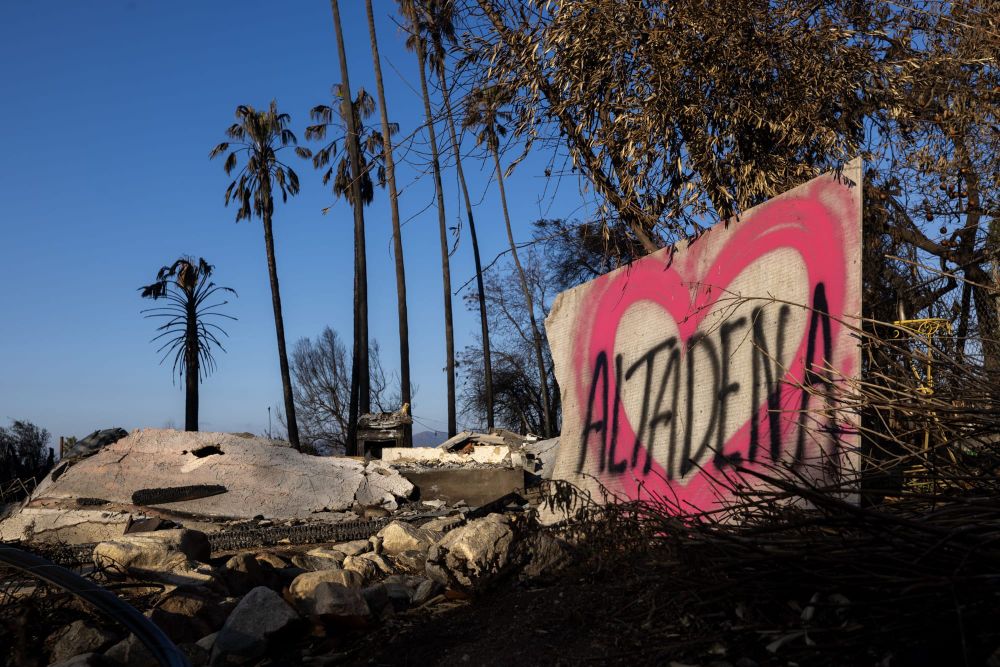
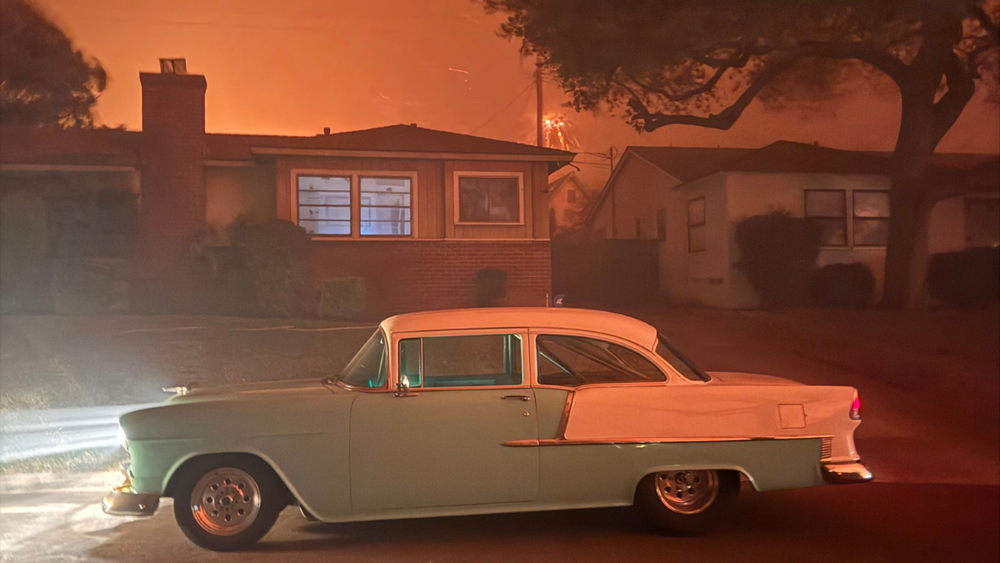
After the fires destroyed thousands of homes, displaced residents face rental price gouging and dire need for essential supplies
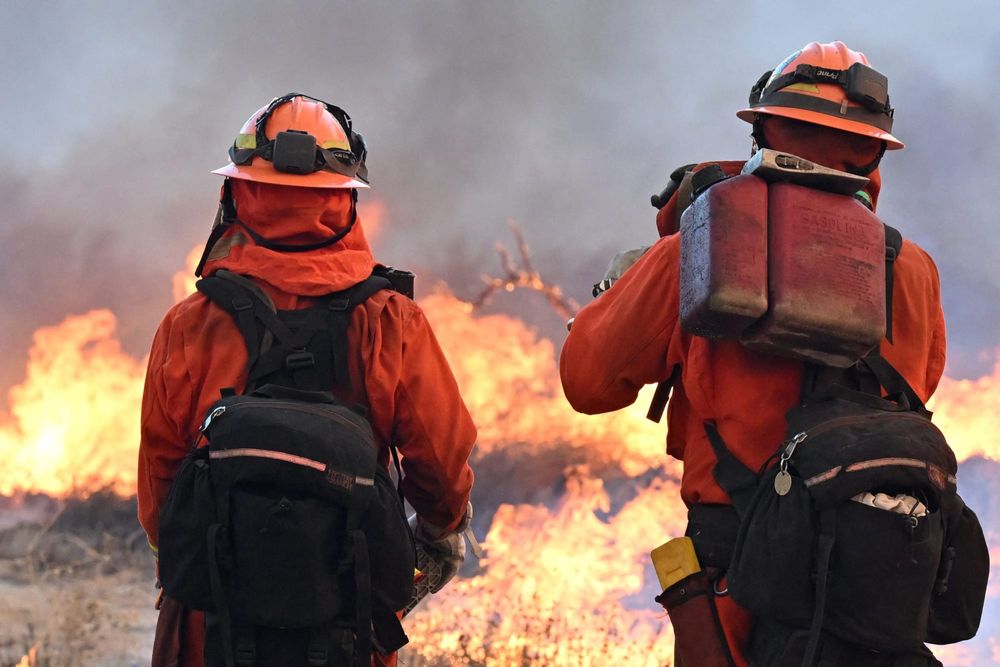
Californians voted against banning slave labor in prisons. A few months later, over 1,000 incarcerated firefighters were deployed to save the very state that upheld their exploitation
Local residents cite climate and budgetary changes to explain why the Palisades and Eaton fires spread so ferociously, but the culprit is slightly more complex
Home insurance companies are increasingly refusing to protect vulnerable areas, as severe weather events become more common due to climate change
When smoke from wildfires in Quebec started blanketing New York’s morning sky last summer, Corey Arthur, an incarcerated person at Otisville Correctional Facilities west of Newburgh, figured it was probably a chemical explosion. Despite having heard about the wildfires for several days on the news, he could barely believe
Officials are still working to narrow down the total number of children who may have died
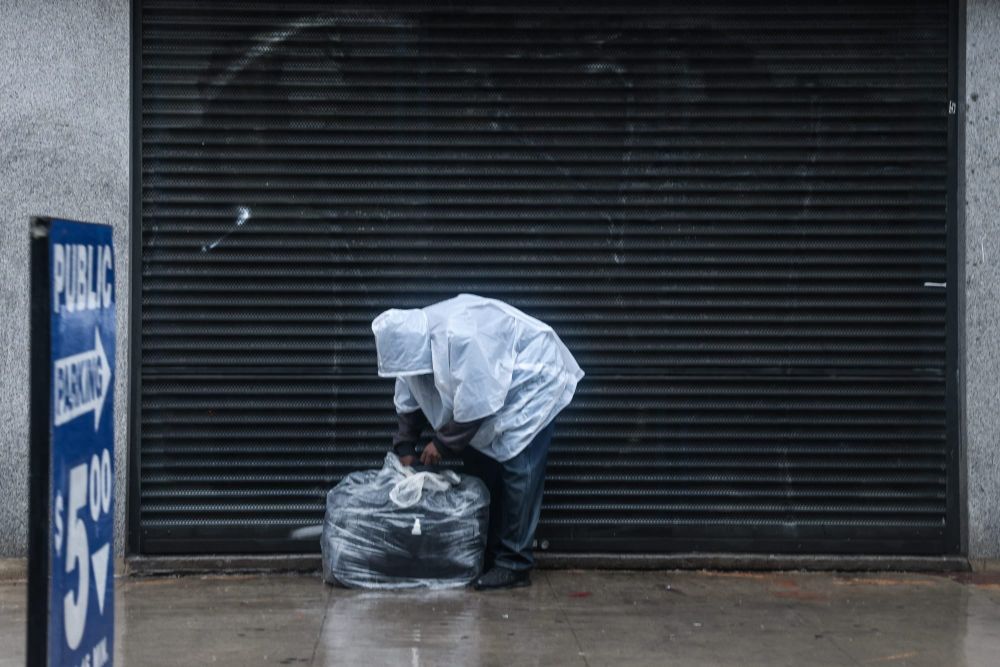
Organizers say the current system for emergencies operates too slowly to support unhoused Angelenos
The legislation has strayed far from its initial model of labor-minded price floors and supply management to creep into the corners of federal institutions where structural racism thrives
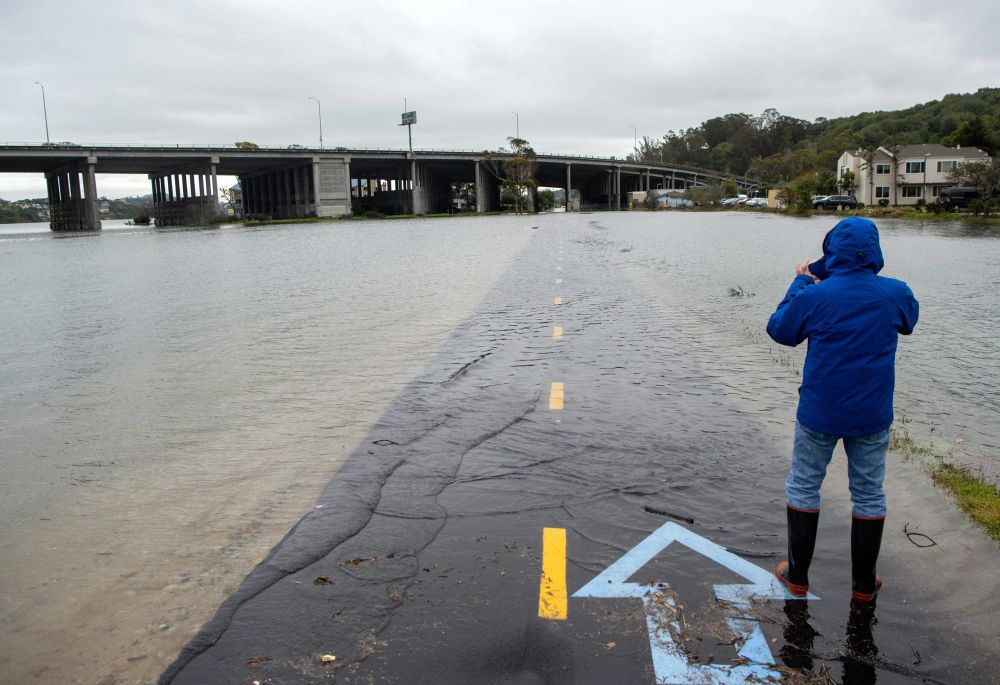
As climate crisis fuels migration, adaptation planning organizations must listen to the communities most impacted to avoid repeating and compounding historical injustices
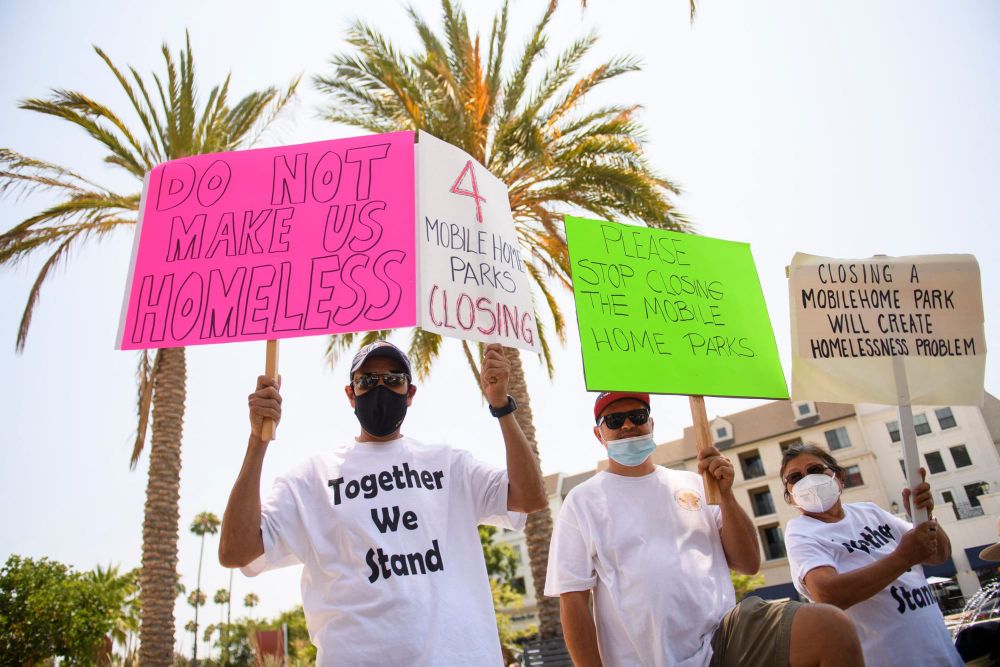
Manufactured and affordable homes are disproportionately susceptible to climate change, but housing cooperatives give autonomy and power back to residents and improve their quality of life
Fires fueled by climate crisis expose the intersecting injustices incarcerated people face and the comprehensive reforms needed for a Just Transition
Showing 12 of 14 total posts
Stay up to date with curated collection of our top stories.