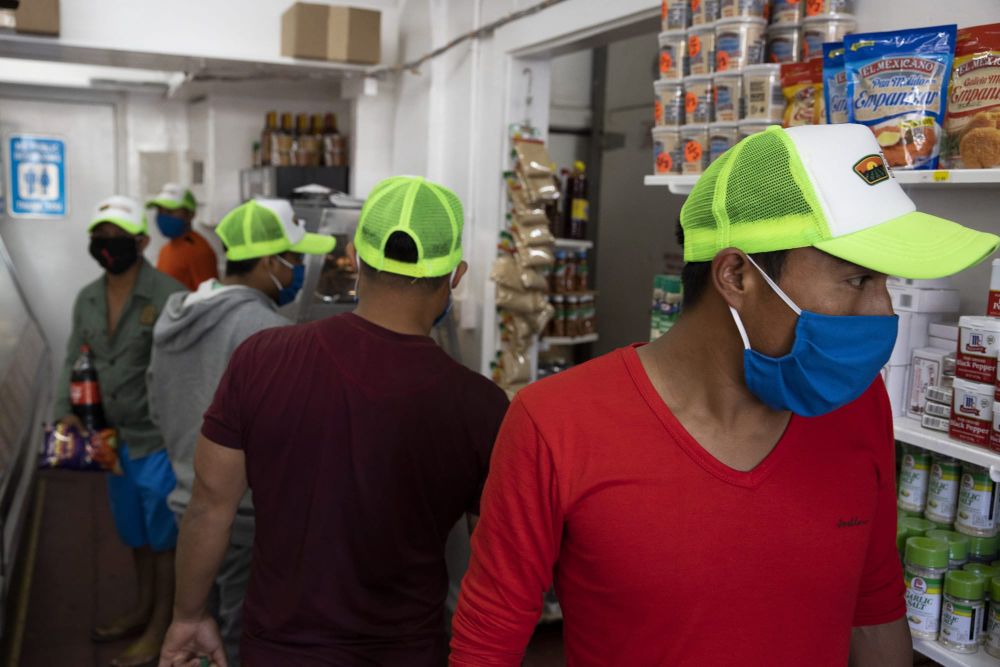
For decades, the labor movement has treated undocumented workers as “unorganizable.” Now these workers are doing some of the most innovative labor organizing in the U.S.
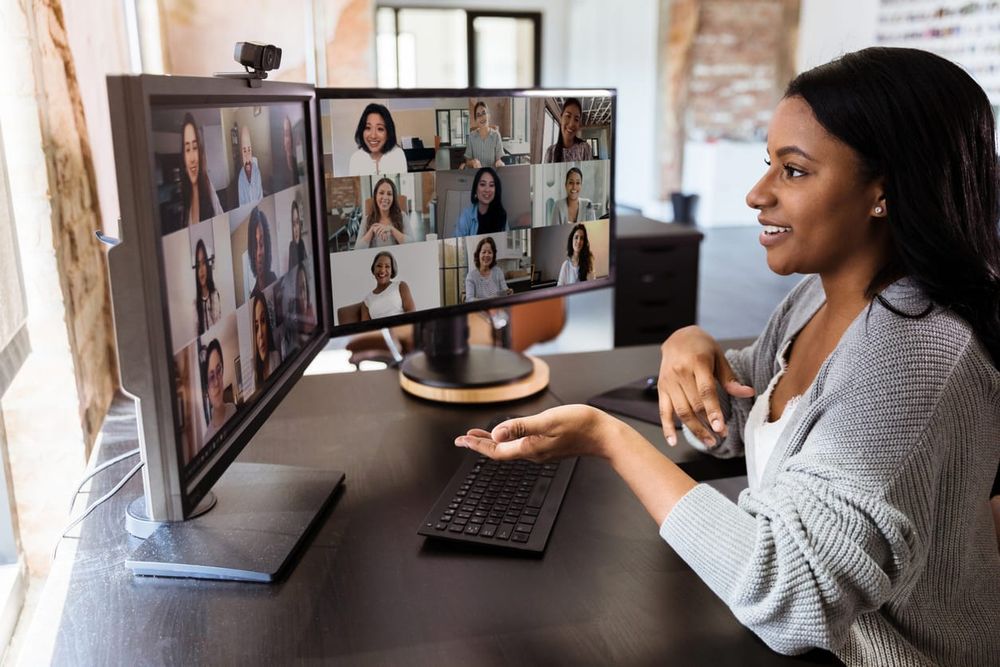
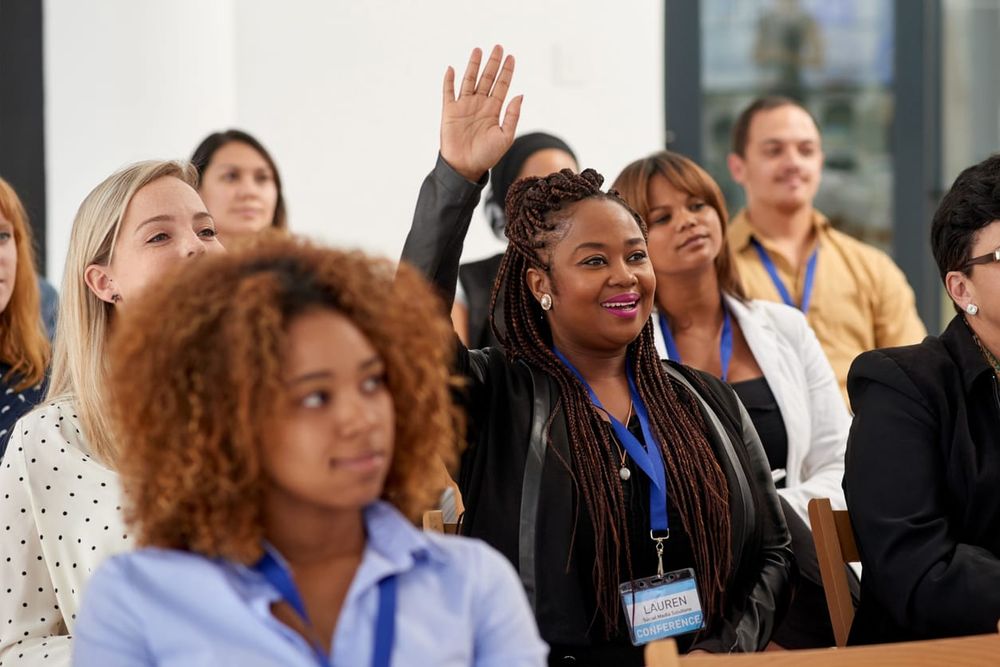
As companies start to force employees back into the office, some BIPOC workers are trying to emphasize the benefits of working remotely
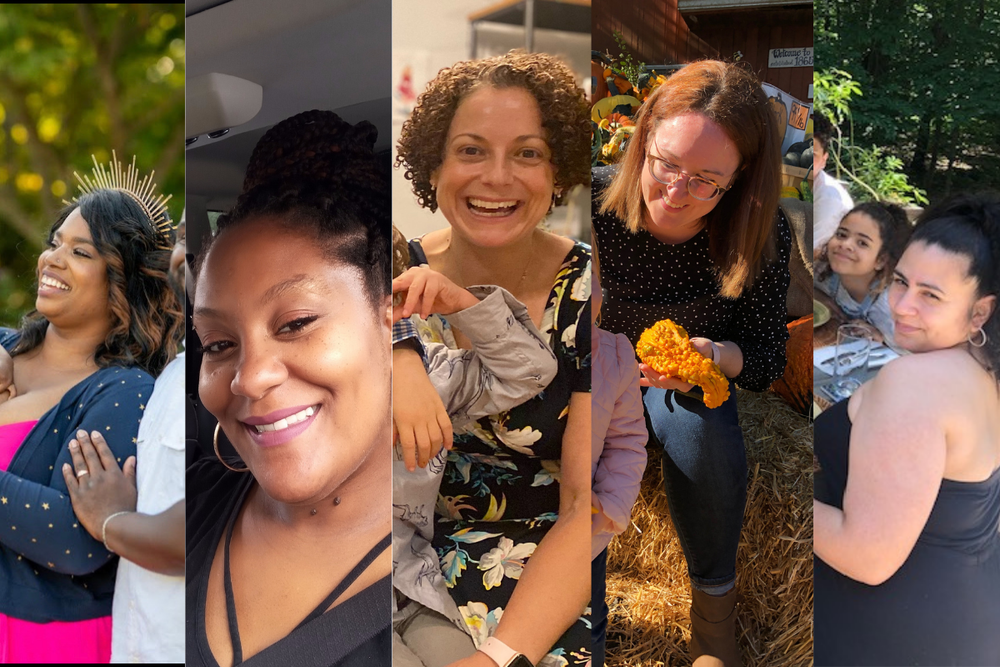
Women have yet to recover from labor force losses due to COVID-19 and a lack of structural support for working parents
Providers are asking for a seat at the table when making organizational decisions that affect patient care
Formerly incarcerated workers aren’t just replacements filling staff shortages, they’re a legitimate part of the American workforce
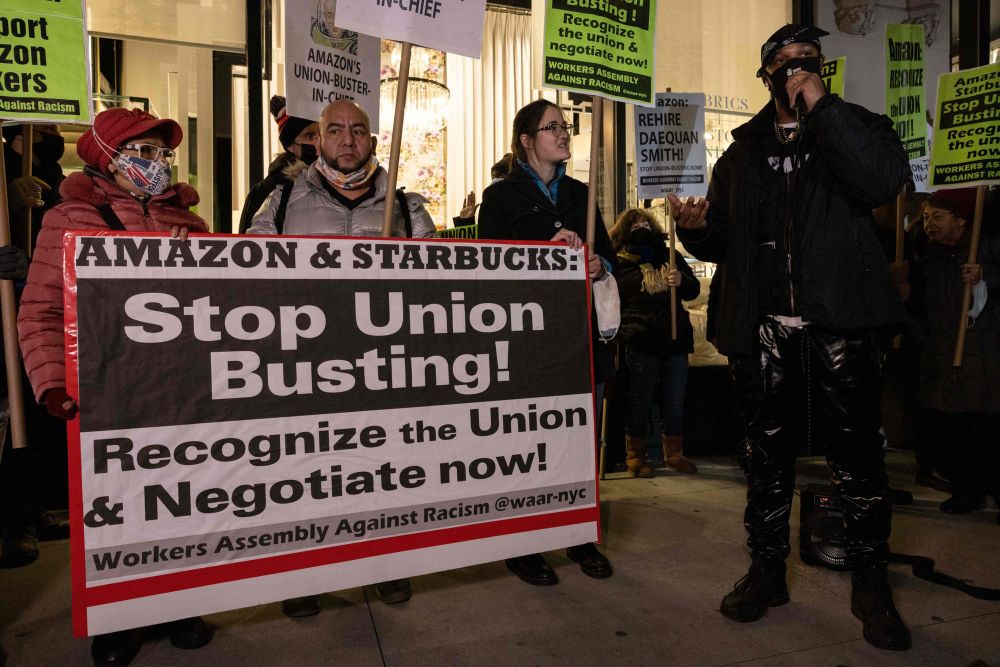
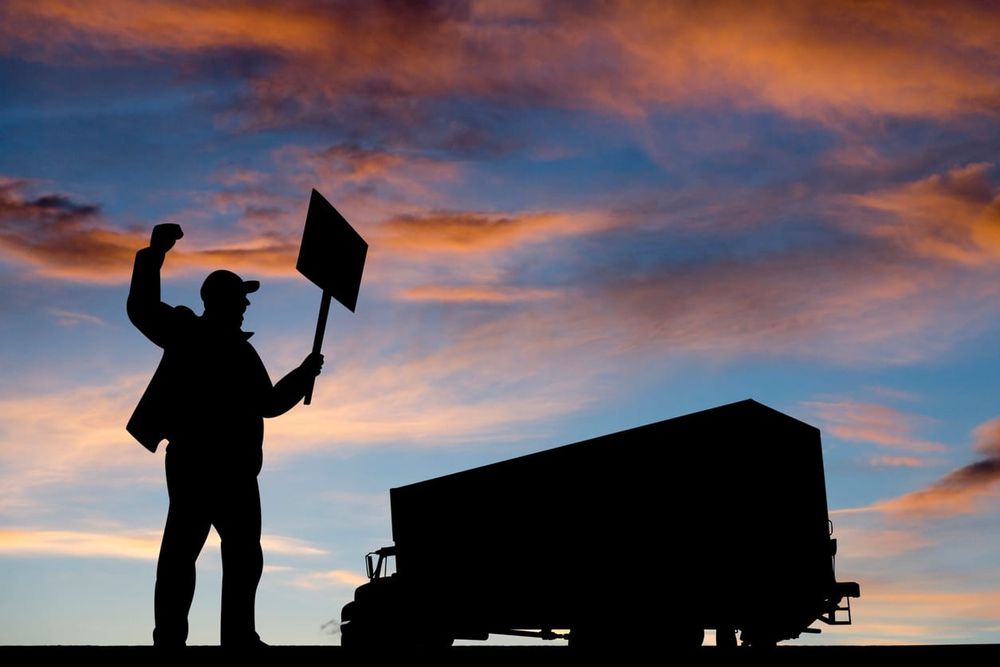
Union rates remain at historic lows as workers still face high turnover, union busting, and fears of retaliation. These workers explain the barriers and the small wins that give them hope
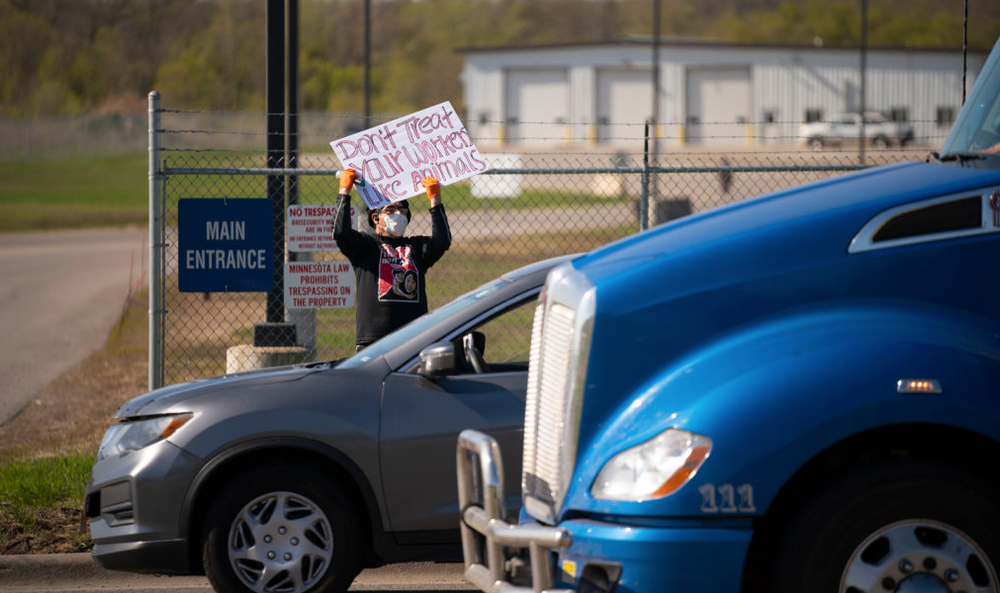
Largely employed by meatpacking plants and farms, immigrant workers contend with hazardous conditions along with discrimination, low pay, and language barriers.
Federal programs providing workplace development and training must reflect the needs of BIPOC workers and create measurable results in racial equity.
The future of an industry in crisis depends on support for the most disenfranchised: Its workers, before they leave the industry for good.
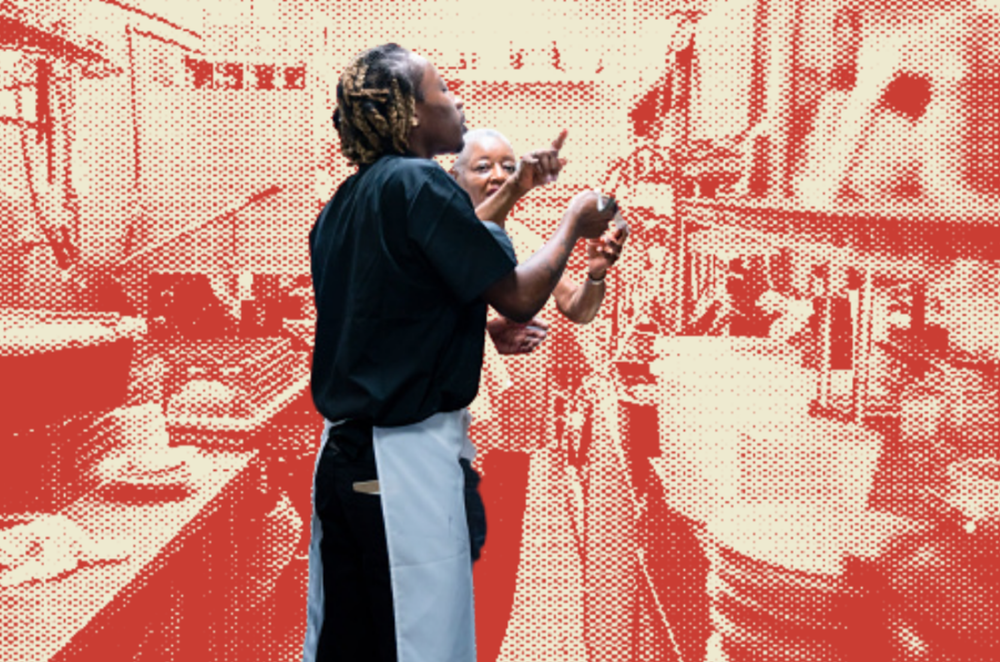
While the restaurant industry decries a “labor shortage,” back-of-house restaurant workers are demanding safeguards to prevent more loss of livelihoods and lives to the pandemic.
Last week, activists and organizers delivered the signatures needed to formally request a vote to form Amazon’s first ever union.
Don’t let union-busting efforts fool you. Workers’ rights advocates say unionizing is almost always worth the effort.
Showing 12 of 49 total posts
Stay up to date with curated collection of our top stories.