The industrialization of tobacco in the U.S. encompasses colonization, slavery, and its latest victim: migrant farmworkers
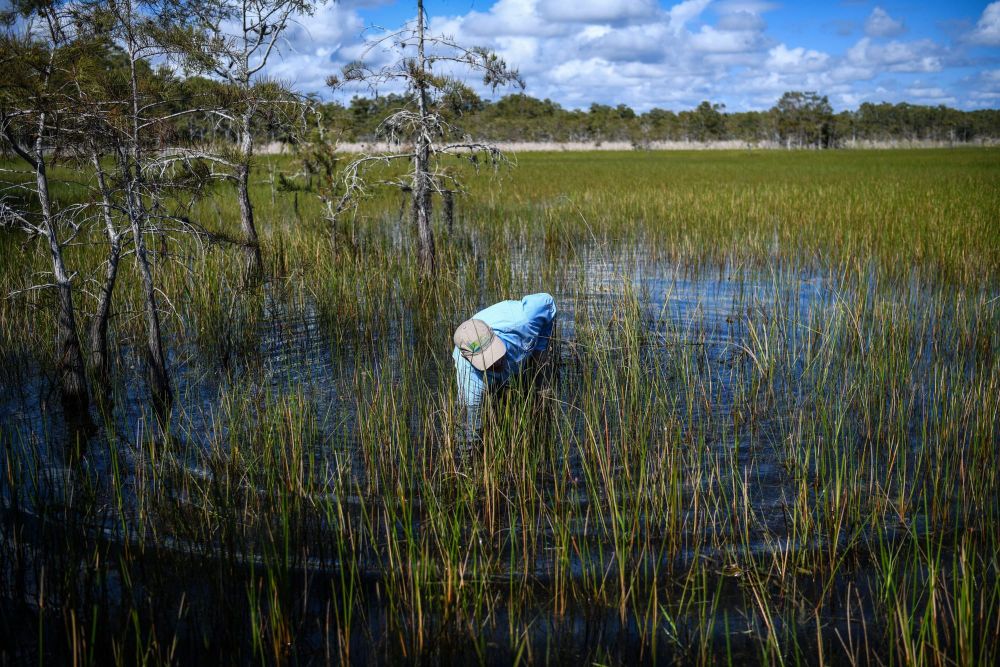
Conservation efforts were stunted in May when the Supreme Court removed water protections for millions of acres of wetlands across the U.S.
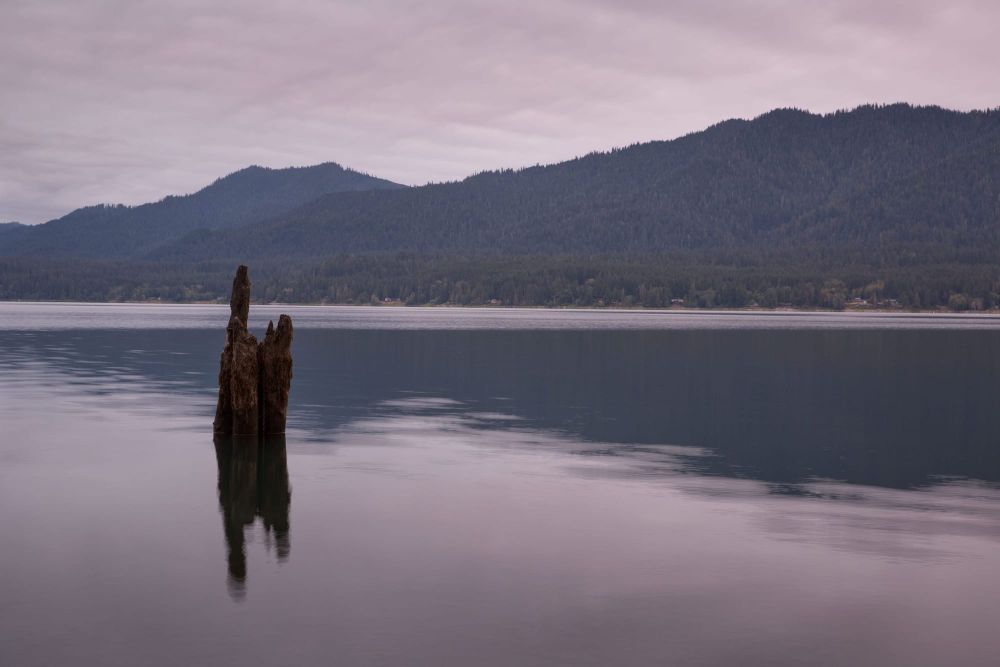
In this Q&A “A Prayer for Salmon” co-host Lyla June Johnston explains how raising the Shasta Dam will impact the Winnemem Wintu people
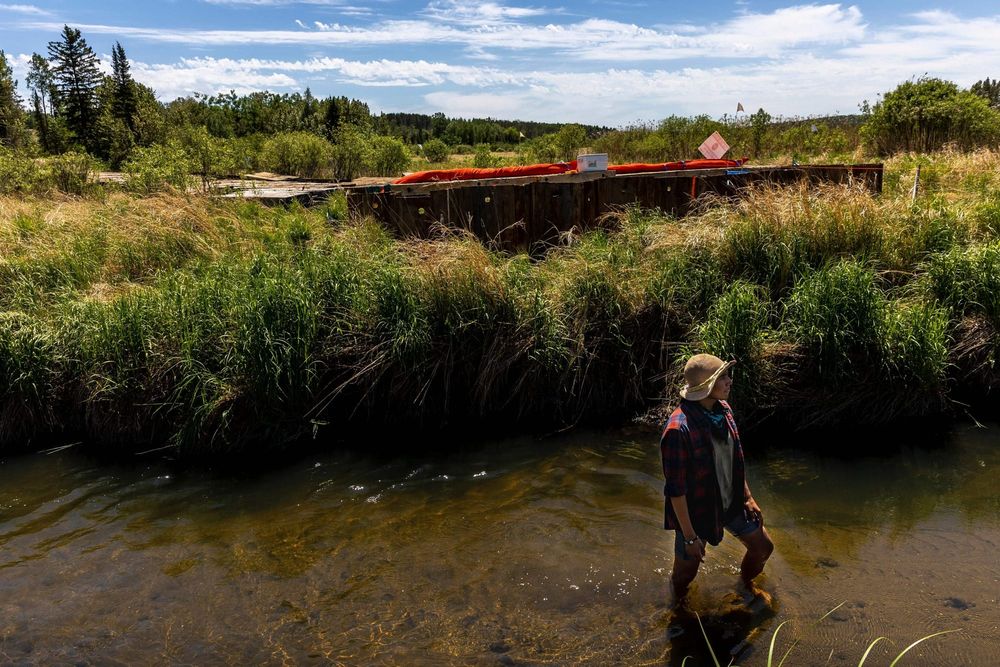
Despite the harm oil companies like Enbridge have already caused, a federal judge refused to decommission Line 5
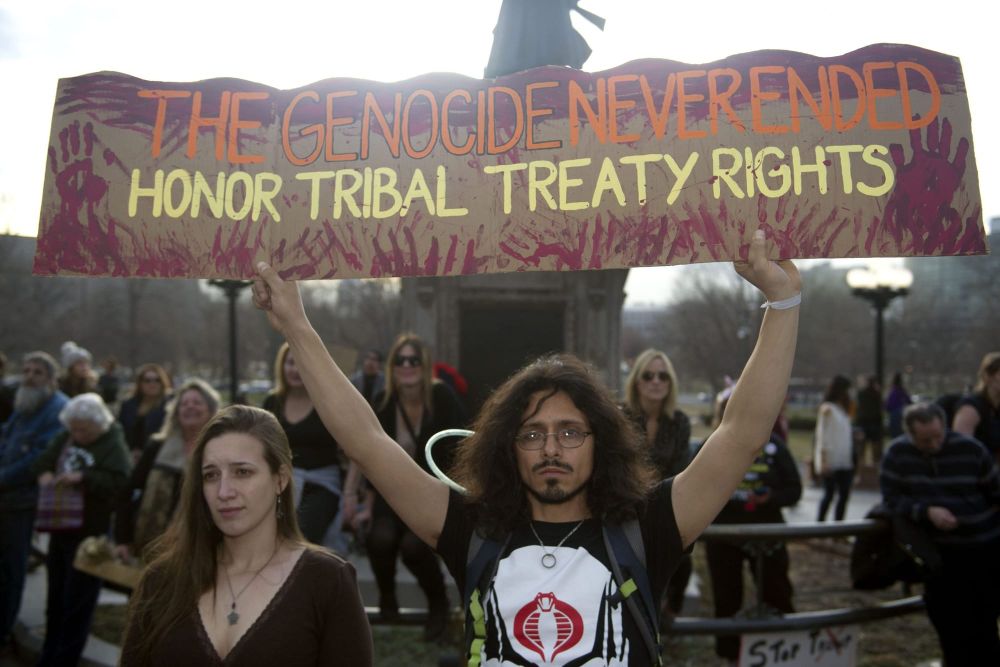
Indian law is a framework for making decisions about Indigenous sovereignty and peoples, but recent Supreme Court rulings create new debates despite centuries of precedents
Chinook leaders say the non-Native U.S. government’s arbitrary determinations of a tribe’s status or legitimacy is the ultimate example of white supremacy
Advocates say that the state’s pursuit of extractive food production contributes to climate change and harms already food-insecure Native communities
Indigenous tribes are implementing Rights of Nature laws to establish protections for the land against fracking and other harmful extraction
Selectively borrowing Indigenous practices cannot truly address the climate crisis or injustices to Indigenous peoples perpetrated by white settler colonialism
Loko i‘a, or fishponds, in Hawai‘i are a chance to wrest food security and culture back from American colonization
Fires fueled by climate crisis expose the intersecting injustices incarcerated people face and the comprehensive reforms needed for a Just Transition
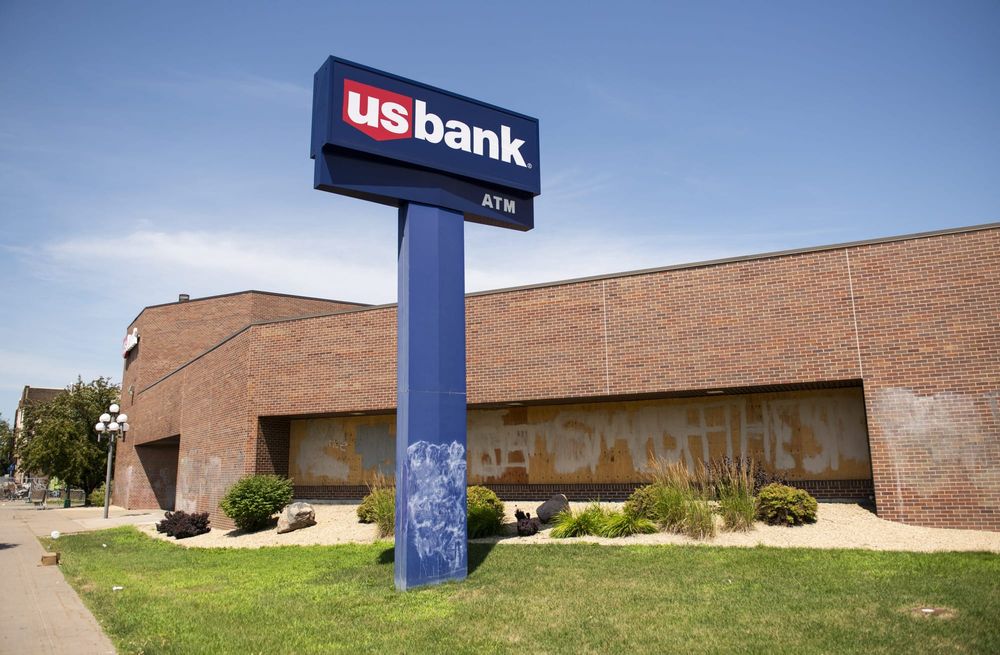
The tribe says U.S. Bank stole over $50 million by failing to pay the tribe investment profits to which it was entitled
Showing 12 of 27 total posts
Stay up to date with curated collection of our top stories.