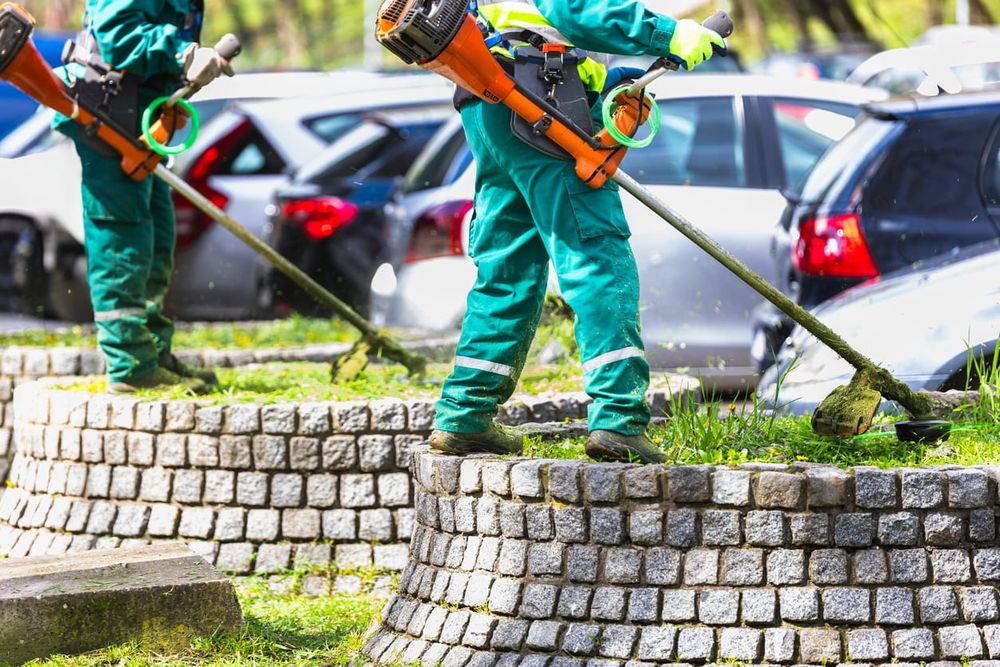
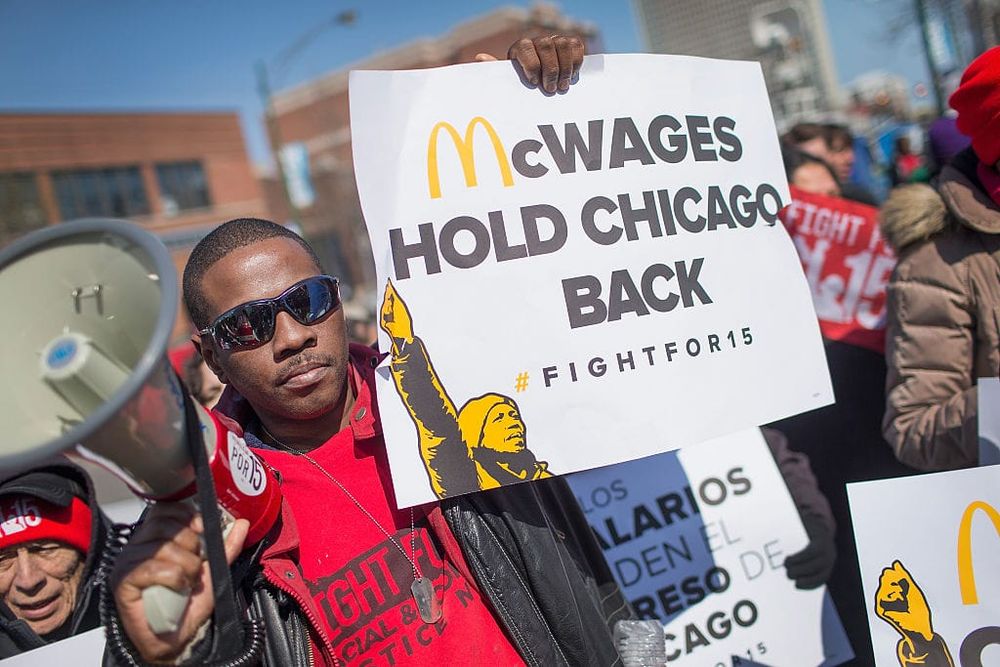
Low-wage migrant workers employed in agriculture, landscaping, construction, and other dangerous industries are more vulnerable than ever as Congress and lawmakers push to further erode workers’ rights
ICE raids of farms are a cruel reminder that the U.S. has long devalued immigrant labor, while also being wholly incapable of surviving without it
The Gulf of Alaska has become one of the world’s most economically productive commercial fisheries. But in Kodiak, Indigenous leaders, community growers, and grassroots food cooperatives are helping neighbors value homegrown produce
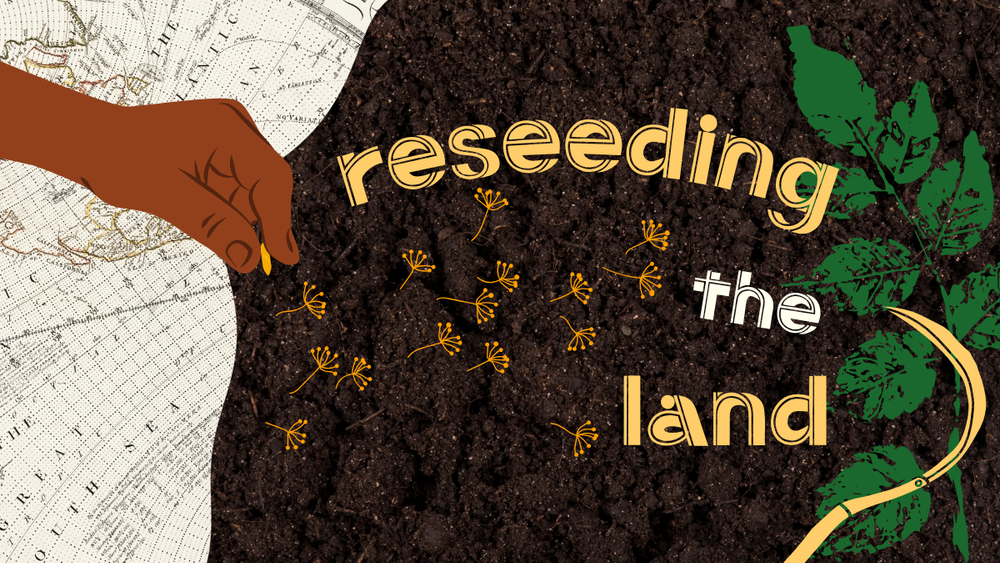
Seed keepers are maintaining foodways and building cultural reverence through community networks
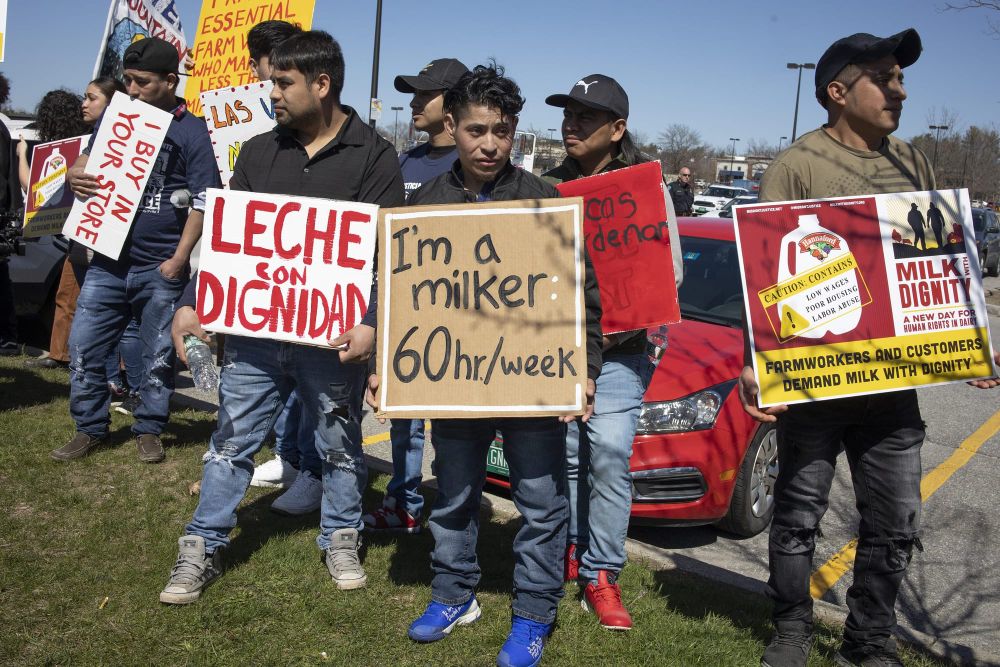
Community members rally for the release of two workers who remain detained after the April 21 arrests, which advocates say was the largest immigration enforcement action in Vermont’s recent history
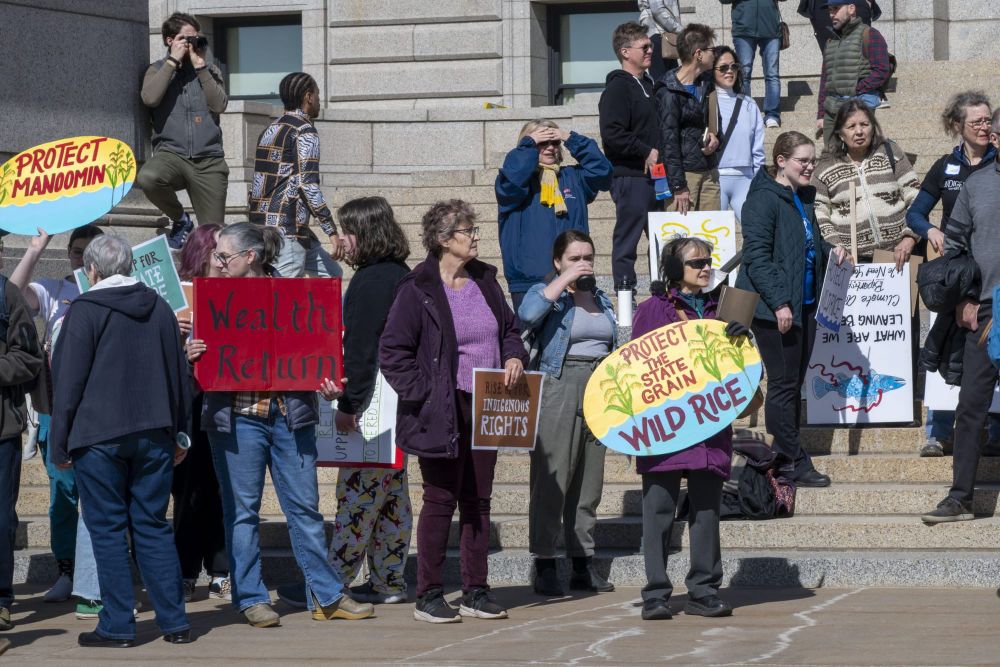
After seeing limited success this legislative session, advocates in Minnesota vow to work toward full protections for manoomin, or wild rice, until they’re won
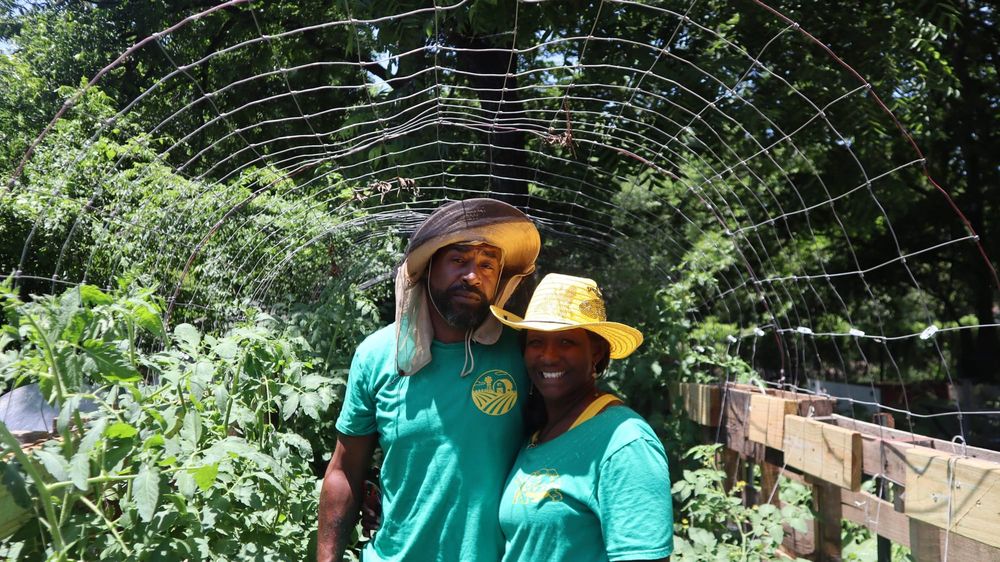
Local organizations in the historically Black neighborhood of South End are using food and wellness to make sure no one goes unseen
Food workers are about two and a half times more likely to be food insecure than workers in other sectors of the economy
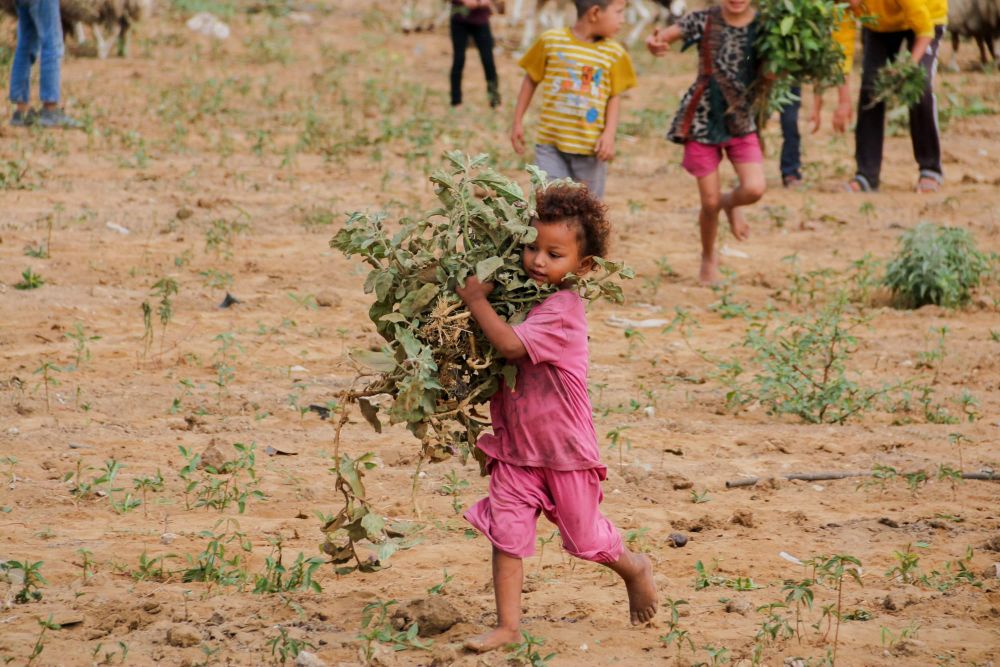
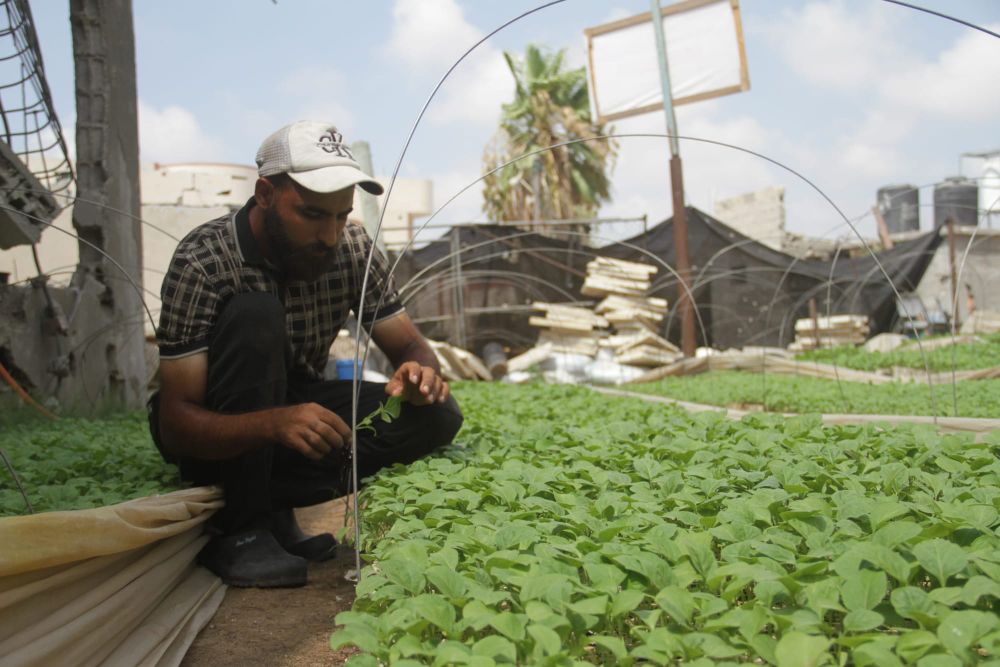
From the U.S. to Gaza, Palestinians are leading efforts to sustain culture and ancestral connection through farming
Jadu’i watermelon seedlings, flourishing in California, over 7,000 miles away from Palestine, are a living testament to Palestinian resilience
Permitting laws allow sugar cane burns to blow west toward majority-Black communities, but mechanical harvesting offers a greener solution
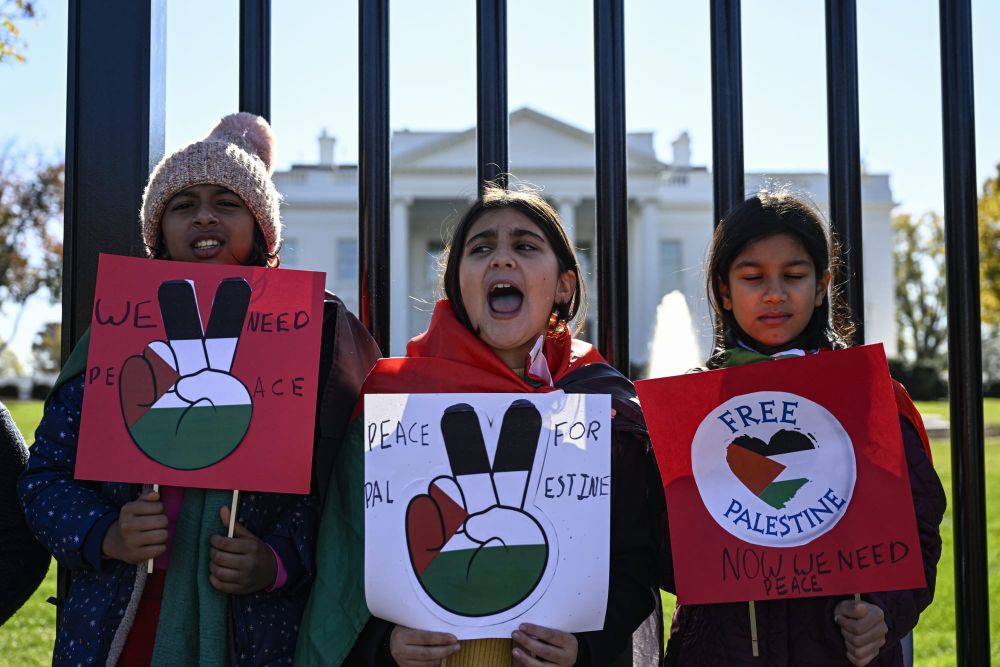
In this as-told-to with Prism, a Palestinian mother says that all parents have a responsibility to talk to their kids about the genocide in Gaza
Showing 12 of 18 total posts
Stay up to date with curated collection of our top stories.