Surge in poll watchers raises concerns of potential voter intimidation
Poll watchers are intended to ensure the integrity of the election process, but potential overreach could lead to disruption, intimidation, and even voter suppression, advocates warned
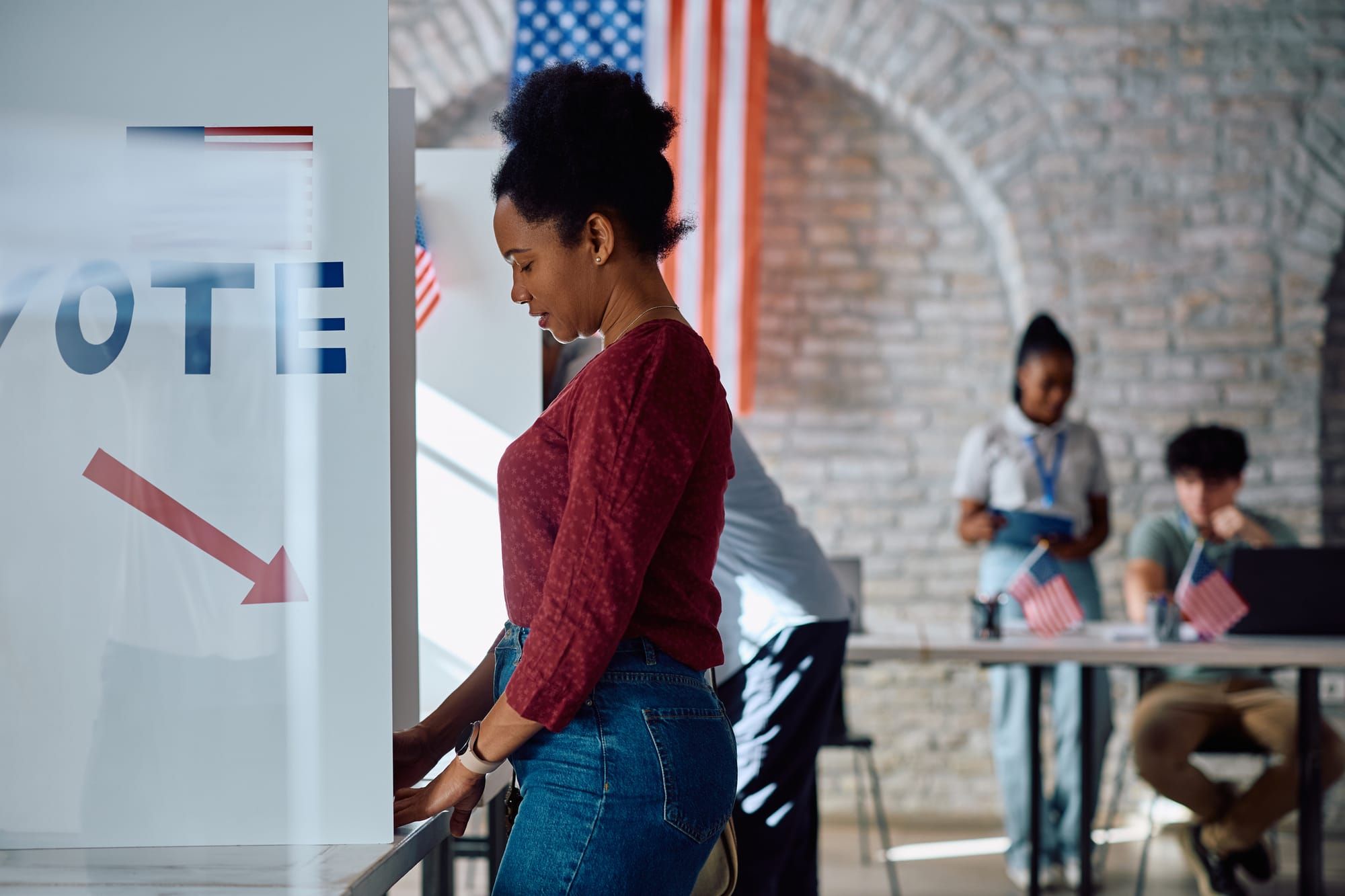
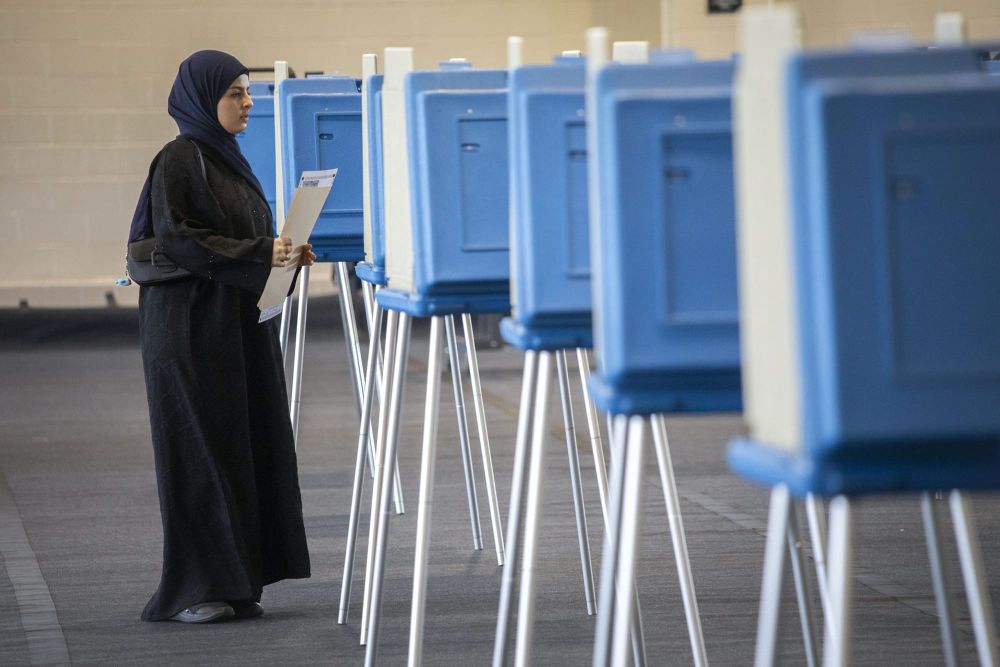
Concerns about voter intimidation and election interference have reached a fever pitch as reports emerge of ballot boxes being burned or discarded.
One area drawing attention in the fight against voter suppression is the role of poll watchers—people appointed to observe polling places and ballot-counting operations. While poll watchers are intended to ensure the integrity of the election process, their increasing presence and potential overreach could lead to disruption, intimidation, and even voter suppression, voting rights advocates have warned.
Poll watchers are typically appointed by political parties, candidates, or advocacy groups to observe the election process. Their role is to ensure that elections run smoothly and without irregularities. The specifics of what they can and cannot do vary from state to state, but generally, they are expected to be passive observers, taking notes and reporting any issues that arise.
“They can observe election workers as they check in voters, count ballots, and transport ballots,” said Andrew Garber, counsel in Brennan Center for Justice’s voting rights program. “However, their presence can become problematic if they violate the rules. We saw instances in 2020 and 2022 where some poll watchers became disruptive, and that’s a concern going into 2024.”
While this year’s elections so far appear to have rolled out “relatively smoothly,” previous elections have seen reports of watchers harassing and intimidating voters. According to the Brennan Center, Yvonne Ramón, the former elections administrator for Hidalgo County, said that in Texas during the 2020 election, a poll watcher claimed a voter did not look like a U.S. citizen and demanded to see their ID, and during early voting in Arizona in 2022, poll watchers reportedly complained loudly about fraudulent elections, tried to view private voter data, and took photos of election administrators. That same year, Bexar County Elections Administrator Jacquelyn Callanen testified that, at the end of early voting in 2022, a Texas poll watcher reportedly followed election officials into a ballot-counting location while carrying a gun. However, Garber believes there are sufficient safeguards in place to prevent this kind of behavior.
“Election officials are trained to manage polling sites effectively,” he explained. “If a poll watcher becomes disruptive or intimidating, election workers have the authority to remove them from the premises. If that doesn’t resolve the issue, there are also legal processes to ensure voters can cast their ballots without interference.”
Still, concerns about the role of poll watchers are growing as they become more prevalent. In Florida, a 2021 law has allowed for more poll watchers than before. The law mandates that officials allow partisan poll watchers “reasonable access” to review or inspect ballot materials, including mail ballot envelopes and signatures. However, the law does not limit the number of ballots that watchers can challenge. In 2022, election officials in Central Florida saw more poll watchers and numerous challenges to voter eligibility during early voting for the midterms. It is unclear if that information is available for this election yet.
One risk of having too many poll watchers is that they can overwhelm polling locations, potentially intimidating both voters and election workers.
“In some cases, poll watchers could get too close to voters or disrupt the ballot counting process,” Garber said. “This can cause a bad voting experience and might discourage people from voting in the future.”
While it’s not necessarily an issue that poll watchers are politically motivated, the growing calls from Donald Trump for a massive increase in their numbers—sometimes referred to as “an army” of poll watchers—raised serious red flags.
The majority of the focus on recruiting poll watchers was concentrated in swing states where the election outcome was expected to be highly contested. Cities like Philadelphia, Atlanta, Milwaukee, and Detroit have been the focal points of these recruitment efforts, as these are areas with large numbers of voters and historically high stakes in presidential races.
“That’s where there’s a particular area for concern,” Garber said in an interview before last week’s election.
However, Garber is quick to point out that the reality on the ground may not align with these heightened fears. While some people may undoubtedly take things too far, most poll watchers likely follow the rules. “In every election, there are calls to recruit large numbers of poll watchers, but these efforts don’t always manifest in the numbers that are advertised,” he said. “In most cases, voters will encounter poll watchers who are simply doing their job quietly and without issue.”
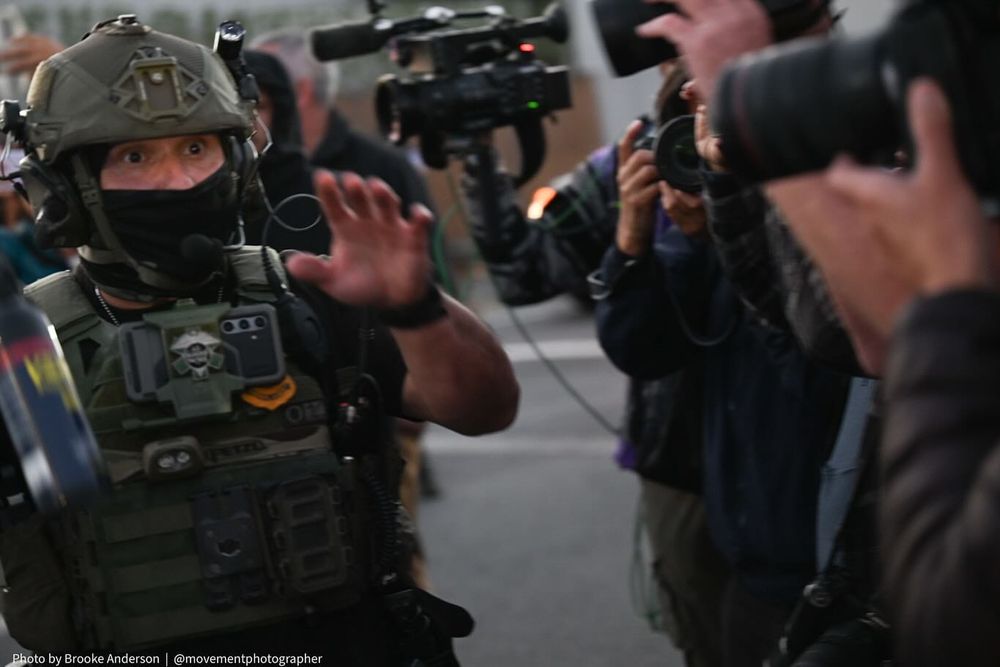
One concern in Florida, where media access to polling locations is restricted, is the possibility of intimidation inside the polls. Without journalists or external observers inside voting sites, there’s a risk that election workers or voters could face undue pressure from poll watchers or other individuals. Journalists, too, face unique challenges when covering elections. This year, with growing concerns about the integrity of the election process, many journalists are navigating new risks, including potential threats to their safety and access issues at polling places.
Journalists are often confined to a “buffer zone,” set by states, which can range from 25 to 100 feet away from polling stations. Jennifer Nelson, a legal expert from the Reporters Committee for Freedom of the Press, explained the challenge of balancing media access with the need to protect voters’ privacy and the integrity of the voting process. The role of journalists, according to Nelson, is critical in maintaining transparency during elections, as they are the eyes and ears of the public, reporting on the processes and ensuring that things run smoothly.
“We’re really focused on making sure that journalists can do their job on election day while still respecting voters and the voting process and the really difficult job that poll workers have in maintaining the integrity of our election process,” she said.
Nelson also emphasizes the importance of journalists being familiar with the laws in each state. Depending on where they are, access rules can vary widely. For example, some states may allow journalists to observe polling places but restrict photography, while others may have specific regulations about how close media can get to voters or ballot boxes. The Reporters Committee provides legal guidance and resources to journalists, ensuring they understand where they can legally be, what they can report on, and how to interact with election officials.
Nelson said the presence of journalists could potentially act as a deterrent to problematic voter suppression tactics, such as poll watchers intimidating voters or interfering with the election process.
“We believe that journalists play an important oversight role in many situations, especially in elections,” Nelson said. “Having media present at polling places could help reduce the likelihood of problems. I absolutely support any instances where journalists are allowed in a space in order to cover important events as they are happening.”
While some states permit journalists inside polling locations, others have banned it altogether, citing the need to protect the privacy and integrity of the voting process. However, Nelson expressed support for more media access wherever possible, as it helps to maintain public trust in the election system.
Nelson stressed the importance of supporting journalists’ ability to report on elections with integrity and without fear.
“Journalists serve as a proxy for the public,” she said. “Having journalists be able to report on the process and how it is going goes a long way towards ensuring the public that our elections are free and fair, so I think it’s really important to ensure that journalists are having proper access to these spaces.”
Author
Alexandra is a Cuban-American writer based in Miami, with an interest in immigration, the economy, gender justice, and the environment. Her work has appeared in CNN, Vice, and Catapult Magazine, among
Sign up for Prism newsletters.
Stay up to date with curated collection of our top stories.