Anti-LGBTQIA+ changes to social media platforms leave users grappling with whether to stay
Leaving popular platforms such as Instagram could mean that LGBTQIA+ users lose the followings and communities they have built over years
The changing social media landscape has caused some LGBTQIA+ people to consider leaving platforms such as Instagram and Facebook, while others are choosing to stay for lack of alternatives.
Meta, the owner of Facebook, Instagram, Threads, and WhatsApp, announced policy changes on Jan. 7 that leave LGBTQIA+ users more vulnerable to hate speech. The changes include reductions in content moderation, a suspension of Meta’s fact-checking program, and hate speech policy updates that now allow users to call being transgender a mental illness, an example listed in Meta’s announcement.
Jenni Olson, the senior director of the Social Media Safety Program at GLAAD, an organization that advocates for LGBTQIA+ representation in media, said that GLAAD worked with Meta 15 years ago to help the company improve its LGBTQIA+ hate speech policies and that Meta would regularly solicit its input. Meta didn’t consult GLAAD about the latest policy changes.
“This set of moves—which includes hate speech policies that actually include anti-LGBTQ+ hate within them, product changes including dropping trans and nonbinary Messenger themes, their corporate changes around DEI, and the statement of moving the content moderators from California to Texas—make it seem that the company is positioning itself as an anti-LGBTQ+ brand, which is really shocking when you think of a company that seems like a legitimate, normal company to be so aggressively attacking LGBTQ+ people, immigrants, and all kinds of historically marginalized groups,” Olson said. “What it indicates is that C-suite level leadership actually holds and is espousing bigoted, homophobic, transphobic beliefs about LGBTQ+ people.”
GLAAD issued a statement on Jan. 10 that said Meta’s updates move the social media company in the direction of Truth Social, which is owned by President Donald Trump.
“With these changes, Meta and Mark Zuckerberg are now not only permitting and encouraging, but engaging in anti-LGBTQ hate speech — by intentionally employing anti-LGBTQ language (“transgenderism”) in the company’s own hate speech policy and instituting new policies permitting extreme anti-LGBTQ slurs (“tr*nny”),” the organization’s representatives wrote.
GLAAD has an online petition urging Meta to reinstate its fact-checking program and protections for marginalized groups.
Many LGBTQIA+ users concerned about these changes have deleted their accounts, leaving for Bluesky or other smaller, more inclusive platforms. However, options are limited: RedNote, or Xiaohongshu, the Chinese social media app many flocked to in the wake of a potential TikTok ban, has anti-LGBTQIA+ policies; X does not moderate content (like the new Meta policy); and TikTok praised Trump in its messages to users before and after it briefly went offline in the U.S. on Jan. 19. In leaving popular brands like Instagram, LGBTQIA+ users also lose followings and communities they have built over years.
Blair Imani, an influencer and education activist in Pasadena, California, who is part of the LGBTQIA+ community, has 813,000 followers on Instagram, 169,000 on TikTok, and 147,000 on Threads, with smaller followings on Facebook, YouTube, and Bluesky. She said that anti-LGBTQIA+ experiences on social media parallel what happens in real life.
The same people who are building these platforms and developing them have the same internalized biases as we do offline. Sometimes they get magnified online.
Blair Imani, LGBTQIA+ Content Creator
“Social media has long been hostile to LGBTQ+ content creators,” Imani said. “The same people who are building these platforms and developing them have the same internalized biases as we do offline. Sometimes they get magnified online.”
Imani said she remembers many years ago when content on social platforms would be blocked for mentioning sexuality and that she knows users who have left Meta over its new policies.
“It’s really frustrating because when it feels like we’ve made progress, things change,” she said.
Imani added that spaces like TikTok are important for LGBTQIA+ content creators, including some who are able to express themselves after leaving careers due to anti-LGBTQIA+ bias or who fund their transitions with the money made from their content. Though content creators knew their identities or lived experiences may not always be respected online, “at least direct disrespect and harassment against us would be monitored,” Imani said.
“Having that kind of safety net taken away just reminds us how vulnerable we are in all realms, but including the online realm,” she said, adding that she won’t stop using any of the platforms she already uses.
“I would have to become very independently wealthy overnight to even consider being able to leave the platform because it’s my job,” she said. “I think that as content creators, we have to go where the audiences are, and as content creators with marginalized identities, we have to go where the opportunities are. That means not selling out, obviously, but I think it’s having a little bit of grace for navigating within harmful capitalist systems while retaining your values.”
Meirra Birath, a genderfluid pansexual social media user in New York City, also said she will not stop using Meta platforms. Birath is mostly homebound due to her disabilities, and social media is the primary way she connects with people and receives and shares information.
“My lens is that all of these platforms are tools, and they’re going to have certain levels of censorship across all of them,” Birath said.
“Regardless of the agenda of the people owning them and profiting from them, it is important to look at who will be left out if these things just stop being used and how to build something that can include them,” she continued. “I think people are taking steps towards that, but during the transition phase, my ask is to keep these connections going.”
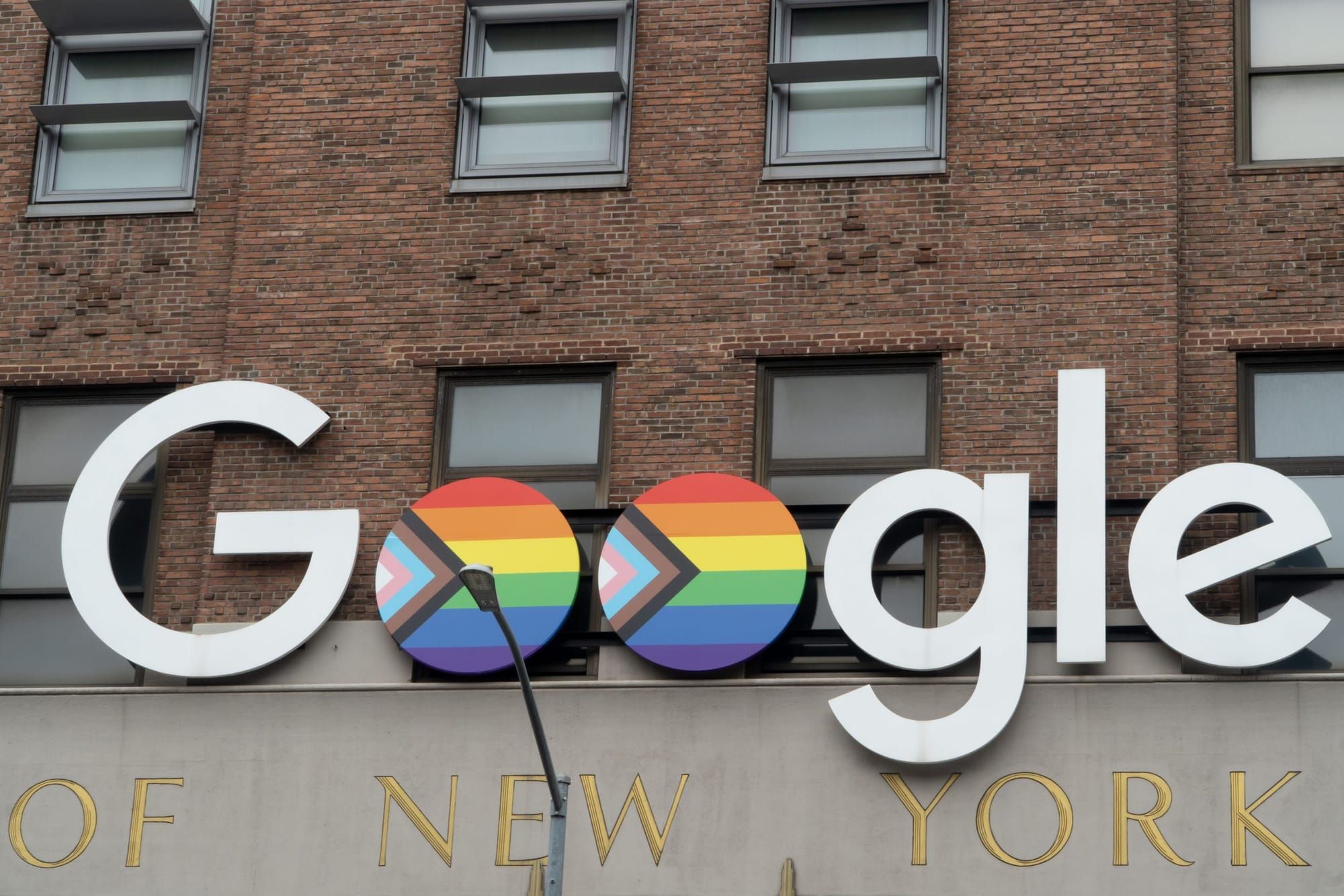
The CEOs of Meta, X, TikTok, and Google attended Trump’s inauguration, some standing near him during the ceremony. X’s CEO Elon Musk joined the president’s government, and his companies have received billions of dollars in federal contracts over the years. Since meeting with Trump in November, Meta CEO Mark Zuckerberg has ordered that tampons be removed from Meta’s men’s restrooms and offered the use of Meta’s new artificial intelligence tool to the U.S. military. Google also profits from multiple government contracts and has taken actions in line with Trump’s wishes, such as renaming the Gulf of Mexico the “Gulf of America” for U.S. users on Google Maps and removing many identity-based observances such as Black History Month and Pride Month from Google Calendar.
While these moves signal the tech industry falling in line with Trump’s anti-diversity and anti-LGBTQIA+ stances, the companies’ products are still largely what’s available with a critical mass of users on the market, leading many LGBTQIA+ people not to leave the apps even if their experiences may be less safe.
“These websites do not have any obligation to protect our free speech, and it’s not the same as the government,” Imani said. “That being said, it’s my job as a content creator to pivot,” such as by only mouthing certain words so that her videos don’t get suppressed by the algorithm.
“Of course, I would prefer these things not exist, but I have to remember that I make a living through these platforms, and part of that job entails pivoting, so that way, I can get my voice out there,” Imani said.
Editorial Team:
Sahar Fatima, Lead Editor
Carolyn Copeland, Top Editor
Rashmee Kumar, Copy Editor
Author

Sarah Prager’s writing has appeared in the New York Times, National Geographic, The Atlantic, NBC News, and other national outlets. She is the author of four books on LGBTQ+ history for youth: Queer,
Sign up for Prism newsletters.
Stay up to date with curated collection of our top stories.