Never eat the candy on your pillow: The path to self-discovery
Surrounded by strangers and free of familial expectations, a trans person incarcerated in Kentucky decided to finally embrace who they are
Dear Reader,
When you were a child, what did you imagine you would be when you grew up? Did you picture yourself a ballerina, firefighter, or snake wrangler? Maybe a professional athlete, musician, or veterinarian?
Most people never picture themselves in prison.
In the U.S., there are nearly two million people behind bars at any given time, giving our country the sad distinction of having one of the highest incarceration rates in the world. Each person in prison once had a dream for themselves or a plan for their life that ultimately went off the rails.
I know that people can change over the long years of their incarceration, evolving into entirely different humans with fresh new ways of thinking and being. I know this because I have seen it with my own eyes, and I have lived it.
While prisons make it seem to the public that enrichment opportunities are offered to us on silver platters, the truth is that those of us in prison who change for the better mostly did it ourselves—and it is hard and grueling work to dream of a better life from behind bars.
Since I started this column back in May 2023, you’ve heard a lot about me and my evolution in prison. It’s important for you to hear from others behind the fences, so I put out a call here at the Northpoint Training Center in Kentucky: Who wants to share their story about the changes they’ve made in their life from behind bars?
Tara answered the call.
Tara describes themselves as a work in progress, someone who is constantly evolving.
“I chose to do this interview for two reasons,” Tara said. “Talking about things helps, no matter what it’s about. Secondly, people have told me that I should share my stories, so I figured, why not? If what I have to say helps someone else on their journey, all the better.”
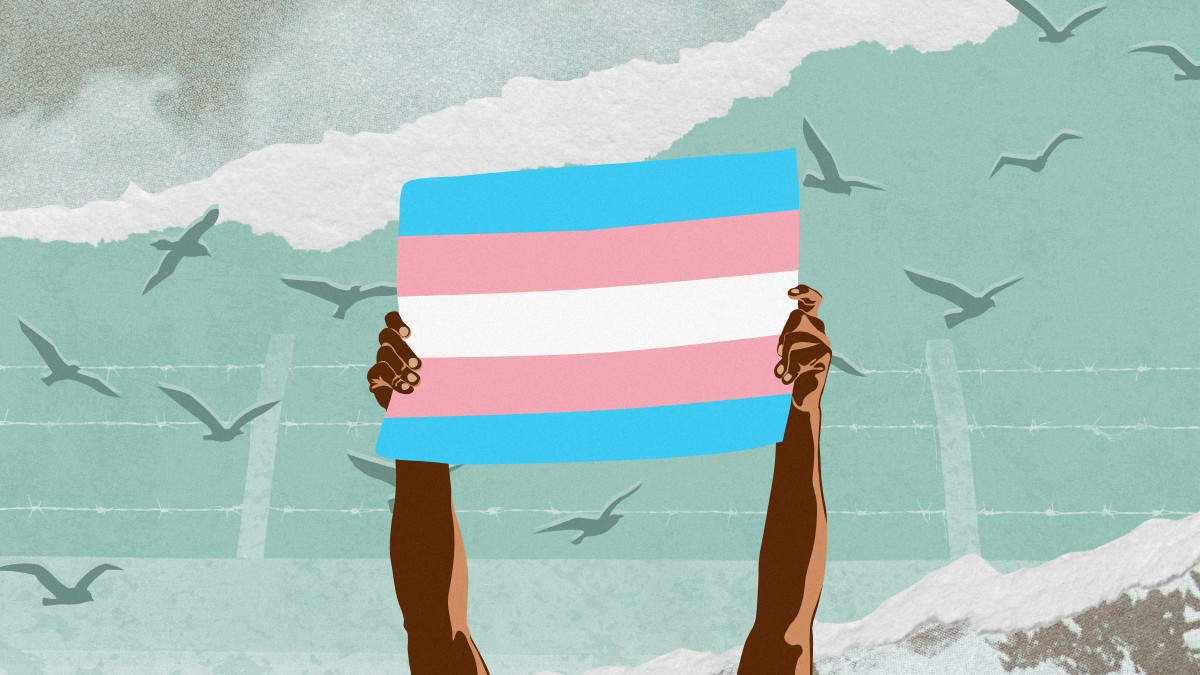
Tara is a middle-aged trans person on a path of self-discovery. They told me they have grown tremendously during the two years they’ve been incarcerated, in ways they could have never anticipated.
“I never felt that I could be who I was really supposed to be when I was on the streets. Because of my family and the social circles I ran in, there was just always this pressure to be who they thought I should be,” Tara said.
This didn’t immediately change upon entering prison, Tara said. Initially, they were still very concerned about what people would think of them or how they would be treated just for being themselves.
“That can be hard to shake,” Tara said, “even though most of my family doesn’t know where I am, and they don’t know the truth about who I am.”
Going to prison is eye-opening for everyone. Tara said they spent their first six months inside thinking about how they were surrounded by men whose social habits they didn’t understand. The best way to fit it in prison is to emulate what you see, but that didn’t come naturally to Tara. They felt more out of place than they ever had before. One day, a friend inside told them, “Maybe you’re not a man at all.”
“I felt outraged,” Tara said. “But the more I thought about it, I felt a sense of relief.”
In prison, plenty of people feel out new ways of being, Tara said. They’ve seen wallflowers transform into tough guys and men who were treated like nothing outside become leaders on the inside.
“I’ve seen a lot of people change from who they thought they were,” Tara explained. “For me, the change came when I found myself in this unfamiliar place, away from the people who thought they knew me.”
In retrospect, Tara always knew who they were, and there were many signs in early childhood that they were trans. It wasn’t just that they loved playing dress-up with the girl down the street—they wanted to wear heels and dresses all the time. They felt disconnected from boys in their class, unsure of how to interact with them.
But Tara’s parents didn’t nurture them or even recognize their needs. Instead, their parents just admonished them for being “different.”
At 14, Tara decided to come out to their mom.
“She told me not to tell anyone because my father had a reputation to keep,” Tara said, explaining that their father was a local business owner and their family was well-known in the community.
In prison, surrounded by strangers, Tara realized there was nothing holding them back from being the person they always knew themselves to be.
“Imagine going to prison to be released from your inner prison. Prison is really shitty, obviously, but living a lie sometimes felt worse.”
“Imagine going to prison to be released from your inner prison,” Tara laughed. “Prison is really shitty, obviously, but living a lie sometimes felt worse.”
Prison is not a paradise for trans people. Across the U.S., there are about 2,000 incarcerated trans people—”a tiny fraction of the federal prison population” that are “disproportionately targeted for abuse and assault,” according to the Marshall Project. Trans people are almost always housed according to their sex assigned at birth, which is why Tara is housed with men and why only 10 of the more than 1,000 transgender women in federal prisons are incarcerated in women’s facilities. In Kentucky, lawmakers have introduced a series of anti-trans bills aimed at stripping gender-affirming care from trans people inside.
Tara isn’t safe in prison, but they are a different kind of free.
“It’s like I took a step on a path I didn’t know I was allowed to be on,” they said.
Tara was able to get a copy of Alo Johnston’s book, “Am I Trans Enough?: How to Overcome Your Doubts and Find Your Authentic Self,” which they said gave them more of a foundation to continue down their path. Dara Hoffman-Fox’s “You and Your Gender Identity: A Guide to Discovery” helped Tara realize how much emotional pain they were living in.
“That book made me realize I no longer had to be what—or who—everyone thought or told me I should be,” they said. These readings also strengthened Tara’s resolve when dealing with harassment inside the prison.
“I was doing this to save myself,” Tara said. “As hard as it can be, I wasn’t going to deny myself anymore.”
Prison is definitely a terrible place for people who do not fit in, but in Tara’s case, prison was also the place where they found themselves.
“I endure a lot in here, but not being who I am is no longer an option. It would be completely debilitating,” they said. “I can still remember what it felt like to wake up and not want to get through the day. Prison isn’t this magical place, but at least I’ve found some solace.”
The Right to Write (R2W) project is an editorial initiative where Prism works with incarcerated writers to share their reporting and perspectives across our verticals and coverage areas. Learn more about R2W and how to pitch here.
Editorial Team:
Tina Vasquez, Lead Editor
Lara Witt, Top Editor
Rashmee Kumar, Copy Editor
Author
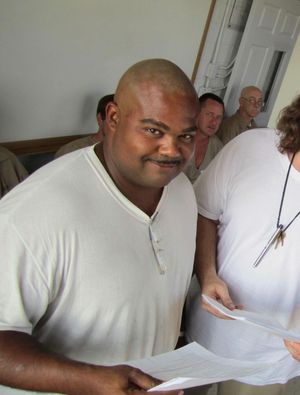
Derek R. Trumbo, Sr., a multiple-time PEN Prison Writing Award winner, is an essayist, playwright, and author whose writing has been featured in "The Sentences That Create Us: Crafting A Writer's Life
Sign up for Prism newsletters.
Stay up to date with curated collection of our top stories.