SCOTUS decision on mifepristone will disproportionately impact BIPOC
Even those in states with stronger abortion protections could have their abortion access restricted
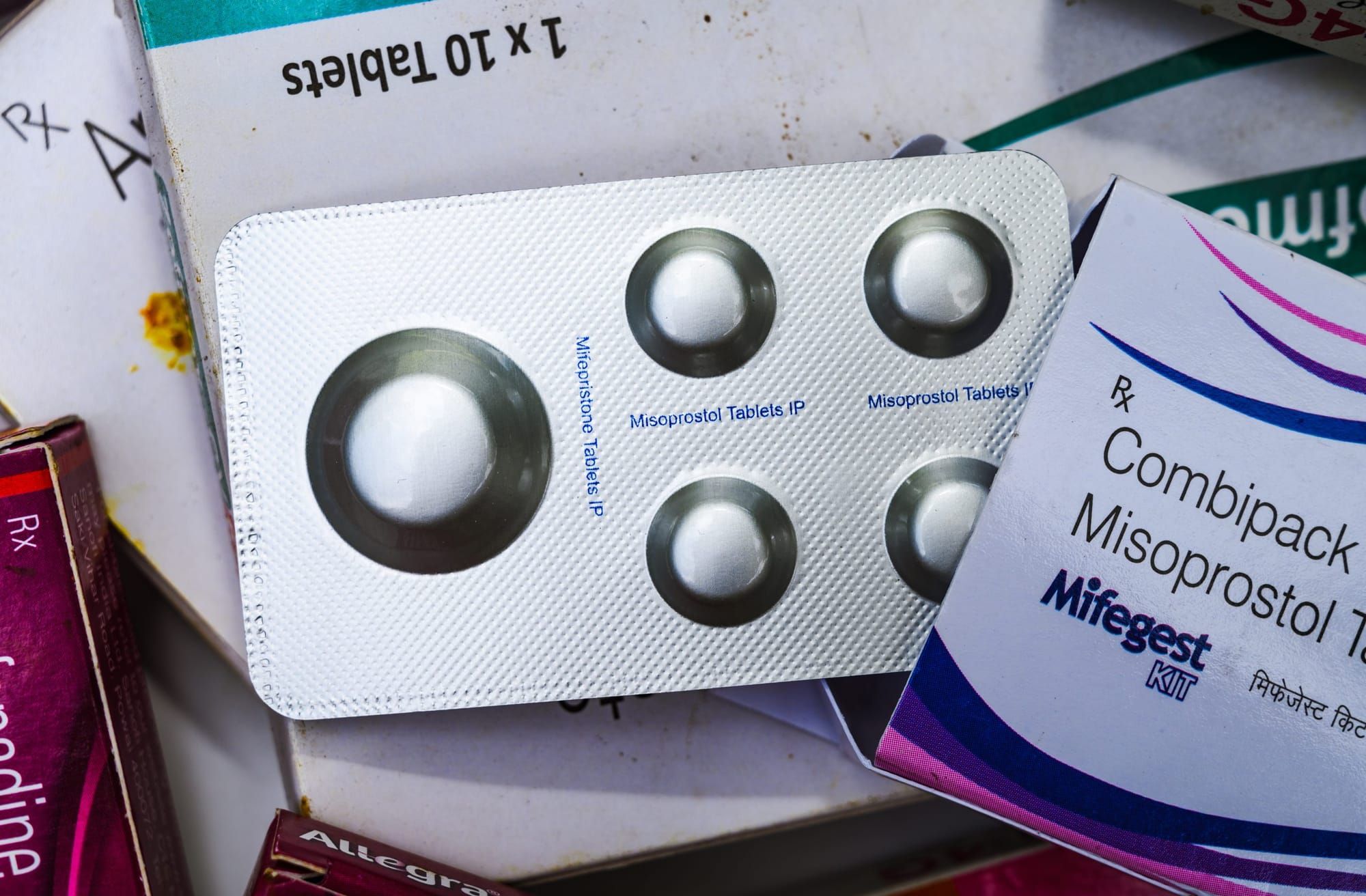
The U.S. Supreme Court announced on Dec. 13 that they would hear arguments in a case that will decide on the Food and Drug Administration’s (FDA) approval of the medication abortion pill, mifepristone. Medical professionals and abortion advocates say the case, Alliance for Hippocratic Medicine v. FDA, is fueled by far-right anti-abortion extremists who are seeking to pull FDA approval of mifepristone and that the pill’s suspension would bar millions of Americans from access to a safe and effective method of terminating unwanted pregnancies. Advocates also say the ruling would disproportionately impact BIPOC, who already face higher rates of maternal mortality.
“This threat to mifepristone access is especially harmful to Black women, girls, and gender-expansive people,” wrote In Our Own Voice President and CEO Dr. Regina Davis Moss in a statement. “Abortion bans disproportionately impact Black women, and self-managed abortion offers a safe option. Preserving access to medication abortion is imperative to exercising our bodily autonomy. We will always fight against attacks on abortion rights and access. Ahead of 2024, In Our Own Voice will tirelessly mobilize Black women and increase voter turnout—especially when it comes to protecting reproductive justice. We are unequivocally committed to shaping a world where we have the power to decide the future of our communities, our families, and our bodies.”
In April, Texas Judge Matthew Kacsmaryk ruled in favor of the Alliance for Hippocratic Medicine and suspended FDA approval of mifepristone. The U.S. Department of Justice then appealed this decision to the 5th Circuit Court of Appeals. Later that same month, the U.S. Supreme Court issued a temporary stay preventing any restrictions from taking effect and sent the case to the Fifth Circuit. In August, the 5th Circuit Court reinstated the pill’s pre-2016 restrictions, which prohibits the provision of mifepristone by mail and through telemedicine. But the Supreme Court’s earlier order prevented these restrictions from taking effect. In September, the Justice Department again appealed the case to the Supreme Court.
“The Supreme Court did the right thing by agreeing to review the erroneous ruling of the lower court that would drastically curtail access to medication abortion,” wrote Nancy Northup, president and CEO of the Center for Reproductive Rights, in a press release. “Now the question is whether the court will do the right thing and reject the radical arguments of the plaintiffs in what should be a clear-cut case. The court has never invalidated a longstanding FDA approval like they are being asked to do here. The stakes are enormous in post-Roe America.”
Northup added that, should the court rule against the FDA, even those living in states with strong abortion rights protections could have their access to mifepristone severely restricted.
“In the wake of the Supreme Court’s reversal of Roe v. Wade, abortion via medication that can be prescribed in a telehealth visit and delivered to the privacy of one’s home has been critical,” she said. “Abortion pills have been used safely in the U.S. for more than 20 years, and they are more important than ever in this post-Roe landscape. That is precisely why the anti-abortion movement is attacking them.”
The FDA first approved mifepristone in September 2000. Research has found the drug to be safe and effective in terminating pregnancies and managing miscarriage. The pill is paired with misoprostol to end first-trimester pregnancies—patients take a single dosage of mifepristone first, followed by a four-pill dose of misoprostol 24-48 hours later.
Medication abortions account for more than half of all abortions in the U.S., and 98% of medication abortions use mifepristone and misoprostol. Advocates say removing access to these pills will be detrimental to abortion care, especially in the post-Roe landscape, where abortion is almost completely banned in 14 states and restricted in others.
“Anti-abortion extremists are trying to push abortion care further out of reach. They want to ignore decades of scientific research as well as the will of the vast majority of American people who strongly support abortion access,” wrote Whole Woman’s Health and Whole Woman’s Health Alliance President and CEO Amy Hagstrom Miller in a press release. “Here is the truth: There is no medically accurate reason to withdraw access to mifepristone for anyone in this country. Regardless of the latest update to this case, Whole Woman’s Health is proud to continue to offer this essential medication to our patients.”
Whole Woman’s Health has been using mifepristone for in-clinic medication abortion since it opened in 2003. Since 2021, when abortion access began to be severely restricted, Whole Woman’s Health Virtual Care has served more than 4,100 patients with medication abortion pills by mail.
Practitioners at Whole Woman’s Health say they will continue to prescribe mifepristone to any patient seeking a medication abortion.
“Absolutely nothing changes for us with this announcement,” wrote Hagstrom Miller. “As medical providers, we take our instructions from the FDA, not from far-right political courts, and we will continue to offer mifepristone through both our in-clinic and virtual programs. We know that mifepristone is safe and effective, and our dedicated medical staff will continue to prescribe it, ensuring that our patients have access to the expert care they deserve.”
Author

Alexandra is a Cuban-American writer based in Miami, with an interest in immigration, the economy, gender justice, and the environment. Her work has appeared in CNN, Vice, and Catapult Magazine, among
Sign up for Prism newsletters.
Stay up to date with curated collection of our top stories.