With Medicaid cuts incoming, rural doulas step up to help New Mexico families
Maternal health care in rural communities across the country is facing immense pressure, threatened by federal cuts to Medicaid
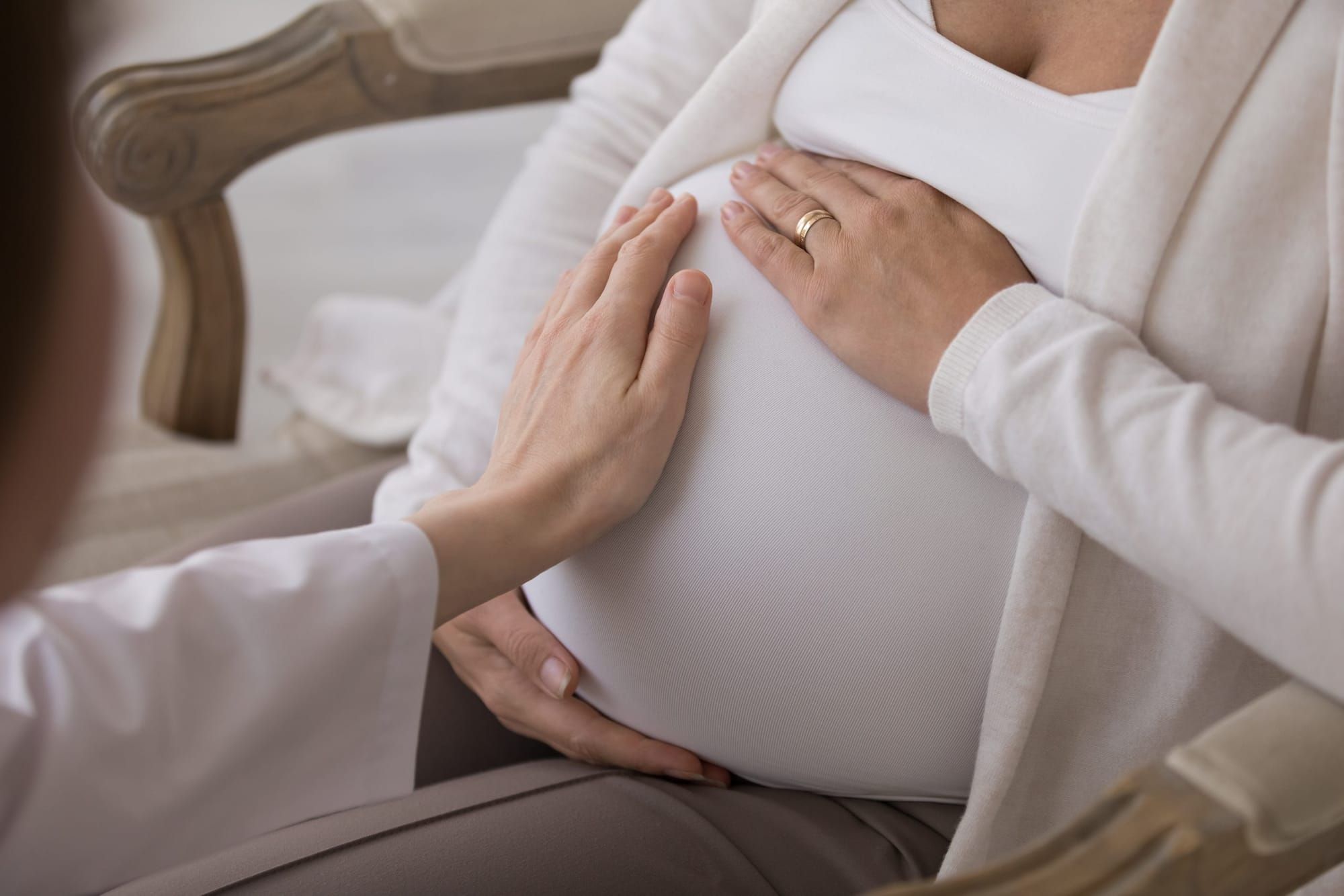
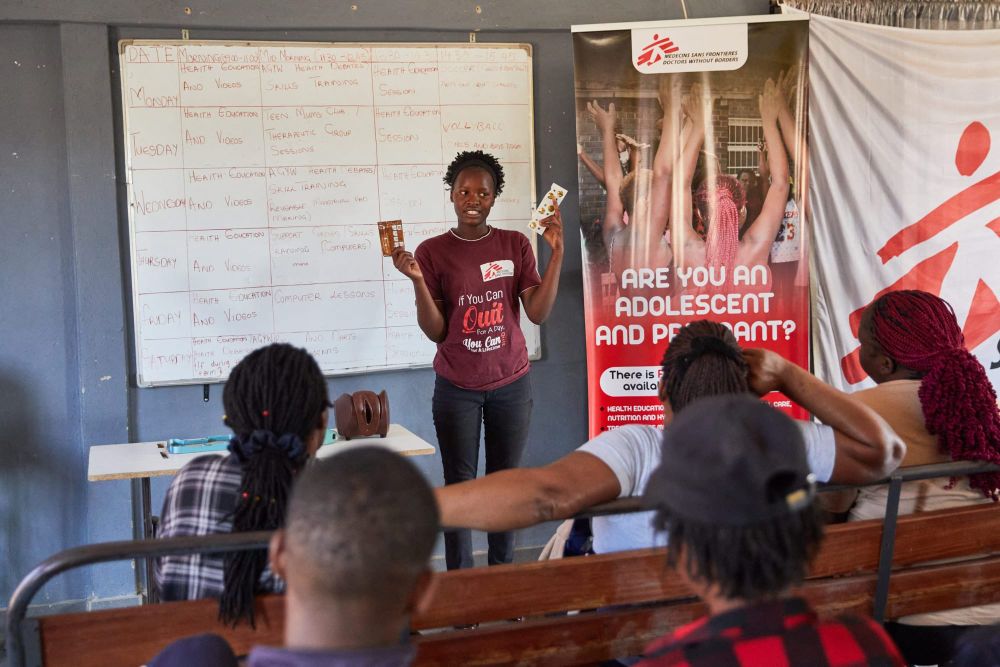
Doulas in rural New Mexico consider themselves to be first responders for the pregnant patients in their communities.
“It’s not a job, it’s just what we do and how we show up every day,” said Tauz TamuPovi, the director of Healing Justice at the New Mexico Doula Association (NMDA).
Doulas drive their patients to appointments when they need help accessing transportation. They refer them to resources for food, housing, and behavioral health services. They provide emotional and physical support throughout pregnancy. They’re sometimes the first people families call when things go awry.
They stand by those they serve long before and after pregnancy, providing wraparound support for families across the state.
But Medicaid-funded services, including doula care in many states, are under attack. Maternal health care in rural communities across the country is facing immense pressure, threatened by federal cuts to Medicaid.
“These are our friends. These are our families, our sisters, or brothers, aunties, uncles. A lot of us have relationships with the babies,” TamuPovi said. “We watch them grow up. We walk down the street, and a parent with their 11-year-old, they say, ‘Oh, she was there when you were born, they helped catch you—they supported me!’”
Medicaid covers almost half of births in rural areas nationwide. In New Mexico, Medicaid covers approximately 70% of the births and children under the age of 1, according to the New Mexico Health Care Authority.
For doulas, it’s not just their livelihoods at stake, but the lives of their patients.
Maternal health challenges in the state have been a problem that activists, legislators, and health care providers have been hoping to solve for years. According to Centers for Disease Control and Prevention data from 2018 to 2022, the state has a higher maternal mortality rate than the national average: 28 of every 100,000 live births resulted in a death, compared with the national rate of 23.
However, the national average itself is not a standard to aspire to—the U.S. has the highest maternal mortality rate of high-income countries and developed nations. Expansive access to Medicaid is directly correlated with better maternal health outcomes, research found.
For rural Americans, maternal health runs a higher risk of being deadlier and more complicated. Socioeconomic factors such as income, race, or lack of access to health care infrastructure, which often intersect, influence a pregnant person’s likelihood to experience maternal morbidities and health challenges. Where you live can determine how risky and challenging your health will be.
“In New Mexico, we don’t have a lot of rural health care,” said State Rep. Linda Serrato, who has two children under the age of 10. At her doctor’s office, she said she encountered women who would drive hours for routine checkups.
“They drive two hours back and forth to make sure the babies are healthy,” Serrato said. “That’s affecting our families’ abilities to have healthy pregnancies, to access the health care they need.”
New Mexico legislators have rushed to backfill federal losses with state funds, passing a bill into law in early October that transfers $50 million into the rural health care fund to support vulnerable health care providers at risk of service reductions and closures.
Doulas present a unique opportunity to look outside institutional health care sources to support families through challenges faced during pregnancy.
Doula care is associated with a plethora of positive pregnancy outcomes, including fewer cesarean sections, fewer premature deliveries, and shorter labor. They are found to reduce stress and anxiety, increase birth satisfaction, and help with newborn feeding and screening for health care needs.
Doulas have long been a part of the traditional pregnancy experience for families of many different cultures, and have been left behind by institutional medicine. In an age when local leaders are fighting to ensure a healthy constituency in the face of financial strain, the knowledge base of community-bred doulas is becoming an increasingly vital tool.
“It feels important to me that these communities that are sometimes labeled as marginalized, are oppressed, that we speak to the richness that they have,” said TamuPovi. “They’ve had to learn to lean on their neighbors. They’ve had to learn who’s the person who knows the plant medicine, who’s the person to call on or go to when you’re facing different kinds of challenges, both medical and emotional and spiritual.”
The New Mexico Department of Health (NMDOH) told Prism in an emailed statement that, “Community based doulas in particular are effective in mitigating maternal health disparities by providing trusted, respectful and culturally congruent care for families across the reproductive spectrum.”
This year’s passage of New Mexico House Bill 214, the Doula Credentialing and Access Act, honors this work and its success by allowing Medicaid to cover doula services and establishing a credentialing process for doulas.
The NMDOH, which played a vital role in establishing the legislation, told Prism it is “uplifting this invaluable profession by providing an avenue for doulas to become NMDOH certified, which is the first step in becoming enrolled as a Medicaid provider and to go on to receive reimbursement for this important work.”
Doulas come to their work from all kinds of pathways, according to NMDA Director Melissa Marie Lopez Sullivan. For herself, it was personal..
“A doula supported my mom to bring me here, and she wasn’t an [official] doula, it wasn’t her title,” Sullivan said. “But my mom, without her friend, would have had no one, and the opportunity to be there for someone gives me the greatest satisfaction I could ever imagine.”
The work isn’t done. As maternal health care faces funding threats, putting this new institutional progress into action means stepping up amid uncertainty.
“The success of doulas, the success of community care. We all have a responsibility to it that even if you’re not in birthing age anymore, or not planning on having children or whatever—all these systemic problems are linked,” said TamuPovi.
Editorial Team:
Sahar Fatima, Lead Editor
Carolyn Copeland, Top Editor
Stephanie Harris, Copy Editor
Author
Kiara Alfonseca is a New York City-based independent reporter and producer, covering race, identity, and equity. Her work has been featured in ABC News, HuffPost, NBC News Digital, ProPublica, palabra
Sign up for Prism newsletters.
Stay up to date with curated collection of our top stories.