Exhibit on Rikers Island history provides deeper insights into jail’s impact
Weeksville Heritage Center in Brooklyn hosts “Torture Island,” a new exhibition by the Rikers Public Memory Project
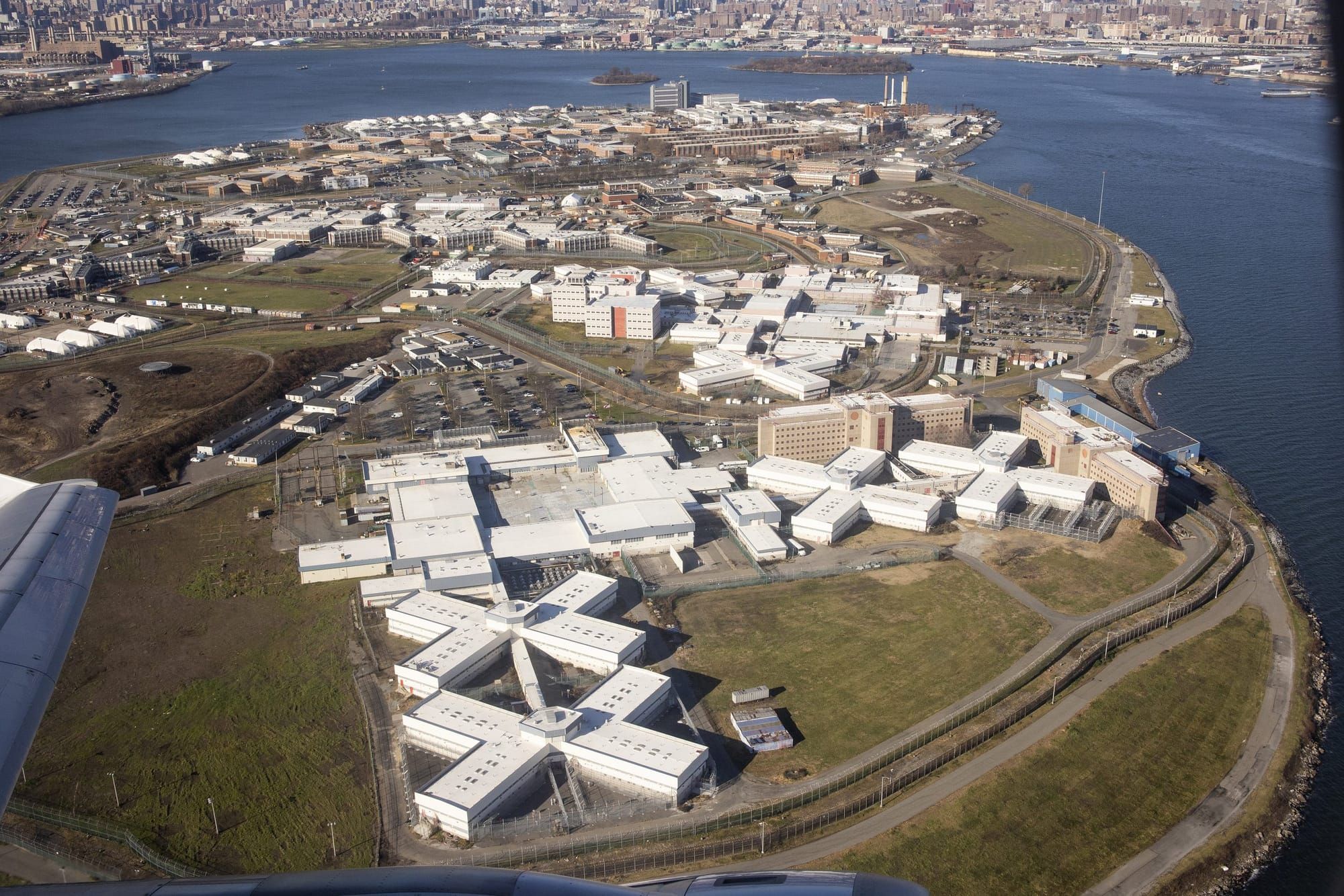
Weeksville Heritage Center, a historic site in Brooklyn, New York, is displaying an exhibition on Rikers Island through March 31, allowing visitors to peek into the history of the notorious island jail in the East River.
Created by the Rikers Public Memory Project, “Torture Island: Past, Present, Future” offers a window to the past. The exhibit also hopes to help visitors understand history in the making, as organizers shape what comes next after the detention complex’s impending closure. Although the closure is mandated by 2027, it remains unclear whether that deadline will be met. The exhibit fits into Weeksville’s broader historical preservation efforts. The site is known for preserving one of America’s first free Black communities.
Launched in 2018, the Rikers Public Memory Project (RPMP) was founded as a joint project by the decarceration initiative Freedom Agenda, social impact firm Create Forward, and public humanities project coalition Humanities Action Lab. The project’s goal has been to collect and amplify the voices and stories of those who have been most impacted by Rikers Island, in service of repairing generations of harm. The project is intimately tied to the broader campaign to close Rikers Island and provides space for an important piece of that organizing work: narrative change. Here, RPMP focuses on shifting public understanding of both the jail complex itself as well as those whose lives have been forever impacted by it.
RPMP’s work features three components, developed after a yearlong surveying process: remembrance, via the collection of oral histories; repairing, through multimedia exhibitions; and redress by way of public health research assessing the impact of Rikers on New York City communities. With over 105 interviews from people formerly incarcerated at Rikers, RPMP is the largest repository of oral histories about the penal colony. All the collected stories are housed at the New York Public Library, and some are available online via digital storytelling campaigns.
The “Torture Island” exhibit at Weeksville fits within RPMP’s work to “repair.” In addition to featuring some of the oral histories collected by RPMP, “Torture Island” also includes works by RPMP’s 2024 Narrative Change Community Fellows. Throughout the year, fellows used the project’s oral history collection as source material for a creative project that shifts narratives about Rikers and those New York City communities most impacted by incarceration. Fellows featured in “Torture Island” include documentarian Anisah Sabur Mumin, visual artist Michele Evans, photographer Ofia Begum Ali, and playwright Helen “Skip” Skipper.
Also featured alongside these works is the Rikers Island Timeline Project, a sprawling history of Rikers spanning from the 1600s, when the Rycken family emigrated to New York from the Netherlands and took possession of the island, to the early victories of the Campaign to Close Rikers in the 2000s.
The timeline was designed by Isaac Scott and written by RPMP Chief Historian Shana Russell, who told Prism that she felt that this longer history needed to be added to the public record alongside the more recent oral histories. Russell said she organized the timeline with the hope of illuminating the deep tradition of resistance against Rikers.
“I wanted it to be a people’s history,” Russell said. “I really wanted to give a sense as best I could of who is incarcerated there, who’s impacted by it, and what are those folks saying, which is a hard thing to do. But I picked out all of the events that show resistance to the island, because people have been arguing for closure since before it opened.”
Russell also wanted to illustrate the intimate connection between enslavement and incarceration in New York City through the lens of Rikers.
“That through-line was so glaring that I wanted to make sure that that relationship was understood,” Russell said.
The Rikers timeline sits within a larger goal of creating a curriculum designed for New York City educators. When the timeline launched last November, Russell led a workshop for educators and librarians on incorporating Rikers’ history into their work with young people. She pulled the Rikers Review, a monthly publication produced by incarcerated writers, as an example of a piece of archival material that could be used within the classroom.
“You could trace attitudes towards World War II through this paper,” said Russell, adding that the publication included anti-Nazi artwork and propaganda. “Folks inside are very much engaged in what’s going on and are a huge part of this kind of historical landscape and … are also experiencing all these major historical events.”
The RPMP curriculum also extends beyond history and social studies. It creates avenues for teachers in subjects such as art and science to engage their students in conversations about Rikers.
“Torture Island” is running in tandem with events designed to illuminate different dimensions of incarceration for members of the public. Programs include a youth day focused on teaching the history of incarceration in New York City, an oral history collection day, panel discussions, and a closing festival of “healing and community care.”
Despite the myriad ways that “Torture Island” facilitates public engagement with the RPMP, one through-line has been the project’s focus on the needs, ideas, and visions of those directly impacted by Rikers. Whether it be the timeline and curriculum or the art featured in multimedia exhibits, the direction is taken from those touched intimately by Rikers, allowing them to shape the memory of an institution that changed their lives but often remains misunderstood. This is largely why the resources Russell and others at RPMP have created will be available online and open to community use.
“Before launching any sort of project, we took a lot of time, we did a listening tour,” Russell said. “I want to make sure the work that I do is also respectful of people who have been impacted by Rikers for so many generations.”
Editorial Team:
Sahar Fatima, Lead Editor
Carolyn Copeland, Top Editor
Rashmee Kumar, Copy Editor
Author
Tamar Sarai is a writer, journalist, and historian in training. Her work focuses on race, culture, and the criminal legal system. She is currently pursing her PhD in History at Temple University where
Sign up for Prism newsletters.
Stay up to date with curated collection of our top stories.