Dozens of Uber and Lyft drivers banned from Nashville airport after protest caravan
A week after the Feb. 14 caravan to support a state rideshare bill, 34 drivers received messages from the companies that they were banned from airport pickups
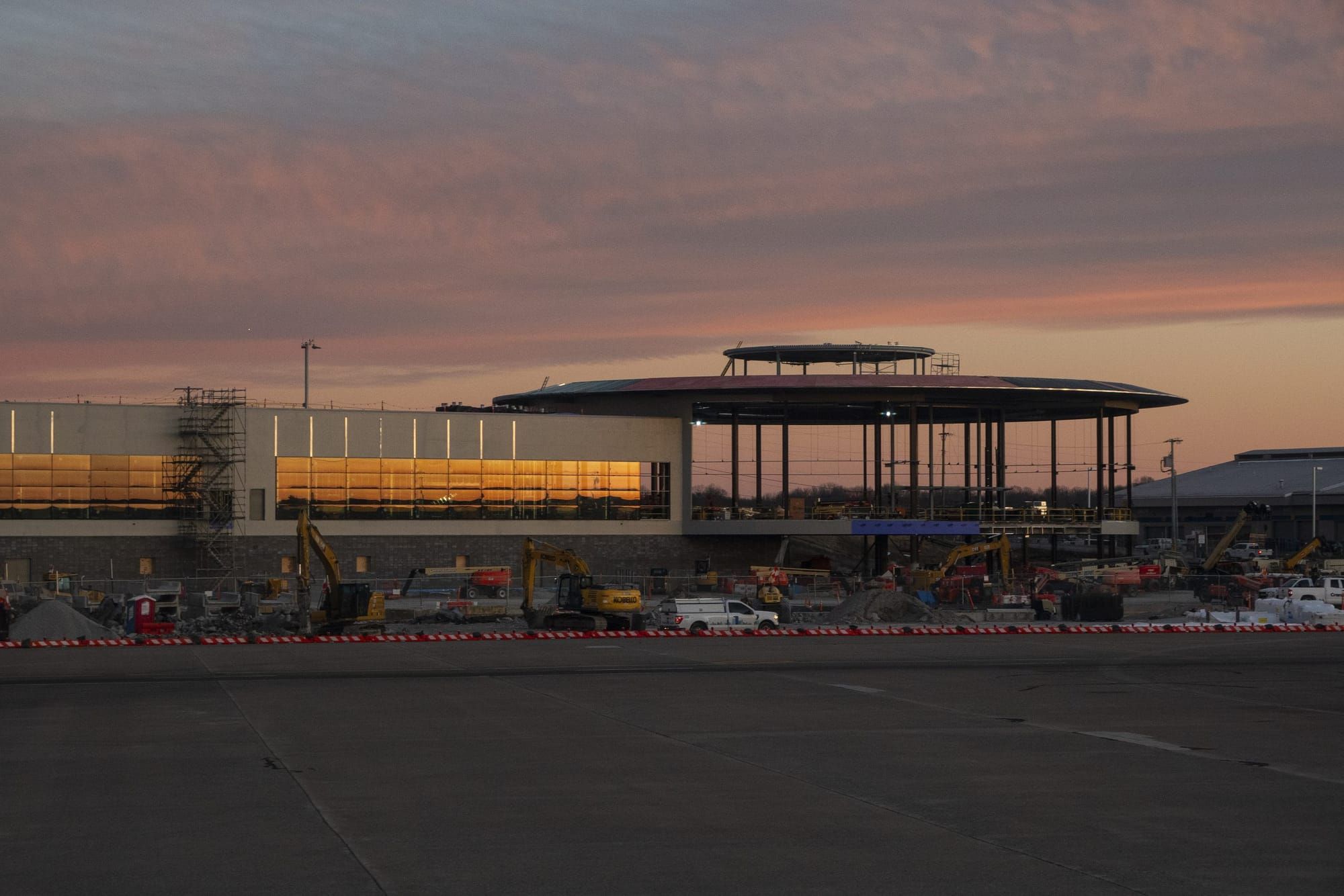
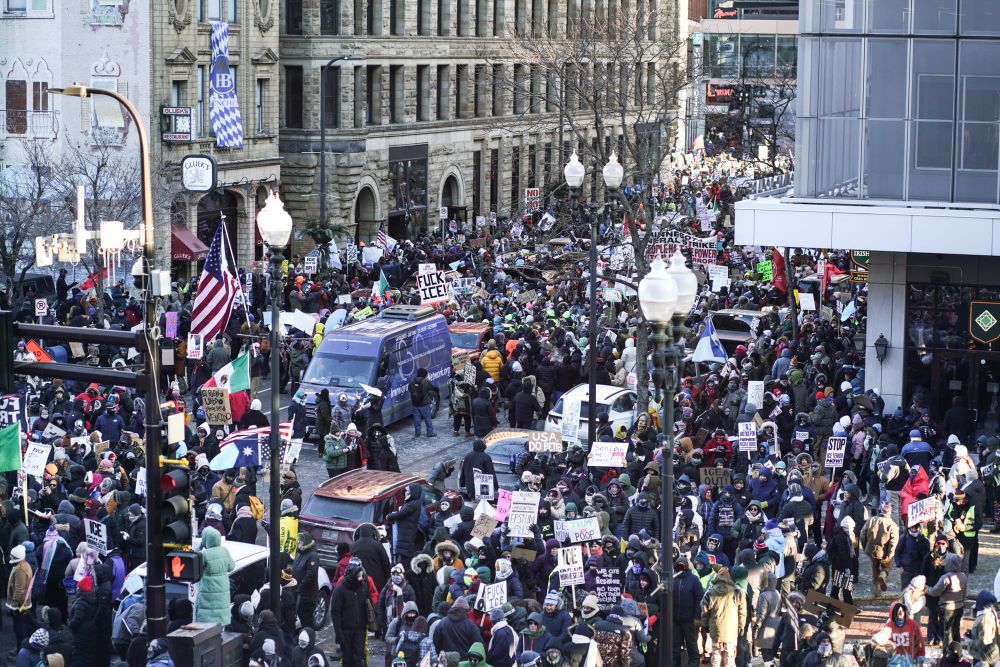
Nearly three-dozen Uber and Lyft drivers remain banned from serving the Nashville International Airport (BNA) in retaliation for participating in a caravan protest outside the airport. The Feb. 14 caravan was held in support of a bill that would help rideshare drivers throughout the state.
Tennessee HB 879, also introduced in the State Senate as SB 818, attempts to stymie the oversaturation of out-of-state rideshare drivers, which has negatively impacted Tennessee drivers. While drivers in bordering states are allowed to accept rides in Tennessee, Tennessee drivers are not eligible to do the same, meaning they must contend with out-of-state competition while not being able to benefit from crossing state lines themselves. The bill would require rideshare drivers to have a “transportation network license” to accept rides within the state. In order to obtain that license, registrants would need a Tennessee state driver’s license.
Less than a week after the caravan, 34 drivers who participated received messages from Uber and Lyft alerting them that they were banned from making pickups at the airport. In a statement to Prism, BNA shared that the caravan violated the airport’s policy, which requires people to apply for a permit before protesting as outlined in the Airport Authority’s Protected Speech Policy. Additionally, BNA alleged that the caravan interrupted traffic flow of approximately 600 vehicles per hour that were attempting to pick up passengers.
However, drivers who took part in the caravan such as Mo McClain of the Tennessee Drivers Union (TDU), who has worked for Uber for the past nine years, told Prism that the caravan did not disrupt traffic and that the flow of cars was only interrupted when BNA staff approached caravaners and prevented them from leaving.
Further, while Uber’s message to the banned drivers alleged that they had “conducted a pick up on the Arrivals level of the terminal” during the protest, McClain said that she and others were not on duty at the time of the caravan. They had turned off their apps, and McClain said she was not even riding in her own car. Uber and Lyft’s ability to recognize who participated raises concerns about the extent and nature of the companies’ surveillance and tracking of their drivers.
While BNA told Prism that only five people were banned and 30 drivers had their privileges suspended for 90 days, representatives from TDU said that the airport has not been in communication with any of the participating drivers at all since the ban was placed. McClain, whose ban has not been lifted, said that she and other banned drivers were given the name of a BNA representative to contact, but she has yet to hear back.
“This situation where they restored some but not all is a classic case of union busting,” McClain said. “It’s a tactic to punish you: Restore some and then maybe that will make [drivers] say, ‘I don’t want to get in trouble again, so I’m not participating with you guys anymore.’ It causes a lot of other drivers to lose faith in what the union is doing because they’re afraid that this tactic could be used on them and they may not ever get to work again.”
On March 19, TDU delivered a letter signed by unions, faith organizations, community groups, and local businesses to the Metro Nashville Airport Authority to protest the ban. The letter was signed by unions across the country and internationally, including SEIU Local 205; CWA Local 3808; Teamsters Local 327; United Campus Workers, Tennessee; Amazon Labor Union; United Electrical, Radio, and Machine Workers of America; Indian Federation of App-Based Workers; and Costa Rica’s Asociación Privada de Movilidad Tecnologica.
“Their protest raised consciousness over the deplorable treatment by California-headquartered, billionaire-backed Uber, which thinks Tennesseans don’t deserve fair earnings for their hard work,” wrote TDU. “Your overhanded retaliation exposes your bias toward workers and a lack of respect for our values of peaceful protest. We are ashamed by your collusion with Uber to repress the drivers and further exploit their suffering.”
In a statement to Prism, BNA said “Uber and Lyft drivers are independent contractors, and both companies hold permits to operate at BNA. To maintain these permits, they and their drivers must adhere to all Airport Authority policies and procedures. Non-compliance may result in suspended or revoked privileges.”
McClain said she participated in the caravan to show solidarity with other drivers in support of the pending legislation and to bring attention to TDU’s specific demands of BNA. Among the demands crafted by the union were improved restroom facilities (drivers currently must use designated portable toilets that are poorly maintained and unhygienic) and more expanded parking to mitigate the extreme congestion that rideshare drivers endure.
These demands come after the airport has announced it will continue to expand. Yet its plans, which include improvements to terminal access roadways, do not include improved spaces for rideshare drivers despite the revenue they bring the airport. According to TDU, BNA has reported earnings of $2.4 million from rideshares.
“Instead of using that money to clean the porta-potties that rideshare drivers are forced to use, or to improve the airport’s rideshare lot, the airport authority board gave their CEO Doug Kreulen a $200k pay raise, who now makes $600,000 a year,” union representatives wrote in a press release.
Despite Tennessee offering fewer protections for gig economy workers than states such as New York or California, some argue that cities such as Nashville depend on drivers to fuel their tourism economy.
“Without a driver, you don’t know where to go; you don’t know what Nashville offers,” McClain said. “You can go on social media and look, but your driver is going to tell you, ‘Hey, that’s a great area, that’s not a great area, here are some restaurants.’ These types of things are [how we] build up the small businesses around us. We’re here to build up all of the tourism. We welcome the people that come here.”
The impact on banned drivers has been immense, particularly because the airport has typically been a primary source of revenue for Nashville drivers. The airport is particularly lucrative because of its higher concentration of passengers who tip and because trips to and from BNA are longer and yield larger fares. McClain described trips to and from BNA as “one of the only opportunities for rideshare drivers to make barely above minimum wage.”
In the week since the ban took effect, McClain said that she has gone from making about $1,500 to $2,000 per week to just $400 to $500. These losses come as she tries to manage rising rent costs and struggles to make weekly payments on the car that she rents from Uber. Other union members who have faced bans, particularly those with children, have had to take on extra jobs to fill in the gaps.
“I don’t regret doing this at all because we have to speak out about things. However, [there’s been] an emotional toll it took on me every day,” McClain said. “[I’m] thinking, how am I going to survive, and what is my next option? Where is my next meal going to come from? Where’s my gas going to come from? It just really shot my blood pressure up, and I already had blood pressure issues. … You don’t know how to break that cycle because it’s already created a level of dependency.”
As companies that are notorious for their poor regulations, Uber and Lyft routinely engage in nefarious practices that prey upon the precarious position and limited choices of their drivers, rideshare workers say. Drivers have reported facing penalties—such as a 15-minute “time out,” according to McClain—for refusing to accept certain rides, even those that make them feel unsafe.
“Where is the freedom in this?” McClain said. “Like, where’s the freedom in this particular type of gig economy?
Editorial Team:
Sahar Fatima, Lead Editor
Carolyn Copeland, Top Editor
Rashmee Kumar, Copy Editor
Author

Tamar Sarai is a writer, journalist, and historian in training. Her work focuses on race, culture, and the criminal legal system. She is currently pursing her PhD in History at Temple University where
Sign up for Prism newsletters.
Stay up to date with curated collection of our top stories.