Texas summers are brutal. Temperatures rise to the triple digits, the sun is scorching, and the heat makes the skin sizzle. Working outside in these conditions is perilous. It’s critically advised to stay hydrated, away from the sun, or in the shade if possible.
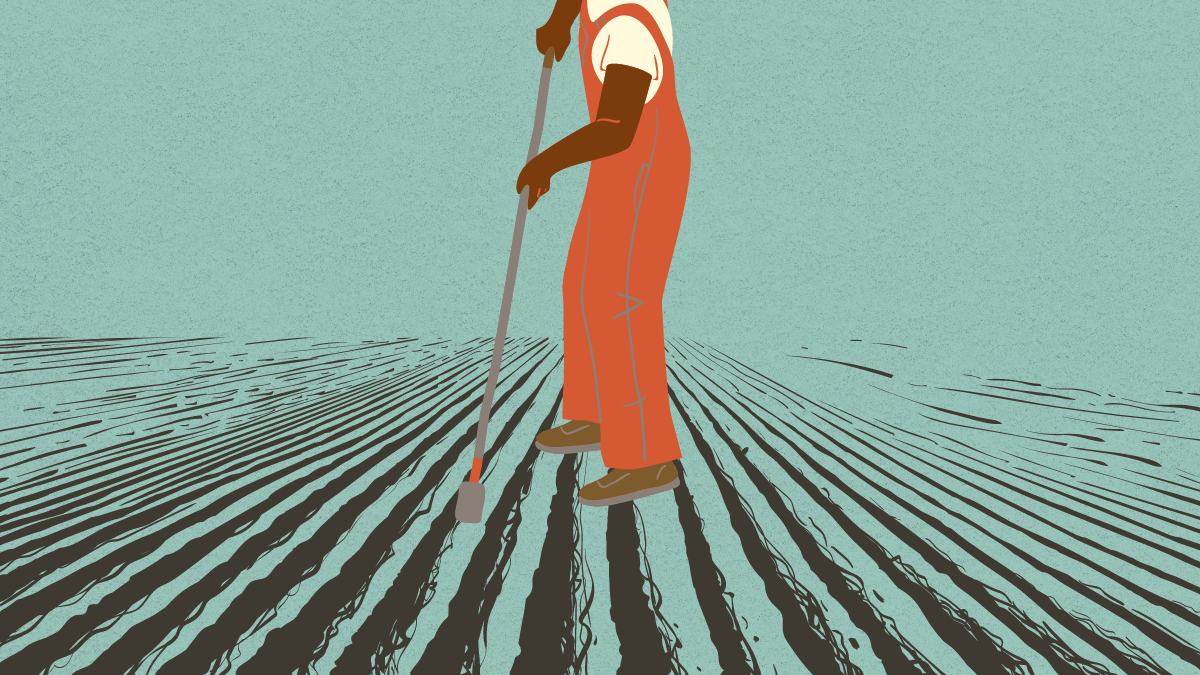
Incarcerated people work in these extreme temperatures daily. While the bosses wearing cowboy hats sit on their horses in the shade drinking cold beverages, chewing tobacco with shotguns in their arms and pistols on their hips, the hoe squad slaves under the sun. In a hoe squad, we line up back to back, each with a garden hoe or “aggie” to plow the fields while picking cotton, potatoes, corn, tomatoes, cabbage, squash, watermelon, cucumbers, okra, and more. We pick and plant the crops, and the prison sells them for profit. We do not get paid.
All of us have a job assignment in Texas prisons—if we don’t work, we face disciplinary action. We work between 8 and 14 hours a day, depending on job and facility operation hours. The only exception is when people have medical conditions that hinder them from working, and that’s not even a guaranteed exemption. For example, a person in a wheelchair may or may not be exempt from work depending on the job. If someone is a paraplegic missing a limb, they will be exempt from work, but those with chronic issues like heart disease, asthma, or cancer will not be.
Disciplinary consequences for not working can include loss of visitation rights from family and friends, loss of phone privileges, loss of commissary privileges, loss of inside or outside recreation, loss of tablet privileges, loss of property, loss of good time/work time (which affects parole), and loss of lines or class status (which also affects parole).
Those in a hoe squad work 10 hours a day from around 5 a.m. to 3 p.m. Not only is this strenuous labor under the deadly sun unpaid, but we also have to do so without a decent lunch—all we get is a brown bag containing one peanut butter sandwich and one spoiled bologna sandwich.
While working on the hoe squad, I suffered a near-death experience. With no water breaks, sunscreen, or skin protection, I suffered severe burns on my arms and face that blistered. I was dehydrated and felt faint. After working six hours in the heat, I became lightheaded. I asked for water to no avail. After incessant pleading and begging, I eventually hit the red dirt, literally. Unbeknown to me and the others, we were plowing near a lair of venomous diamondback rattlesnakes. The sound of a prowling rattler with a vicious hiss resuscitated me. The rattler struck out near my throat, but I miraculously moved in time and swung out with my aggie, dazing the diamondback. I stumbled to my feet as the others scattered in fear of the lair of rattlesnakes we disturbed.
The bosses never got off their horses to provide aid or check to see if I was OK. All they did was point their shotgun at me and yell at me to get back to work. Even then, I still didn’t get any water. I didn’t taste water until my 10 hours of labor were over and I was back in my 6-by-9 dungeon of a cell drinking water from my sink faucet.
I dropped a sick call notice for medical to seek treatment for my blistered sunburn. Ten days later, I was charged a hundred dollars just to see a nurse, not a doctor. I was given an ice pack until the provider was able to schedule me for an appointment. Until then I had to keep working, and my sunburns became more inflamed. Luckily, when I finally saw the doctor, he gave me some restrictions, which limited me from working outside on the hoe squad.
“These morbid working conditions are inhumane and cruel. It’s slavery!” I said as he bandaged my arms. He shook his head in disgust.
Job assignments like boot shiners, barbers, and beauticians are the cream of the crop. People with these jobs work the fewest number of hours, though they are not without their fair share of abuse. Officers will degrade, ridicule, and oftentimes hit the workers as they’re providing their services. Other job assignments include kitchen workers, janitors, and maintenance workers, which are high-demand jobs that work the most hours.
It’s slavery all over again.
Working without pay in Texas prisons is a loophole in the 13th Amendment that the state takes full advantage of in its opportunistic inhumanity. The question is, where do the profits go when incarcerated people don’t get paid for their labor? The Texas prison system is a billion-dollar infrastructure that steals, kills, and destroys lives while its monopoly of forced labor gets richer and richer.
How can Juneteenth be designated as a national holiday in Amerikkka when slavery still exists in states like Texas?
Incarcerated people not being compensated for their labor is not just sickening—it’s cruel and unusual punishment. Other states have voted to ratify modifications of the 13th Amendment that would open the gates for us to be paid for working in prison. However, in Texas, this is an obsolete topic of discussion considering the red parties that refuse to acknowledge incarcerated people as humans. The more of us in residence in prisons, the more funds are allocated to politicians’ bank accounts.
The fact of the matter is, slavery never left Amerikkka.
The Right to Write (R2W) project is an editorial initiative where Prism works with incarcerated writers to share their reporting and perspectives across our verticals and coverage areas. Learn more about R2W and how to pitch here.
Author
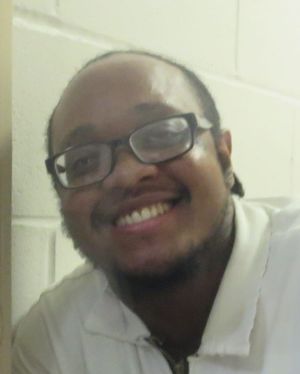
Xandan Gulley is a trans writer incarcerated in Texas state prison. Xandan has been held in solitary confinement for over seven years due to his gender identity and as retribution for his published ex
Sign up for Prism newsletters.
Stay up to date with curated collection of our top stories.