What it’s like to be pregnant in jail
Behind bars, pregnant women are ignored at best, abused and traumatized at worst
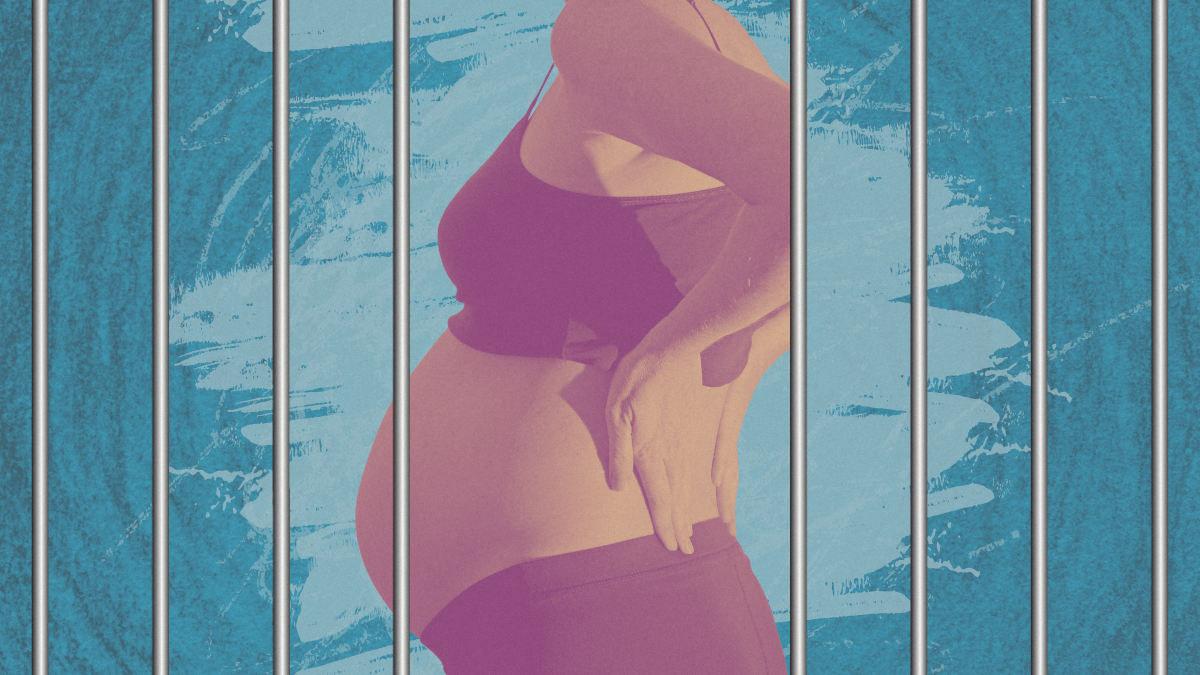
I was 23 weeks pregnant when I was arrested in December 2021. I was booked in Fort Worth, Texas, on a bond of $75,000—a price hard enough to pay as a single woman with no income, and close to impossible for a pregnant single woman with no income.
I was charged for the abuse that my abuser of six years inflicted on my 3-year-old daughter, resulting in her death. I was seen as the mother who had stayed in a toxic environment. I was no longer a victim of my abuser’s violence—I was now a defendant. My time in jail would include the birth of the child I was carrying and a sentence of 15 years, which I am currently serving in a Texas state prison.
Many pregnant women arrested in Texas feel caught in a system that is only interested in locking them up, rather than providing them with diversion resources that would help them have safe and healthy pregnancies. Though the Eighth Amendment requires prisons and jails to provide prenatal care, such as parenting education, special diets, and testing, many prisons lack the policies needed to ensure the health and safety of the parents-to-be and their children. Even facilities with policies in place to provide necessary prenatal care cannot guarantee that pregnant people actually receive those resources. According to the Prison Policy Initiative, a 2016 survey showed that only half of people who were pregnant at admission had received special testing, dietary changes, and child care instruction.
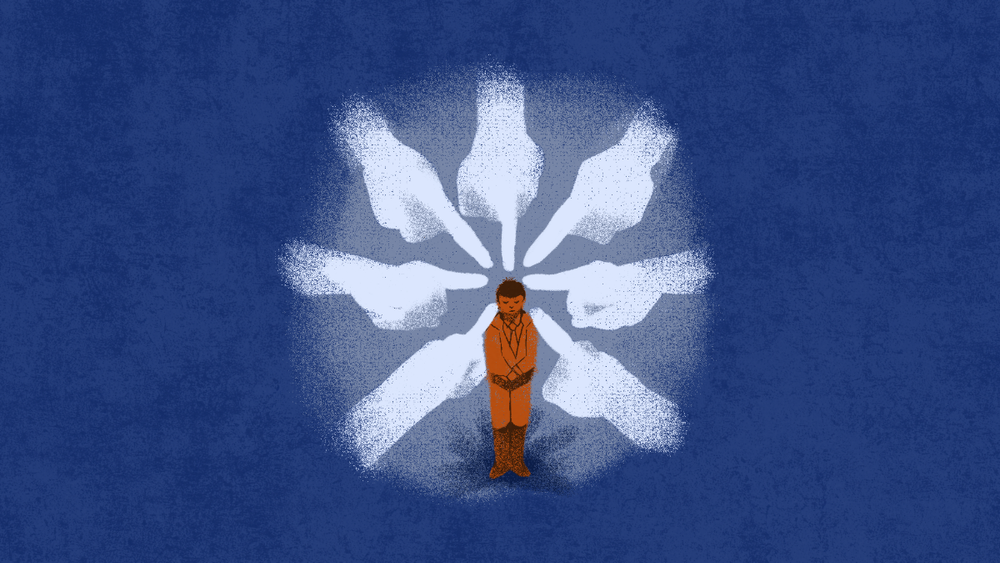
From the start, I felt the courts were working against me. My $75,000 bond was set at triple my salary of my last job. A more reasonable bond would have taken me out of my harmful environment, ultimately reducing the chance of a higher-risk pregnancy caused by stress-related complications. Instead, I was forced to stay in county jail, a revolving door of up to 80 women from different backgrounds all in survivor mode, including women who were in withdrawal and detoxing. Guards only saw me as a check mark—pregnant or not—and since my actions led me to jail, I was no longer considered an equal.
Yolanda Vasquez from San Angelo, Texas, had a similar experience. She was 25 years old in 2015 when she was pregnant in county jail. After signing for a four-year sentence, she was sent to the Carol S. Young Medical Facility in Dickinson, Texas, where she delivered her son.
“I thought my baby was going to starve,” Vasquez said. She feared being unable to adequately nourish her unborn child, as prenatal diets require increased calories and specific nutrients that are not met by the typical prison diet. “I might have been homeless, but out there I could always find food. In [prison], we are given three trays, but the guards are lazy, leaving the feeding up to the other women in custody. If you weren’t one of their friends, it was easy to have the meat snatched off your trays. In jail, there isn’t compassion. It’s a dog-eat-dog world.”
Vasquez’s story made me reflect on my own pregnancy at the end of December 2021 through March 2022. I was fully reliant on people on the outside to support me, and my support system was little to nonexistent. Asking for help on the inside was equivalent to sitting on the side of the road with a cardboard sign that reads “spare change.” I spent many nights gulping water to stave off hunger, the sound of my grumbling stomach a lullaby to my unborn baby.
Mothers like 36-year-old Vanessa Scholte from Bexar County, Texas, also remember fearing for their unborn child’s life. She was five months pregnant when she was arrested in 2012.
“I felt safer in the streets,” Scholte said.
While Scholte was waiting to see what the state would offer her on her robbery charges, she fell while getting off a transport van after a hospital visit. Handcuffed, she struggled to get back on her feet as one guard stood by and watched. Though another guard eventually rushed to her side, the first guard’s reasoning for not helping was, as Scholte recalled, “I don’t have gloves.”
“I was worried about my baby, she was worried about me infecting her, [and] that night, my bond was posted,” Scholte said.
Vasquez and Scholte also described living in a constant state of paranoia while behind bars, fearing someone would harm them or their unborn baby. On top of that stress, pregnant women in jail must shoulder the fear and anxiety of their impending labor alone in the face of apathy and neglect from prison staff.
In March 2022, I gave birth to my son while in custody at Tarrant County Jail. Being that he was my sixth child, I knew what my body was trying to tell me when I went into labor. But because of the prison guards’ negligence, I didn’t make it to the hospital in time.
Being pregnant behind bars, I could only rely on myself or the help of total strangers.
While waiting for hours inside a medical holding cell with three other pregnant women, I kept alerting the guards that I was sure I was in labor. I was sweating, taking shallow breaths, and my contractions were five minutes apart. Each time, I was brushed off by the guard sitting outside the cell and told to keep it down and be patient.
I decided I had no other choice. I laid pants-less on the ground and began pushing with the help of the other women crowded around me, crying in fear. A guard heard our yelling. I assumed she would tell us to keep it down again, but when she saw what was happening, she called for help. Within minutes, other guards rushed in, followed by two nurses.
One nurse checked my cervix and found I was eight centimeters dilated. The other nurse went to call 911. By the time paramedics got there, I knew I couldn’t hold on much longer. I delivered my son in the back of the ambulance.
Being pregnant behind bars, I could only rely on myself or the help of total strangers. I battled depression while being treated like I wasn’t smart or worthy of having a baby because I came to jail pregnant. Though there is still a significant lack of research on the topic, the few studies that do exist consistently show that depression and anxiety disproportionately affect incarcerated pregnant people due to factors such as lack of social support and poor prenatal and perinatal health care.
Thankfully, my son was born without complications, other than bruising on his face due to premature pushing. But, as is the reality for many others, the outcome could have been a lot worse.
The Right to Write (R2W) project is an editorial initiative where Prism works with incarcerated writers to share their reporting and perspectives across our verticals and coverage areas. Learn more about R2W and how to pitch here.
Editorial Team:
Rikki Li, Lead Editor
Carolyn Copeland, Top Editor
Rashmee Kumar, Copy Editor
Author

Marissa Potts is currently serving a 15 year sentence in Texas. She is a survivor of intimate partner violence and has turned her immense pain into passion. She is inspired to share her testimony if s
Sign up for Prism newsletters.
Stay up to date with curated collection of our top stories.