Buried voices: A photojournalist’s fight to expose Gaza’s hidden wounds
After unspeakable loss, Mahmoud Abu Hassira continues to bear witness to Gaza’s devastation and humanity
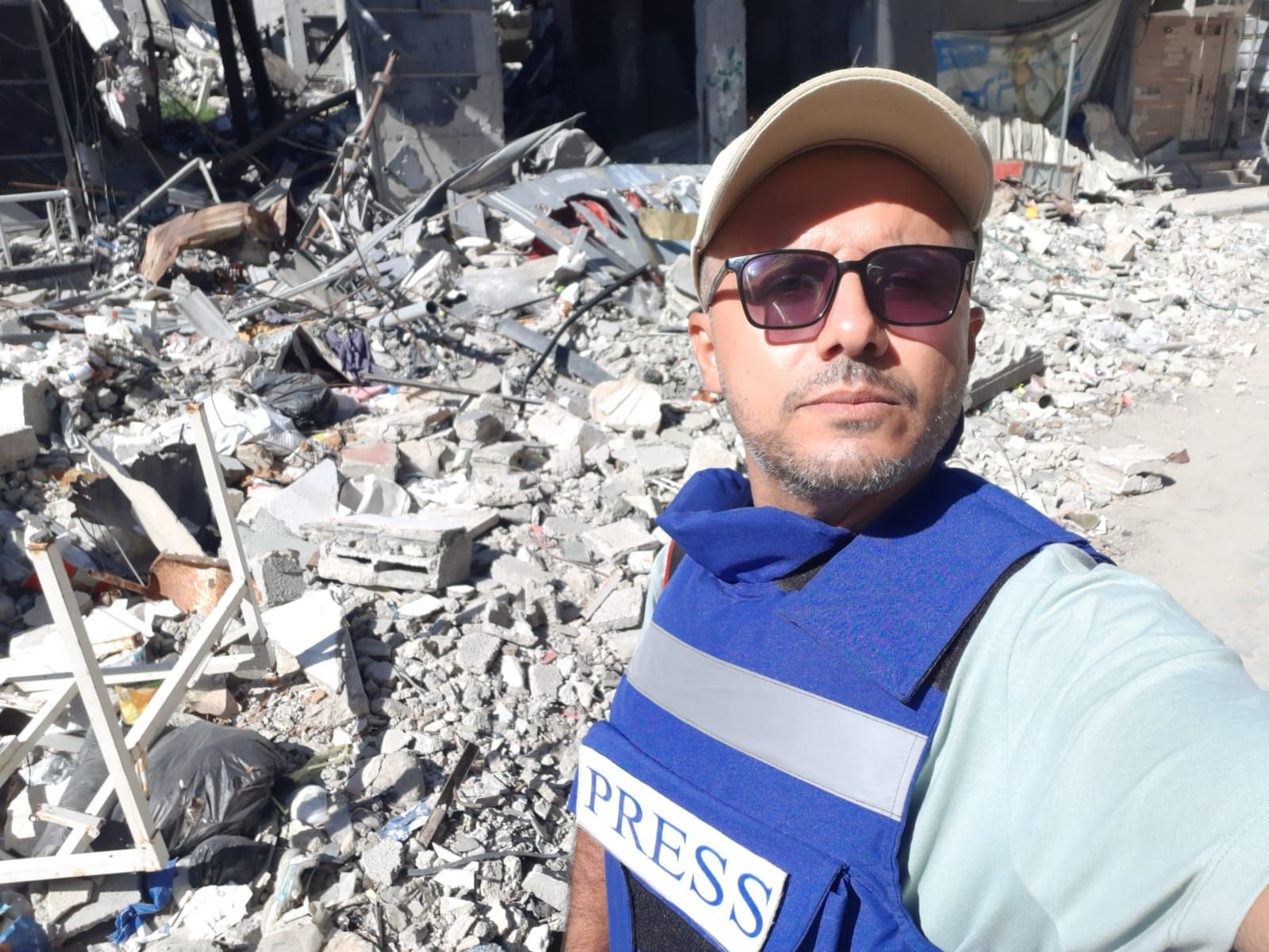
Photojournalist Mahmoud Abu Hassira walks the devastated streets of northern Gaza, camera in hand. With each frame, he documents the brutal aftermath of war, images etched with loss and resilience. His own story is marked by unspeakable tragedy: the loss of his wife, two children, and several relatives during the ongoing Israeli assault that began on Oct. 7, 2023, leaving behind a silence too deep for words.
He finds himself drawn back to Nov. 4 of that same year, when the clock marked 9:15 p.m. In that instant, time froze—and the people he cherished most were gone.
“The sound of violent explosions rocked the area west of Gaza’s first port,” he recounted. “That’s where my home stood—the one that cradled my wife, my two children, and my family. But never did I imagine the strike would fall upon it directly.”
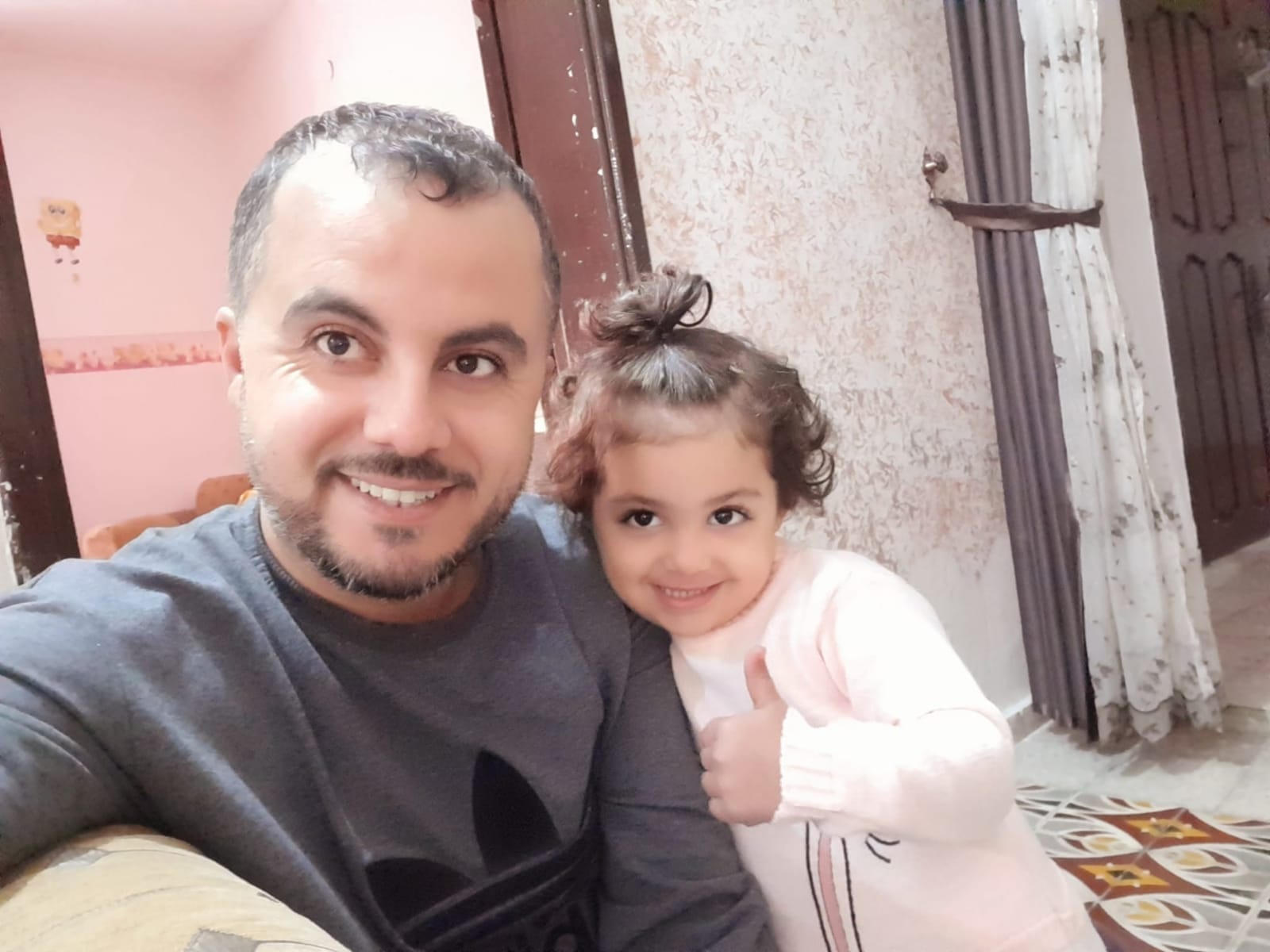
Abu Hassira was with his father when news reports identified the site of the bombing. Believing it to be the nearby mosque, they rushed to the scene, never imagining that the target was his own home. That harrowing night, Abu Hassira lost his wife and his two children—seven-year-old Ziyad and four-year-old Ghada—along with 33 other members of his family, most of them women, children, and elders.
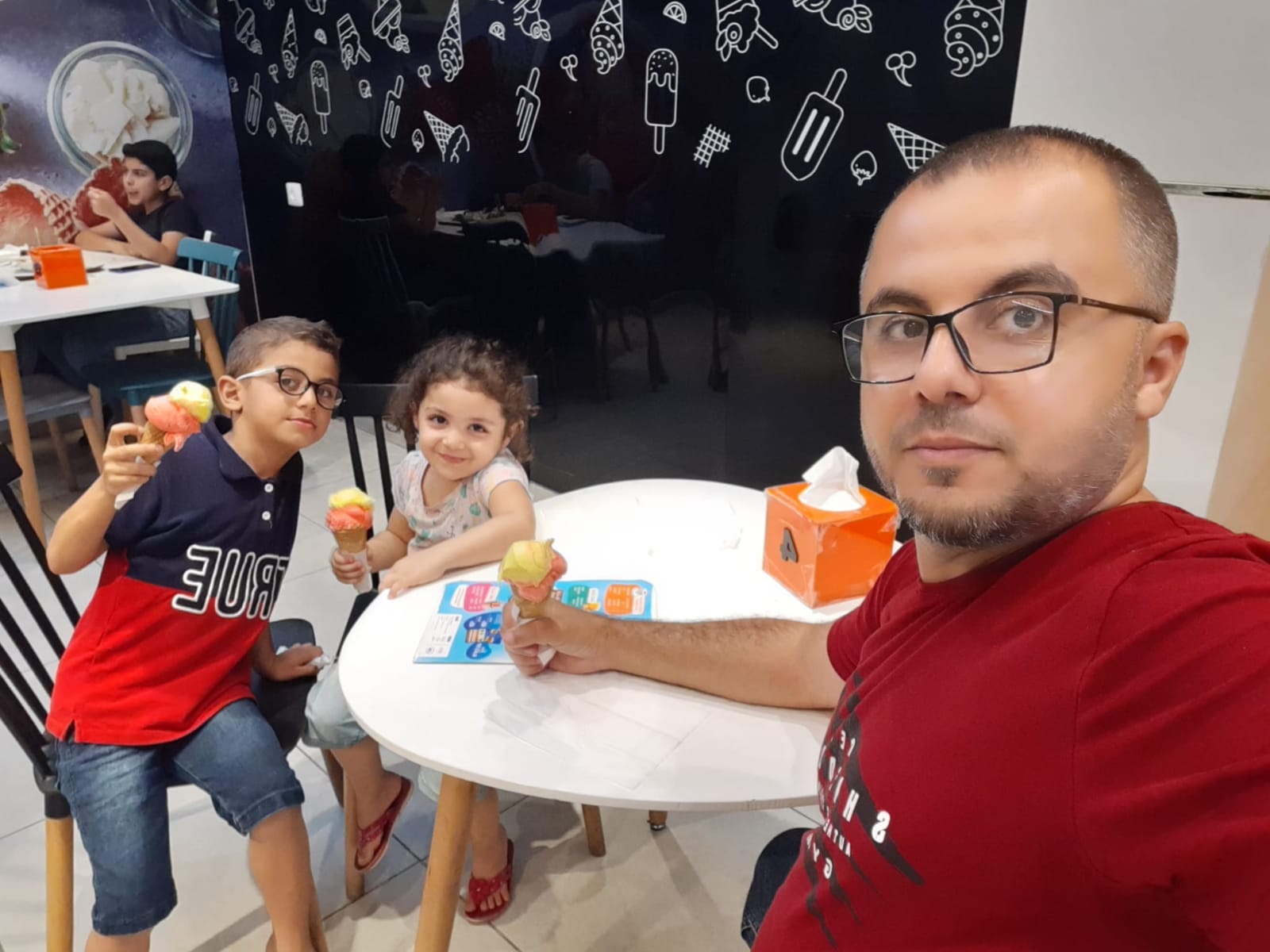
Earlier that day, the last day he would spend with his children, Abu Hassira took them to the nearby grocery store, only to be struck by an air raid. He bought them a few small items they loved, hoping to distract them, ease their fears, and offer a moment of normalcy amid the constant terror of bombardment, displacement, and death.
“My children were martyred before they could even finish the bag of treats,” he said, his voice heavy with grief.
Abu Hassira is wracked with anguish whenever he thinks of the bodies of his wife and children, still buried beneath the rubble of their destroyed home.
“The Israeli bombardment was so devastating that it prevented civil defense teams from reaching the site due to the intensity of the explosions, and because rescue crews themselves were targeted as they tried to save whoever they could,” he said.
Since the onset of the war, Israeli attacks on journalists in Gaza have escalated, with the death toll among Palestinian media workers reaching 228, according to a July 1 social media post from the Gaza government media office.
For Abu Hassira, this only strengthens his dedication to continue reporting. “The war we are living through in Gaza is, at its core, a battle to convey the truth—to carry the voices of victims and those being annihilated in cold blood to the entire world,” he said.
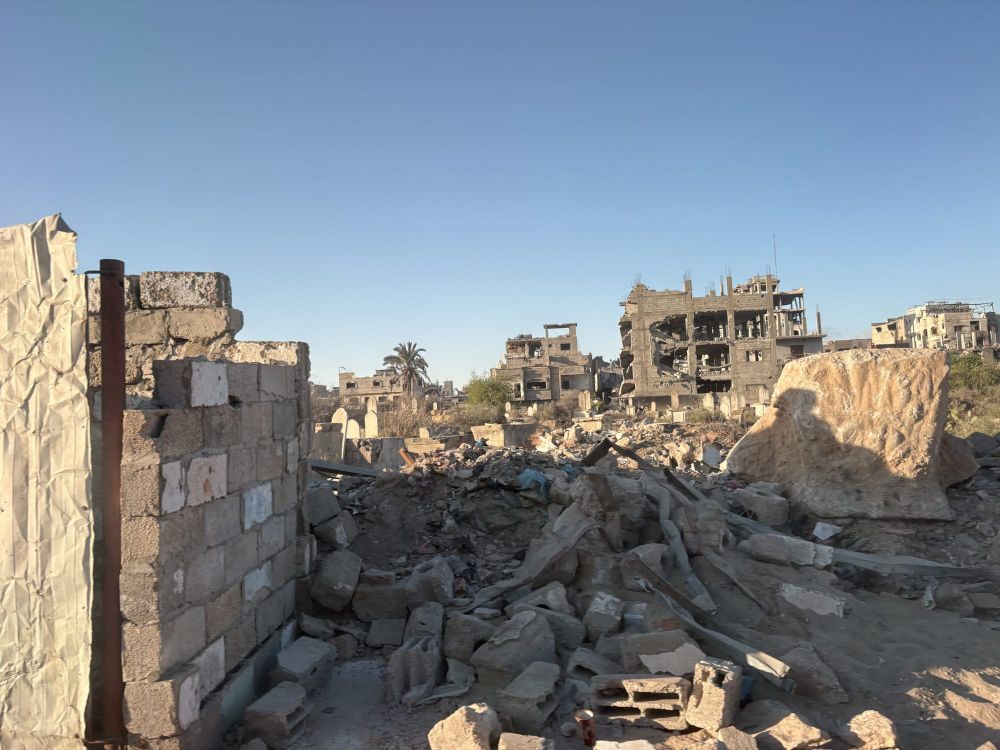
Despite the unrelenting pain in his heart, Abu Hassira made the decision to keep working. He walks through the streets of northern Gaza—now reduced to heaps of rubble—capturing with his camera what remains of the city’s landmarks. Through his lens, he strives to show the world the hollow-eyed children stripped of their innocence, and the constant procession of martyred families emerging from hospitals, erased one by one from the civil registry.
When Abu Hassira returns to his place of displacement after a long day’s work, he can’t help but scroll through photos of his two lost children.
“I miss the warmth of my children whenever I come home. They used to greet me with hugs and ask me to grant their little wishes,” he said.
In every photo his lens captures in the field, Abu Hassira sees the eyes of his lost family. The shattered landscape has become a symbol of unbearable grief,the very ruins beneath which his memories with them now lie buried.
Israel’s genocide in Gaza has continued unabated with support from the U.S. since Oct. 2023. The Israeli military has claimed the lives of 57,418 people the Health Ministry reported on Sunday, and more than 136,000 have been wounded—the majority of whom are women and children. The true toll is estimated to be much higher, as thousands remain missing and the Gaza’s Health Ministry reporting that many are still trapped beneath the rubble of homes and buildings that cannot yet be cleared.
Gazing at the wreckage of his destroyed home, Abu Hassira said: “Even my children’s toys weren’t spared by the missiles. They remain trapped beneath the rubble, just like some of my relatives.”
Like many journalists in Gaza, Abu Hassira said he believes the media’s role has become more vital than ever. He sees the photos they take and the reports they write and broadcast as some of Gaza’s most powerful tools in the face of Israel’s ongoing campaign of annihilation.
“The occupation may try to silence our voices, but it will never suppress the truth—a truth that will live on through our lenses, our images, and our daily reporting,” he said.
With unwavering resolve, Abu Hassira continues his work, determined to respond to the atrocities of the occupation with the only weapon he has: the power to document the truth.
“The enemy wants us to break, but we won’t give them that victory,” he said. “This camera is my weapon, and I will use it to deliver the image—the image of the horrific crimes being committed against defenseless civilians in Gaza.”
As Gaza’s skies remain clouded with smoke and sorrow, voices like Abu Hassira’s rise through the rubble. Armed with nothing but his camera and conviction, he documents devastation and resilience. His lens bears witness to loss, love, and the enduring power of truth—a truth he is determined the world will no longer overlook.
Editorial Team:
Carolyn Copeland, Lead Editor
Lara Witt, Top Editor
Tina Vasquez, Copy Editor.
Author
Shaimaa Eid is a Palestinian journalist from the Gaza Strip. She specializes in covering news and field reports, with a particular focus on human-interest stories that reflect the suffering of people
Sign up for Prism newsletters.
Stay up to date with curated collection of our top stories.