Public media is not a luxury, it’s a necessity—especially for the incarcerated
In prisons across the country, where books are banned and visits are restricted, PBS is a crucial lifeline
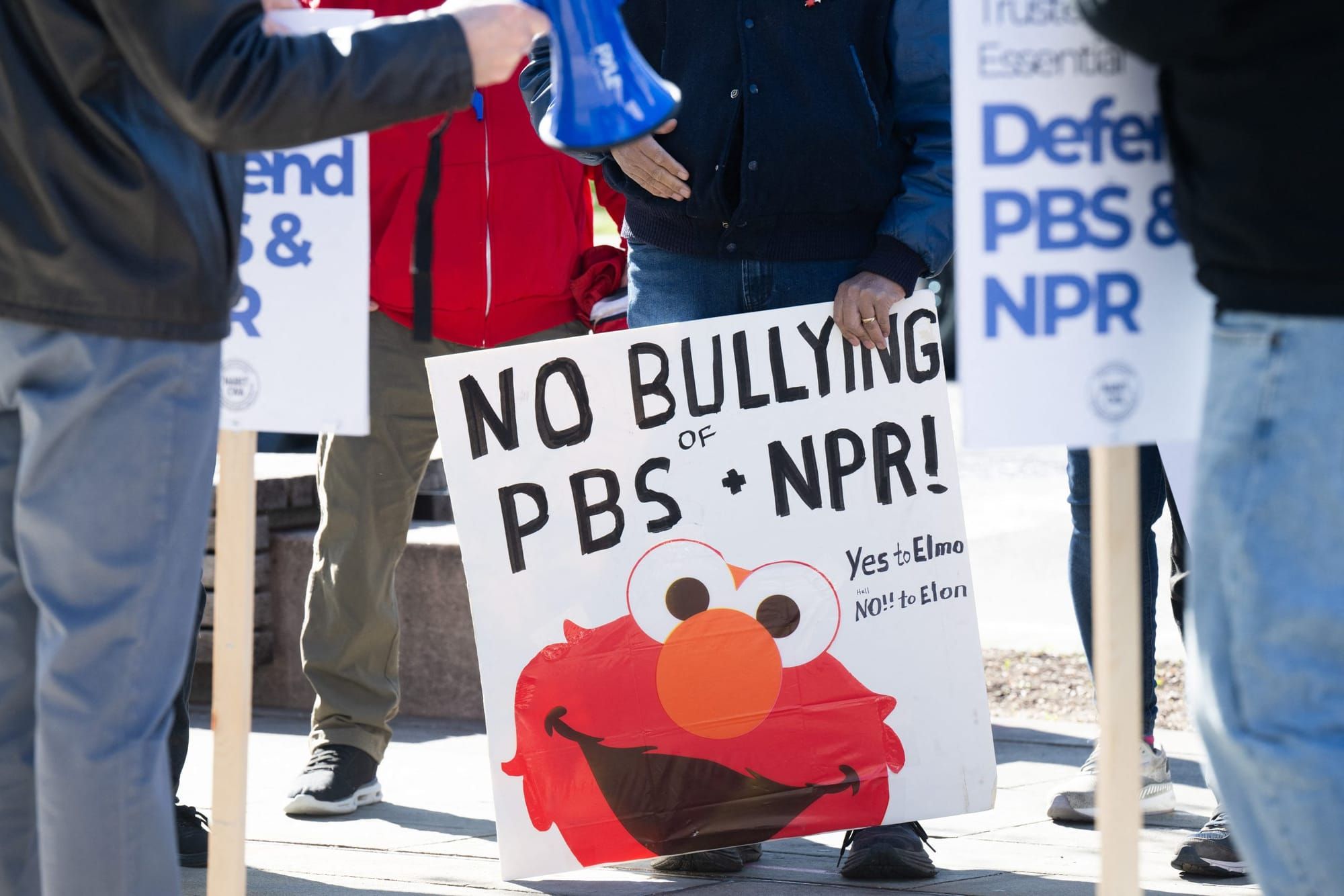
Is there any safer street in the U.S. than “Sesame Street”?
I certainly didn’t think so. Sitting in my grandmother’s living room as the first-generation child of a Ghanaian immigrant parent, programming like “Sesame Street” is how I first became comfortable with the English language and with American society. It’s also how I made early meaning of who I wanted to be in the U.S. “Sesame Street” made me feel safe and like I belonged, and it’s a place where I learned kindness and consideration for others. The Public Broadcasting Service (PBS) is also where I learned about life outside of my home. Growing up in a low-income household, my family struggled to make ends meet. We experienced food insecurity and an eviction, and we were very familiar with the harsh weight of systems that fail the people who need them most. Seeing the possibilities of community life through the lens of “Sesame Street” offered me hope and the belief that one day, my childhood reality wouldn’t be my future.
Today, the more than 2 million people incarcerated across the U.S. continue to learn about life “outside” through PBS, one of the only public media channels available. In prisons across the country, where books are banned and visits are restricted, PBS is a crucial lifeline. Just as “Sesame Street” taught me what safety and community looked like and how I could create it for myself, PBS programming continues to offer educational content, cultural programming, and stories that restore a sense of identity and humanity. For the 95% of incarcerated individuals who will one day return to their communities, public media is not a luxury; it’s a necessity. It offers programming that helps people prepare for reentry, stay mentally engaged, and remain connected to the society they will one day rejoin.
These are some of the many reasons why the Trump administration’s recent attacks on PBS and the Corporation for Public Broadcasting are so alarming. This isn’t just about a line item in a federal budget. An attack on these institutions is deeper than what any budget item could ever possibly reflect. Ultimately, these attacks are attacks on safety—not in the traditional sense of law enforcement or surveillance, but in the deeper sense of connection, dignity, and community.
Public media doesn’t just directly serve those behind bars. It also offers programming that covers the issue of incarceration more authentically. As CEO of the narrative change organization Represent Justice, I have had the privilege over the last five years of helping to lead impact campaigns for not one, but three PBS films about the carceral system that included system-impacted individuals at the helm of the storytelling. Our current impact campaign for the documentary “The Strike” highlights the brutal practice of solitary confinement from the lens of men who suffered decades in isolation, offering viewers a moment of reflection on how we operate as a society and how each individual can effect change. Through PBS, these stories reach people—not only in living rooms, but in prison day rooms and community centers nationwide. This creative cultural work moves people to action.
“Sesame Street” was my first tool for changing my life’s narrative from defeat by the system to hope for systemic change. But narrative power isn’t just about a single story toppling a system; it’s about a chorus of voices rising together to shift our collective understanding. That kind of cultural shift requires infrastructure. Public media is that infrastructure. It’s the bridge that lets stories surge across divides. To defund public media is to silence the voices that need to be heard most. It’s an attack on the possibility of a safer, more connected future for us all.
PBS taught so many of us that our voices matter, and now is the time to use them.
Editorial Team:
Tina Vasquez, Lead Editor
Carolyn Copeland, Top Editor
Stephanie Harris, Copy Editor
Author

Daniel K. Forkkio is the Chief Executive Officer of Represent Justice. With over sixteen years of prior experience in nonprofit and advocacy work, Daniel has led Represent Justice over the past five y
Sign up for Prism newsletters.
Stay up to date with curated collection of our top stories.