Never eat the candy on your pillow: Parole, harassment, and the daily fight to stay free
Reentry is the journey of a lifetime, and my vulnerability is both my greatest armor and biggest liability
Real journalists wrote and edited this (not AI)—independent, community-driven journalism survives because you back it. Donate to sustain Prism’s mission and the humans behind it.
Dear Reader,
As those who have been following this column are aware, I’m still settling into this new phase of my life as a free man—or as free as I can be while on parole.
My goal in writing about reentry is not only to educate but also to inspire and advocate for better living situations for all of those returning to society after incarceration. I feel the weight of this work. But all I can offer are my insights and experiences, and the hope that this information might help provide a softer landing to those anxiously awaiting their new lives on the other side of the fence.
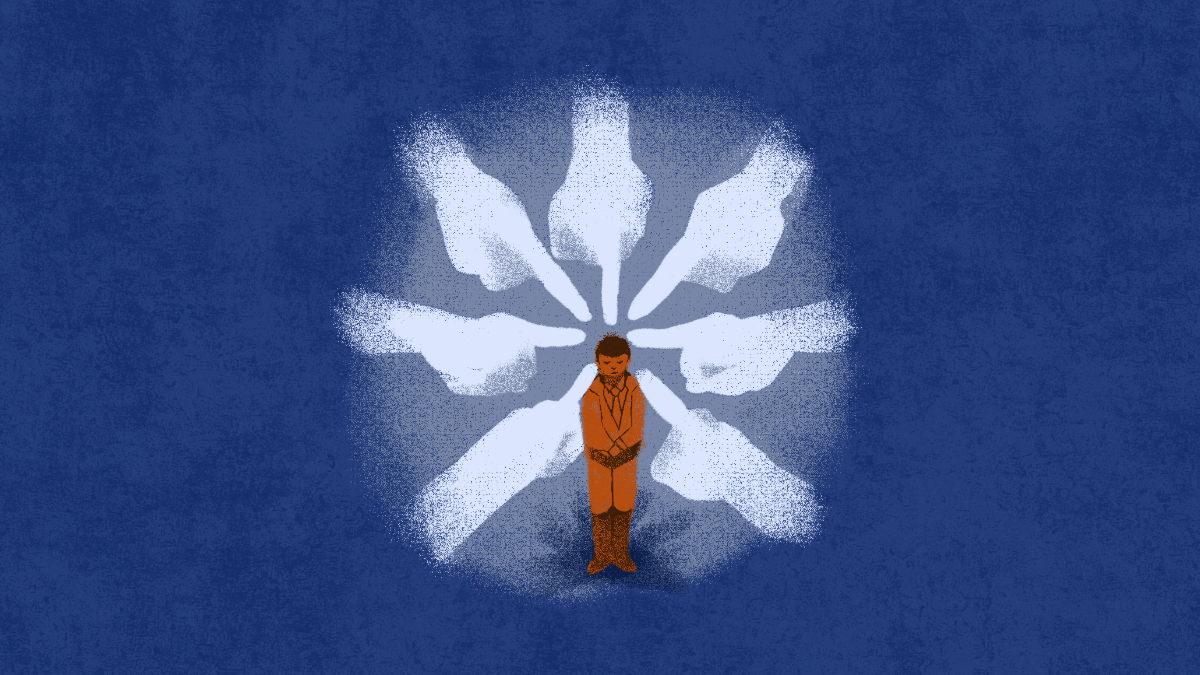
I don’t have all the answers; I have my own problems. Currently, I am facing tremendous adversity and pushback from narrow-minded people who refuse to look beyond my convictions. Despite my hard work and humble personality, many folks only see me as a “felon.” This is the reality for many previously incarcerated people. Not only do we endure a litany of background and credit checks and a barrage of questions about gaps in employment just to access basic life necessities, but we also find people outside who will never let us forget that we were once inside.
I am not the type of person to focus on the problems I face. Instead, I seek solutions, strategize, and plot a course to steer around the rough waters of life.
So when a group of men at work began harassing and threatening me over my incarceration, rather than stoop to their level and fight back with harsh words and anger, I paused to reflect.
Where was their anger coming from? I sat with that question, which was extremely hard for me, especially because I hadn’t done anything to warrant their disrespect and ridicule. Yes, I had been incarcerated. Yes, I served 20 years for my charges, and yes, I was released on parole. But none of those things make me deserving of abuse.
Nothing about my life feels easy—especially not parole. However, it is doable if you follow the rules and remain vigilant. What does that mean exactly? In the situation I’m facing at work, I cannot react in anger. I can’t rage as my tormentors rage. I can never allow myself to forget that the slightest misstep could lead back to incarceration.
When you are on parole, your freedom constantly feels in peril. It doesn’t matter if you stay away from drugs, bad habits, and poor decisions. If someone has it out for you, they pose a very serious threat to your life. And when people pose a serious threat to your freedom, you only have one option if you don’t want to end up back inside: communication. But I don’t mean trying to talk through issues with people hell-bent on my destruction. Perhaps a more apt description is documentation. Document everything they do and say against you. Keep a journal of the details, dates, and locations of harmful interactions. Detail these adversities with your parole officer, support system, and therapist. Do not—I repeat do not—suffer in silence.
While I am following my own advice, I still wake up each morning gripped by a collision of hope and dread, haunted by the invisible chains that 20 years behind bars have locked around my soul. I still have nightmares about being sent back to prison. I am still petrified of being stopped by the police. And I still go about my day, struggling to truly feel free due to these many fears.
Often, the world outside seems to greet me with suspicion. The cold gaze of those who judge me sometimes cuts deeper than any razor wire-studded prison wall ever could.
It doesn’t help that often, the world outside seems to greet me with suspicion. The cold gaze of those who judge me sometimes cuts deeper than any razor wire-studded prison wall ever could. There are nights when isolation crushes my chest, and the silence roars so loudly I fear it will swallow me whole.
But I force myself to claw past these feelings, reaching desperately for fragments of kindness: a fleeting smile, a gentle touch, the rare shelter of understanding. This might fly in the face of everything we’re conditioned to believe about survival, but I believe that vulnerability is my only armor, and with trembling hands, I offer it to those who might still believe in second chances.
A true second chance is all that I seek. My life story is stitched together with sorrow and defiance; every setback is a wound, every triumph a spark against the darkness in a world that judges so-called felons. You see, reentry is not just a struggle to survive; it’s an epic quest to reclaim my dignity and battle the demons that linger within.
On my bleakest days, it is sheer faith that keeps me moving. I like to imagine that every act of courage and honest word strikes a blow against any force threatening my freedom. I am not alone in this quest, and I’m determined to make sure my journey echoes with meaning. I am willing to endure all of the heartbreak, as long as I can eventually carve out a place in the world where I am truly seen and I can live without fear.
Adversity can be a hindrance, but it can also teach you things about yourself. For example, while incarcerated, I often heard men say, “He forced my hand,” meaning someone pushed them to do something they did not want to do. This usually meant that someone got into an altercation because another person’s behavior “forced” their hand. This always sounded like an excuse. When I encountered similar adversities, I thought about the repercussions faced by men who alleged that their actions were out of their control. This was enough to make me practice self-control. This coping skill has served me well so far—I have had to rely on it a lot lately.
Reader, what would you do if someone got in your face, shoved you, and called you demeaning names? Your answer might be different if you, too, are on parole. If you value your freedom, you endure the insult and remain composed. You make a note of the incident and communicate it to others. You go about your business as usual. For me, this is the only way to remain free in a society that values using law enforcement to solve violence and conflict.
In many ways, I pity the individuals who harassed me. I mourn their ignorance and intolerance. I pray they search for answers to their hatred.
As free people, we must also remember that we don’t have to resort to institutionalized thinking.
One thing people really need when reentering society is something that no one can really give them: a plan for dealing with life’s obstacles. Maybe we can make our own plan? I’ve quickly learned that patience and forgiveness are key. As free people, we must also remember that we don’t have to resort to institutionalized thinking.
Breaking free from the confines of the prison mindset means embracing growth, accepting setbacks as part of the journey, and actively choosing a different path each day. It requires learning to trust your own judgment again, and finding the courage to engage with the world on your own terms—not as someone defined by past mistakes, but as a person striving for dignity and purpose.
This journey remains difficult for me. It’s easy to plan, but hard not to react when life throws jabs. But I am convinced that when we seek out meaningful connections and focus on self-improvement, we can reclaim agency over our lives and begin to heal the wounds of confinement.
It isn’t easy to be harassed and demeaned on a near-daily basis. It wasn’t easy in prison, and it certainly isn’t easy outside. But the road ahead was never guaranteed to be easy. I choose to move closer to a life of true freedom, one where my choices, not my circumstances, shape who I become. There is hope and heartbreak in this journey. Setbacks will happen. People will judge you. But in the end, how you respond is all that matters.
My freedom is too precious to allow someone to force my hand.
The Right to Write (R2W) project is an editorial initiative where Prism works with incarcerated writers to share their reporting and perspectives across our verticals and coverage areas. Learn more about R2W and how to pitch here.
Editorial Team:
Tina Vasquez, Lead Editor
Carolyn Copeland, Top Editor
Rashmee Kumar, Copy Editor
Author
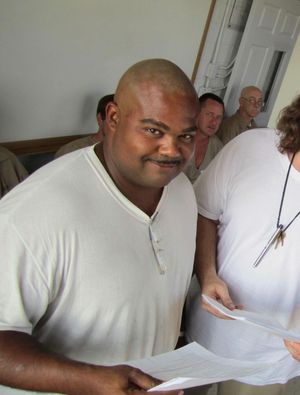
Derek R. Trumbo, Sr., a multiple-time PEN Prison Writing Award winner, is an essayist, playwright, and author whose writing has been featured in "The Sentences That Create Us: Crafting A Writer's Life
Sign up for Prism newsletters.
Stay up to date with curated collection of our top stories.