Palestinian women in Gaza continue to endure the impossible
Through the stories of women who lost their husbands during the genocide, we can understand real solidarity in struggle
While the world celebrates the ceasefire between Hamas and Israel, the women of Gaza continue to fight for survival.
Of the more than 67,000 Palestinians killed by Israel in Gaza since Oct. 7, 2023, at least half were women and children, according to Gaza’s Health Ministry. But the genocide has also stolen husbands, fathers, and brothers, leaving women to shoulder responsibilities far beyond their capacity. Their homes have been reduced to rubble, and they are no longer half of society, but society itself. Mothers, teachers, providers, and protectors are some of the last pillars holding shattered families together.
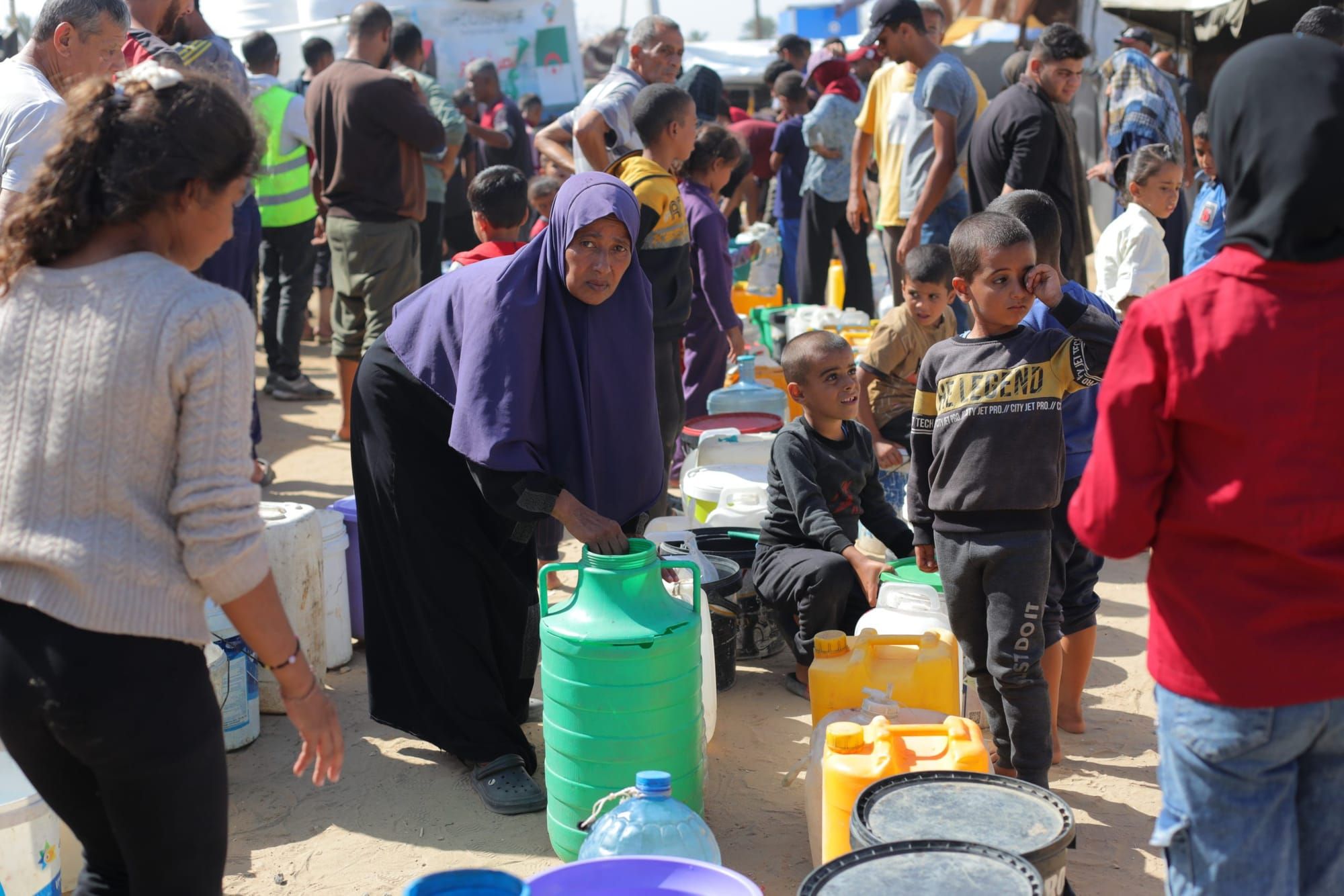
In Gaza’s tattered and hot refugee camps, women’s current realities contrast starkly with their lives prior to Oct. 7. Women bake bread with ash and just a handful of flour, stand for hours in relief lines, search desperately for medicine, and hide their tears while comforting children crying from hunger. The occupation portrays them as victims of their own society, but it is the occupation that destroyed their homes, killed their husbands, and left them to confront hell alone.
Today, women in Gaza are the frontline for their remaining families. Even during what’s turned out to be a deadly ceasefire, they rise before dawn and risk their lives for a sack of flour or a handful of lentils. Their realities expose the emptiness of international promises of peace, which collapse in the face of a woman returning to her tent empty-handed while her children ask: Mama, where is the food?
No relief
In Gaza, women’s daily priorities have shifted dramatically over the last two years. Personal care, once a necessary part of their daily routine, has become a distant memory. Attention to appearance and personal needs has been replaced by the struggle to navigate demolished homes and rubble, and to find food, water, and some semblance of safety. This is not a choice but an instinct for survival under war.
Women in Gaza created new homes from scratch, building tents to house their families—and then managing their new lives inside it. I have lived in tents and faced the harshness of life there. I am lucky to still have my husband, but even as a pair, we could not protect our children from the insects that feasted on them, the biting cold, or the scorching summertime heat. Everywhere in Gaza, women are now heading into an even more uncertain future without partners by their side.
In speaking to women now raising children alone, I learned that they feel the weight of each moment as it ticks by, knowing there will be no relief in the morning.
Life remains extremely perilous in Gaza, and when I feel my own resentment and frustration bubble up, I cannot help but think about the immense resilience and strength that Palestinian women must embody. As a mother of two young daughters, daily tasks such as lighting a fire to cook, carrying water, and washing clothes by hand completely drain my energy. Yet, when I look at women who have lost their husbands and had to take on both the roles of mother and father, I realize that simply preparing food and securing water is a heroic achievement repeated every single day.
In speaking to women now raising children alone, I learned that they feel the weight of each moment as it ticks by, knowing there will be no relief in the morning. The realities of the genocide have meant they must organize their lives around deciding whether to queue for food or stay in the tent to care for children, constantly balancing risk and necessity. Many have learned to stretch limited supplies, turning small amounts of flour and vegetables into several meals, and improvising toys or school supplies from scraps.
When they wake before dawn and walk miles for water, it does not matter that they return exhausted. This is just the beginning of the day. Now they must start cooking, cleaning, and managing their children and their tent.
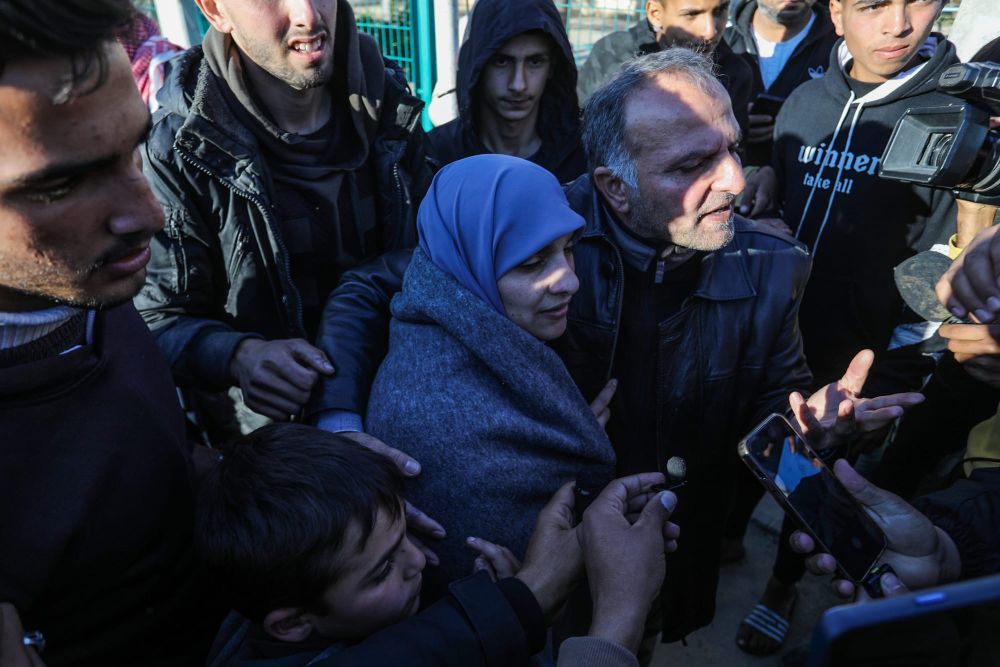
Nariman Al-Bashiti, a 33-year-old mother of three, lost her husband at the start of the genocide and became the sole provider for her family. One harsh morning after exhausting all other options in July, she went with neighbors to one of the notorious American and Israeli aid sites where occupation forces killed Palestinians while they tried to access food.
“I never imagined the humiliation we would endure,” Al-Bashiti recalled, detailing how women were sprayed with tear gas, and a neighbor was killed before her eyes. “We ran for our lives, [and] came back with nothing.”
Al-Bashiti illustrates the plight of thousands of Palestinian women forced to face danger just to secure basic needs for their families. Even now, every trip outside still carries the risk of violence. Children in Gaza rely entirely on their mothers, and the sense of helplessness women feel against hunger and further destruction weighs heavily on them.
When I spoke to Mirna Fares in September, the mother of two was living in a tent on Gaza’s shoreline, where she faced the constant threat of flooding. Like Al-Bashiti, Fares lost her husband in the genocide’s early days.
“I don’t have time to mourn him; I have to live for my children,” she said, describing long days in lines for water and food. “I endure these days, but how do I survive? The sea floods the tents, and humiliation and death now accompany every breath.”
The few items in Fares’ tent are all that remain of her family home. She could have never imagined her life this way, but she said she still does her best to maintain her dignity. One day, she hopes to have the time and space for personal grief and to mourn her husband. But for now, the never-ending responsibilities of motherhood come first.
Asma Shaat, a mother of four, including a child with special needs, lost her husband two months ago while he was seeking aid for their family at a distribution point. Overnight, she became the family’s sole provider, responsible for food and daily care for every child.
“He returned as a martyr, and I became everything for my children,” she said. “The water is contaminated, the food is gone. … Life stopped the day he died, and I try to create life from nothing.”
Despite their different circumstances and locations, these Palestinian women in Gaza are united in struggle. Their personal experiences tell a bigger story about how women in Gaza have become the backbone of their families.
What I find most striking about these women’s stories is not only their courage in the face of so much pain and adversity, but their daily, quiet resilience. Each day, they walk through rubble. They carry the weight of life on their shoulders while insisting on a smile for their children. Each new day proves that true strength lies in the ability to persist. They have survived the genocide so far, and they are doing their best to make sure their children may live to see a free Palestine.
Editorial Team:
Tina Vasquez, Lead Editor
Carolyn Copeland, Top Editor
Stephanie Harris, Copy Editor
Author

Heleena Darwish is an English language graduate, passionate about learning and self-development. She ventured into the world of programming through an intensive web development training program at Co
Sign up for Prism newsletters.
Stay up to date with curated collection of our top stories.