Where does Venezuela go from here? No one seems to know—including the Trump administration
While Trump clearly stated his desire for the U.S. to commandeer Venezuela’s oil, the actual future of the country under U.S. influence doesn’t give Venezuelans self-determination
Real journalists wrote and edited this (not AI)—independent, community-driven journalism survives because you back it. Donate to sustain Prism’s mission and the humans behind it.
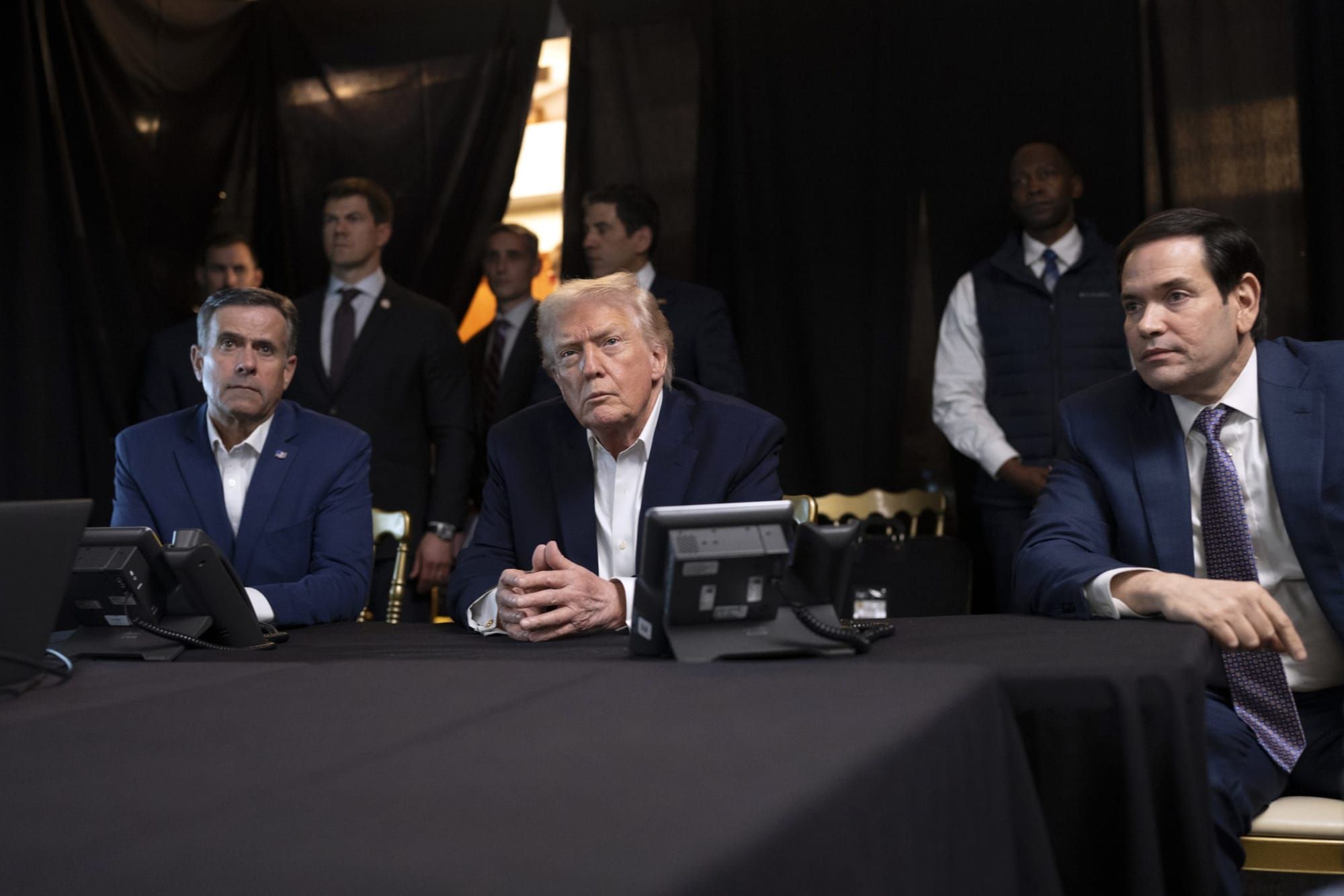
Days after the Trump administration disregarded international law by entering Venezuela and kidnapping its president, Nicolás Maduro, and his wife, Cilia Flores, on Jan. 3, the White House dampened celebrations held by Venezuelans across the U.S. by publicly sidelining the leadership of Maria Corina Machado, the Venezuelan opposition leader and recent winner of the Nobel Peace Prize. Instead, President Donald Trump tapped Delcy Rodríguez, a longtime loyalist to the socialist regimes of both Maduro and former President Hugo Chávez, to become Venezuela’s interim and indefinite leader.
This decision makes it abundantly clear that Trump’s intention is to prioritize oil profits over human rights and Venezuelan self-determination, continuing a long U.S. pattern of using sanctions and control over Venezuelan oil as leverage while ordinary people bear the economic cost. The decision to hand the reins to Rodríguez also made scores of Venezuelans and international leaders wonder: When and why did the U.S. president sour on the woman who welcomed U.S. intervention in Venezuela and even dedicated her own Nobel Peace Prize to Trump?
The New York Times recently published a detailed account of what led the Trump team to side with Maduro’s administration rather than seek the complete uprooting of the “chavismo” ideology that, along with two decades of sanctions from the U.S., was in part responsible for the collapse of the economic, social, and political spheres within the Caribbean-facing nation.
According to the Times, Secretary of State Marco Rubio and a classified CIA report concluded that removing Maduro’s remaining cabinet would “further destabilize the country and require a more robust military presence inside the country.” In other words: To really “liberate” Venezuela, the Trump administration would have to seek congressional approval—something they did not do before carrying out a military strike on Caracas last week.
These details are important, not to regurgitate what mainstream media has already reported, but rather to provide context for the complexities and minutiae of the ongoing saga between Venezuela and the U.S.—a situation that will no doubt lead countless Venezuelan migrants to suffer as they flee conditions in their home country, only to be rejected by the U.S.
Earlier this week, I published a blog highlighting how most Venezuelans in the U.S. wanted Maduro gone, even if many now fear U.S. intervention and what comes next. Two-thirds of U.S diaspora Venezuelans supported U.S. intervention to remove him (versus only one-third in the country). For over 25 years, the country has tried to rid itself of the political landscape that led to hyperinflation and forced Venezuelans to live without stable infrastructure or reliable access to food. This deeply concerning reality was made far worse by economic and oil sanctions placed on Venezuela by the U.S. over the years.
When Venezuelans used protest or the ballot box in failed efforts to vote out Chávez or Maduro, they were met with further repression at the hands of the government and military. Today, armed “colectivos”—pro-government militias that patrol streets and operate checkpoints with assault rifles—also play a key role in intimidating Venezuelans and silencing dissent.
I would know. A significant portion of my family remains in Venezuela and is now left worried and wondering what the future will bring under Rodríguez. Many of my cousins are refraining from opining even privately, as colectivos force locals to hand over their phones so they can scroll through their messages and social media “looking for anything that could be construed as support for the U.S. raid,” The Washington Post reported. My cousins also fear that they could be caught up in what the Post described as a “nationwide crackdown” that includes the detention of journalists, the arrest of civilians, and the presence of armed gangs across the capital.
And as this crackdown unfolds in Venezuela, a perplexing narrative is emerging from the Trump administration in the U.S.
Now that Maduro is facing trial in New York, Venezuela is apparently now a “safe” place for exiles to return to. The reality—even before the U.S. strikes—is that Venezuelan migrants are returning to even worse conditions than the ones they fled. The Trump administration’s effort to normalize the country’s further destabilization is just a thinly veiled attempt to bolster its mass deportation campaign.
Ask yourselves: Is a country led by Maduro’s handpicked allies—who are already employing force and fear as tools to crack down on dissent—any safer than a country with Maduro himself at the helm? The answer is clear.
If the White House were serious about “liberating” Venezuela, then it would have a serious and comprehensive transition plan that included free and fair elections. But as Time magazine reported, during Trump’s hourlong press conference Saturday about why he launched a massive military operation in Venezuela, he never once mentioned democracy. Instead, he bloviated about wanting to end the Venezuelan government’s alleged cooperation with drug cartels and expressed his desire for U.S. companies to take control of the country’s vast oil reserves.
Similarly, the Trump administration could earn itself some goodwill in the face of its abysmal polling numbers by reauthorizing Temporary Protected Status for hundreds of thousands of Venezuelans in the U.S., plenty of whom fled dangerous and deteriorating conditions under Chávez and Maduro. Instead, the Department of Homeland Security has made no comment on its decision earlier this year to strip more than 600,000 Venezuelans of status, making them eligible for deportation to a country that even the State Department characterizes as unsafe.
Politicians from across the political spectrum—especially Republicans in South Florida, home to the nation’s largest Venezuelan population—should demand protections for Venezuelans in their communities until real change occurs in Venezuela. But instead, Republicans are rallying behind Trump and his oil-extraction goals for Venezuela. And as Politico reported, the leadership Trump installed in Venezuela also serves U.S. interests. The administration appears to believe it can “whip” Rodríguez—a ruthless figure in her own right—in “whatever direction they want before they dispose of her and move on,” according to Politico’s report.
Putting “basic human dignity and safety” ahead of oil would be a good place to start when building credibility, as stated by Miami’s new Democratic Mayor Eileen Higgins. Unfortunately, in the coming months, the only things Venezuelans can know for sure is that fear and uncertainty are guiding their futures.
Editorial Team:
Tina Vasquez, Lead Editor
Carolyn Copeland, Top Editor
Stephanie Harris, Copy Editor
Author
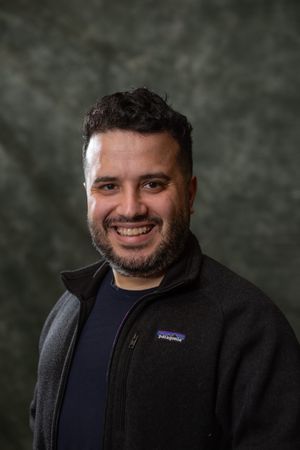
Juan Escalante is a nationally recognized digital strategist and campaigner, best known for his leadership in the immigrant rights movement. His work has been featured in premier publications, includi
Sign up for Prism newsletters.
Stay up to date with curated collection of our top stories.