New York proposal against wearing a mask during crimes stigmatizes masking and won’t stop antisemitism, Jewish and health advocates say
The new budget includes penalties for masking while committing certain crimes
New York lawmakers and Gov. Kathy Hochul reached a deal on April 28 on the state’s $254 billion budget for the current fiscal year 2026, though final adjustments were still being made as of May 5. The budget—which could still change due to tens of billions in estimated lost federal funding—came nearly a month after its deadline. Though budget delays are not uncommon in New York’s notoriously opaque process, this year’s was especially controversial due in part to Hochul’s proposed mask ban. Thanks to dogged opposition from health advocacy, civil rights groups, and lawmakers, the finalized budget agreement does not criminalize masking on its own, but it does increase penalties on those who wear a mask while committing certain crimes.
The proposal would create “a new Class B misdemeanor to crack down on individuals who use a mask to conceal their identity when committing a Class A misdemeanor or higher crime or fleeing the scene immediately after committing such a crime,” according to a press release from Hochul’s office. Despite Hochul walking back her original proposal, activists say these new rules would still harm the community.
“It’s reassuring to see that Hochul’s proposal to create a new crime of ‘masked harassment’ has been dropped,” said Dr. Oni Blackstock, a primary care doctor and founder and executive director of Health Justice, a racial and health equity consulting group. “But even with this shift, the broader push to limit mask use in public spaces continues to raise serious public health concerns.”
In response to Prism’s request for comment, Hochul’s office referred to her remarks in a press conference on April 28.
“What people are looking for is to not have someone be able to get away with wearing a mask when they’re harming another person, or committing a crime, or harassing, or threatening,” Hochul said. “I don’t want people wearing a mask on a subway, being able to beat the crap out of somebody … even though I have cameras on the trains and I can’t identify them, the police cannot identify them.”
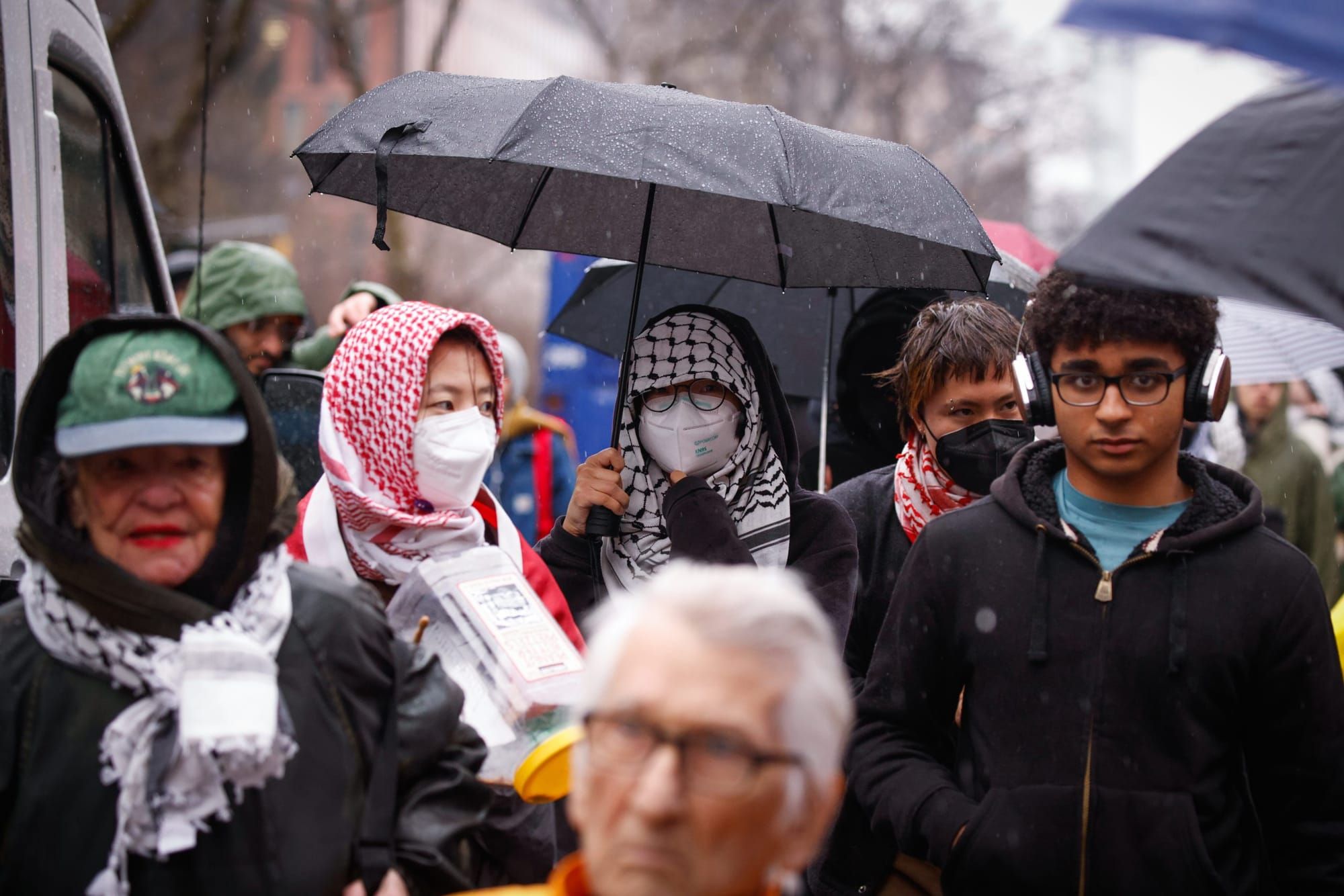
Hochul initially threw her support behind a mask ban last June, in response to the wave of pro-Palestine protests and encampments against Israel’s genocide in Gaza, following the lead of Republican states such as North Carolina. While these protests have included many Jewish supporters, Hochul and proponents of the ban drew a false connection between mask-wearing and antisemitic crimes. Many of the protesters wore masks to avoid surveillance, harassment, and doxxing—and the recent disappearances of Palestinian student movement leaders from Columbia University show their fears were not unfounded.
“These kinds of laws give police power to harass and repress primarily Black and brown people,” said Jonathan Ben-Menachem, a Columbia Ph.D. candidate and organizer with the Student Workers of Columbia, who has been involved in the protests there. “We know from the past couple of years that the NYPD aggressively cracks down on Palestine activism, particularly actions that are led by Palestinians.”
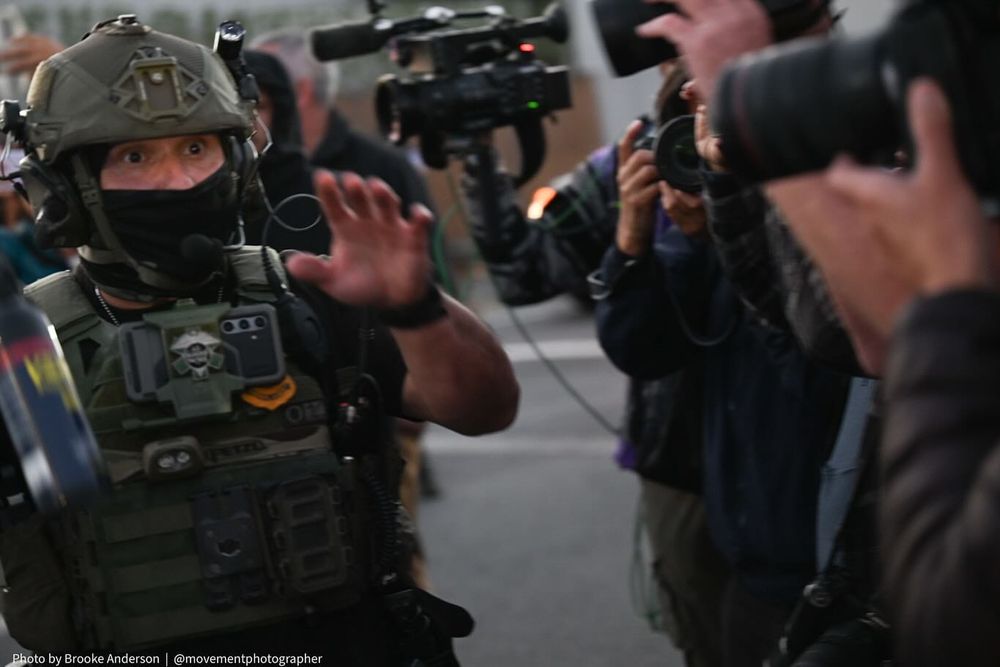
It is deeply ironic to see a Democratic governor who pretends to oppose the Trump administration trying to ban masks, while masked ICE agents abduct students.
Jonathan Ben-Menachem, Student Workers of Columbia organizer
Even in the amended version of the ban, Ben-Menachem said, any kind of sentence enhancement would lead to over-policing, abuse, and longer jail times.
“It is deeply ironic to see a Democratic governor who pretends to oppose the Trump administration trying to ban masks, while masked [Immigration and Customs Enforcement] agents abduct students,” he said.
Democratic State Sen. James Skoufis, who co-introduced the mask ban legislation with Democratic state Assembly Member Jeffrey Dinowitz, said that lawmakers adjusted the law to ensure that it did not give ICE more power to arrest immigrants.
A grassroots group called Jews for Mask Rights published a letter signed by more than 2,570 Jewish individuals, including 330 Jewish leaders, opposing the originally proposed ban. “A mask ban is about the least Jewish response possible to concerns about antisemitism and directly violates our traditions and values,” the letter reads.
Advocates say discouraging masking in any way raises huge public health concerns, especially during the ongoing COVID-19 pandemic, which has killed more than 85,000 New Yorkers and caused long-term symptoms for half a million and counting, and amid the burgeoning threat of bird flu, poor air quality, and other airborne illnesses. (New York’s preexisting law restricting mask usage was repealed in 2020.)
“The science never changed,” a spokesperson for Jews for Mask Rights told Prism over email. She did not provide her name due to safety concerns, as members of the group have faced harassment. “People want to move on without being reminded of it. But many of us are still living with the impact of what COVID has done, and what it continues to do.”
Masks are a “really important tool” for people to protect themselves from illness or other people if they are in public while sick, said Blackstock. Discouraging masking for any reason will create a “dangerous situation,” she added, especially for disabled and immunocompromised people and communities of color. Advocates and medical professionals say it will also put these groups at higher risk of criminalization, illness, and further disablement.
After her initial push last year, Hochul appeared to shift attention from a mask ban, around the time that Nassau County passed one in late August. That ban followed a public hearing that the Jews for Mask Rights spokesperson described as “traumatic”; some attendees mocked and coughed on people advocating for mask rights.
But this spring, a few months into the Trump presidency, Hochul made a mask ban a priority again. Though Hochul denies a connection, Trump has threatened state funding, including for the Metropolitan Transportation Authority, if policies are not to his liking.
Hochul was supporting a revised version of the mask ban bill, which includes an exemption for masking for health or religious reasons. That proposal was further adjusted to enhance sentencing for masked harassment.
Advocates told Prism that this would have the effect of discouraging masking in general.
“Penalizing mask-wearing, even through sentencing enhancements, still punishes people for protecting their health and will disproportionately impact overpoliced communities,” the Jews for Mask Rights spokesperson said.
“Restricting voluntary masking in public is truly unconscionable. Vaccines and masks keep us and our families safe,” Democratic state Sen. Jabari Brisport told Prism in a statement regarding Hochul’s original proposal. “Whatever her actual motive is, it’s clearly not about public safety; if she actually wanted to make us safer, the mask ban would be a ridiculous way to go about that.”
Both Ben-Menachem and the Jews for Mask Rights spokesperson expressed concern that such a law would also give immigration agents a pretext to arrest and deport people more easily.
Behind the ban effort is an organization called #UnMaskHateNY, a campaign led by “civil rights leaders, faith leaders and advocates to counter masked intimidation.” It is unclear who is leading it, though the pro-Israel Anti-Defamation League is involved. The campaign equates masks to Ku Klux Klan hoods and provides blueprint language for future mask bans.
“It’s frustrating that the groups that are supposed to protect Jews are making excuses for people in high positions of power doing Nazi salutes, and at the same time, they’re pushing laws that will endanger millions of New Yorkers and acting like that will protect us,” said the Jews for Mask Rights spokesperson.
She suggested other measures that would address antisemitism and crime, such as bystander intervention training, which she said helped her some years ago when someone had yelled antisemitic slurs at her in the street.
“Mask bans don’t stop antisemitism—they distract from it,” she added. “It’s like putting a Band-Aid on a flood. You can’t fight antisemitism with superficial laws.”
Ben-Menachem said, “I’m Jewish, and I am horrified by the way that politicians from both parties have weaponized false allegations of antisemitism to crack down on Palestine activism. … It is a disgusting moral panic that will get people killed.”
Discouraging masking, especially in a supposedly blue state, will undoubtedly set a precedent for more companies, universities, and others to restrict mask usage, compounding the dangers of public participation in civic life, advocates said.
“Even proposals like this can have a chilling effect,” said Blackstock. “It risks casting doubt on masks as a legitimate and necessary public health tool.”
Editorial Team:
Sahar Fatima, Lead Editor
Carolyn Copeland, Top Editor
Rashmee Kumar, Copy Editor
Author
Laura Weiss (she/her) is a freelance writer and editor from Berkeley, California, focusing on social justice issues. She previously worked on the digital team at The New Republic and as managing edito
Sign up for Prism newsletters.
Stay up to date with curated collection of our top stories.