In aftermath of correctional officers strike, New York’s incarcerated population faces the brunt of uncertainty
The strike disrupted many aspects of prison life, such as access to food, showers, medication, recreation, and legislative protections

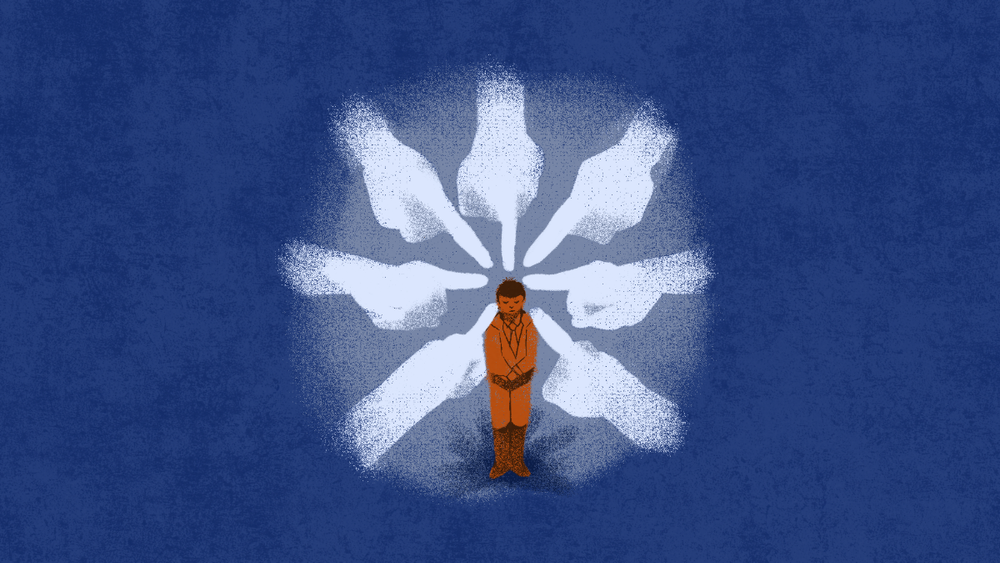
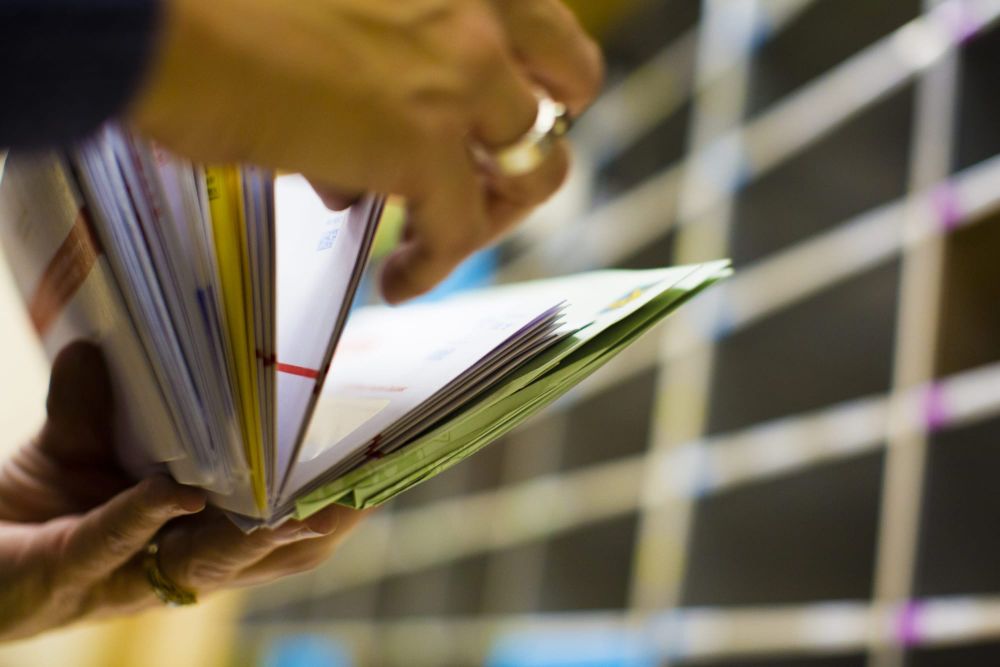
To be imprisoned is to wait for freedom or death. Aside from these climactic moments of release, there is so much more that the imprisoned must wait for. We wait for commissary and packages; we wait for chow; we wait for programs; we wait for visits; we wait for mail; we wait for an opportunity to use the phone.
We wait.
I arrived at Elmira Correctional Facility in November 2023 after a five-month stint in the box. I was shackled to Kevin—who came out of seven months in the box himself—and leg irons bound us for the duration of our transport between prisons. We didn’t know each other at the start of this trip, but over roughly eight hours of travel, we covered a few topics, including what we were both hoping to accomplish in our next facility. We kept our voices to a whisper because we didn’t want the officers to hear us and enact their standard practice of throwing one random prisoner’s bag of property off the bus as punishment for speaking. Even under these conditions, we were each able to get a good sense of who the other person was and what he was trying to achieve.
My new friend Kevin had about five years left—the same amount of time as I did—and was planning on acquiring his GED and a vocation. Having completed all of my mandatory programs, I was looking forward to the opportunity to pass the time doing something productive, such as re-enrolling in college courses.
Upon arrival to Elmira, however, we were told most of these programs were consistently unavailable. Still shackled to each other, we made eye contact and shook our heads, bound by leg irons and now also disappointment. After spending many long months isolated in the box, it was especially crushing to learn our goals were out of reach.
While we waited for the officers to unshackle us, another prisoner spoke up.
“Maybe things are just closed right now because we are so close to the holidays,” he said.
I had no idea who he was at the time. I didn’t notice him before that moment, and I don’t recall seeing him since. Dressed in the same state green attire and waist chain as Kevin and me, he probably wasn’t privy to any special information, but in that moment, he offered us something we all needed: hope.
Patiently, we waited, hopeful that the new year, with its promise of new beginnings, would bring new opportunities.
It didn’t.
This February, more than 2,000 New York state correctional officers participated in a three-weeklong illegal strike, disrupting or downright halting many aspects of prison life, such as educational programming, recreation, mail delivery, and visitation. Some incarcerated people also reported skipped meal times, filthy living conditions, and lack of access to time-sensitive medication. To appease officer demands, Daniel Martuscello III, commissioner of the Department of Corrections and Community Supervision (DOCCS), agreed to suspend aspects of the HALT Act, which limits solitary confinement in state prisons. Many officers have fought the reform since its inception in 2021; if it were repealed, the few protections it provides would also disappear.
Part of the HALT Act explicitly states that prisoners are prohibited from spending more than 17 hours a day in their cells, with the exception of emergency situations. Aside from well-documented recognition that solitary confinement is a form of cruel and unusual punishment, the time we are afforded outside our cells is crucial to our well-being. During these hours, we can have meals in the cafeteria and participate in programs suited to our individual and institutional needs. Those who have not yet received their high school diplomas can earn a high school equivalency. Those who want to learn a trade can earn a certification for whatever vocation may be available at their facility. Others may have to complete mandatory programs in order to be released. Some people, like myself, may have completed all of their mandatory and minimum programming requirements and simply want to find some relatively decent employment to pass the time.
However, even before the strike, the HALT Act’s implementation faced many shortcomings. According to a 2024 report by Inspector General Lucy Lang, DOCCS’s antiquated record-keeping system made it impossible to investigate “how much vitally important recreation and programming time incarcerated people were offered as required by HALT.” Based on my observations, throughout the 17 months I’ve been in Elmira, I estimate that this facility has opened programs on only 30 different days. This means, for the other 400 or so days, the incarcerated individuals within Elmira have not been afforded the opportunities we were legally entitled to for a chance at life beyond prison, such as the ability to earn our GEDs or any vocational certifications.
At the height of the strike, we endured lockdown in our cells and continued our custom of waiting. Now, we are waiting to see if our rights will be protected.
Considering that Elmira was one of the first prisons to join the strike, this should come as no surprise, as incarcerated individuals have long been systematically oppressed and denied a large percentage of their fundamental rights and dignity. Many of us have written letters to report that this facility was not being run in accordance with the HALT Act, though none of us have received any sort of acknowledgement or assurance that our voices were being heard.
At the height of the strike, we endured lockdown in our cells and continued our custom of waiting. We waited to see how the work stoppage would affect our lives. We waited for updates and news reports on the strike. We waited to see our families again, to hear their voices on the phone. We waited for food. We waited for showers. Now, we are waiting to see if our rights will be protected. We are waiting to see if the HALT Act gets repealed. If it does not, we are waiting to see if the HALT Act will ever be properly enforced.
When we are locked in our cells, the waiting seems the longest. Still, we wait. After all, what other choice do we have?
Editor’s note: While Prism often uses the phrase “incarcerated people,” this personal essay sometimes uses the word “prisoner,” per the writer’s preference.
The Right to Write (R2W) project is an editorial initiative where Prism works with incarcerated writers to share their reporting and perspectives across our verticals and coverage areas. Learn more about R2W and how to pitch here.
Editorial Team:
Rikki Li, Lead Editor
Carolyn Copeland, Top Editor
Rashmee Kumar, Copy Editor
Author
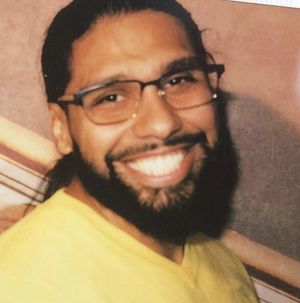
Robert Pastore is an incarcerated writer and scholar interested in the politics of incarceration, philosophy, and biology. He is from the Bronx, N.Y.
Sign up for Prism newsletters.
Stay up to date with curated collection of our top stories.