Never eat the candy on your pillow: Friend or foe?
Loneliness can make people vulnerable to exploiters, and prisons are deeply lonely places
Dear Reader,
Prison can be extremely lonely. Upon incarceration, we are completely removed from everything and everyone we ever knew, and we have no choice but to adjust to our new environment. The first thing that I noticed in prison (besides the loneliness) was that the place was packed beyond capacity with people who, on the surface, wore masks of indifference.
As I hit the prison yard for the first time, what I didn’t know was that everyone was watching everyone else from behind their disguises. There were the gangs on the hunt for new members to swell their ranks, sexual predators out to snag themselves a new victim, tough guys, and extortionists out to fill their empty lockers and stomachs, dope dealers in need of buyers, victims in need of protection, and last but not least: watchers.
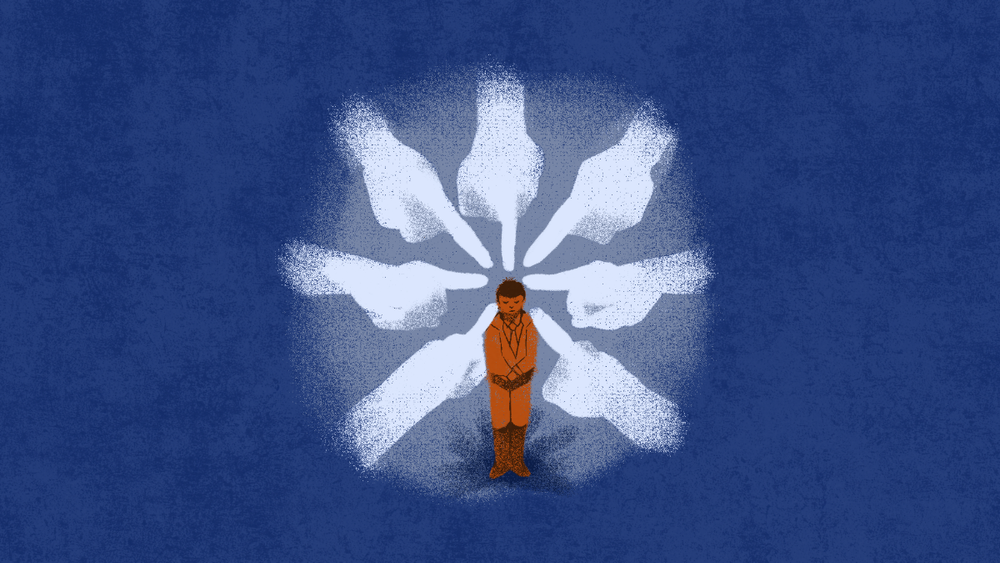
Watchers note every detail about other people; they remember faces, names, and circumstances—all of which they file away for later use. Watchers are among the most dangerous individuals in the yard because their game requires that they use their observations against people. These sorts of folks watch the news religiously to see who was arrested, what their charges are, and whether they were convicted. They make notes, clip news articles, and store them away until they’re needed—all in the hope of one day seeing that person in the prison yard. Jackpot! Then their setup begins in earnest, and the lonely person walks into the trap.
The sad part is that you can’t always tell who your friends and foes are when everyone’s emotions are concealed, allowing threats to hide in plain sight.
“Hey, I’m Lee,” said a friendly face. “I see you’re new here. A word of advice: Be careful.”
I smiled, hoping the warning wasn’t solely based on my frazzled appearance and obvious lack of awareness. “I’m Derek.”
“There’s a lot of creeps and weirdos here, bud. You look familiar. Where do I know you from? No, don’t tell me. There’s plenty of time.”
“Is it that obvious?” I asked.
“You look like a sheep among wolves,” he said. “It’s cool.”
Honestly, I was just grateful someone spoke to me.
“Keep your head on a swivel. Some of these losers are real pieces of work. If you need anything or someone gives you shit, don’t hesitate to mention me. I don’t play that mess. People know better than to try me. You’ll get the hang of it.”
What I wasn’t aware of at the time was that I’d passed the watcher’s test. He set the bait and waited to see if I’d immediately try to explain my situation or go into some song and dance about my charges. When I didn’t, and he couldn’t place my face or name, I was safe. The watcher then showed me around and told me what he knew about the place.
“You got a woman? If that’s not your thing, I’m good with it,” he said. “Everything’s legal now. ‘Do you,’ that’s what I say. I’m open-minded. Who knows, maybe you can find me somebody.”
Watchers seek to make themselves trustworthy and indispensable while preying on loneliness and weakness. In my experience, these individuals are often severely traumatized by their own past relationships, and they’ve learned to manipulate others based on their own mistreatment. My best advice is to feed them with a long-handled spoon. Meaning: Don’t share all of your business or allow them to get too close. They can only use the ammunition you give them, so don’t give them anything.
Later on that day, I watched Lee at work.
“Hey,” he said, walking up on another new guy. “You’re that guy whose case was all over the news a while back. That’s messed up what they did to you. I thought you’d get off.”
I saw the guy on the news, too. I didn’t remember all the details, but it was bad enough to be memorable. Also, remember that there’s no privacy in prison. Anyone can be looked up.
You might be wondering: Was Lee a friend or foe? It’s more complicated than that, and only time could tell. Man’s best friend is a dog, an animal with fangs that bites really hard. Humans, on the other hand, are one of the only animals that bare their teeth in friendship.
A lot of the men I’ve met in prison over the years have serious intimacy, trust, and communication issues. And prison is the worst place for these men because prisons are deeply lonely places where even fangs can be overlooked if you’re deprived of attention long enough. Something I learned the hard way: Never let anyone use your loneliness against you. If you’re going to allow someone into your circle of trust, you first need to make sure they’re worthy of being there.
“Hey, man,” Lee said, after he noticed me watching him talk to the other new guy. “What do you think of that guy?”
Lee jogged my memory. The guy in question had been on the news for a drunken crash that killed multiple elderly people. Later, in prison, he had to check into protective custody (PC) because of rumors Lee spread about him. In prison, PC is seen as a black mark, and anyone who checks into PC is viewed as a coward unfit to be trusted.
“I think it’s bullshit how you use these people’s worst mistakes against them,” I finally said to Lee.
“If I don’t do it, someone else will. I’m just getting it how I live,” Lee said.
I actually think he believed his own bullshit. My instinct told me to leave Lee alone and to stop trying to understand why he played this sick little game with people. But there isn’t much to do in prison, so Lee kept engaging in his shenanigans, and I kept watching him do it.
Watching Lee’s interactions taught me how not to treat people—and Lee could sense that was my takeaway.
“You’re no better than me,” he said. “Everyone uses everyone for something.”
“Yeah, but not everyone goes looking for people to take advantage of. If you’re trying to play me for a fool, I’m not the one. I’m not that stressed for friendship.”
“I’ve never asked you for anything,” he huffed. “Have I?”
He hadn’t. He’d only just been as lonely as me.
Outside the prison fences, far off in the distance, there’s a road. Cars and trucks pass by like mirages. Drivers probably never even know we’re watching or that we fantasize about being along for the ride.
“What’s your deal with me, man?” Lee shouted.
“I just don’t like how you act with people. I don’t think it’s right,” I said.
“My dad used to beat me, just for watching cartoons and laughing while he tried to sleep. Was that right? Huh?” he yelled.
Lee and I weren’t friends, but I saw his mask slip. I saw the real Lee, and I decided then and there to cut off my judgment. I decided to just be there for him. To share in his misery. Sometimes, all someone needs is for you to be along for the ride.
The Right to Write (R2W) project is an editorial initiative where Prism works with incarcerated writers to share their reporting and perspectives across our verticals and coverage areas. Learn more about R2W and how to pitch here.
Author
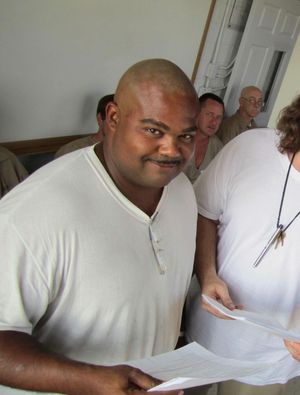
Derek R. Trumbo, Sr., a multiple-time PEN Prison Writing Award winner, is an essayist, playwright, and author whose writing has been featured in "The Sentences That Create Us: Crafting A Writer's Life
Sign up for Prism newsletters.
Stay up to date with curated collection of our top stories.