Negro Election Day may seem like ancient history, but it remains as prescient as ever
Across the Northeast this month, states will mark the complicated history of anointing a singular Black leader to represent their community, a settler colonial tradition that persists today
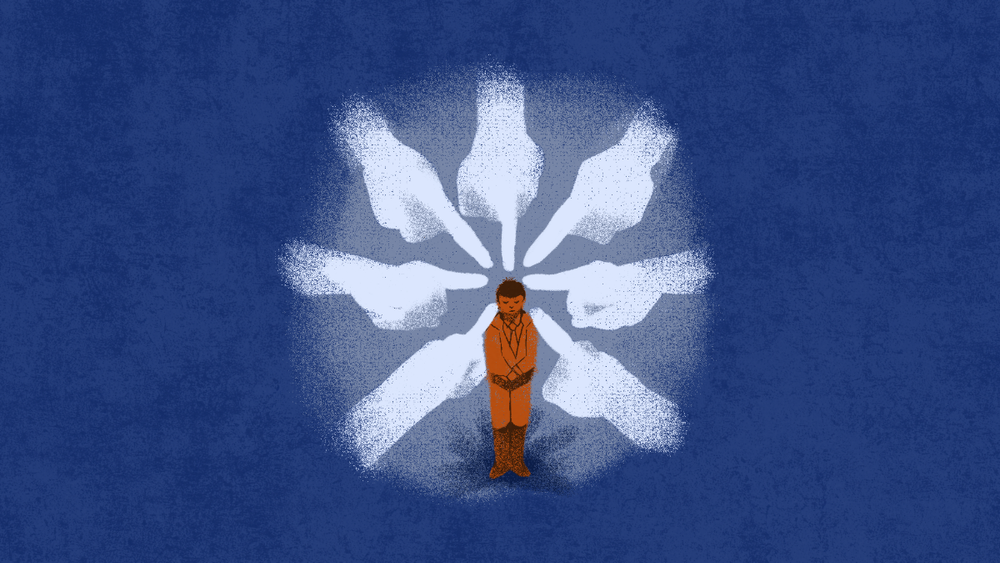
Who is the Black leader?
This is not a question Black people ask among themselves. Rather, it’s a national question that the white power structure wrestles to answer when seeking votes in elections or seeking to quell periods of resistance to racial injustice. It’s also a local question that the white power structure asks when attempting to steal Black-owned property for a financial venture, or to connive their way into taking governance of schools, law enforcement, or any municipal functions where Black people are in the majority.
I am thinking of this question as we near the third Saturday in July, also known as Negro Election Day.
Negro Election Day, or Negroes Hallowday, dates back to 1639 in Massachusetts, making it the the earliest known Black voting system in the United States.
The day was celebrated throughout the Northeast to mark the day that African people elected a “king” or “governor” to serve as a liaison or intermediary between whites and Africans, both enslaved and free. For example, in New Hampshire and Massachusetts, where the British crown appointed governors, Black men elected kings. In Rhode Island and Connecticut, Black men elected governors. This tradition continued long after African Americans were granted the right to vote in 1870, though the titles they were given during these elections weren’t legally binding.
Researchers estimate that at least 31 Black men were elected as kings or governors as part of early Negro Election Days in the U.S. There were specific qualifications for Black men to be considered, including their ability to influence whites, the authority or rank of their enslaver, their authority among the Africans of the area, their physical and moral qualities, and, perhaps most importantly in New England, their royal African heritage or whether they were born in Africa. After the American Revolution and the War of 1812, Negro governors and kings were frequently chosen from those who had distinguished themselves in a slave regiment.
States across the Northeast now celebrate Negro Election Day as a commemoration of Black communities’ history of civic engagement, but like much of American history, Negro Election Day is fraught with complicated dynamics.
Identifying the Black leader was and continues to be about getting Black people to fall in line with the white power structure. Both Republicans and Democrats still seek out the Black leader, which is why institutions like the Black church still play such a pivotal role in elections. By identifying the Black leader, the white power structure is seeking out Black leadership to be manipulated under the auspices of working together.
In years past, those who could not be easily manipulated, like the Black Panthers and the Student Nonviolent Coordinating Committee, were targeted for infiltration, surveillance, blackmail, or were otherwise threatened and coerced into falling in line with the agenda of the white power structure. After all, a primary function of the FBI’s surveillance program known as COINTELPRO was to “discredit, disrupt, and destroy” Black power movements, according to Leigh Raiford, a professor of African American studies at University of California, Berkeley.
The white power structure would rather deal with one leader than a group or movement, and the chosen Black leader is usually the only one to reap the benefits—that is, until they are discarded or eliminated. Booker T. Washington’s accommodationist philosophy earned him an audience with President Theodore Roosevelt, who appointed him as an adviser on African American affairs. Dr. Martin Luther King was chosen over the likes of el-Hajj Malik el-Shabazz due to his strategy of nonviolence. But then King spoke out against the Vietnam War, militarism, and capitalism, and it cost him his life.
In today’s world, we have many versions of what Black journalist Glen Ford called “the Black misleadership class,” a phenomenon writer Eva Dickerson used to explain the Black Democratic officials who aligned with corporate interests and Republicans “to wage war against the multiracial, intergenerational, grassroots struggle to abolish Cop City.” Let us also not forget the Black leaders who help the U.S. defend genocide.
But despite Negro Election Day’s many tensions, there are also powerful histories.
Kabria Baumgartner, an associate professor of history and Africana studies at Northeastern University, has brought renewed attention to Negro Election Day, focusing on the stories of those early Black men who were elected kings and governors. Her research has shed light on men like Pompey Mansfield, the elected Black king in northeastern Massachusetts who was kidnapped from West Africa as a child and enslaved in Massachusetts. Pompey obtained his freedom, purchased two acres, and built a home 10 miles north of Boston where he lived with his wife.
While Negro Election Day served white communities far more than it ever served Black communities, this July, it’s worth reflecting on how Black people have always shown up to the democratic table—even when the table is staged.
The truth is that Negro Election Day was a celebration of African governance and communal spaces, a declaration of a desire for freedom, and a critique of white government.
Early accounts of Negro Election Day note that the event was a wayward mimicking of celebrations of elected white officials, highlighting that enslaved African people were intellectually incapable of establishing their own political culture or form of government. On the contrary, Negro Election Day demonstrates the ability of Black people to set up a form of self-government that likely had some meaningful influence on their daily lives, on their status, on their interaction with each other and with whites, and on the structuring of their communities.
The historical record reinforces a narrative that says African people sought to imitate white governance as a model of Black governance, as though Black people had no memory of government before they arrived in the settler colony. The scholarship of Angi Porter, as well as the actions of those Africans, tells us otherwise.
For white onlookers, Negro Election Day was entertainment provided by Black people they deemed savage and ignorant in their imitation of European superiority. The truth is that Negro Election Day was a celebration of African governance and communal spaces, a declaration of a desire for freedom, and a critique of white government.
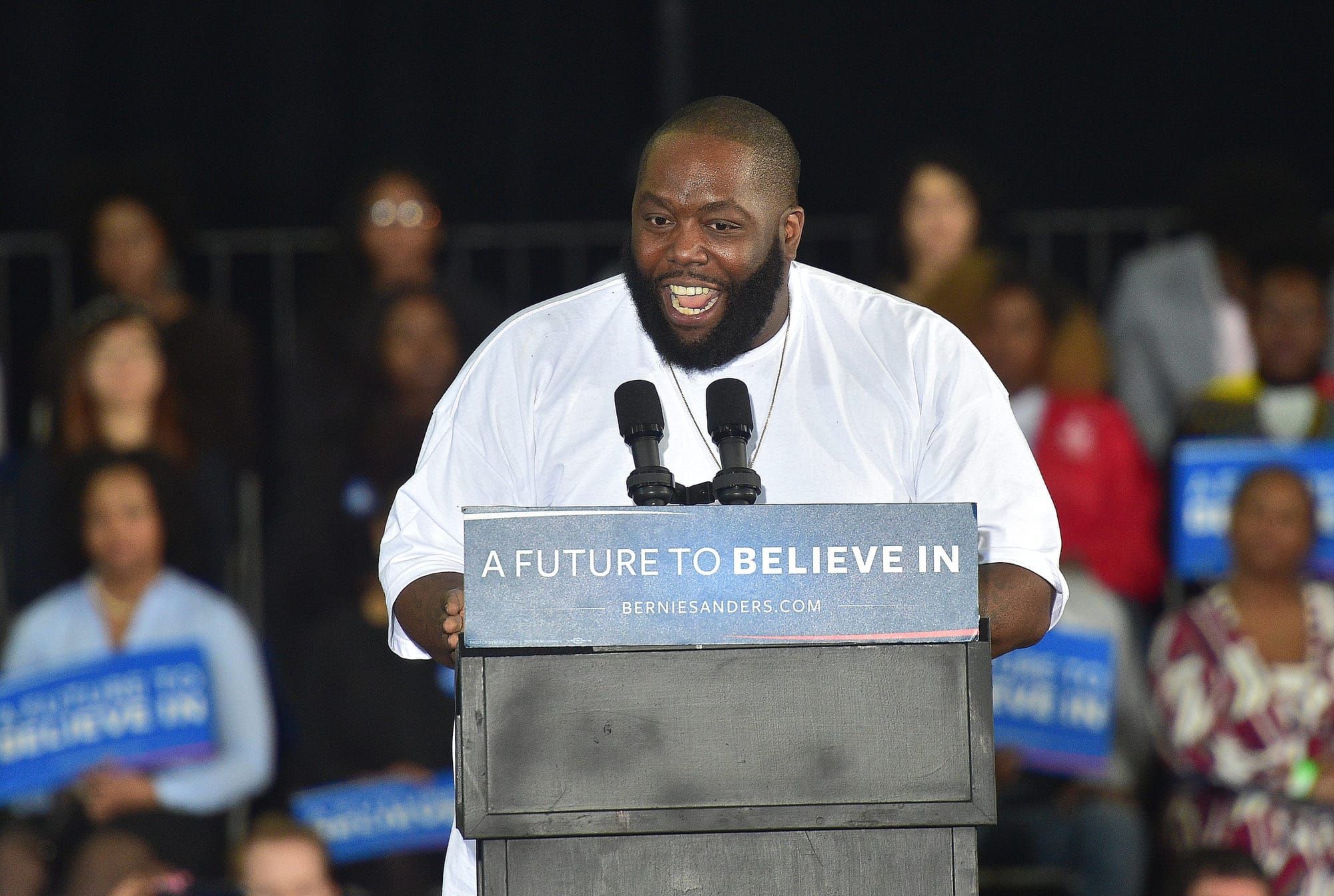
While the white power structure is always on the hunt for the next Killer Mike, Al Sharpton, or Hakeem Jeffries, the archetypes they seek are not the Black leadership present across our communities. Our real leaders are people deeply rooted in community work for the benefit of the people. They are the unsung heroes who agitate during protests and speak the inconvenient truth to the power structure and the misleadership class. These will never be the “leaders” the white power structure is looking for.Negro Election Day may seem like ancient history, but it remains prescient as ever. While the Trump administration has waged war on Black people and history, Black Republicans and conservatives have decried the lack of Black people in Donald Trump’s cabinet. Across the president’s majority white cabinet, there is one outlier: Housing and Urban Development Secretary Scott Turner, who has spent the last several days trumpeting the Big Beautiful Bill on behalf of the Trump administration—never mind that it will decimate health care, access to food, and other vital services for millions of Americans. Perhaps that is the real lesson of Negro Election Day: All that’s needed is one pied piper to lead the people to ruin.
Editorial Team:
Tina Vasquez, Lead Editor
Carolyn Copeland, Top Editor
Rashmee Kumar, Copy Editor
Author
Rann Miller is an educator and freelance writer based in Southern New Jersey. His Urban Education Mixtape blog supports urban educators and parents of children attending urban schools. Miller is the a
Sign up for Prism newsletters.
Stay up to date with curated collection of our top stories.