My friend Rama
Rama is not a number in the record of stories, or just a name that passes through the pages of sorrow. She was a vibrant soul, full of dreams, laughter, and genuine connections
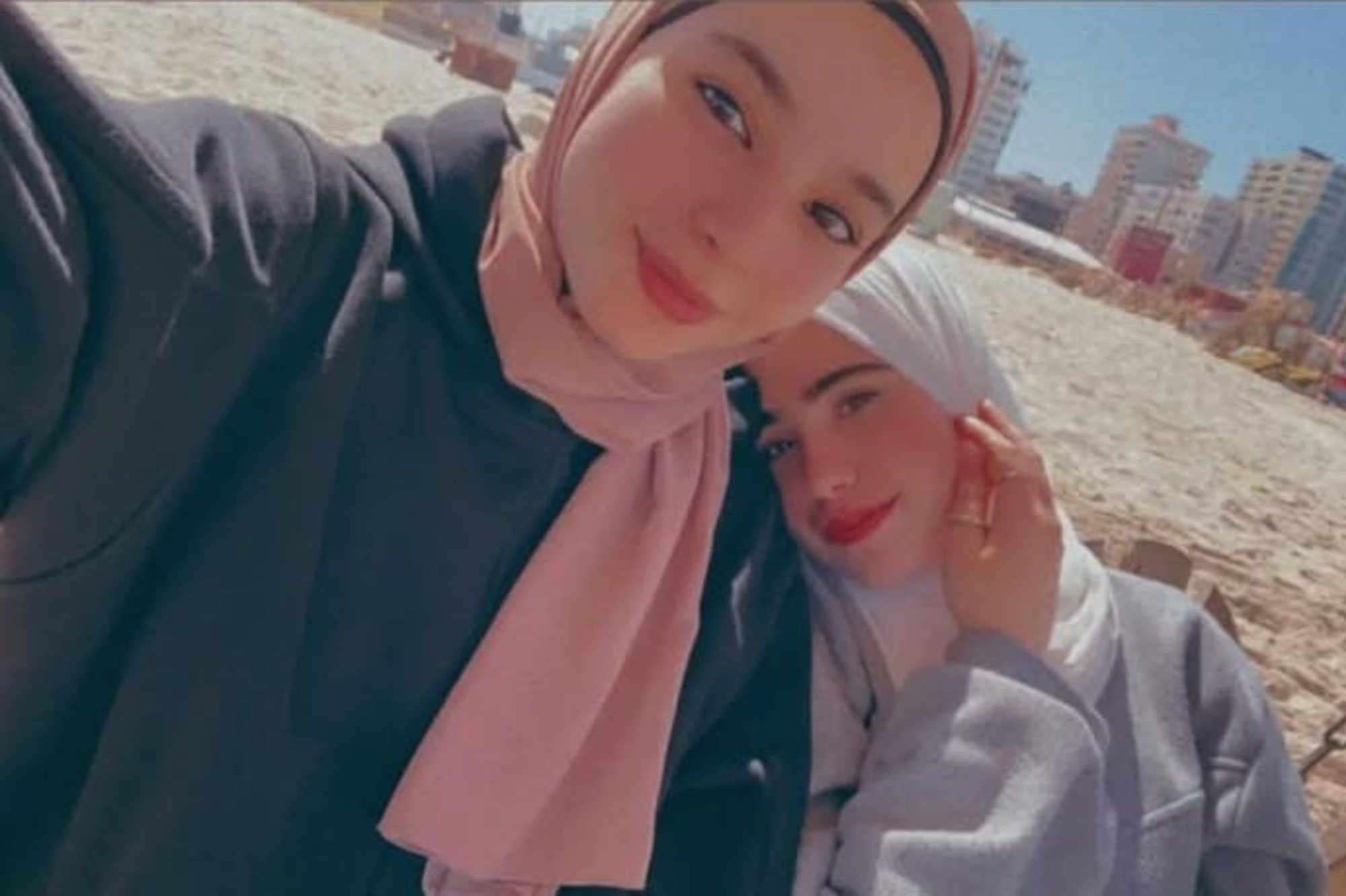
I had been desperately trying to reach her for days. The phone lines were completely down, and the internet barely worked. Every attempt ended in silence or static. I kept dialing her number over and over, hoping that somehow the call would go through. When it finally connected on Dec. 15, 2023, it felt like a miracle, a brief crack in the darkness allowing her voice to reach me.
We spoke for 15 minutes, just 15, yet that short conversation now feels like it holds an entire lifetime within it. I clung to every word, not knowing that it would be the last time I’d ever hear my friend’s voice.
Rama sounded different. She was tired. Her voice was low, almost a whisper, as if even speaking required the strength she no longer had. She spoke of the unbearable hunger, the bitter cold, the sounds of bombs in the distance, and the crushing fear of what might come next. She told me she was scared not just of dying, but of dying alone—of being forgotten.
“What if I die in pieces?” she asked quietly, almost as if speaking to herself. “What if they can’t find me? What if my family never gets to say goodbye?”
Then she asked a question that still echoes in my mind, one that I can never forget, no matter how hard I try.
“Do you think I’ll ever see my friends again? Will we ever sit together in our university garden, you know, that place we loved?”
“Do you think I’ll ever see my friends again? Will we ever sit together in our university garden, you know, that place we loved?”
I paused, searching for words. I wanted to believe. I wanted Rama to believe. So I told her what I thought she needed to hear: “Yes, of course we will. We’ll be there again, all of us.”
But deep down, I was afraid. And now I know I couldn’t keep that promise.
I clearly remember the first time I saw Rama. She was sitting in the university cafeteria, laughing with a transparent, genuine joy that quietly filled the space. What caught my attention was the way she wore her hijab; it was different, simple yet elegant, reflecting a calm and deep personality. She had large Bluetooth headphones over her ears and was watching a movie on her iPad while eating breakfast. There was something unique about her, something that draws you in without knowing why, something that invites you to get to know her better. I walked into the cafeteria and smiled at her. From that moment, I felt deep inside that she would become my friend.
She wasn’t alone when we met; her sister Ruba was with her. I was amazed by the strength of the bond between them. They acted like twins, understanding each other without speaking, holding hands through both joy and sadness. I admired the tenderness and care that filled their shared presence.
Rama Waleed Shamaa was studying English literature at the Islamic University of Gaza, and she was passionate about words and the stories that books tell. Ruba loved interior design and art, carrying colors and ideas that decorated her world. I found a beautiful balance in their personalities, combining gentleness and creativity, thought and imagination. Over time, Rama became more than just a classmate; she became my closest friend, the one I could find safety and comfort with. She seemed to know what I was thinking even before I spoke, reading my feelings with just a look in my eyes.
Rama was a true lover of words, always diving deep into the worlds of languages, stories, and novels as if she were on an endless journey of discovery. She dreamed of traveling far beyond Gaza, eager to open the windows of her heart to new cultures and experiences. In the quiet moments of her day, she found comfort in television series, which gave her a sense of hope and escape from the harsh realities around her.
Her ambition was clear in everything she did, from her studies to her daily life, and her academic excellence made her a shining star among the professors and students at the university. Everyone knew her for her ever-present smile, which seemed to light up any room she entered.
Her laughter was like music that warmed the hearts of those around her, turning simple gatherings with friends into special moments full of joy and connection. These were not just meetings; they were memories we captured together, proof that even in difficult times, we could find ways to survive, support each other, and celebrate life. Our friendship was different, a bond beyond all others. We shared ideas, attended lectures side by side, chose our outfits together, and sometimes wore matching clothes to declare that we were an unbreakable team. Rama was more than just a friend; she was my mirror reflecting me, my soulmate who understood me without words.
Despite her young age of 21, Rama stood firmly behind the Palestinian cause, working as a volunteer translator conveying her homeland’s voice to the world, using her words to tell stories that needed to be heard.
On Jan. 15, 2024, I was in Rafah, suffering from hunger, bombardment, and cold, sitting in a tent amid displacement and struggling to communicate with my friends due to the lack of internet and phone connections. My fears for my friends grew with every moment of silence.
Rama was still in northern Gaza; she and her family refused to evacuate despite the famine and harsh conditions. She remained steadfast in her home with her mother, holding on to her land.
At 10 a.m., I received a message from my friend Rawan. The message had been sent days earlier but did not reach me immediately due to communication outages. It was simple, but it shook me to my core: “Rama has been martyred.”
I read the words over and over again, but the truth was mercilessly harsh. I couldn’t hold back my tears; I screamed and cried out loud, all without being able to say goodbye because the occupation had cut off northern Gaza from the south, depriving me of my last moment with Rama.
They prevented me from hugging her or even keeping my promise to see her again. All our memories now hurt deeply, and the voice I was used to hearing from her is gone forever.
I contacted Rama’s surviving sister, Dima, to learn the details of her final moments. She told me that Rama was preparing cups of Nescafé for her four other sisters, Ruba, Aya, Shahd, and Nouran, while listening to Aya telling them a story.
I pictured Rama in front of me, just as I always knew her, smiling with that quiet passion, holding the cup in her small hands, and listening with her whole heart to tales from a more beautiful time.
Then suddenly, without warning, a violent explosion tore through the silence of their home. Aya never finished her story. And Rama and her sisters never got to hear the rest.
The ceiling collapsed, and a heavy concrete pillar fell on Rama’s body, trapping her beneath the rubble for 12 long hours. No one could reach her in time.
When rescuers finally pulled her out, the cashew she had been chewing was still in her mouth, stained with blood, as if life had frozen before giving her the chance to swallow. She died with the trace of an unfinished smile still on her face.
Dima told me they found Ruba too; she was the first they pulled from the rubble, but she was already gone.
Rama and Ruba … they had shared a room their whole lives. When the war came, they refused to let it separate them. They shared laughter, dreams, and the little morning stories we used to tell each other. Now, they share the same grave.
What kind of pain is this? What kind of death takes not only the people we love, but every part of us that lived with them? How can a story end with such cruelty, and how are we supposed to keep going after that?
Rama’s departure left a deep wound in my heart, an unfillable void, and memories that never leave me. Even now, I have not been able to overcome the pain of losing her. Her image still haunts me in photographs. The laughter we once shared, which filled our moments with joy, has now become a source of pain and longing. I find myself looking through our pictures over and over, holding onto them as one clings to a piece of warmth in a harsh time. We used to dream together of graduation day, of giving bouquets of flowers to our families and making them proud. We always encouraged each other to achieve excellence—not only for ourselves but to bring happiness to those we love.
Rama was not an ordinary girl; she was a dreamer, carrying great ambitions in her heart, believing in life despite everything. But the war took everything from her: her life, her dreams, her laughter, and even the small moments that gave us strength.
She left us with only memories that we carry in our hearts, trying to continue our journey not because we are strong, but because we have no other choice.
Rama is not a number in the record of stories, or just a name that passes through the pages of sorrow. She was a vibrant soul, full of dreams, laughter, and genuine connections. Her departure did not extinguish her light; it left behind a lasting message in our hearts. As I write these words, I send her voice to everyone who has silently mourned the loss of their loved ones, and to anyone who needs to hear this story.
I hope these words reach you, Rama, wherever you may be, so you know that you are still alive in my heart, and that your memory remains like a sun that never sets.
Editorial Team:
Lara Witt, Lead Editor
Sahar Fatima, Top Editor
Rashmee Kumar, Copy Editor
Author
A writer and translator from Gaza, who has always believed in the power of words to inspire, resist, and heal.
Sign up for Prism newsletters.
Stay up to date with curated collection of our top stories.