RFK Jr.’s halt on mRNA vaccine research risks progress on tackling dangerous illnesses
The research, canceled earlier this month, made promising inroads on developing vaccines for cancers and HIV, which both have significant racial and socioeconomic disparities
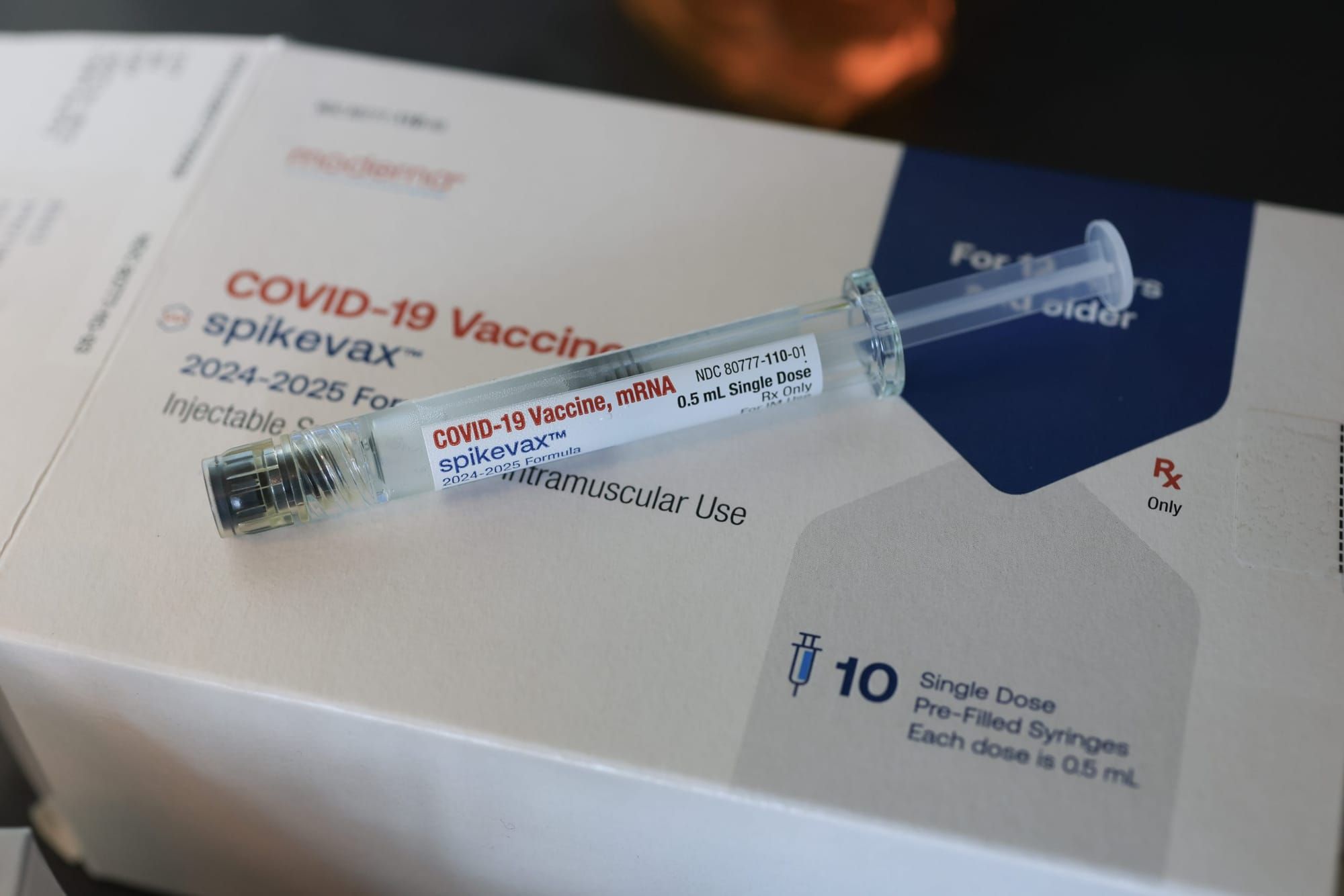
Health and Human Services (HHS) Secretary Robert F. Kennedy Jr. recently announced that his department would be canceling $500 million worth of research into mRNA vaccines across 22 projects. In a video posted on X on Aug. 5, Kennedy claimed that mRNA vaccines are dangerous and don’t work—despite the millions of lives the technology saved at the height of the COVID-19 pandemic. Instead, he said the administration would be pursuing other vaccine technology. The canceled research includes projects that were making promising inroads into using mRNA to develop vaccines for cancers and HIV, diseases with significant racial and socioeconomic disparities.
“I’ve been in public health for 50 years and this was by far the worst [decision] I’ve seen,” said Michael Osterholm, founding director of the Center for Infectious Disease Research and Policy (CIDRAP) at the University of Minnesota. “Everyone is at risk.”
Abandoning research into more durable and variant-proof vaccines could disproportionately impact communities of color and low-income populations, who have more difficulty affording frequent vaccination and less access to medical care, according to Lucky Tran, a science communicator based in New York.
“Vaccines can be costly, may not always be covered by insurance, and people may not be able to get regular boosters due to lack of access in their location or being unable to take time off work,” he said. “More durable vaccines that can last several years can help address these health inequities.”
Stopping development of mRNA vaccines could put cures of the world’s most common and debilitating chronic diseases, such as cancer and HIV, out of reach.
“These diseases disproportionately affect marginalized populations, and by that we mean communities of color, lower-income communities,” said Tran, as well as the elderly and young children. “By defunding this research, it’s another tool that’s taken away from us.”
The move comes as millions of people are set to lose health insurance in 2026 due to the Trump administration’s budget bill, which the president signed into law last month. It makes significant cuts to Medicaid, the country’s largest insurer, serving about 71 million low-income and disabled Americans.
Anti-vaccine rhetoric
Kennedy’s cancellation of mRNA vaccine research marks an escalation of his anti-vaccine agenda. Since his confirmation as HHS secretary, Kennedy has stacked department leadership with other vaccine skeptics; restricted COVID-19 vaccine access; and fired the members of the country’s established vaccine policymaking body, the Advisory Committee on Immunization Practices, and replaced them with his allies. In May, he canceled $766 million in government contracts with Moderna to develop vaccines for avian flu and a combination flu-COVID vaccine. That’s not to mention Kennedy’s reticence to support the measles vaccine amid an unprecedented outbreak.
Actions like these have platformed once-fringe, false beliefs about vaccines causing autism, congenital deformations, and violent behavior. Indeed, mRNA COVID vaccines saved more than 3 million lives in the U.S. through Nov. 22, averted over 18 million hospitalizations, and saved trillions of dollars. The mRNA COVID-19 vaccine also won the Nobel Prize in Physiology or Medicine in 2023.
The fatal consequences of the administration’s dangerous anti-vaccine rhetoric became crystal clear last week when a mentally ill shooter attacked the Centers for Disease Control building, claiming that the Covid vaccine was the cause of his health problems. In his muted response to the attacks, Kennedy downplayed the connection between the shooting and anti-vaccine rhetoric. Some experts have referred to the shooting as “public health’s Jan. 6.” The White House has said nothing about the incident publicly.
When Prism asked for comment, an HHS spokesperson referred to the press release on the vaccine cancellations and declined to answer follow-up questions.
“The decision follows a comprehensive review of mRNA-related investments initiated during the COVID-19 public health emergency,” wrote HHS press secretary Emily Hillard.
“This is just one example of a whole string of examples of dis- or misinformation being shared by the secretary,” said Osterholm, the infectious diseases expert. In fact, days after Kennedy attributed the cancellation of the contracts to mRNA vaccines being dangerous and ineffective, National Institute of Health director Dr. Jay Bhattacharya said that they were actually cancelled because the public doesn’t trust mRNA vaccines. Osterholm pointed out that this is due to the rhetoric from figures such as Kennedy and Bhattacharya themselves.
Despite robust evidence of vaccines’ safety, Kennedy has called the COVID-19 vaccine “the deadliest vaccine ever made.” Kennedy has also claimed that mRNA vaccines permanently change DNA and cannot respond well to virus mutations, which is incorrect, Tran said.
mRNA vaccines are made with messenger ribonucleic acid. Unlike traditional vaccines, which are often created by growing viruses in hen eggs, mRNA vaccines can be created and adapted much more quickly.
According to Tran, mRNA is “one of the most promising technologies for preventing and treating any kind of disease that you can imagine.”
Impact on planning for the future
Osterholm is the co-author of the forthcoming book, “The Big One: How We Must Prepare for Future Deadly Pandemics,” which dives deeper into pandemic preparation. In the likelihood of a future influenza pandemic, “one that absolutely could be much worse than Covid,” Osterholm said his research found that there are only enough vaccines for about a quarter of the world. According to Osterholm, developing enough vaccines for everyone without mRNA could take three years. Relying on older vaccine technologies, such as whole-cell technologies, is misguided and outdated, he said.
Meanwhile, avian flu, which is rarely contagious between humans, is just one mutation away from easier human-to-human transmission.
The cancelled mRNA vaccine contracts fall under the Biomedical Advanced Research and Development Authority (BARDA), whose role is to prepare the U.S. for future health security threats. Despite Kennedy’s announcement, the government’s websites about vaccine priorities remain live. There is no head of the Office of Pandemic Preparedness and Response Policy, and the department has been a victim to the government’s many staffing cuts.
Meanwhile, COVID-19 and its long-term impacts remain a threat, while the future of vaccines targeted to new variants hangs in the balance. COVID vaccines targeting the most common variant from earlier this year have been approved, but only for people over 65 or with chronic health conditions. It is unclear whether the BARDA contracts refer to future COVID boosters. BARDA did not respond to a request for comment.
These restrictions are part of the administration’s strategy of “chipping away at vaccine access with lots of these different policies, by changing recommendations, influencing insurance coverage, and sowing public doubt,” said Tran.
Ending these contracts will have global ripple effects and lead to “brain drain” as scientists choose to work on other health issues, he said. The Trump administration’s threats and intimidation against immigrant researchers has also contributed to this trend. While other countries are working on mRNA research, and some vaccine development is privately funded, “you can’t magically teleport research projects overnight,” Tran said. Delays and roadblocks in research will cost lives, he added.
As it stands, the U.S. remains “the engine that drives so much research around the world,” said Osterholm. Vaccine research funding is also being cut in other places, including Canada and the European Union. Private investors are also pulling back as vaccines become a riskier political bet.
The Coalition for Epidemic Preparedness Innovations (CEPI) is one effort to speed up vaccine development internationally. While the U.S. has contributed to CEPI in past years, it is not a part of Donald Trump’s fiscal year 2026 budget, according to health policy organization KFF. According to CEPI, for the years 2022-2026, 35 countries have committed a total of $1.73 billion, with Germany, Japan, the U.K., the European Commission, and Norway contributing the most. Of private funders, totaling around $350 million for the same years, the Gates Foundation tops the list.
CIDRAP, which Osterholm oversees, also founded the Vaccine Integrity Project, which this week released comprehensive and consistent scientifically based recommendations on vaccines to counter the administration’s misinformation.
Kennedy’s announcement could face legal challenges, said Dorit Reiss, a law professor at the University of California, San Francisco, and an expert in legal issues related to vaccines. Once again, Kennedy did not follow established procedure in making a broad policy change, so it could be challenged as “arbitrary and capricious,” she told Prism.
Some are calling for more. Last week, the grassroots group Defend Public Health released a report calling for Kennedy’s removal from office, and Stand Up for Science is platforming a petition to impeach and remove him.
“I think it’s important to put a magnifying glass on these issues, but at the same time make sure that we stay engaged and push back,” Tran said.
Editorial Team:
Sahar Fatima, Lead Editor
Carolyn Copeland, Top Editor
Rashmee Kumar, Copy Editor
Author

Laura Weiss (she/her) is a freelance writer and editor from Berkeley, California, focusing on social justice issues. She previously worked on the digital team at The New Republic and as managing edito
Sign up for Prism newsletters.
Stay up to date with curated collection of our top stories.