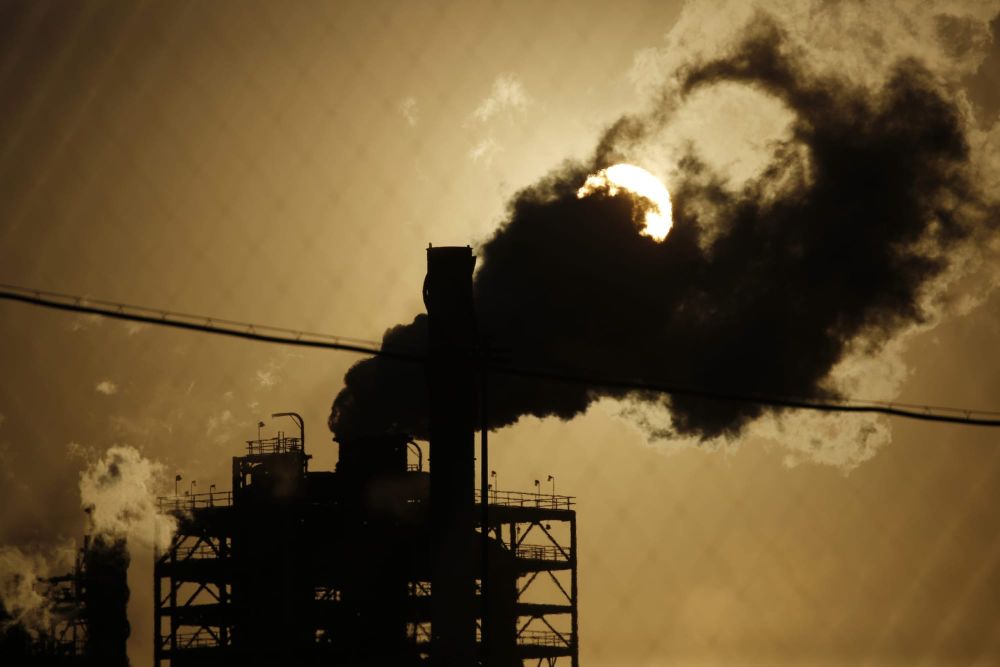
Indigenous and rural organizers in Minnesota prioritize clean water over ‘green’ nickel mine
With the Trump administration back in office, local organizing to protect water and uphold the Mille Lacs Band of Ojibwe’s treaty rights is paramount
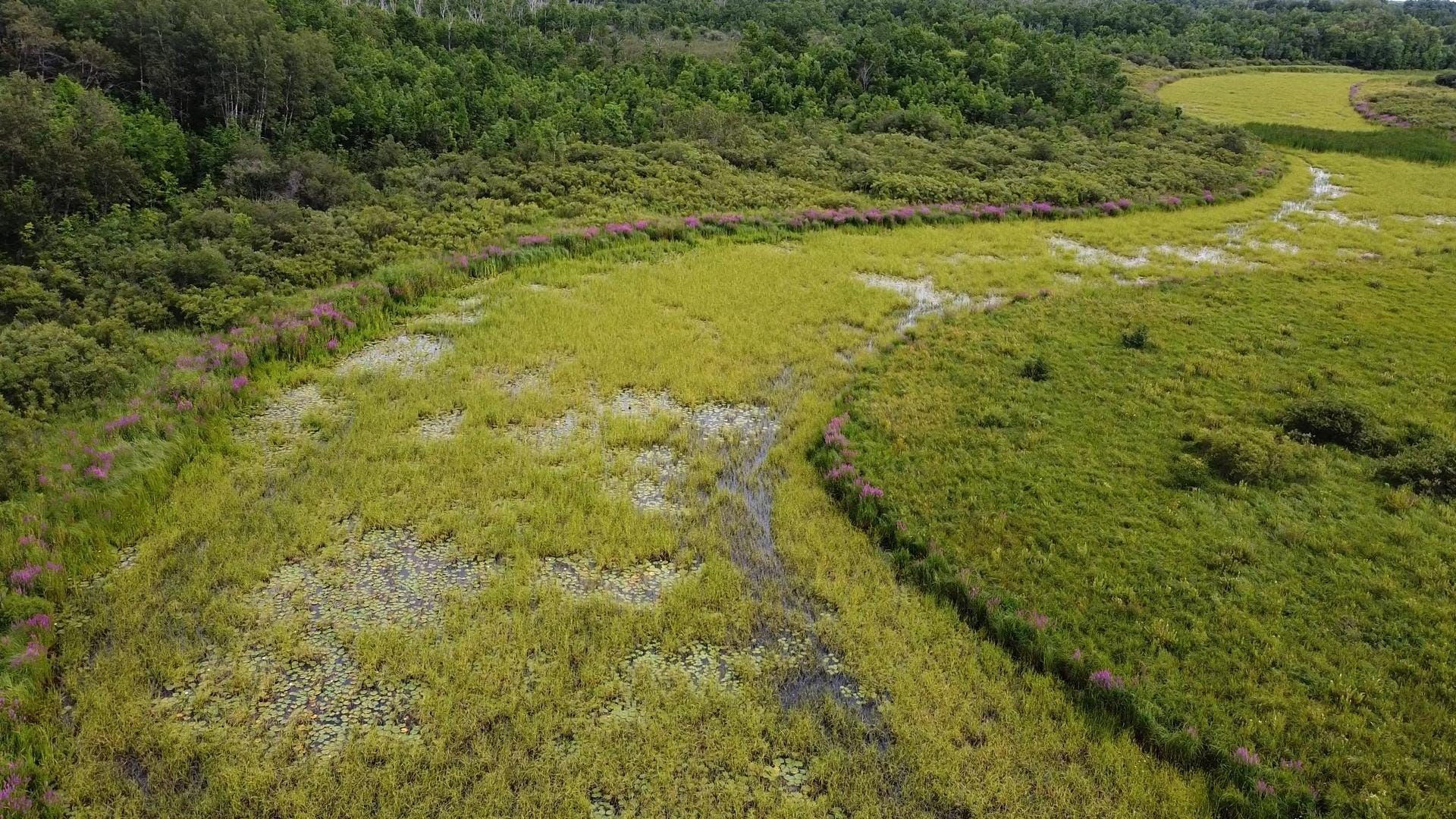
In what’s now known as Aitkin County, Minnesota, autumn is the season to harvest manoomin, the Ojibwe word for wild rice. Tribal members of the Mille Lacs Band of Ojibwe gather in their homelands with visitors for the harvest on nearby freshwater lakes. Working in pairs, one person navigates a canoe through dense manoomin plants using a 15- to 20-foot pole, while the second uses a pair of small wooden sticks called knockers to collect ripened grains into the canoe. The grains are later taken ashore and processed as food, ceremonial offerings, and medicine.
Kelly Applegate, commissioner of natural resources for the Mille Lacs Band, describes himself as a protector of the wild rice. “What’s really unique about this place is manoomin,” Applegate said. “We consider it a gift from the Creator, and we are protective of this sacred gift.”
An Ojibwe prophecy 1,500 years ago forewarned the coming of the white race and urged the tribe to leave the East Coast and move west to where “food grows on water.” After a centuries-long migration, the Ojibwe people arrived at the Great Lakes and found manoomin dispersed across hundreds of lakes.
But this sacred food that has sustained Ojibwe people for generations is under attack. President Donald Trump’s promise to deregulate the mining industry may bolster nickel mining near the Mille Lacs Band homelands.
A continued threat
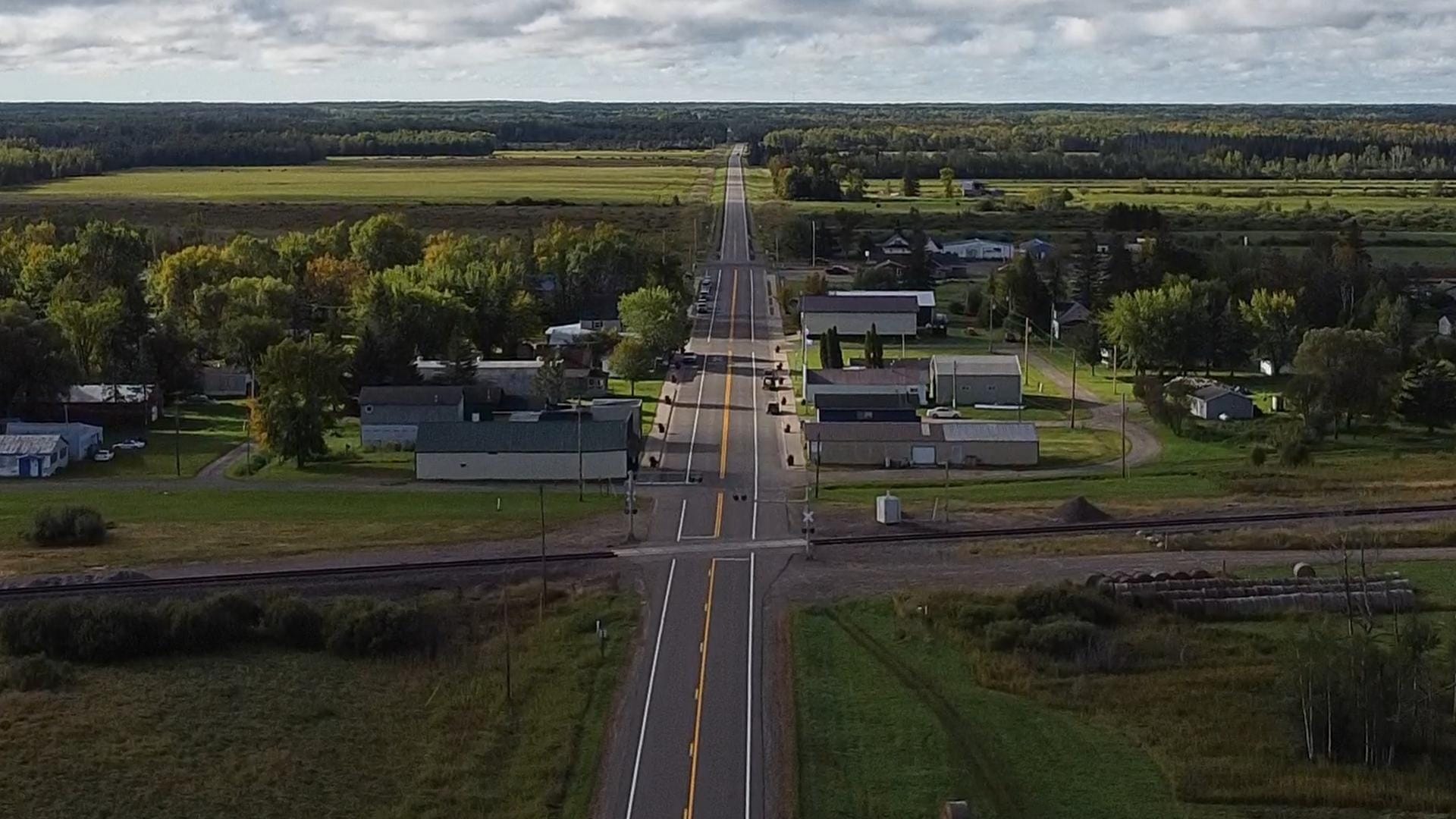
For 10 years, the mining company Talon Metals has planned a nickel-sulfide mine in the town of Tamarack, Minnesota, just 1.3 miles from the homes of Mille Lacs Band tribal members and within 10 miles of several lakes where manoomin grows. Talon Metals is currently in the scoping phase of the environmental review process, during which the company must produce environmental assessment worksheets (EAWs) for the Minnesota Department of Natural Resources (DNR). EAWs determine the mine’s precise footprint and potential pollution risks. Talon Metals owns 51% of the planned nickel mine, with the remaining 49% owned by Rio Tinto, a multinational mining company.
The Mille Lacs Band of Ojibwe believes that potential pollution from this mine threatens their treaty rights, cultural resources, and tribal sovereignty. In 1855, a treaty with the U.S. federal government recognized the Mille Lacs Band Reservation as the tribe’s “permanent home.” Clean water is essential to this home, ensuring access to abundant manoomin, which is part of Ojibwe spirituality and connects the tribe to their ancestral harvest traditions.
“As a people, we can’t risk our sacred connection to this land and water,” Applegate said.
This assault on tribal sovereignty is part of a broader pattern of mining companies targeting Indigenous lands to extract minerals deemed critical to the “green energy transition.” The industry think tank Energy Transitions Commission claims that hundreds of new mines must open in the next decade to fill the demands for renewable technologies. Across the U.S., this transition is already in progress, with dozens of mining companies exploring untapped mineral resources. These mines are disproportionately planned on or near Indigenous lands, with 97% of nickel, 89% of copper, 79% of lithium, and 68% of cobalt reserves located within 35 miles of Native reservations.
As a people, we can’t risk our sacred connection to this land and water.
Kelly Applegate, Mille Lacs Band commissioner of natural resources
As Trump’s second term is underway, companies that benefited from former President Joe Biden’s “green energy” subsidies are now embracing Trump, a vocal opponent of electric vehicles and renewable energy. In September 2024, Trump told a crowd of supporters, “We’re going to become a major producer of minerals.”
Peter Bryant, a strategist with the mining consultancy firm Clareo, told Politico after the 2024 election, “We will undoubtedly see a more pro-mining administration in the White House.”
Subsidizing mining companies was a component of the Biden administration’s “green energy” policies, including the Inflation Reduction Act and Bipartisan Infrastructure Law, which allocated billions to mining corporations.
Funding mining companies that seek to encroach on Indigenous lands for the “green energy transition” will have long-lasting implications. Talon Metals is one of the beneficiaries of Biden’s $120 billion “critical mineral” subsidy package. Talon Metals received nearly $115 million from the Department of Energy to develop a nickel processing facility, the result of a deliberate greenwashing campaign positioning the company as a “green nickel mine” crucial for addressing the climate crisis.
Shanai Matteson, a rural educator, artist, and cultural organizer in Aitkin County, is a descendant of settlers. She told Prism that she views her work as part of a process of repairing the generational harm from settler colonialism. “Talon Metals is on the vanguard of mining company marketing around this idea that mining will supply the necessary materials for climate change solutions,” Matteson said.
Some of Talon’s greenwashing gimmicks include trademarking the phrase “green nickel” and attending community events in a custom Tesla with the license plate “NI 4 EV,” or nickel for electric vehicles.
Trump has claimed that he will loosen regulations, limit environmental review, and ease the permitting process that takes years to fulfill. A document leaked to Reuters in December stated that Trump’s advisers want to end environmental review entirely for mines funded by the federal government. After the election, one Rio Tinto executive publicly insisted Trump back any policy that would speed up permitting.
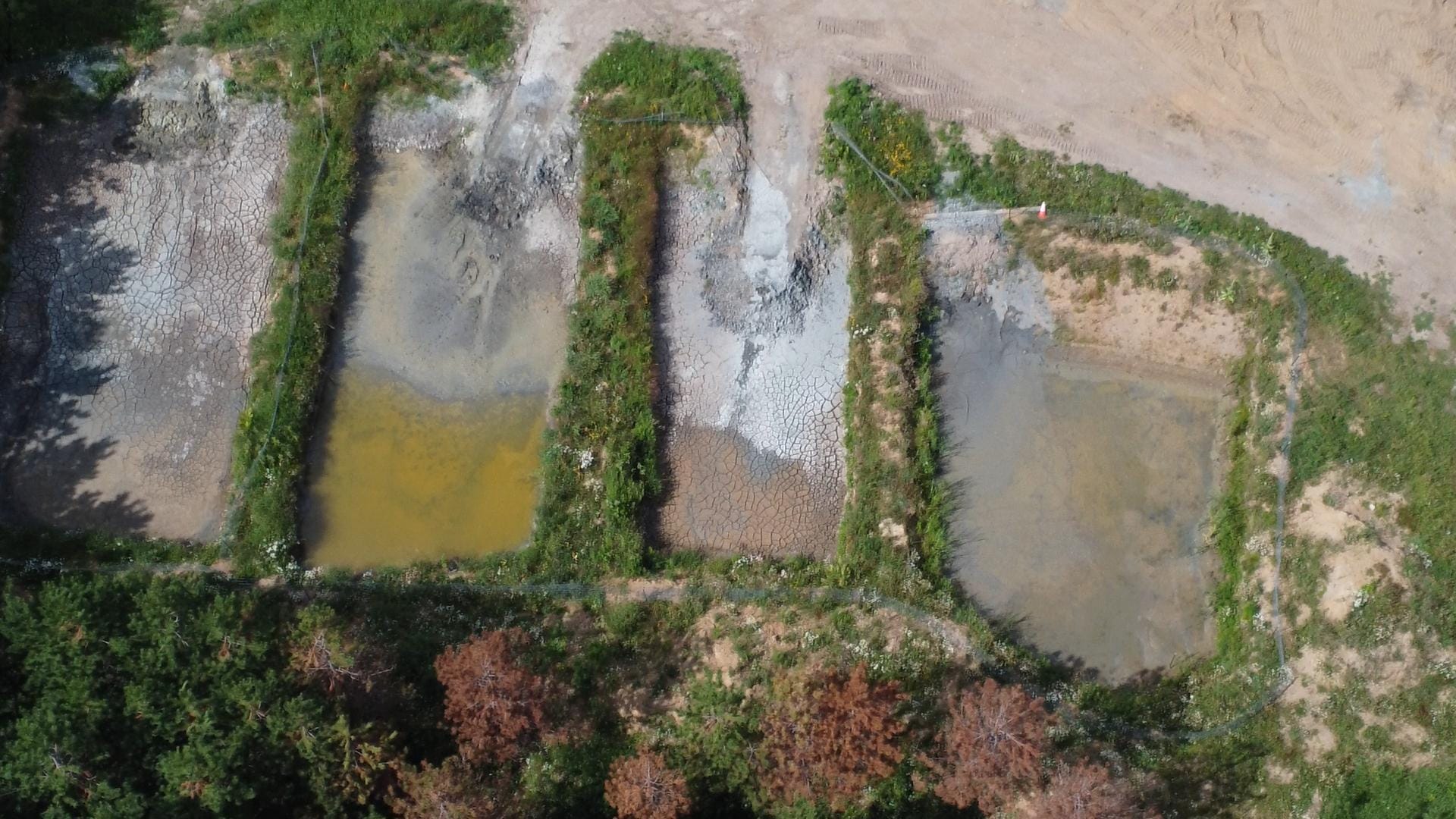
Strict guardrails are crucial for regulating nickel-sulfide mining, which, according to the Environmental Protection Agency (EPA), is part of the most toxic industry in the U.S. In sulfide mining, metals such as nickel are chemically bound with toxic sulfide compounds. When these metals come into contact with air or water, a chemical process called acid mine drainage releases sulfuric acid into the environment. Talon Metals plans to pump up to 2.3 million gallons of groundwater out of underground aquifers every day to clear room for mineral extraction.
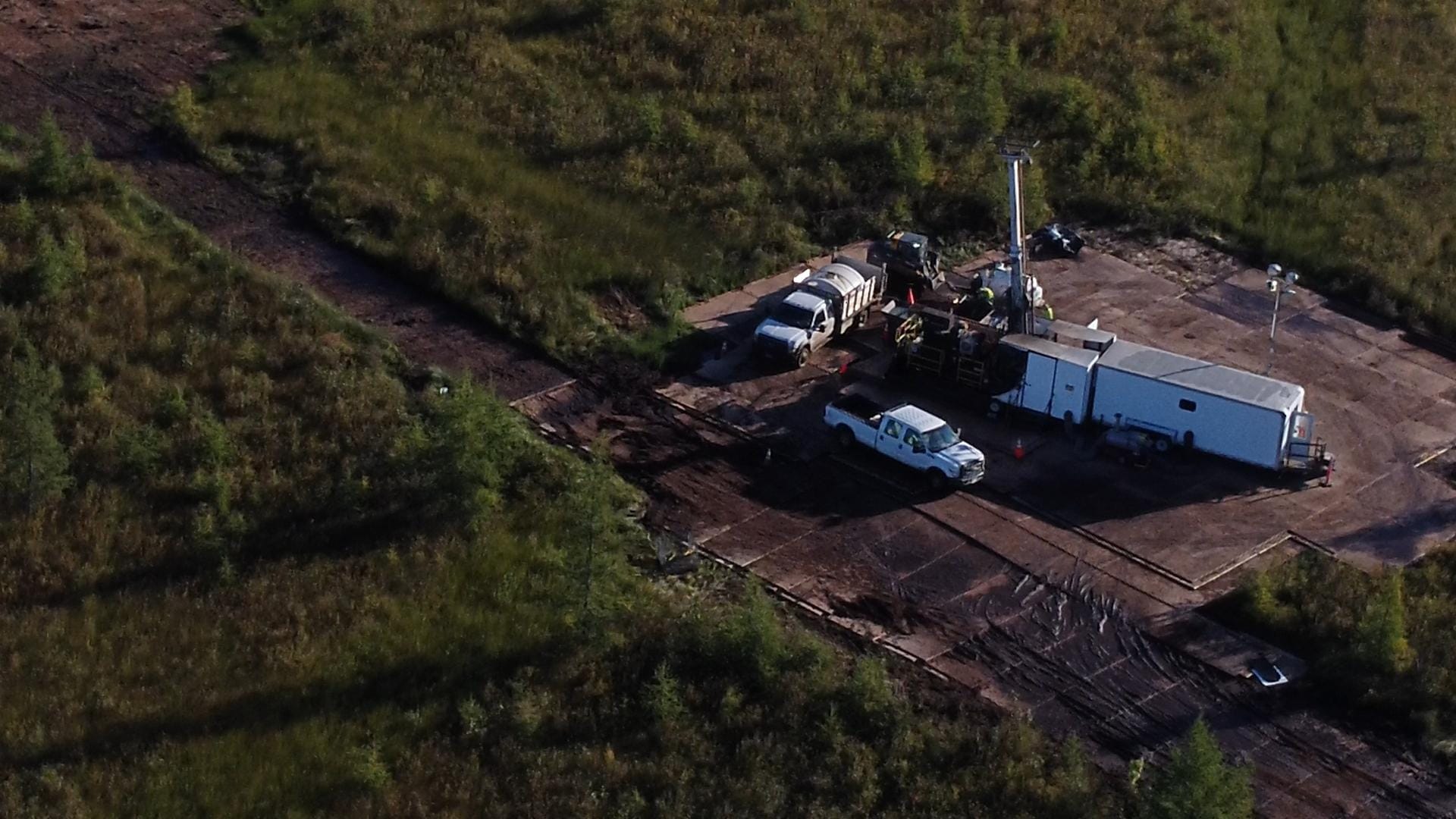
Applegate expressed concern about where this polluted water would be discharged and how it could impact manoomin, which is sensitive to changes in water chemistry and depends on clean water to survive. According to the Minnesota DNR, 40% of manoomin harvested globally originates from Minnesota, and Aitkin County has 32 high-density manoomin lakes.
But Talon Metals has claimed that their mine will be “green” because some of the nickel is slated to be used in Tesla’s electric vehicle batteries. Talon and Tesla entered into a non-binding supply agreement, which stipulates that if Talon Metals obtains 60% ownership of the mine (up from 51%) and is operating by January 2026, then Tesla will purchase 75,000 metric tons of nickel over six years. While it would be unprecedented for a mining company to begin operating in this time frame, Tesla CEO Elon Musk’s presence in the Trump administration may prompt federal intervention to expedite the process.
Talon points to the Eagle Mine in the Michigan Upper Peninsula as its model for a sustainable mining operation, yet even that mine caused nitrate and arsenic pollution above EPA drinking water standards. Every nickel-sulfide mine throughout history has caused significant pollution, according to the Sierra Club.
No such thing as “green” mining
The planned energy transition necessitates a monumental expansion of mining for lithium, cobalt, nickel, and other inputs for electric vehicles, renewable energy, and battery storage technologies. Yet the narrative of a “green energy transition” further entrenches the systems that caused the climate crisis, prioritizing a business-as-usual approach under the guise of “green” extraction.
Applegate sees this as “swapping one form of pollution for another,” ultimately sacrificing Indigenous peoples as part of an ongoing colonial process.
In 1855, hundreds of Ojibwe peoples starved to death at Big Sandy Lake, where the U.S. government ordered that they meet for rations and then failed to deliver the promised food. Known as the Sandy Lake Tragedy, this atrocity happened roughly 10 miles from the proposed mine site. During the 20th century, wetlands in Aitkin County were drained and turned into agricultural land to foster settler movement. In 2021, after years of water protector resistance, the Line 3 tar sands pipeline was built miles from the proposed Talon mine, cutting through two reservations.
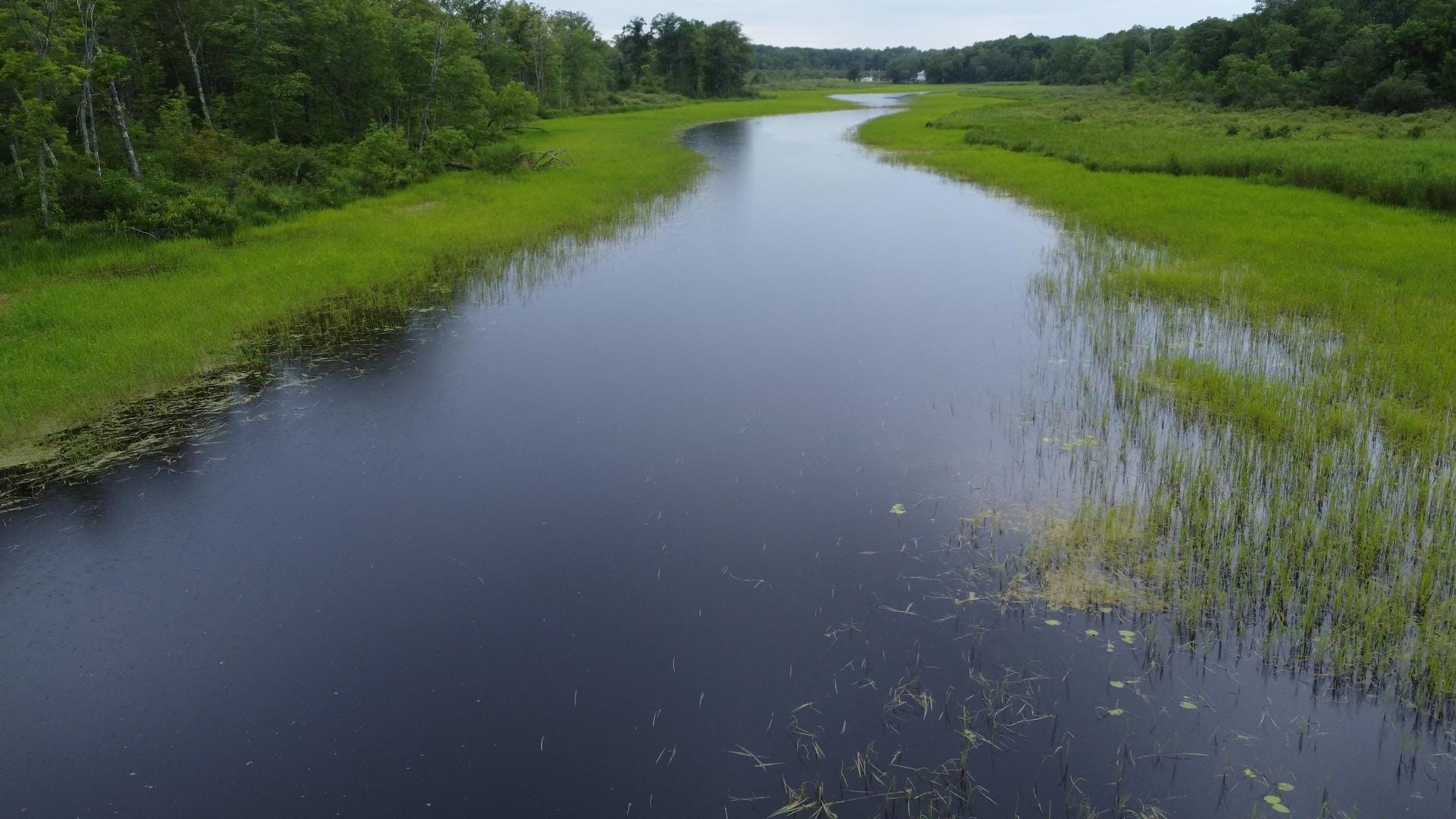
Organizers in Minnesota are resisting greenwashed mining on multiple fronts. Matteson founded a public storytelling project, Talon Mine Tours, which invites local residents into conversations about their relationships with the place and how mining impacts them. Her goal is to challenge the narratives mining companies publicize by connecting local people’s stories to global land defense struggles. Tours begin at Talon’s headquarters, where Matteson and other local community members share information about the mining company’s plans and their own connection to land. She then guides guests to places threatened by the mine, including Tamarack town center, Talon’s proposed drill location; Flowage Lake; and the Rice Lake National Wildlife Refuge. At each site, she hands out viewfinders with alternating images of the region’s manoomin lakes and the destruction that other mining projects around the world have caused.
“People facing these mining projects need to realize our fights are connected, and we are not alone,” Matteson said. “Cultural spaces and projects help us build trusting relationships with our neighbors and a sense of responsibility to the places we share.”
Campaigns to protect water extend beyond local efforts. The Rise & Repair Coalition advocates for Indigenous sovereignty and climate justice in Minnesota’s state legislature. Leanna Goose, an organizer with Rise & Repair, shared that next legislative cycle, the coalition plans to focus on advancing legislation that would recognize and protect the rights of manoomin to flourish in Minnesota.
Goose is a mother and member of the Leech Lake Band of Ojibwe, fighting for her children’s and future descendants’ right to practice Ojibwe harvest traditions.
“We need the strongest protections for waters and land in Minnesota because this new administration does not have the next generations in mind,” Goose said.
As the regulatory landscape shifts, upholding treaty rights may be the last line of defense. Water Over Nickel, an organization formed by the Mille Lacs Band in 2023 to educate the public about tribal issues, challenges the “green energy transition” narrative by refocusing on treaty rights and clean water. The Talon mine is planned within the 1855 Treaty territory, which ceded Ojibwe land to the U.S. government and created the Mille Lacs Band Reservation, in return for the right to hunt, fish, and gather on ceded lands in perpetuity.
“Clean water is our priority and should be for whoever occupies the White House,” Applegate said. “We don’t just do this for the Mille Lacs Band, we do it for everyone who depends on clean water. It’s part of human life globally.”
Editorial Team:
ray levy uyeda, Lead Editor
Carolyn Copeland, Top Editor
Rashmee Kumar, Copy Editor
Author

Joseph Mogul is an organizer and independent journalist who writes about movement politics and history. You can read more of his work about AI resistance at hereandtogether.substack.com.
Sign up for Prism newsletters.
Stay up to date with curated collection of our top stories.