‘The hardest thing about being in prison is not being able to care for those you love’
In Minnesota, incarcerated people are only allowed to attend one of the following: a deathbed visit or a funeral visit
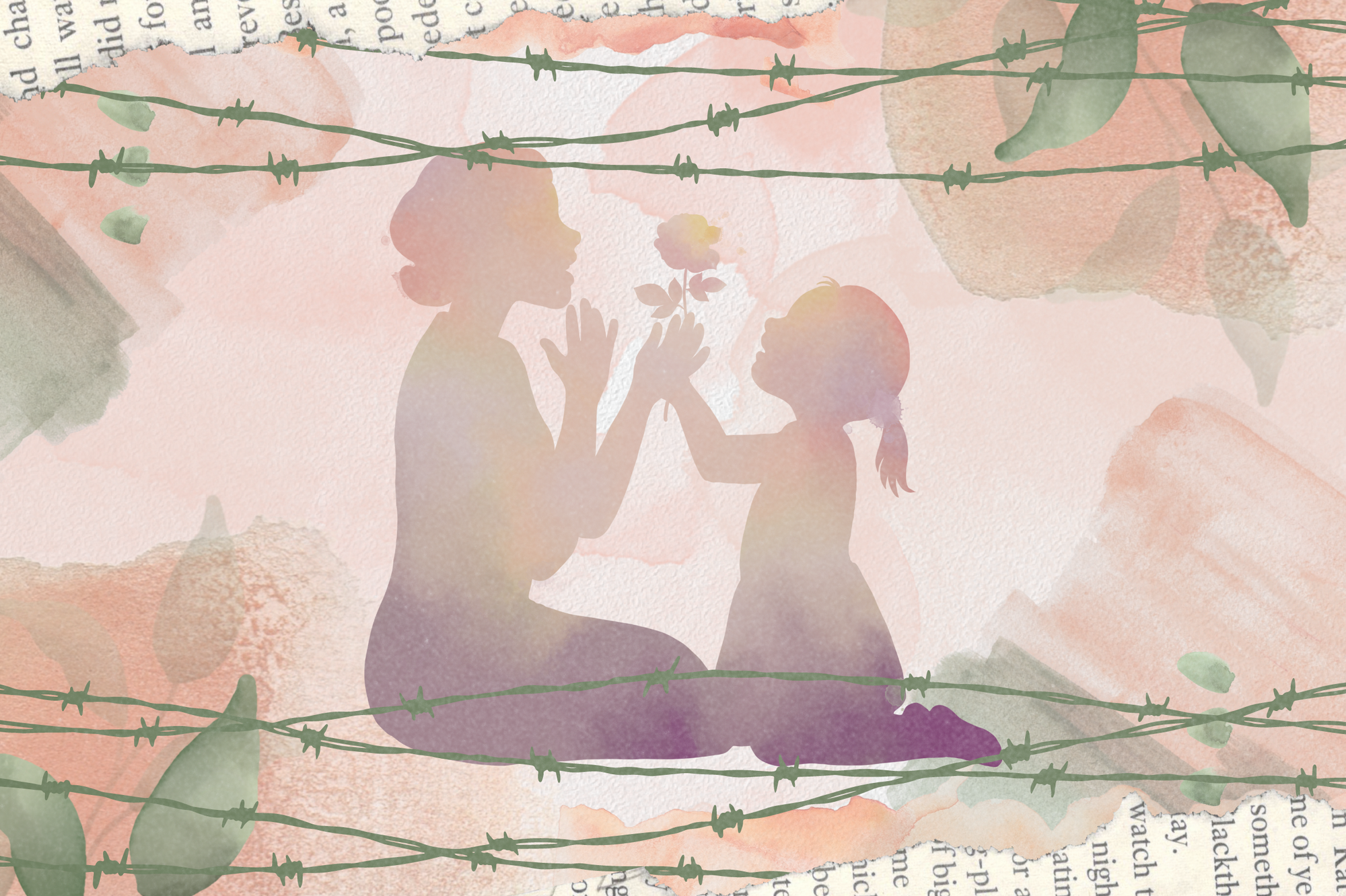
I say it all the time: the hardest thing about being in prison is not being able to care for those you love.
My mother is 86. I know that can sound old to many people, but my grandmother lived to be 103 and would often refer to people under 80 as “kittens.” My family has a long shelf life. For us, 86 is just scratching the surface of our calendar.
My mother loves mandolin and accordion music, lilies, forget-me-nots, and children’s book illustrations. She hates swearing, can’t swim, and is scared of heights. She is a baseball fan and loves all Minnesota team sports. She privately mourns a miscarriage every November that happened more than 60 years ago. She pens beautifully in cursive but no longer writes.
My mother used to live in Minneapolis, but with two of her children in prison, my sister—her only child not in prison—moved her to a small town two hours away so they could live together. I had mixed feelings about this. While it’s nice to be close to family, my mother had lived around Minneapolis her whole life. It was where she worked and raised her family. She knew the territory: the post office with her favorite mailman; the farmer’s market where she bought her tomato plants; the butcher shop where she got her Easter ham. Her church was a mile from home, and she had known most of her neighbors for more than 50 years.
On some level, it is always traumatizing to move. But it’s even more traumatizing when you are older and have to leave your trusted community. It must have been a lonely transition.
Since the pandemic, my mother has fallen on several occasions. Last July, she fell while getting out of the tub and broke some ribs and a hip.
She also started having memory issues. Last year, she often talked about her grandson’s—my nephew’s—upcoming wedding. He was her first grandchild to be married. A few months ago, she told me she had a difficult summer and had to miss the wedding.
“It was a difficult summer. I can’t—I don’t know.”
“Did you have COVID?”
“No. No, I did not have COVID. No.”
“Did you have a stroke?”
“No. Not a stroke. I didn’t have a stroke.”
“Was it medical?”
“Yes! I just—my mind is blank. I can’t think.”
“Don’t worry about it. Did you fall and break some bones?”
“Yes! I broke my rib getting out of the tub.”
From earlier conversations, I knew she was already going to physical therapy for rehabilitation twice a week for her hip—a hip she could not remember she broke.
I cried when I got off the phone.
In the state of Minnesota, incarcerated adults and juvenile residents are allowed to attend one of the following: a deathbed visit or a funeral visit.
Deathbed visits are only allowed if approved. They can only take place at a health care facility, in private to an immediate family member, and when death is determined to be imminent by a health care provider. My friend Jaime was allowed a deathbed visit with her father in 2011. She arrived at the hospital dressed in bright orange scrubs. She was shackled and handcuffed. No one offered her a wheelchair. Jamie was forced to hop and shuffle with tight shackles around her ankles through the hospital until she reached her dad’s room. She was given one hour.
One Monday, I tried to call my mother at her apartment—a two-bedroom in a senior living community.
The phone rang about a dozen times, and then my 22-year-old niece, whom I last saw when she was six, picked up and told me that she and my sister were packing up “grandma’s” place. She told me that my mom had moved to another building within the senior community that provided 24-hour care. Assisted Living. It was a smaller apartment with no kitchen. My mother had fallen a lot in the past month and then got a UTI and had to be hospitalized. She was given antibiotics. The infection had made her more confused.
I was told that she was not happy to move and believed she would soon be back in her two-bedroom apartment. She would not. The week before my mom went to the hospital, my sister and niece checked on her four times a day. Each time, they found her sitting in her own urine.
My niece said that my mother was talking to dead people, which I’d heard was common for people who were close to passing. I’d like to think the dead people are spirits welcoming the now-living to make their passing easier.
My niece gave me my mother’s new phone number and address. I started calling the new number multiple times a week, but no one answered. I started making little notecards to send to her, drawing sketches I’d copied from a Beatrix Potter book. My mother loved those illustrations: little rodents in little coats and shoes eating early vegetables that may or may not have been stolen from a nearby garden. She had a thing for children’s bunny books.
I keep calling. No one answered.
My mother could not return my call.
She hadn’t driven in years, so she hadn’t visited me since 2014. Now, I’ve truly realized that I’ll never see her again in this lifetime.
Funeral visits are only allowed if approved. They can only take place at a public facility prior to or after any public service, upon an immediate family member’s death, and if the incarcerated individual did not have a deathbed visit. A funeral visit is an appointment alone in a room with the deceased family member and two prison guards. While given time to say our last goodbyes, we are still shackled and handcuffed. We are without any other family.
Until now, I guess I always thought I would be released before my mother died. I thought I could buy her some potted violets for Mother’s Day and an amaryllis in December. I thought I could play her “Adios Maria” by The Cactus Blossoms because I think of her every time I hear it. I thought we could split a bowl of buttered popcorn and look at old photos. Maybe we could even go to the Minneapolis Rose Garden and smell every blossom.
When she passed, I wanted to give her a beautiful eulogy that remembered her jewel-toned gardens of lilies and delphinium, and her rose bushes that she bought by fragrance.
I wanted to be the one to bury her ashes.
The Right to Write (R2W) project is an editorial initiative where Prism works with incarcerated writers to share their reporting and perspectives across our verticals and coverage areas. Learn more about R2W and how to pitch here.
Author
Elizabeth Hawes—dancer, abolitionist—is the recipient of the 2023 Keeley Schenwar Memorial Essay Prize, as well as multiple PEN awards in poetry, memoir, and drama. Her work has also been selected by
Sign up for Prism newsletters.
Stay up to date with curated collection of our top stories.