Miccosukee Tribe of Florida signs landmark co-stewardship with National Parks while awaiting wilderness designation decision
Under the agreement with Everglades National Park, the tribe will actively participate in wildland fire management, water resource management, and hydrological management
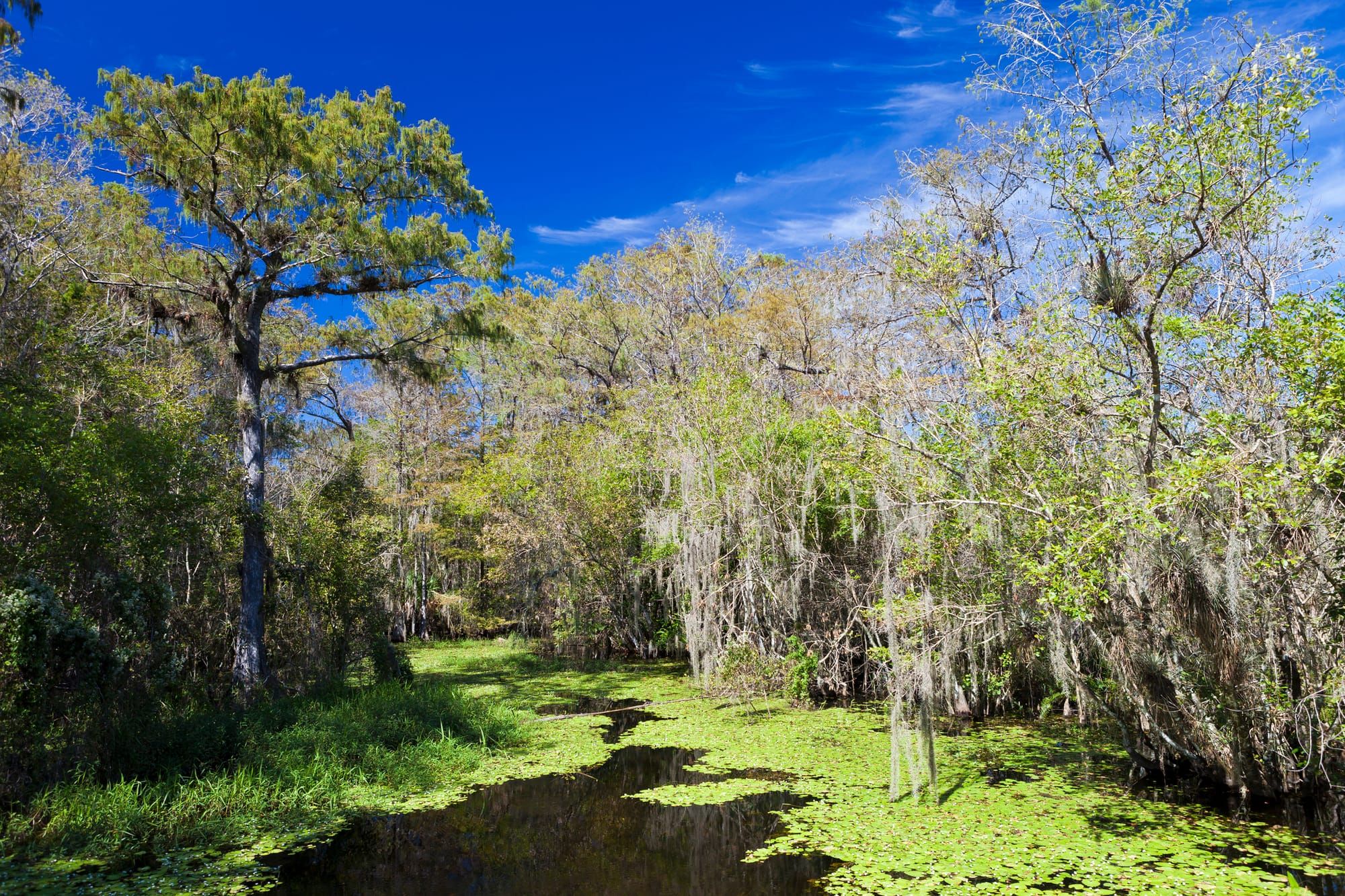
In a landmark move toward environmental stewardship and reconciliation, the Miccosukee Tribe of Indians of Florida has reached two significant agreements with the National Park Service as they await a decision on a federal wilderness designation of Big Cypress National Preserve. The agreements expand stewardship in Everglades National Park and Biscayne National Park. These agreements mark a pivotal step in the tribe’s ongoing efforts to reclaim and protect their ancestral lands while fostering future partnerships.
Under the agreement with Everglades National Park, the tribe will actively participate in wildland fire management, water resource management, and hydrological management. This collaboration also opens doors for future stewardship opportunities. Curtis Osceola, chief of staff for the tribe’s chairman Talbert Cyprus, highlighted the implications for both the tribe and the broader environmental landscape.
“This has been a long time in the making,” Osceola said. “We are pleased to see this step forward and are eager to contribute to the management of these lands, ensuring their health and sustainability for future generations.”
Osceola emphasized the historical significance of this agreement, noting that in 1934, the tribe lost 99,000 acres of land, now part of Everglades National Park. The new agreement, signed Aug. 27 at the Miccosukee Community Center, coupled with an apology from NPS Superintendent Pedro Ramos for past oversights, represents a step toward rectifying historic injustices.
“The tribe will be more formally at the table with us,” Ramos noted. “Their traditional knowledge is a crucial asset as we address these environmental challenges. They are the original stewards of these lands and bring perspectives that are essential for effective management.”
Ramos, who oversees Biscayne National Park and Big Cypress National Preserve, expressed his profound personal and professional satisfaction with the agreement.
“This is a moment I’ve been waiting for over two decades,” Ramos said. “It’s been a journey about doing the right thing for the Miccosukee people and acknowledging their sovereignty and historical connection to these lands.”
The agreement formalizes the Miccosukee Tribe’s role in managing and protecting the natural landscapes of South Florida, allowing its members to contribute their invaluable traditional ecological knowledge. According to Ramos, this collaboration is crucial as the region faces contemporary challenges such as climate change, sea level rise, and invasive species.
The second agreement with Biscayne National Park acknowledges and enhances the tribe’s rights to gather fish and plant life for medicinal and ceremonial purposes. Additionally, it recognizes the tribe’s role in fisheries management and biodiversity improvement within the park.
The journey to this agreement has had its challenges. Ramos highlighted that bureaucratic obstacles were a significant challenge.
“We often get caught up in processes and underestimate the power of direct, meaningful communication,” he said. “Building trust between the tribe and the U.S. government took time, but it was necessary for us to reach this point.”
Osceola addressed ongoing concerns regarding the wilderness designation of Big Cypress National Preserve. Despite differing views on this issue, he underscored the cooperative spirit between the tribe and the NPS.
“We may not agree on every front, but this partnership proves that we share common goals,” he explained. “We remain hopeful for a favorable decision and continue to work collaboratively, despite the challenges.”
Looking ahead, Osceola expressed optimism about the role these agreements will play in the larger LANDBACK movement. He emphasized the tribe’s goal of sustaining its rights and contributing to land management, highlighting a growing recognition of Indigenous knowledge and practices in conservation efforts.
“The Miccosukee people have endured much hardship,” Cypress said. “This agreement acknowledges our resilience and restores our rightful place in these lands that have always been our home.”
Author

Alexandra is a Cuban-American writer based in Miami, with an interest in immigration, the economy, gender justice, and the environment. Her work has appeared in CNN, Vice, and Catapult Magazine, among
Sign up for Prism newsletters.
Stay up to date with curated collection of our top stories.