Israel is still killing Palestinians, including 14 of my relatives
Israel has reportedly violated the ceasefire at least 738 times, including on Nov. 22 when it bombed the homes of my family members
Real journalists wrote and edited this (not AI)—independent, community-driven journalism survives because you back it. Donate to sustain Prism’s mission and the humans behind it.
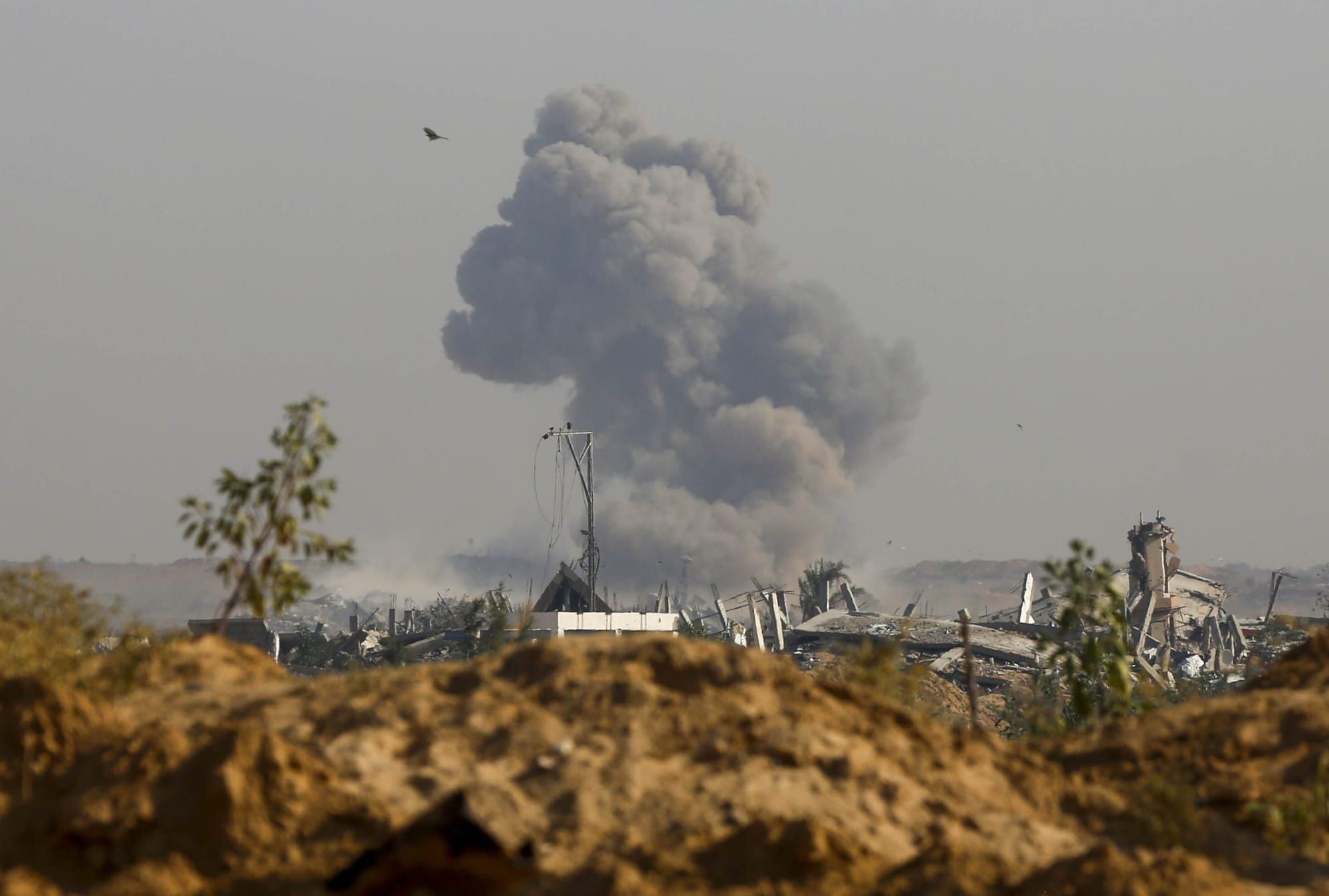
It was supposed to be a calm day in Gaza, with the ceasefire technically in effect. Then, a heavy, thunderous sound shattered the silence. The moment I heard it, I knew what it was. It was a sound I had lived with for nearly two years, a sound of war that never truly leaves you. The smell of gunpowder intensified the memory, pulling me back into images I believed belonged to the past. Scenes of Israeli airstrikes flooded my mind, memories I thought would never return.
Before I could fully grasp what was happening, women’s screams cut through those thoughts. I ran toward the neighboring area, surrounded by cries and panic, still unable to believe what I was witnessing. Had the war returned? Were we about to relive the same tragedies again? As I moved closer to the site of the explosion, I saw several of my neighbors lying injured on the ground. Despite the chaos, I kept moving forward. Through the screams, I heard someone say that the targeted homes belonged to the Abu Shawish family—my family.
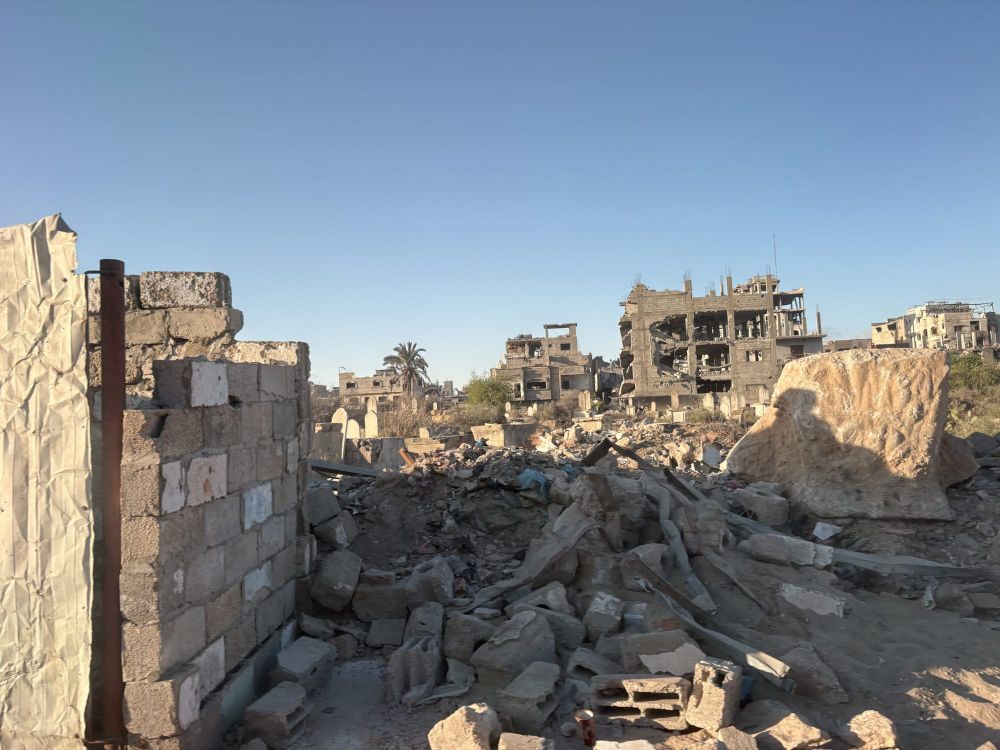
When I reached the site that day, Nov. 22, the devastation became clear. Four homes belonging to my relatives and cousins were severely damaged. Two others had been completely destroyed, collapsed over the heads of the people inside.
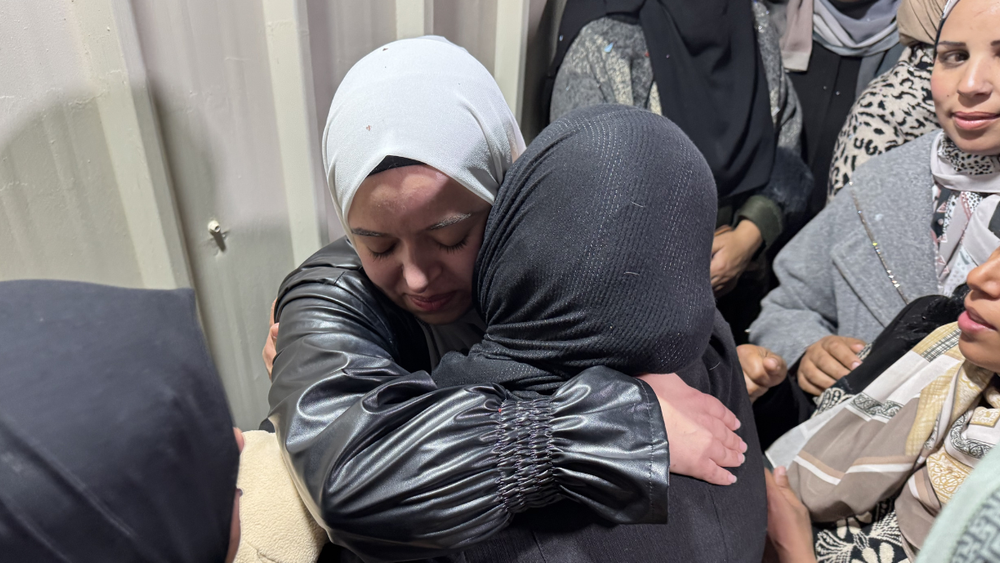
For nearly six hours, we dug through the rubble with our bare hands, pulling out the injured and retrieving the bodies of the dead. The attack wiped out two entire families. Fourteen people were killed. Dozens more were injured.
What happened to my family is not an isolated tragedy. It is part of a broader pattern that has unfolded since the so-called ceasefire took effect on Oct. 10. During this period, government authorities in Gaza have documented at least 738 violations of the agreement. At least 386 Palestinian civilians have been killed by Israeli airstrikes, drone attacks, artillery shelling, and gunfire. Among the dead are women, children, and the elderly. Nearly 1,000 Palestinians have been injured.
These violations confirmed what many Palestinians already know: Ceasefires, as imposed on Gaza, are fragile political phrases, not guarantees of civilian protection. They exist on paper, while in reality, families continue to be erased in moments justified by vague and unverified “security concerns.”
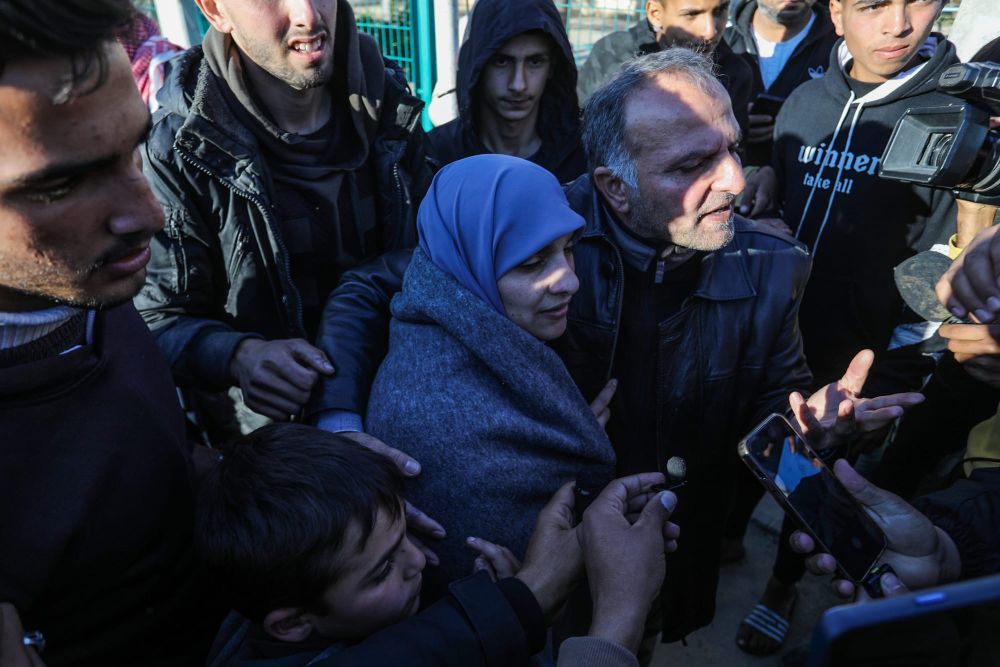
“We don’t trust Israel or its intentions,” said Abu Kamal Al Bobli, a 59-year-old displaced elder living in a tent in Gaza City. “Every ceasefire feels temporary; it sounds like a delay before the next strike. We live in constant fear that this is the life we will keep living until the rest of our days, a life that does not know stability, with no clear future for our children and no relief for our youth.”
A pattern of violations
Israel rarely acknowledges that it is breaking a ceasefire. Instead, it relies on a recycled set of security justifications, claims of “imminent threats,” unverified intelligence warnings, alleged fire by unidentified actors, and the assertion that certain strikes are exceptional or defensive rather than violations.
These arguments collapse under basic scrutiny. No verifiable evidence is presented, and no independent investigations are allowed. The ceasefire is thus treated not as a binding agreement, but as a conditional arrangement that Israel reserves the unilateral right to suspend whenever it chooses.
A striking example of this manipulation is Israel’s claim that nearly 200 Palestinian fighters were stuck behind the “yellow line” marking how far Israeli forces withdrew under the ceasefire, beyond which Palestinians are barred from accessing their homes and farmland. Approaching or crossing the area, covering nearly 58% of Gaza, puts civilians at risk of being shot despite the truce.
Hamas has stated that those fighters were unaware that a ceasefire was in effect and therefore still active in Rafah. At the same time, Israel refused any negotiated resolution to the issue of fighters trapped in Rafah, despite repeated calls by mediators, including the U.S. and Qatar, to address the issue and prevent further escalation.
These interruptions are not accidental breaches but deliberate efforts to evade Israel’s obligations under the second phase of the ceasefire. That phase is meant to mark a transition from violence to recovery: a full Israeli withdrawal from Gaza, the beginning of reconstruction, Palestinian-led administration of the Gaza Strip, and the deployment of a security force to restore stability. By repeatedly disrupting the truce, Israel undermines this transition, ensuring that Gaza remains trapped in a permanent state of limbo, neither at war nor at peace, where rebuilding is postponed, governance is denied, and instability becomes the norm rather than the exception.
For people like me, hope is measured not by written words but by the silence of the skies, and that silence never lasts long.
Abu Kamal Al Bobli
What is happening is reminiscent of what occurred in January’s ceasefire: Israel violated the truce in March, killing more than 400 people and refusing to move into the second phase of the agreement. As we are now meant to transition into the second phase of the current ceasefire, the same fears are resurfacing among civilians, fears that the promises on paper will not translate into protection or reconstruction on the ground.
“The suffering for Palestinians is inevitable,” Al Bobli said. “It is part of our history and our struggle. The world treats us as if we are not worthy of living in dignity. We are not supposed to question an agreement signed publicly between two sides, witnessed by the world.”
He added, “For people like me, hope is measured not by written words but by the silence of the skies, and that silence never lasts long.”
Despite the ceasefire agreement, Israel continues to bombard the Strip, killing hundreds of civilians and terrorizing hundreds of thousands. It blocks adequate food and medical supplies, denies the entry of reconstruction materials and temporary housing, and implements measures that deliberately prolong and intensify the suffering of the Palestinian people.
The consequences of these actions extend far beyond physical harm. They affect every aspect of Palestinian life: economic, social, and psychological. Gazans live under the constant fear that the ceasefire will collapse at any moment. The trauma of hearing explosions, even when calm has been promised, creates a perpetual state of anxiety, forcing residents to relive the horrors of the past ceasefire interruption and what happened in March.
This reality is made even more brutal by the harsh winter. Bitter storms have killed at least 14 people, as already damaged homes collapsed and tents flooded. Cold winds tear through overcrowded camps filled with exhausted people who have endured every form of trauma imaginable. Families stand exposed and vulnerable, sheltered only by torn fabric that barely covers their eyes, let alone protects them from the freezing temperatures or the rain seeping into their tents.
I often wonder: What meaning does a ceasefire hold when one side continues to violate it? What is the fault of 2 million people for simply living in such horrific conditions, and how can civilians trust a truce that is repeatedly exploited rather than upheld?
These questions linger in my mind, and every time I search for answers, I confront the harsh reality of our daily lives. Our suffering has become routine in the eyes of the world, treated as if it were an abstract statistic rather than the lived experience of real people. What news is there of a Palestinian’s pain? What resonates more than the photos, videos, and stories that fill social media, yet fail to trigger any meaningful action? What pains me most is that while the world sees our suffering, it does nothing to change it. Why must an entire people endure such conditions in an era where information spreads instantly, yet justice and relief remain absent?
For us, those questions are not merely rhetorical; it is the reflection of a life under constant threat, of hope deferred, and of dignity denied. And until these questions are answered, the reality of Gaza will remain trapped between words on paper and the bombs that fall around us.
Editorial Team:
Sahar Fatima, Lead Editor
Carolyn Copeland, Top Editor
Stephanie Harris, Copy Editor
Author
Ahmad Abushawish is a writer and an activist based in Gaza. His dream is to study and get a scholarship in a prestigious university abroad.
Sign up for Prism newsletters.
Stay up to date with curated collection of our top stories.