Iranian students are still waiting for their visas to process, leaving lives in limbo
With delays of up to two years, Iranians hoping to study in the U.S. face disrupted careers and psychological distress
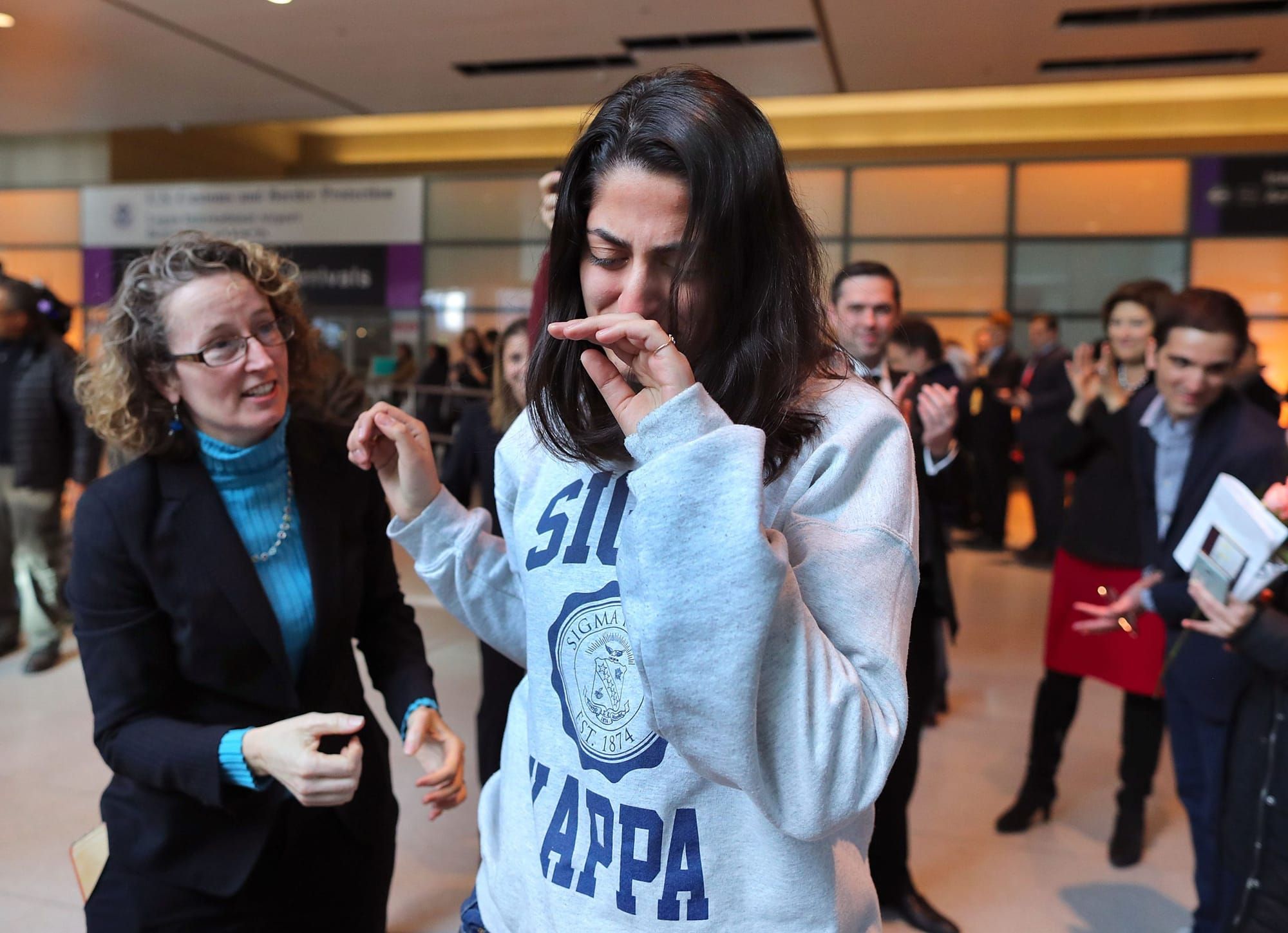
Iranians hoping to attend college in the U.S. are caught in limbo as they wait for their visas to be processed by Immigration and Customs Enforcement’s (ICE) Student and Exchange Visitor Program office. Over 2,000 students from various embassies who applied between 2022 and now are still facing delays. These prolonged waiting periods are causing severe disruptions to their academic and professional plans, as well as psychological distress for thousands of students. Advocates say Iranian students are victims of discriminatory immigration policies exacerbated by the ongoing genocide in Gaza, as Israel and the U.S. target Iran for allegedly supporting Hamas. On Wednesday, Hamas’ political chief Ismail Haniyeh was assassinated in Tehran.
One student, who requested to remain anonymous, endured a bus fire while traveling to Armenia for her visa interview, resulting in physical injuries requiring surgery and causing ongoing mobility issues. However, after 17 months in administrative processing, she has lost her academic position at Mississippi State University.
Aiden, a prospective PhD student in Civil Engineering who requested to withhold his last name out of fear of retaliation and is still in Iran, shared his experience of being stuck in administrative processing since October 2022. Initially accepted into the University of Florida, Aiden lost his position due to Florida’s restrictive policies on colleges accepting Iranian students. He was subsequently offered a position at the University of Cincinnati. However, despite numerous deferrals and reapplications, he remains in limbo, facing the prospect of losing his opportunity altogether.
“It’s very challenging to keep a PhD position with such high competition for two years after five deferrals,” Aiden noted. “My whole life, I was an academic person, and [I feel like] I’m losing my life.”
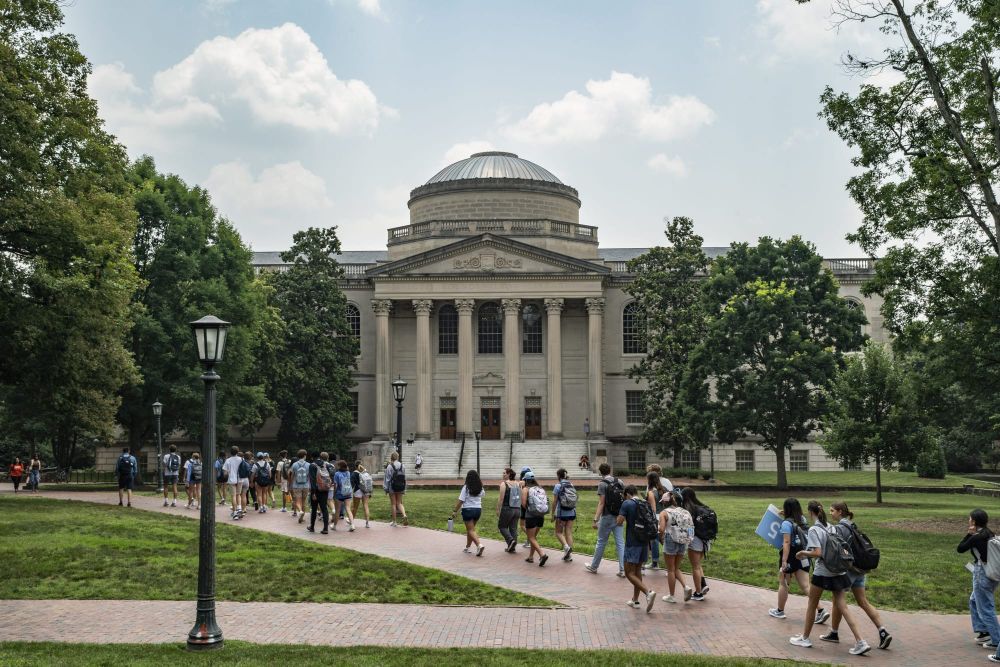
Bahareh, another student who was accepted into a postdoctoral research position at the University of North Carolina in September 2023, described the immense financial and emotional toll of the waiting game. The delay has not only cost her a substantial amount in visa processing fees but has also impacted her research career.
“I had to invest years of my life to do research and become a top student, to be able to secure this funded position,” Bahareh, who is still in Iran, explained. “The exchange rate between the Iranian rial and the dollar is awful … several professors have told me that they don’t accept Iranians because of this long AP process, and that imposes a huge burden on us in terms of mental burden and financial burden.”
Arash, another student still in Iran who has been waiting since March 2023 for a visa to begin his PhD in Chemical Engineering at the University at Buffalo, highlighted the broader implications of these delays.
“I’ve had to defer my admission for three semesters. This uncertainty affects not only my studies but also my career trajectory,” he said. Arash also pointed out that many Iranian students are delaying life events such as marriage or job changes to avoid jeopardizing their visa applications.
The students’ frustration is compounded by what they describe as a lack of transparency and accountability in the processing system. Many have sought assistance from U.S. lawmakers and embassy officials, only to receive generic responses or no answers at all.
“Our abilities have been left idle and wasted during this time, and we’re losing them without any clear reason. Some individuals suffer irreversible harm due to this process. We are left in limbo,” Arash said.
One French language student who received her visa within the last year recounted the struggles she faced while attempting to reunite with her husband and navigate her new life in the U.S.
The student, who did not want her name published, first applied to university in November 2022, was accepted by spring 2023, and by August 2023, she was able to move to the U.S. to begin her studies. However, her husband had to wait a year for his own visa.
“We were separated, I didn’t see my husband for a year,” she said. “I saved my funding here, but I had to spend all of it for the lawyer to bring him here.”
She said administrative processing should be resolved within six months, not two years.
“Why should Iranian people, Iranian students, Iranian couples, wait for so long for just a visa?” said the student. “People are not the government. They are not the same.”
The delays faced by Iranian students seeking U.S. visas have been described as “disproportionate and discriminatory” by legal experts. According to Mahsa Khanbabai, a Massachusetts-based immigration attorney and legal expert specializing in immigration and national security law, Iranian students applying for F-1 student visas—typically a process that should take a few days to a few weeks—are often facing waits of six months, a year, or even up to two years. These prolonged delays are attributed to a complex interplay of sanctions, bureaucratic hurdles, and national security vetting processes.
“Iranians are among the most complex student visa applicants due to sanctions and the intricate vetting processes they undergo,” Khanbabai said. “In many cases, students face these delays because of a combination of their fields of study, past military service, and stringent background checks.”
One significant factor contributing to the delays is the DS-5535 form, introduced during the Trump administration. This form requires extensive personal information, including social media handles and a detailed account of the applicant’s background, which can significantly slow down the processing time.
According to U.S. Department of State statistics, F-1 visa issuances specifically for Iranian students from January to May have decreased since 2022 from 738 visas to 588 in 2024. Data also shows that, from October 2023 to May 2024, approximately 1,042 visas were issued to Iranian nationals. This represents a significant decrease of about 40% compared to similar periods in previous years when around 700 more visas were typically issued.
Even students whose visas have been issued are not guaranteed a full stay in the country. In March 2024, the Office for Civil Rights and Civil Liberties (CRCL) issued a summary of complaints they received regarding F-1 visa cancellations for Iranian students. The summary highlights concerns over how Customs and Border Protection (CBP) managed the visa applications and admissibility determinations for Iranian nationals between January and February 2020. The findings indicate significant procedural issues and potential biases in the handling of these cases.
The CRCL investigation began following multiple complaints alleging that CBP inappropriately considered nationality when determining whether to admit Iranian nationals into the U.S. The complaints suggested that CBP’s decisions were flawed, including improper cancellations of F-1 student visas, which led to expedited removal and incorrectly imposed five-year bans on re-entry.
The investigation revealed that CBP lacked adequate policies and procedures regarding the legal standards required for nonimmigrant visa classifications. Specifically, it found that CBP officers might have been influenced by race, ethnicity, or nationality in their decision-making processes, exacerbated by insufficient guidance on evaluating visa eligibility and immigrant intent.
On March 30, 2023, the CRCL issued a notice to CBP, outlining three key recommendations to address the identified issues. In response, CBP agreed to fully implement one recommendation and partially agreed with the other two. The agreed-upon measures include issuing a memorandum to reinforce proper documentation practices for admissibility determinations and conducting regular reviews of inadmissibility cases. Additionally, CBP will provide the CRCL with an annual assessment and analysis of inadmissibility cases categorized by country of citizenship. However, the CRCL’s findings and the subsequent actions by CBP underscore ongoing concerns about fairness and transparency in the U.S. immigration system, particularly in the treatment of nationals from specific countries.
The complexities are compounded for students who have served in the Iranian military. While military service is mandatory, those assigned to the Islamic Revolutionary Guard Corps (IRGC) face additional scrutiny and potential disqualification due to its designation as a terrorist organization by the U.S. government. However, those who served in the general army are not subject to the same restrictions.
Despite these challenges, there are legal avenues available for students in distress. Khanbabai advised that students should seek legal counsel to navigate their complex cases and prepare for potential issues at the border. For the broader academic community and policymakers, Khanbabai suggests that a shift in approach is needed.
“There shouldn’t be this generic ‘let’s blame all students for being Iranian and for what their government does’—it should be based on individualized suspicion,” Khanbabai said. “It’s so complex. There’s so many different layers of issues, and part of it is also just the U.S. government saying, we don’t care, we’re willing to forego missing out on incredibly talented researchers and scientists because we don’t want to risk dealing with someone that could be problematic.”
Author
Alexandra is a Cuban-American writer based in Miami, with an interest in immigration, the economy, gender justice, and the environment. Her work has appeared in CNN, Vice, and Catapult Magazine, among
Sign up for Prism newsletters.
Stay up to date with curated collection of our top stories.