Health care workers strategize to protect undocumented patients amid rollback of ‘sensitive locations’ guidelines
Health care advocates called for the Trump administration to re-establish “protected areas” that safeguard medical facilities from immigration raids
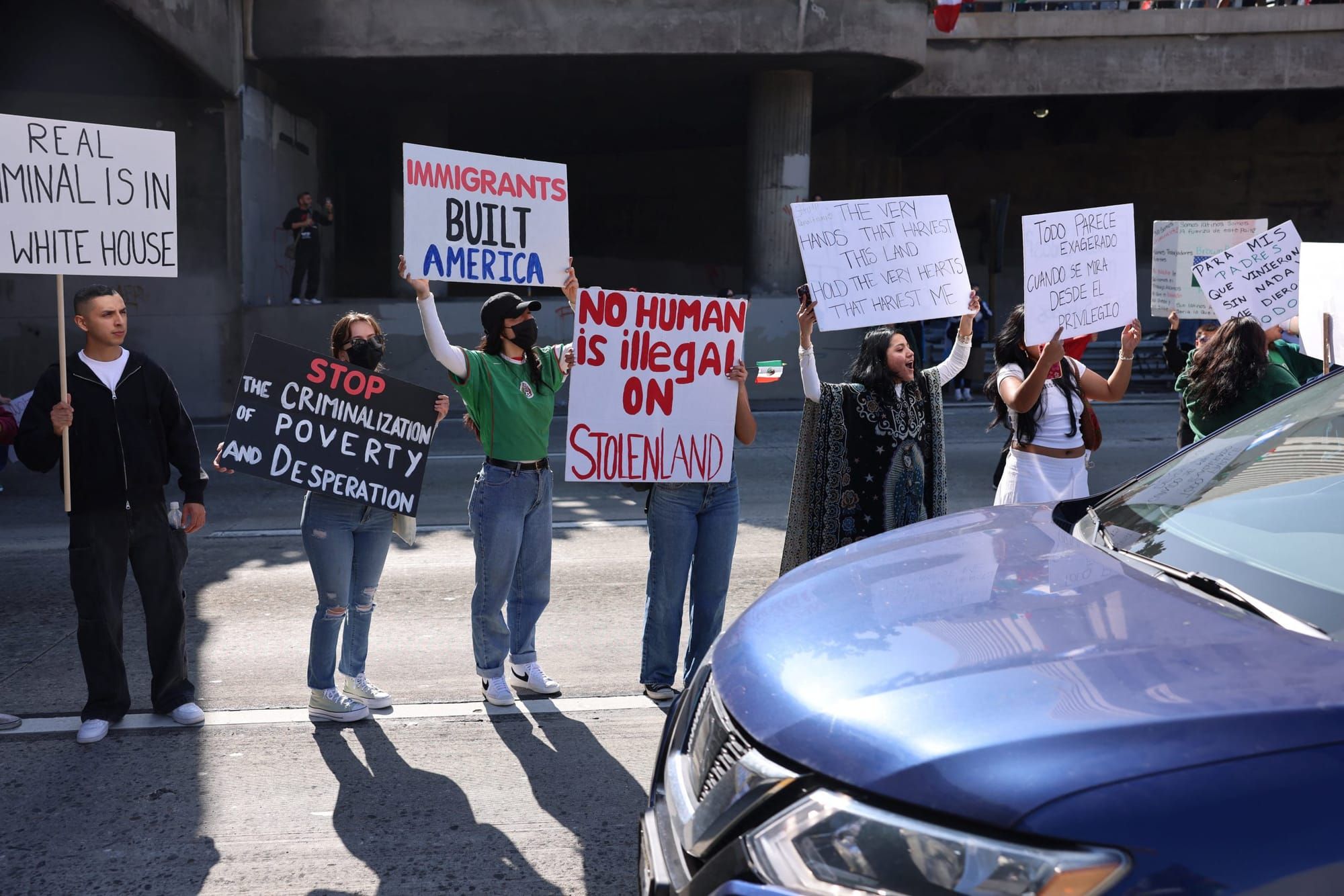
Acting Homeland Security Secretary Benjamine Huffman issued two directives on Jan. 21 that sent shockwaves through the immigrant rights community. In addition to announcing changes to the humanitarian parole program, the Trump administration also rescinded Biden administration-era guidelines, originally issued under President Barack Obama, that prevented immigration and border officers from entering “sensitive locations” or “protected areas.” Locations formerly covered under the guidelines included schools, places of worship, playgrounds and child care centers, social service establishments, shelters, and health care facilities, among other spaces.
For medical professionals, rolling back such guidance has posed particular concerns about the consequences for patients and public health.
Days after the directive was released, health care advocacy groups began publicly calling for the re-establishment of the protected areas guidelines and articulated the necessity of keeping medical facilities free from the threat of immigration raids.
National Nurses United, the largest union of registered nurses in the U.S., said in a statement that in the wake of a winter during which the nation has been plagued by a host of respiratory illnesses, including COVID-19, access to health care for all patients, regardless of immigration status, is crucial. The removal of the guidelines is particularly dangerous given the chilling effect and looming fear it can instill.
“Even just the threat of immigration enforcement in our nation’s hospitals creates an atmosphere where patients will potentially avoid seeking care, putting entire communities at risk,” the statement reads.
The coalition further cited the ongoing staffing crisis brought about by “profit-driven employers” as a pre-existing issue that the recent directive is only compounding.
These concerns underscore the initial purpose of protected areas. The foundational policy outlined in a 2021 memo was to avoid “enforcement action in or near a location that would restrain people’s access to essential services or engagement in essential activities.”
The ease with which the guidance was revoked is rooted in the fact that it was simply guidance and not a federal policy. While the Protecting Sensitive Locations Act was proposed in 2017, the legislation never passed. Immigrant rights advocates have argued that it was a missed opportunity for the Biden administration not to concretize the sensitive locations guidance into federal law.
Navigating a new climate
Physicians like Dr. Altaf Saadi, the associate director of the Asylum Clinic at Massachusetts General Hospital, have already observed a chilling effect. Saadi also works at a community health center and is a member of the Physician for Human Rights’ Asylum Network, a national network of clinicians who conduct forensic medical and psychological evaluations for people who are applying for asylum.
“We certainly have heard from folks that they have not left their homes in weeks,” Saadi said. “They’re sending their children to get groceries because they themselves are afraid to go, or they’re relying on their community and friends to help because there is that fear that they could be subject to immigration enforcement. So I think that there is certainly this heightened fear as a result of this change in policy and also just this change in rhetoric around the criminalization of immigrants.”
Saadi noted that it’s essential to understand how this directive will impact not just undocumented patients, but also anyone within a mixed-status household, referring to the millions of Americans who live with or have family members who do not have authorized immigration status.
Additional concerns from physicians and legal experts around the directive suggest that it may complicate the enforcement of HIPAA restrictions, raising concerns around privacy of medical information.
“I expect legal questions about whether and when immigration status constitutes protected health information,” attorney Nora Katz said in an interview with Law360. “This patchwork of regulation will add to the workload of healthcare and hospital attorneys, particularly those working with large health systems operating in a number of states.”
Among major health systems navigating this new terrain is New York City Health + Hospitals (NYC H+H), the largest municipal health care system in the U.S.
A memo released to NYC H+H staff shortly after the Trump administration directive outlined a protocol for how staff should engage with Immigration and Customs Enforcement (ICE) officers. The process included gathering officer information and transferring it to the hospital system’s Immigration Liaison. According to reporting from Documented NY, this guidance was less explicit than directives offered within the city’s internal agencies, which advised staff to deny access to ICE even if they have a judicial warrant. NYC H + H serves around 19,000 patients who are migrants and asylum-seekers.
Without fear
Saadi said that since the first Trump administration, advocates in the health care field had already begun to develop protocols for handling ICE. The coalition Doctors for Immigrants has outlined over a dozen actions in a toolkit designed to make facilities safer and more welcoming to immigrant patients.
Among these suggestions is creating clear signage that demarcates public versus private spaces. While ICE and Customs and Border Protection (CBP) officers can access public spaces, they cannot enter private areas without a signed judicial warrant. In health care settings, these private areas can include hospital floors, clinic rooms, or offices. Developing clear policies for staff and embedding conversations about how to respond to ICE within staff training modules is also key.
Saadi said staff should know that HIPAA protections also extend to patients’ immigration status. Thus, staff should not call ICE themselves or record notes about patients’ immigration status in medical records. Amid a fluctuating policy landscape, Saadi also said creating a clear immigration point person or task force is an investment that health care facilities should make.
“Having a clear designated point person or team that are supposed to stay abreast of these policy changes and best practices and who can report to executive leadership is important, rather than having a makeshift or ad hoc response each time,” Saadi said.
Finally, health care centers can distribute know your rights information written specifically for immigrant patients and make them available not only in hospital waiting rooms, but also in more private locations such as bathrooms. These types of interventions can help both staff and patients stay aware of what avenues of support are available, Saadi said.
Pediatricians can also work with mixed-status families to discuss contingency and emergency preparedness plans should a parent be detained or deported. Saadi recommended that pediatricians encourage parents to think about potential guardians their children can stay with and to keep all of their health records in one place. The American Academy of Pediatricians has also made resources available online to help facilitate these conversations.
“We have to remind ourselves that there’s actually a lot we can do to counter this narrative of fear,” Saadi said. “Parallel to that, there needs to be a narrative of us feeling empowered to take action to protect our patients and stick to our mission. As healers, that’s what we want to do. We’re not cops. That’s not our job, and we should resist any attempt to turn health care facilities into places where law enforcement is taking place.”
Editorial Team:
Sahar Fatima, Lead Editor
Carolyn Copeland, Top Editor
Rashmee Kumar, Copy Editor
Author

Tamar Sarai is a writer, journalist, and historian in training. Her work focuses on race, culture, and the criminal legal system. She is currently pursing her PhD in History at Temple University where
Sign up for Prism newsletters.
Stay up to date with curated collection of our top stories.