Never eat the candy on your pillow: Surviving the holidays
For people reentering society after years of incarceration, the holiday season brings a mix of emotions that make it difficult to bask in the glow of celebration
Real journalists wrote and edited this (not AI)—independent, community-driven journalism survives because you back it. Donate to sustain Prism’s mission and the humans behind it.
Dear Reader,
Now that the holiday season has come and gone, let me ask: What does that time of year mean to you? I wish I had a more interesting answer than “holidays are for family, friends, festivities, and relaxation.” Still, I only know these things in theory. For people like me who are reentering society after years of incarceration, the holidays bring mixed emotions. In early November, as the holidays loomed closer, I found myself wrestling with anticipation tinged with anxiety, gratitude interwoven with grief.
Of course, I looked forward to reconnecting with friends and family, but under the surface, there was a steady hum of anxiety—will I ever truly feel at home again?
Today, I want to be honest about how celebrations can actually magnify the distance I feel from loved ones and the world I used to know, and why carving out new traditions and rebuilding trust and connection are proving harder than I expected. Last year, I had to keep reminding myself to be patient with my struggle and to accept that my holidays would likely feel different from now on.
The good news is that I’m learning that magical moments are possible—no matter how small—and they can create a real sense of comfort and meaning.
As the triple whammy of Thanksgiving, Christmas, and New Year’s Eve approached, I wanted to be like the other people around me who were excited for the holidays. But admittedly, I wasn’t feeling the holiday spirit as I navigated the strict parameters of my parole and continued to adjust to life after incarceration.
I celebrated Thanksgiving with my partner, but I left earlier than everyone else. Since it’s unwise to be newly released and driving the roads at night, especially while on restrictions, I said my goodbyes and ventured out into the cold. Any traffic stop or interaction with law enforcement, no matter how minor, must be reported and documented. So, I decided to err on the side of caution and drove home well before sunset.
Walking out into the brisk air that evening, it was almost as if I could feel the weight of transition pressing down on my shoulders. I wanted so badly to feel the joy that night. But instead, it was replaced by the acute awareness of my new reality and the responsibilities that come with it. Each decision, even one as simple as choosing when to leave a gathering, carried significance.
By December, the world outside seemed wrapped in a familiar glow of celebration. But for me, each day brought the challenge of balancing old wounds with the hope of new beginnings. I wanted to believe in the promise of the season, yet I couldn’t ignore the realities of reentry and the sometimes invisible barriers that seemed to separate me from the life I once knew.
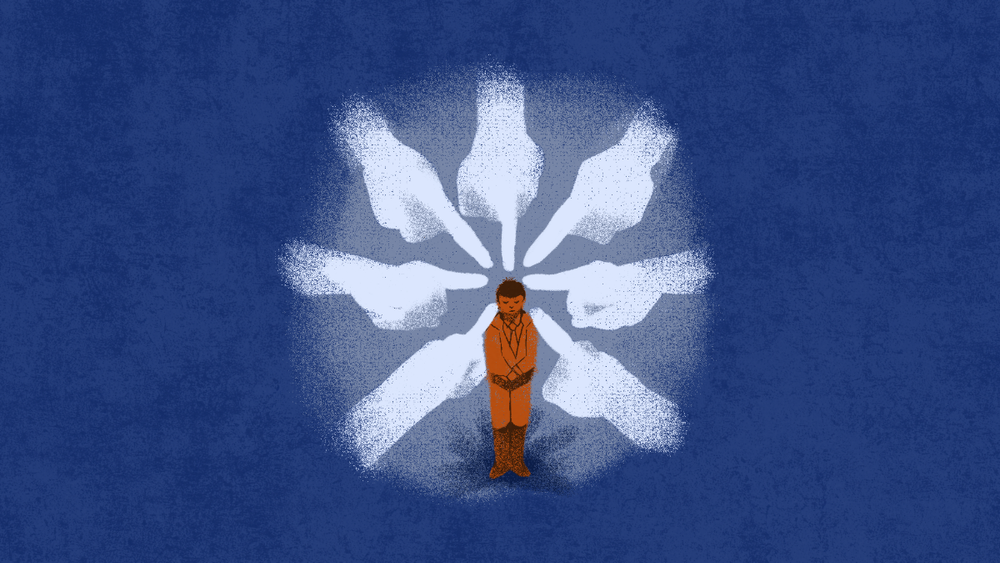
There’s a quiet ache that settles in for those who spent years incarcerated and separated from loved ones, or who are otherwise struggling to piece together their life after release. The holidays once felt full of warmth and promise. As an adult, they are a haunting blend of memories—fragments of joy tangled with loss, hope shadowed by regret.
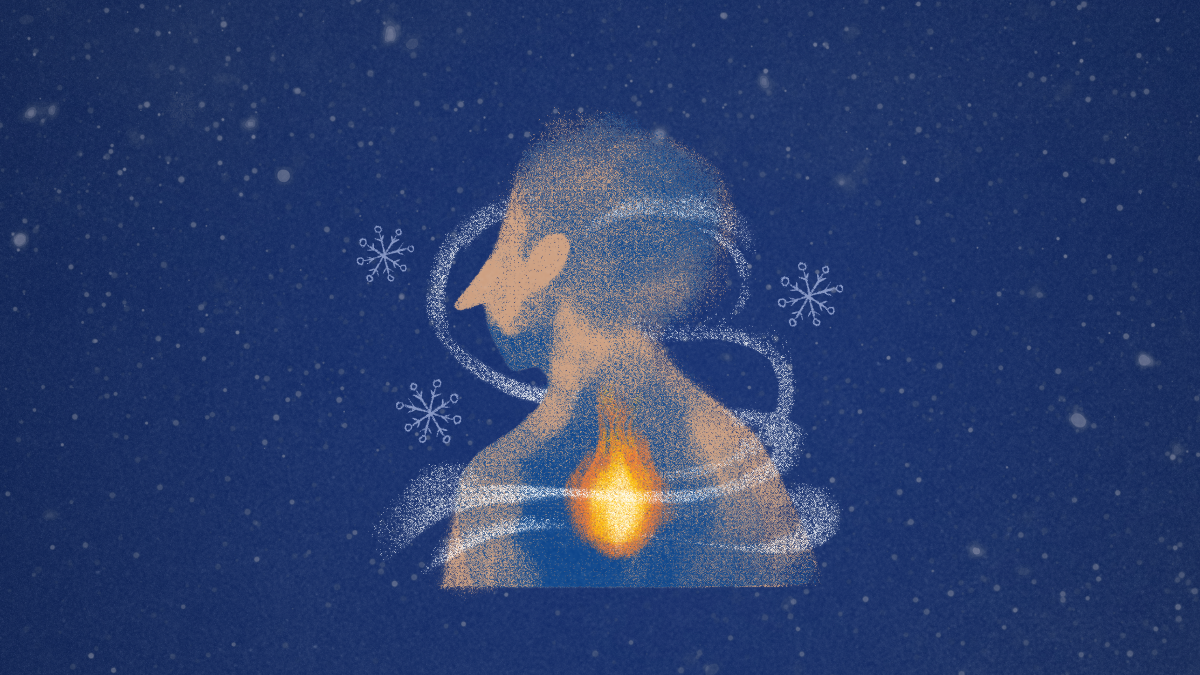
The scenes of togetherness and laughter I witnessed last year felt so far away, sometimes unreachable, and every flicker of holiday cheer brought a sharp reminder of everything that’s changed. But small gestures—a shared meal, a gentle word—also held a fragile beauty. For many of us whose traditions were stolen by time and circumstance, the holidays outside mean learning to hold pain and gratitude side by side. They force us to cherish moments never promised, to mourn what remains missing, and to find a way to stand in the cold and create new meaning from emptiness. During this season, survival is a badge worn quietly. While resilience doesn’t erase the sorrow, it lets us honor what we’ve lost while still searching for a glimmer of hope—even if it means our celebrations take on a lonelier, more tentative shape.
After spending so many years in prison, I realized that I had lost touch with the true meaning of the holidays. I never had much growing up, and I often took for granted the little bit that my family did have. Much-anticipated gifts lost their splendor a few days after being unwrapped, and I’d quickly forget the elation I felt on Christmas morning. Toys, candy, clothes, and shoes were usually given to me through volunteer organizations and churches, which only reminded me of the extreme poverty I was raised in.
Now, as I approach my 50th birthday, I no longer expect gifts, and both of my parents passed away during my incarceration. My siblings have also moved on with their lives. During my first Christmas as a free man, I realized I was grappling with the same feelings I had all of those years behind bars, when the holidays were often marked by a sense of longing and isolation.
Locked away from family and friends, I often reflected on the little things I once took for granted: the laughter of my family around a crowded table, the warmth of my mother’s rare hugs, or even the simple act of sharing a meal. Inside, these memories were treasures, a reminder that the true value of the season is in the connections we nurture and the love we share. I can’t go back to my childhood, but I can make new memories. I want to reflect on every detail as if it were my last. The songs playing on the radio, the smell of cinnamon and vanilla, how good it feels to be hugged again by people who care for me.
The holidays served as a badge of survival, a reminder that even after many years separated from the rest of the world, I’m still capable of finding hope and building a community.
As I continue to adjust to life after incarceration, I want to make a concerted effort to ensure that the holidays take on a different meaning for me. I want them to be a time for real reflection and gratitude—and for giving back. I’ll continue volunteering at a local shelter, and I’ll make sure to pick up the phone to check in on those I know who are feeling lonely.
In navigating this new landscape of joy and uncertainty, I also have to remember to offer myself compassion and patience. I am relearning how to be me, and true healing and connection require giving myself the time and space to feel, reflect, and move forward with intention and care.
Now, as the holidays are over and winter really settles in, I notice I’m finding joy in the quiet moments or just wandering outside in the cold, free under an open sky. But I am also putting myself out there and forging new connections, catching up with a friend over a cup of coffee, or sharing a laugh with the neighbor next door. These simple, fulfilling moments are starting to feel like my own humble traditions, helping me redefine what it means to celebrate and belong.
I now count happiness by the warmth I feel in genuine connections—and in honoring all the rough roads it took to get here. If I’m honest, last year the holidays served as a badge of survival for me, a living reminder that even after many years separated from the rest of the world, I’m still capable of finding hope and building a community—sometimes in ways I never thought possible.
The Right to Write (R2W) project is an editorial initiative where Prism works with incarcerated writers to share their reporting and perspectives across our verticals and coverage areas. Learn more about R2W and how to pitch here.
Editorial Team:
Tina Vasquez, Lead Editor
Carolyn Copeland, Top Editor
Rashmee Kumar, Copy Editor
Author
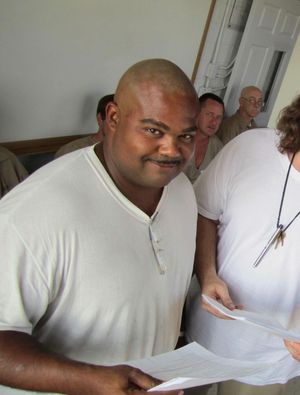
Derek R. Trumbo, Sr., a multiple-time PEN Prison Writing Award winner, is an essayist, playwright, and author whose writing has been featured in "The Sentences That Create Us: Crafting A Writer's Life
Sign up for Prism newsletters.
Stay up to date with curated collection of our top stories.