The Harris campaign, media, political pundits, and even former President Obama owe Black men an apology
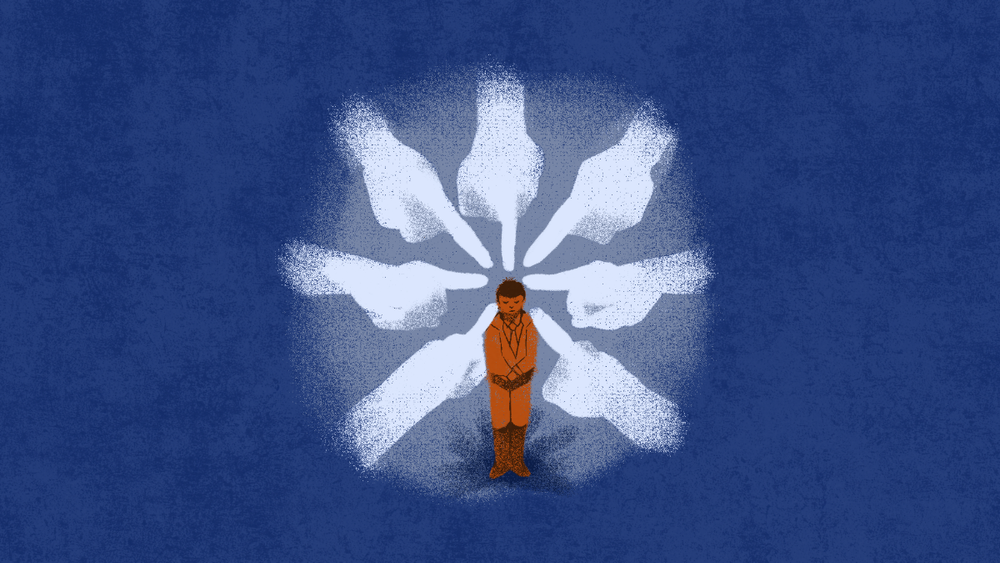
Black men were scapegoated before the election based on misleading reports that they were leaning toward Donald Trump
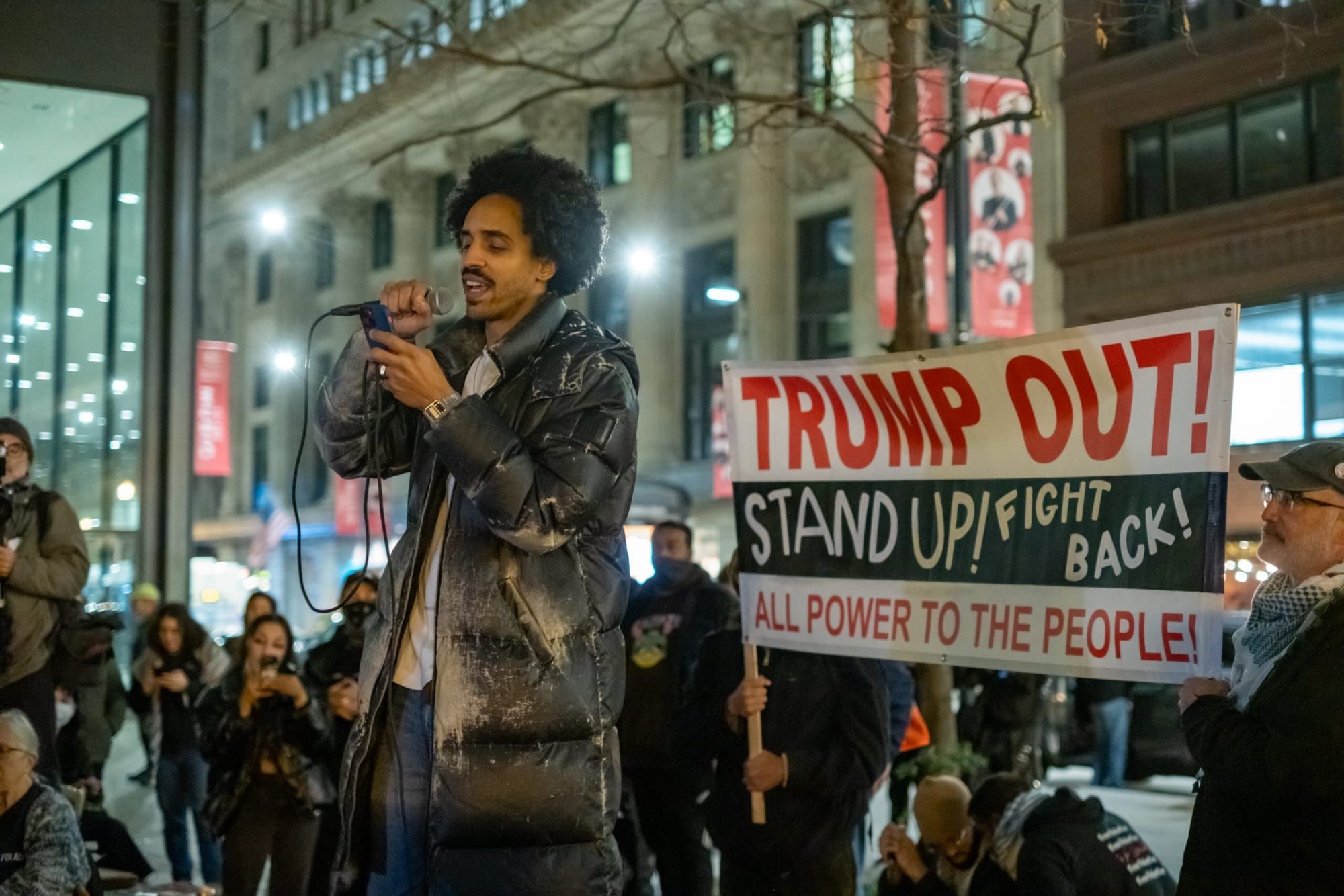
The nation abandoned any hope for a multiracial democracy on Nov. 5 in favor of reelecting Donald Trump for president.
For me, this election is a mirror of 1877.
The Union victory over the Confederates in the Civil War birthed the nation’s first attempt at a multiracial democracy. Black men throughout the South were elected to state houses and even Congress. However, the progress was short-lived.
In 1877, the white power structure abandoned the multiracial democracy, choosing to violently secure power in exchange for allowing racism to reign in the South—and Black men were scapegoated.
“The South, finally, with almost complete unity, named the Negro as the main cause of Southern corruption,” wrote W.E.B. DuBois in his book “Black Reconstruction.” “They said and reiterated this charge until it became history: that the cause of dishonesty during Reconstruction was the fact that four million disenfranchised Black laborers, after 250 years of exploitation, had been given a legal right to have some voice in their own government.”
Jim Crow soon followed, and the next attempt at a multiracial democracy wouldn’t occur for another 100 years with the passage of the Voting Rights Act.
This year, Black men were scapegoated before the election even occurred.
Almost every mainstream American media outlet—including The Atlantic, the Washington Post, Newsweek, and the New York Times—reported on Vice President and presidential hopeful Kamala Harris’ “problem” with Black men. However, according to the election results, Black men were never Harris’ problem. Her refusal to embrace public opinion and commit to ending arms transfers to Israel was one of her actual problems.
The other was that she bet on white women, believing Black voters were in the bag.
In the last three presidential elections where Trump was the Republican nominee, white women voted for him in the majority: 52% in 2016, 55% in 2020, and 53% in 2024. In fact, outside of Bill Clinton, since 1972, white women have voted in the majority for every Republican candidate.
Black men, in comparison, voted for the Democratic nominee in the last three presidential elections: 82% in 2016, 79% in 2020, and 77% in 2024. Since 1972, Black men have voted for the Democratic presidential candidate in every election at an average of 82.5%. Yet, we were the target of the Harris campaign and the broader Democratic party, which enlisted former President Barack Obama to chide Black men for early reports they were leaning toward Donald Trump.
However, Black men never needed a stern talking to. White women certainly could have benefited from such. Black men did their part and deserve an apology from the Harris campaign.
If concerns about losing the Black male vote had been an actual priority, Harris’ campaign wouldn’t have waited until a month before the election to announce a policy agenda for Black men full of redundant and embarrassing initiatives like job training, small-business loans, and health awareness, as well and promises to protect cryptocurrency investments and provide help entering the cannabis industry. For the record, only 1 in 5 Black people have ever invested in cryptocurrency, and unless expunging records for drug possession or distribution is a priority, Black men will likely remain out of the cannabis industry too.
Black men need sincere policy initiatives that provide us the possibility of self-determination, not counseling. This includes restoring voter protections, eliminating food deserts and water insecurity, closing the opportunity gap in public schools, increasing the minimum wage nationwide, and eliminating the school-to-prison pipeline, mass incarceration, and cop cities.
Black men also deserve an apology from the media and political pundits, folks who know very little about Black communities and often only engage with them in exploitative ways—to sensationalize news or otherwise dehumanize them. How many white reporters carelessly entered Black spaces like barbershops to interview Black people with no care, concern, or respect for the nuance of the Black experience that colors Black political perspectives?
Black men also deserve an apology from former President Obama for his actions during this election and his past chastising. When Obama was president, he told a group of graduating Morehouse College students at their commencement that “too many young men in our community continue to make bad choices” and that there was “no time for excuses.” At a mentoring event, Obama promoted the politics of respectability by warning young Black men against exhibiting racial stereotypes. The former president even scolded Black men on Father’s Day for being absent fathers, blamed Black parents for feeding their children Popeyes, and for spending time watching ESPN.
It is indisputable that President Trump made some inroads with Black men. He received 21% of the Black male vote, an increase from 13% in 2016. In Pennsylvania, a key battleground state, Trump received 26% of the Black male vote—an increase from 12% in 2016.
Did misogyny play a role? Plausibly. But Black men voted for Harris 3 to 1—and it’s worth noting that Black political candidates aren’t entitled to the Black vote because they’re Black. Votes must be earned, and that work is not done by way of photo-ops at barbershops, concerts with Megan Thee Stallion, or speeches by Beyoncé. That work is done by crafting policies that dismantle systemic racism, settler colonialism, and apartheid, at home and abroad.
Harris earned millions of women’s votes with the promise of upholding women’s rights. Yet, this assurance wasn’t enough to sway most white women to vote for her. Perhaps a conversation with this demographic should be next on Obama’s to-do list.
Author
Rann Miller is an educator and freelance writer based in Southern New Jersey. His Urban Education Mixtape blog supports urban educators and parents of children attending urban schools. Miller is the a
Sign up for Prism newsletters.
Stay up to date with curated collection of our top stories.