Where love and loss share the same breath
Weddings in Gaza used to be a time for celebration. But now, weddings that people once dreamed of only exist in their imaginations

Real journalists wrote and edited this (not AI)—independent, community-driven journalism survives because you back it. Donate to sustain Prism’s mission and the humans behind it.
Throughout the genocide, Palestinians in Gaza have witnessed countless stories with the same title: Love isn’t safe in Gaza. Some people in Gaza haven’t been able to get married. Some were engaged but never made it to their wedding day because death came first. Thousands have lost their homes, their families, their dreams.
The lives of young adults in Gaza have been upended and suspended. Students haven’t been able to complete their studies, university students haven’t been able to build their dreams and ambitions, and on top of all that, hundreds of thousands of young people have lost the ability to start a new chapter in their lives.
For us young men, weddings were happy occasions that brought everyone together. We always looked forward to the night before the wedding—what we call the “guys’ party.” On that night, relatives and friends of the groom gathered for music, laughter, food, and excitement. We stayed up all night celebrating his last night of being single, a moment every groom waits for before starting a new chapter in his life.
For women, the week before the big day was always full of joy. The bride and her friends would celebrate together, and every girl imagined her own wedding: the dress, the music, the laughter of friends and family. It was a tradition for the bride to dance with every family member and relative, turning the day into a memory filled with love and joy.
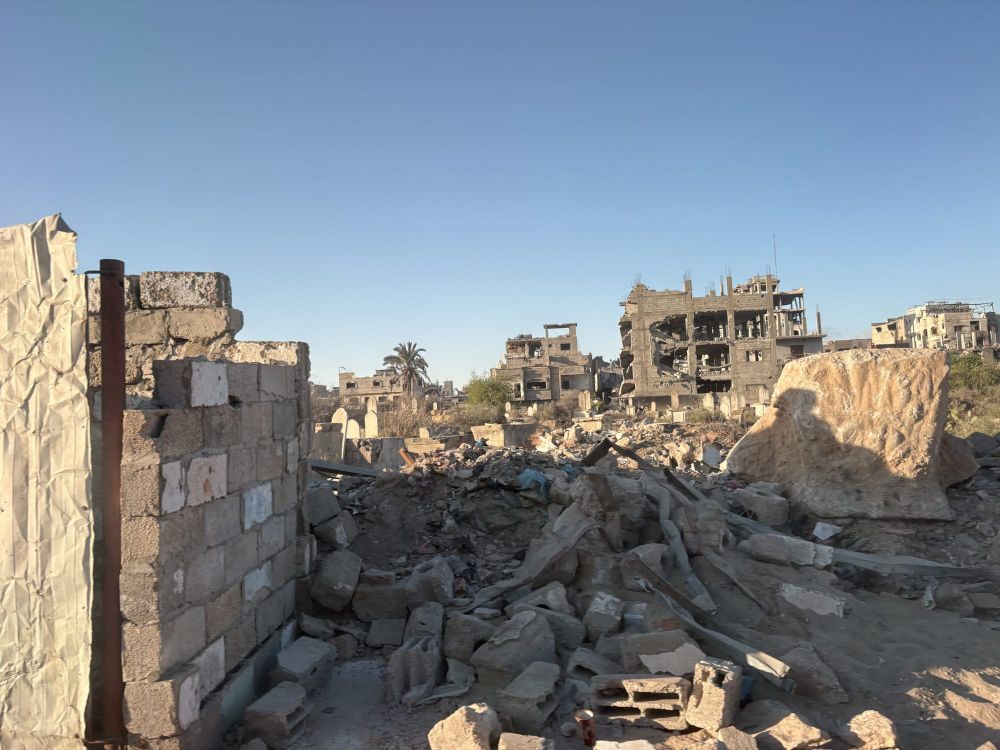
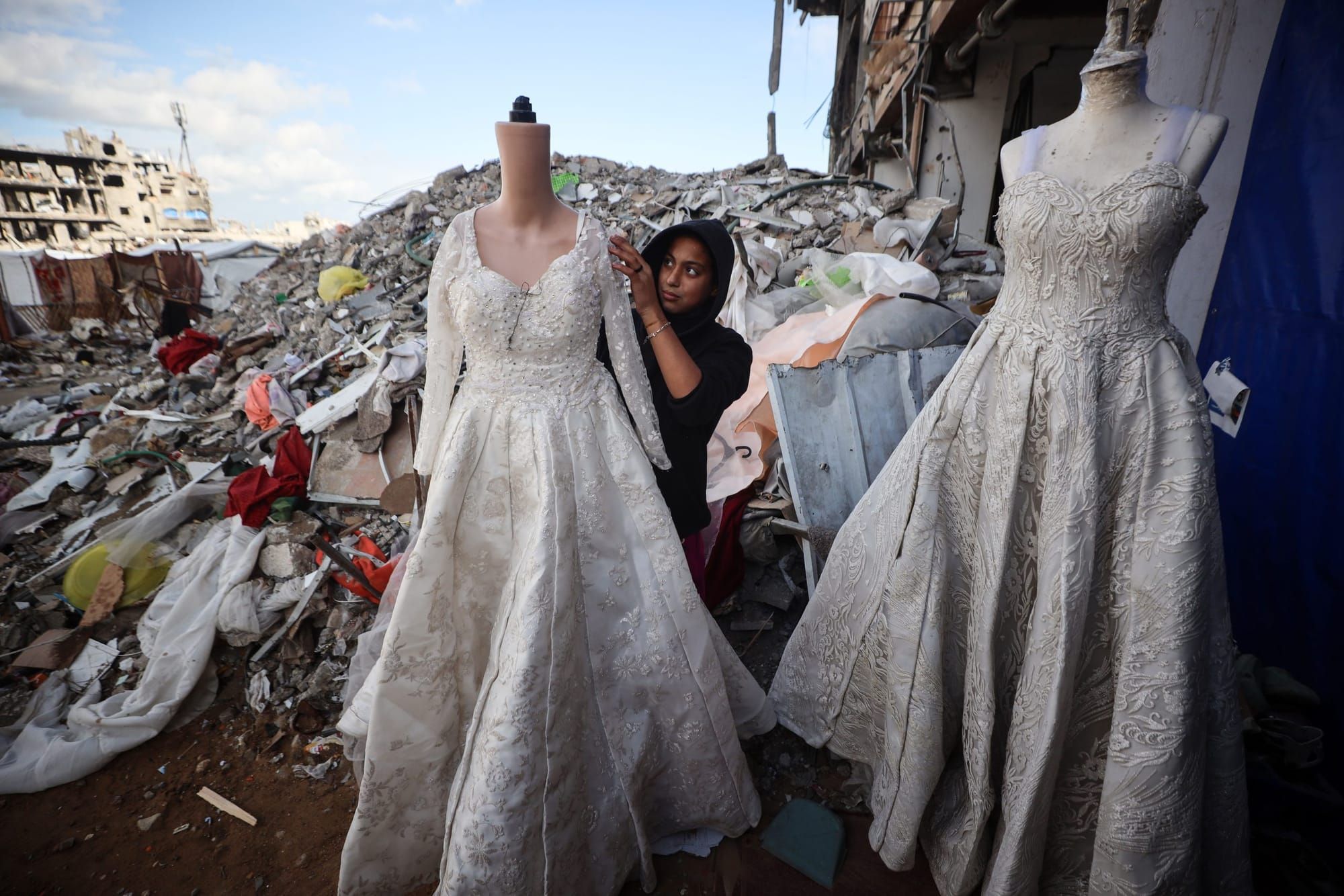
Today, things are very different. There are no beauty salons or tailor shops left to prepare the wedding dress or the groom’s suit. If a wedding happens, the bride often looks as if it were any ordinary day. The weddings that young people once dreamed of now exist only in imagination. Reality has forced something much smaller and quieter. Big wedding halls were destroyed in the bombings, so people now celebrate in homes or fabric tents. Guests are usually limited to a few close relatives because movement is difficult and danger can strike at any moment.
Many families, especially during these two years of destruction, have chosen not to hold any celebrations at all—out of respect for those they lost or simply because there is no safe place to gather anymore. The spaces are few, and the hearts are tired.
My friend and neighbor, Abu Sami, was 25 years old when the genocide began. He was the person I turned to whenever anything happened. Abu Sami had been building his apartment for over two years while volunteering as a nurse and working on a delivery van to earn money for his future and marriage. He had been engaged for only one week when Israel started bombing Gaza. In mid-April 2024, his family home, which he had long dreamed of living in, was destroyed after being forced to evacuate. Yet, on May 3, 2024, despite the destruction and grief surrounding him, Abu Sami managed to hold a small wedding with close relatives and friends—a single moment of joy untouched by pain.
Others’ joy was much delayed.
I met my friend, Ahmad al-Nahhal, at the camp to which I was displaced in early April. Ahmad had lived his entire life in Egypt, but just one month before the genocide began, he returned to Gaza to marry a woman his mother had chosen for him. He was supposed to stay only a short time—to see his family, get married surrounded by his loved ones, and then return to Egypt. But as soon as he arrived in Gaza, the war broke out, and all his plans vanished into thin air.
During the first week of the genocide, Israel bombed his family’s home, killing his father and brother, leaving Ahmad to care for his mother and sister. He stayed in Gaza, waiting for the ceasefire to be announced. He told me that his mother had refused to let him marry his beloved until the war was over, out of respect for his father and brother. He had no choice but to wait. But just a few days before the January temporary ceasefire was announced, his mother was killed by Israeli gunfire while sitting in her tent in al-Mawasi near Khan Younis.
It was a devastating blow. Only Ahmad’s sister remained, and despite her urgings for him to marry his betrothed, he refused, saying, “I won’t get married after my mother.”
When the genocide escalated two months later, Ahmad said he was in the worst mental state of his life. He fled with his sister to the same camp where I lived, and that’s where we met and soon became close friends.
When I first heard his story, I felt something burn inside me. The loss of family is unlike any other pain. He would often tell me about his deep attachment to his parents and how he used to dream of starting his own family one day. As life grew even harsher in late July, Ahmad started working with his relatives as a fisherman, going out to sea every day.
He was actually one of the reasons I learned how to fish: to find food for my family during the worst days of famine.
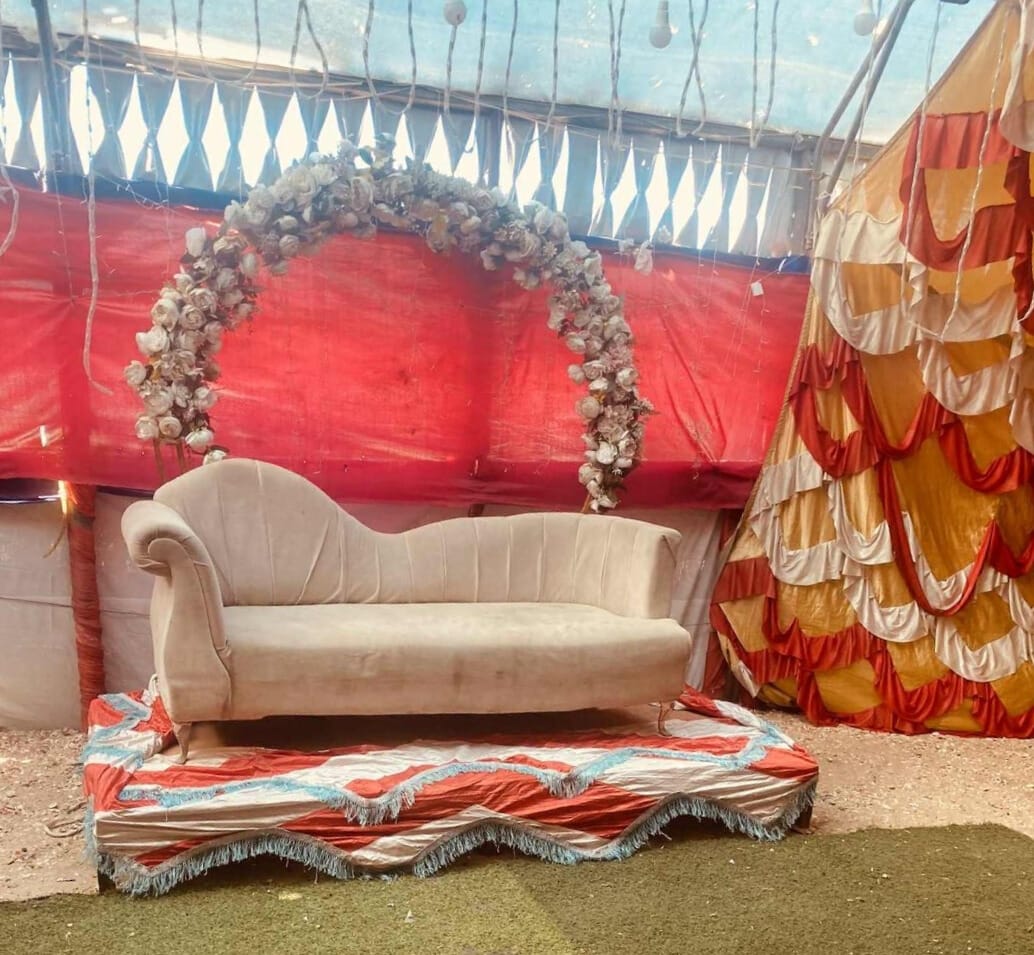
Everyone in the camp knew Ahmad’s story. We all waited for the day the war would end so we could help him finally marry the woman who had waited for him for two years.
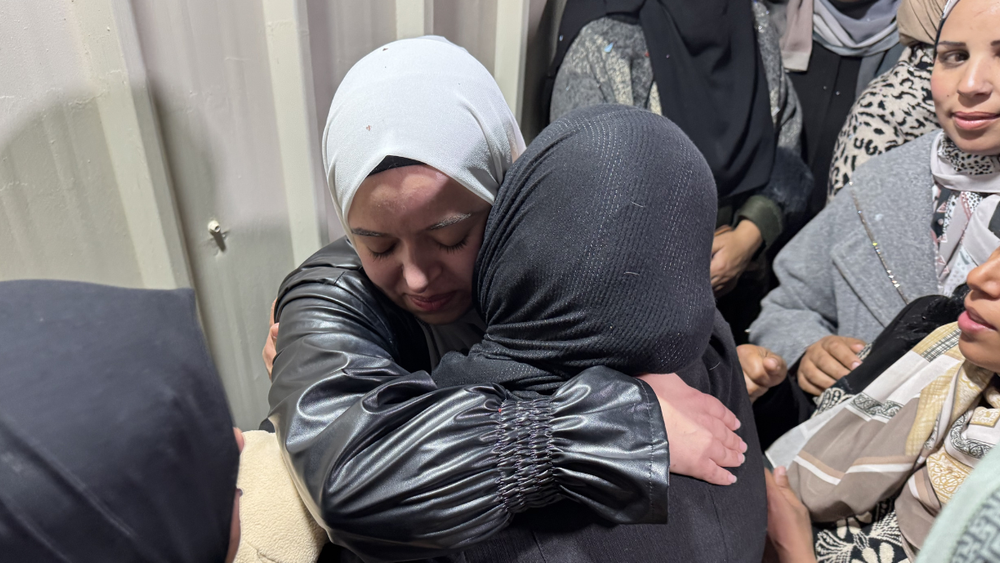
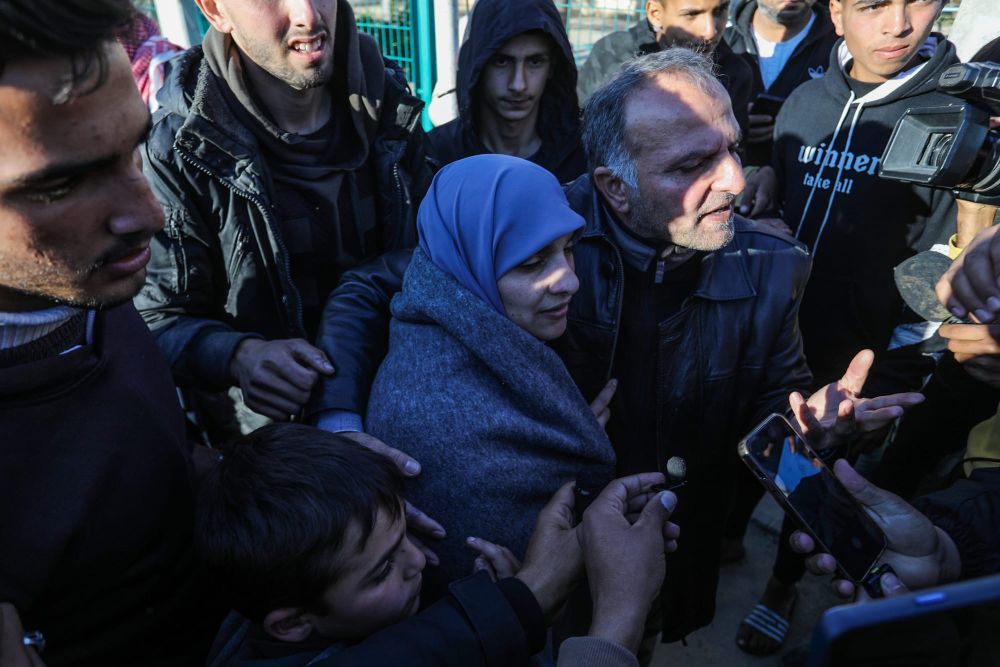
And on Oct. 9, the day the ceasefire was announced, joy was mixed with sorrow. Many of those we loved weren’t with us to see this day. But our camp felt a little different. Just two days later, on Oct 11, we—his friends and remaining relatives—all gathered to celebrate the most important day of his life: his wedding day. Our happiness for Ahmad’s wedding was greater than our happiness for the end of the war itself.
Ahmad isn’t alone. My cousin Hamoud also got married, as did my other cousin, Hussein, who hardly recognized me because of all the changes we had endured after more than a year of separation. After all the loss, the waiting, and the silence of two long years, Gazans are now trying to rebuild not just their homes, but the meaning of life itself.
These are the moments when we want to love and be loved, without the fear of the pain that has haunted us for two long years. And in these small moments—weddings, reunions, the laughter of children—we reclaim a little piece of what it means to truly live.
Editorial Team:
Lara Witt, Lead Editor
Carolyn Copeland, Top Editor
Rashmee Kumar, Copy Editor
Author
Sign up for Prism newsletters.
Stay up to date with curated collection of our top stories.